


 Deutsch
 English
 Español
 Français
 Nederlands
 Português


 Share
Share




U.S. diesel prices have climbed more than 70 percent since Washington launched its war with Iran on February 27, 2026, and with the November 3 midterms less than a month away, record fuel costs are reshaping the political map. At a truck stop in Virginia, independent owner-operators say expensive diesel is erasing their margins and pushing some lifelong Republicans to abandon the party.
Why US Diesel Prices Are Surging
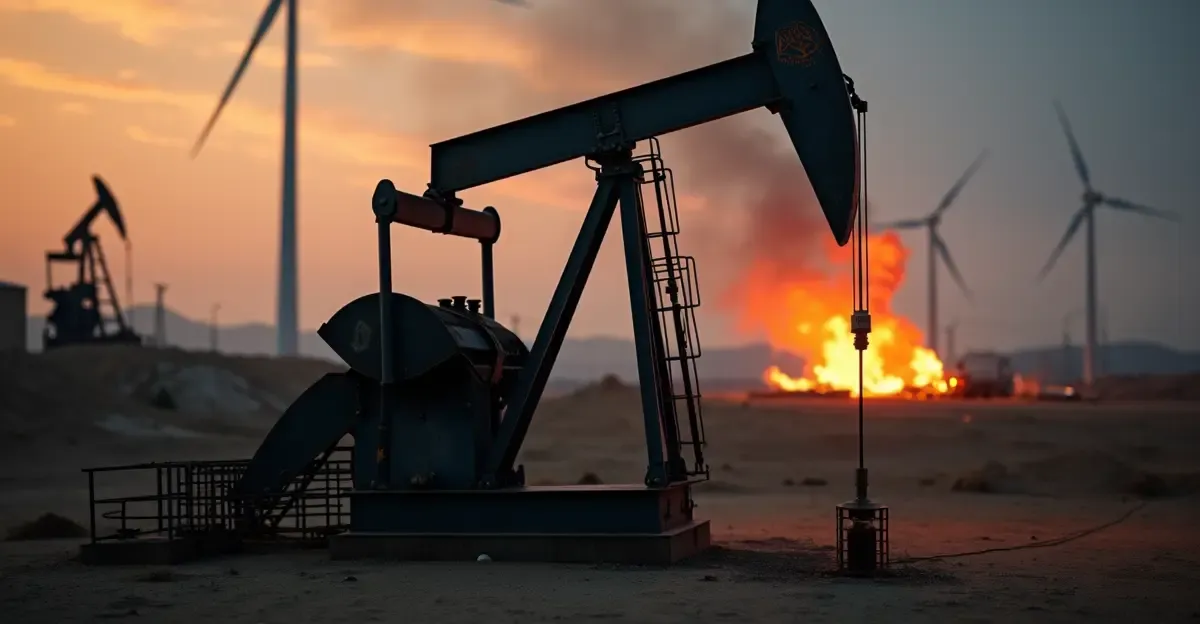
The sharp increase began after the conflict closed the Strait of Hormuz, a chokepoint that normally carries more than 20 percent of global oil. The Strait of Hormuz oil disruption removed millions of barrels from global markets just as Ukraine's drone strikes on Russian refineries knocked out roughly 10 percent of seaborne diesel. U.S. refineries are running at about 98 percent capacity, leaving little room to absorb the shock. Retail diesel hit a record $6.52 a gallon on September 22, according to government data, up from roughly $3.70 before the war.
Trump's Emergency Fixes: Red Diesel and a Russia Deal
President Trump has tried to blunt the political damage with a flurry of actions. On October 5 he signed an executive order at a Nebraska rally allowing highway truckers to use tax-exempt red-dyed diesel normally reserved for farm and construction equipment. Analysts say the move defers only the 24.4-cent federal excise tax and does not address the real supply problem. Taxes are not the problem; supply is, GasBuddy analyst Patrick De Haan said.
The Russia Diesel Import Deal
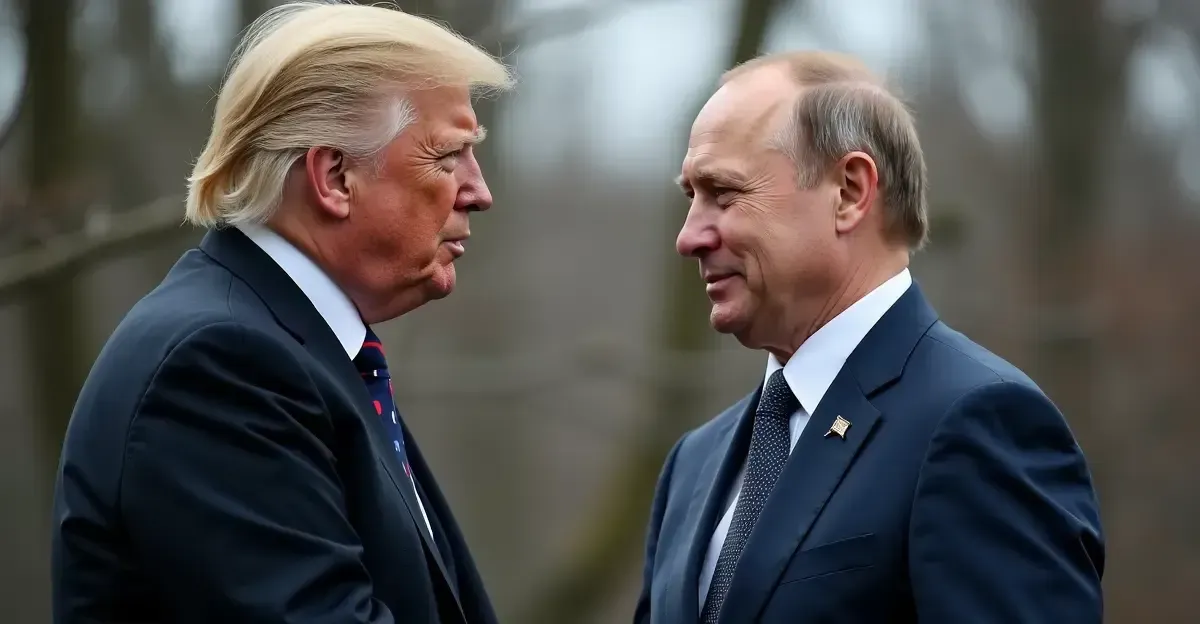
On Friday Trump announced an agreement with President Vladimir Putin for Russia to supply more than 4 million tons of diesel to global markets. The US-Russia diesel import deal begins with 300,000 tons immediately and 500,000 tons in November, with the Treasury issuing a temporary license waiving sanctions through April 2027. Ukrainian President Volodymyr Zelenskyy condemned the move as weak, warning it would prolong the war. Trump earlier described high pump prices as a small price to pay to keep the US safe and blamed Ukraine and Democratic-led states such as California for the crisis.
Truckers and Farmers Feel the Squeeze
John, an independent trucker hauling processed chicken through Virginia, said fuel costs now consume his profit. He filled up in Georgia at $5.59 a gallon because Virginia was a dollar more. A full tank costs him about $1,200. Fuel costs are eating my profit, he said. So the less I pay for fuel, the better.
Bryan, carrying applesauce, said he still supports Trump. Iran has been playing a game with us for decades and I don't blame him for intervening. The war will be over soon. But John has reached a different conclusion. If prices stay this high, I'll sell my truck and quit. I can't keep this up. There are midterm elections coming. I'm a Republican, but I'm not voting Republican in these midterms.
Political Fallout Ahead of November 3
Republicans are caught between loyalty to Trump and voter anger over diesel prices and grocery inflation. Conservative strategist Amanda Makki said candidates must distance themselves without abandoning the president. That pain at the pump is something people experience every day, and that makes it a challenge to have to work against it, she said. She called the White House measures based on quicksand, noting experts warn it could take years for prices to return to pre-war levels even if the conflict ends. The 2026 midterm election outlook now depends heavily on whether independent voters blame Trump and the GOP for the squeeze.
FAQ: US Diesel Prices and the 2026 Midterms
Why are US diesel prices so high in 2026?
The US-Iran war closed the Strait of Hormuz, cutting more than 20 percent of global oil supply, while Ukrainian strikes on Russian refineries and Russia's diesel export ban further tightened markets.
How much have diesel prices risen?
Retail diesel climbed more than 70 percent, from about $3.70 a gallon before the war to a record $6.52 on September 22, 2026, before settling near $6.23.
What did Trump do to lower diesel prices?
He allowed truckers to use tax-exempt red-dyed diesel, pressured Europe to release emergency reserves, and announced a deal to import Russian diesel after a call with Putin.
Will the Russia diesel deal lower prices?
Analysts say the temporary waiver may add supply but is unlikely to return prices to pre-war levels soon, and it risks undermining pressure on Moscow over Ukraine.
How are truckers responding?
Many owner-operators are cutting routes, filling up in cheaper states, and some, like Virginia trucker John, are considering selling their rigs.



Follow Discussion