


 Deutsch
 English
 Español
 Français
 Nederlands
 Português


 Share
Share




What is the Strait of Hormuz and Why Does It Matter?
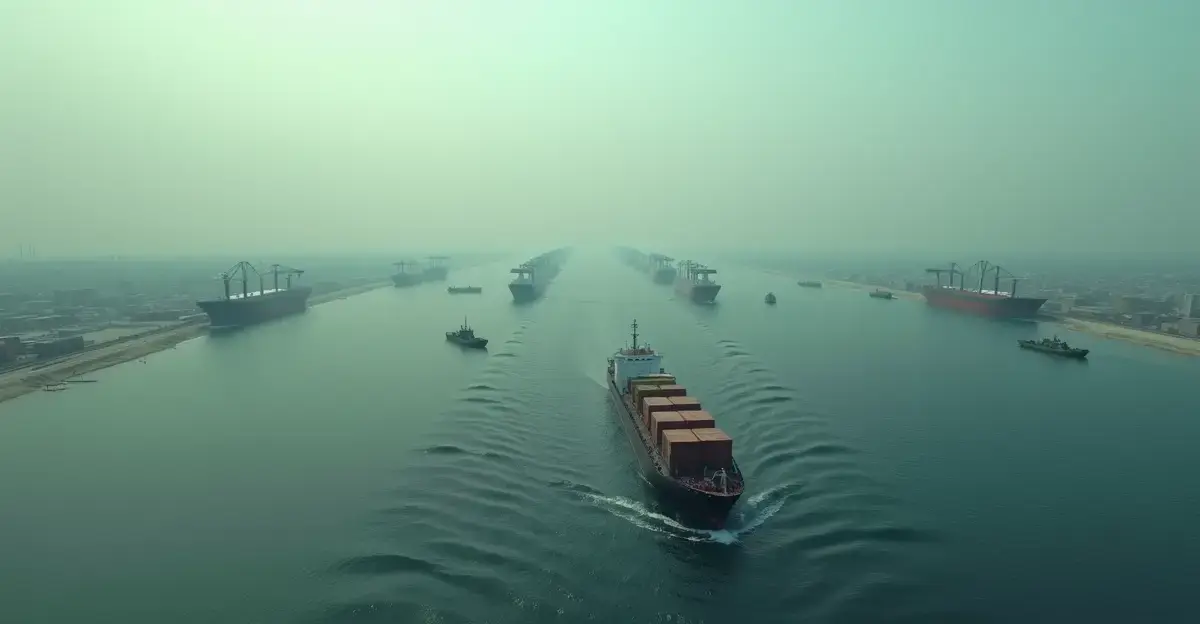
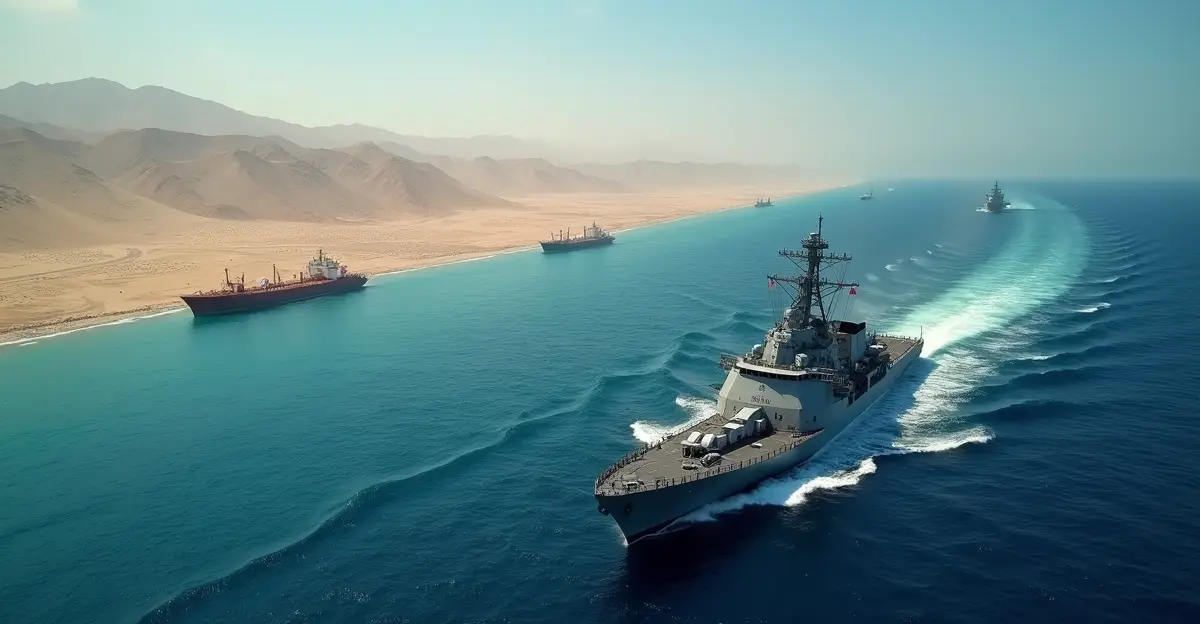
The Strait of Hormuz, a narrow waterway between the Persian Gulf and the Gulf of Oman, represents one of the world's most critical maritime chokepoints. Approximately 20% of global oil supplies and 25% of seaborne oil trade pass through this strategic passage annually, making it essential for global energy security. On April 17, 2026, Iran announced the reopening of the Strait of Hormuz for all commercial shipping, triggering immediate market reactions including a 10% drop in oil prices and 8% decline in European gas prices. This development comes after 49 days of conflict between Iran, the United States, and Israel that began on February 28, 2026, with Operation Epic Fury.
Breaking News: Iran Reopens Critical Waterway
Iranian Foreign Minister Abbas Araghchi announced via social media platform X that 'the passage for all commercial ships through the Strait of Hormuz for the remaining duration of the ceasefire will be fully released.' The announcement came as part of a broader ceasefire agreement in Lebanon, signaling a potential de-escalation in regional tensions. Former US President Donald Trump quickly confirmed the development on Truth Social, stating 'IRAN HAS JUST ANNOUNCED THAT THE STRAIT OF IRAN IS FULLY OPEN AND READY FOR TRANSIT. THANK YOU!'
Immediate Market Impact
The reopening announcement triggered significant market movements:
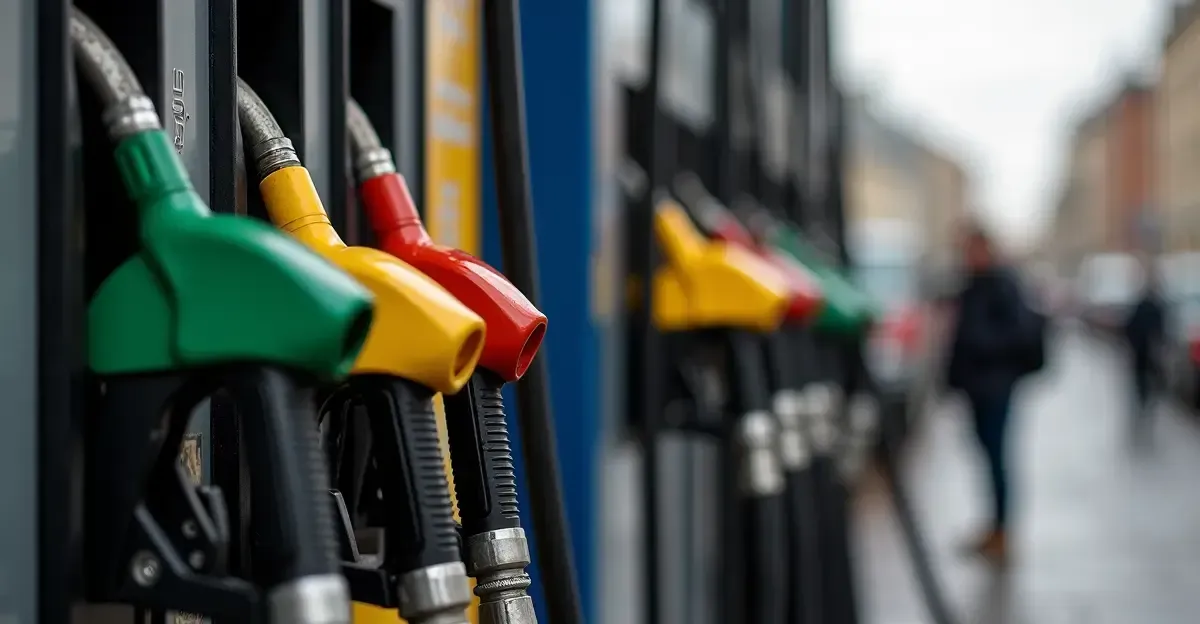
- Oil prices dropped 10% to approximately $85 per barrel
- European gas prices fell 8% to around €39 per megawatt-hour
- Energy company stocks declined sharply, with Shell and SBM Offshore dropping 4-5%
- US oil companies including Chevron, ConocoPhillips, and Diamondback saw similar declines
Geopolitical Context: The 2026 Iran War
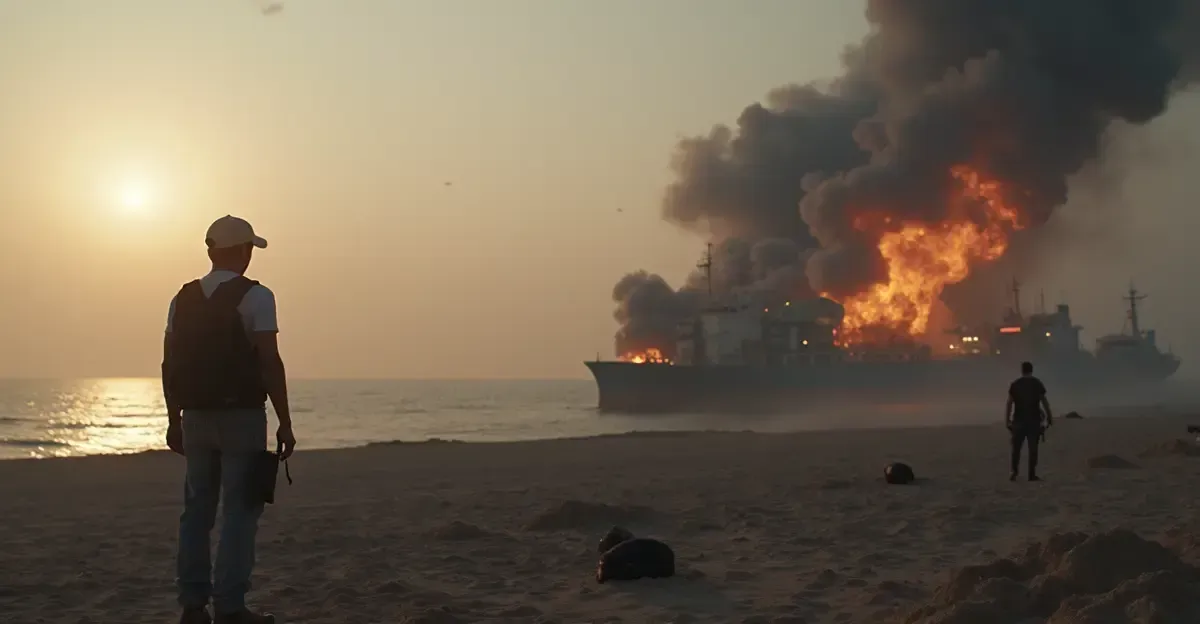
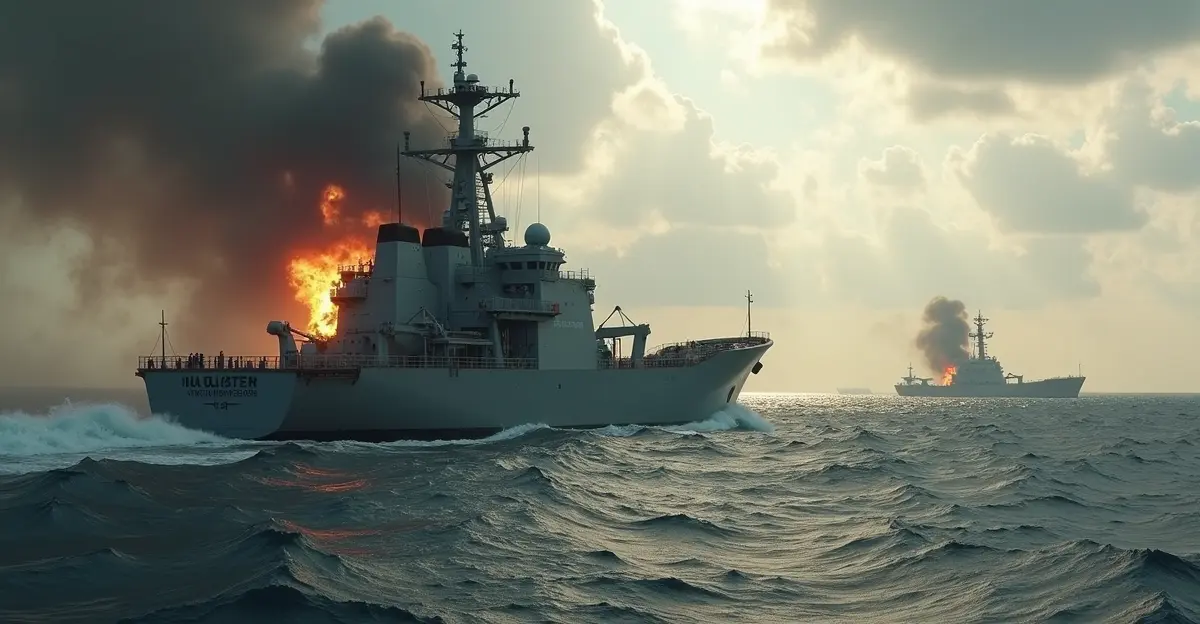
The Strait of Hormuz crisis emerged from the broader 2026 Iran war timeline that began on February 28, 2026. US and Israeli forces launched Operation Epic Fury targeting Iranian leadership and military infrastructure, resulting in the death of Supreme Leader Ali Khamenei and dozens of officials. The conflict created severe global economic strain, with ship transits through the strait dropping 95% from 130 per day in February to just 6 in March. According to Federal Reserve Bank of Dallas research, the closure removed approximately 20% of global oil supplies from the market, representing three to five times larger than previous geopolitical shocks like the 1973 oil crisis.
International Response and Diplomatic Efforts
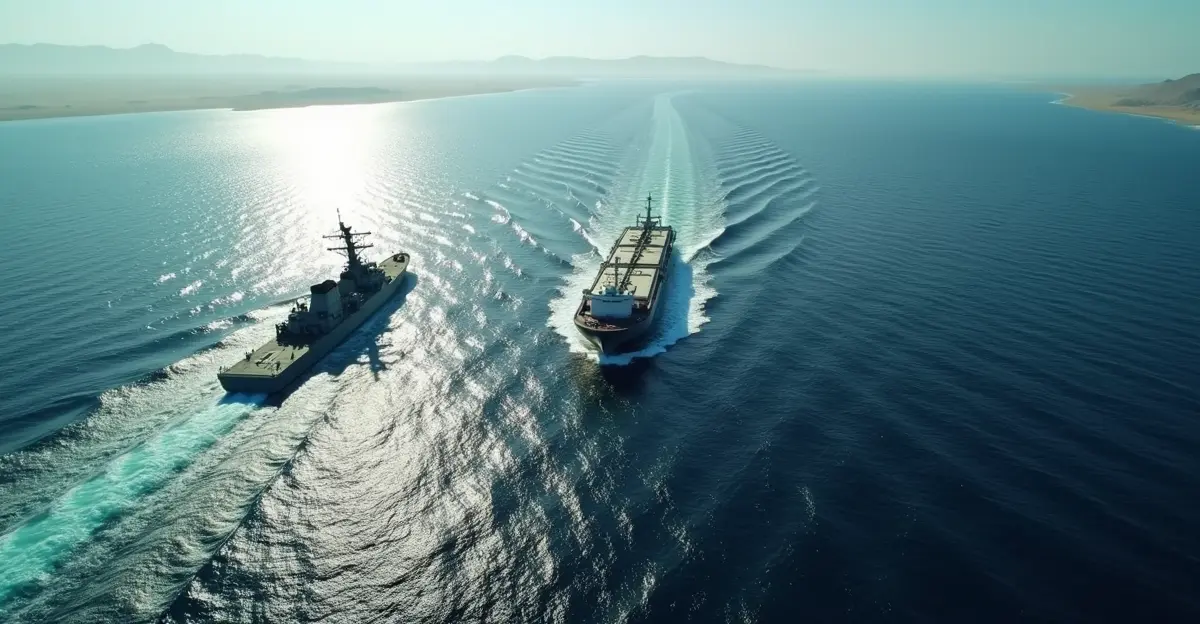
The European Union's foreign policy chief Kaja Kallas urged Iran to 'drop any plans to charge tolls' in the Strait of Hormuz, emphasizing that 'according to international law, transit through waterways such as the Strait of Hormuz must remain open and free.' Meanwhile, approximately fifty countries participated in a 'Hormuz coalition' summit in Paris, with thirty heads of state and government leaders discussing maritime security. French Defense Minister Catherine Vautrin suggested that countries like the Netherlands could assist with mine clearance operations in the strategic waterway.
Economic Implications and Global Impact
The Strait of Hormuz disruption created severe global economic consequences:
| Impact Area | Before Closure | During Closure | After Reopening |
|---|---|---|---|
| Daily Tanker Transits | 50-60 ships | 6 ships | Gradual recovery |
| Oil Price (WTI) | $68 per barrel | $98 per barrel | $85 per barrel |
| Global GDP Growth | 2.9% (2025) | Projected 2.6% (2026) | Recovery expected |
| Merchandise Trade Growth | 4.7% (2025) | 1.5-2.5% (2026) | Improvement likely |
BNR's chief economist Han de Jong warned that 'shortages of certain products will arise, there's no way around it,' particularly noting Europe's dependence on Middle Eastern oil for kerosine production. The disruption exposed extreme regional dependencies, with Iraq routing 72% of its exports through Hormuz, Saudi Arabia 60%, and UAE 51%. Major Asian importers including South Korea (68%), Japan (57%), China (50%), and India (52%) were also heavily affected.
Ongoing Tensions and Future Outlook
Despite the reopening announcement, significant tensions remain. The United States maintains its maritime blockade 'exclusively with respect to Iran, until our transaction with Iran is 100% complete,' according to Trump's statement. The Lebanese militant group Hezbollah has declared it has 'its finger on the trigger' should Israel violate the ceasefire, having claimed over 2,100 military actions against Israeli forces in March and April alone. Meanwhile, thousands of Lebanese civilians are attempting to return to southern Lebanon despite military warnings about potential ceasefire violations.
The global energy market disruption caused by the Strait of Hormuz closure represents one of the most significant geopolitical energy shocks in decades. As French minister Vautrin noted, maritime escort operations would be 'in no way offensive' but would serve to guarantee safety. The situation continues to evolve, with China participating in the Hormuz coalition summit despite its close relations with Iran, and Pakistan providing air force escorts for Iranian diplomats over fears of Israeli attacks.
Frequently Asked Questions
What is the Strait of Hormuz?
The Strait of Hormuz is a narrow waterway between the Persian Gulf and Gulf of Oman that serves as the only sea passage from the Persian Gulf to the open ocean. Approximately 20% of global oil supplies pass through this critical chokepoint.
Why did oil prices drop after the reopening announcement?
Oil prices dropped 10% because the reopening alleviates fears of supply disruptions. The Strait of Hormuz handles about 21 million barrels of oil daily, and its closure had created significant market volatility and supply concerns.
How long was the Strait of Hormuz closed?
The waterway experienced severe restrictions for approximately 49 days following the outbreak of war on February 28, 2026. Ship transits dropped 95% from 130 per day to just 6 during the peak of the crisis.
What is the Hormuz coalition?
The Hormuz coalition is an international group of approximately fifty countries working to restore safe maritime passage through the strategic waterway. The coalition, led by France and the United Kingdom, includes European nations, Asian countries, and other global partners.
Will the reopening affect global inflation?
Yes, energy price reductions typically help moderate inflation. The 10% drop in oil prices and 8% decline in European gas prices should provide some relief to consumers and businesses facing energy costs, though broader economic recovery patterns will determine the full impact.
Follow Discussion