


 Deutsch
 English
 Español
 Français
 Nederlands
 Português


 Share
Share




Trump's Hormuz Blockade Explained: US Navy to Seal Critical Oil Route After Failed Iran Talks
President Donald Trump has announced that the U.S. Navy will begin blockading the Strait of Hormuz 'with immediate effect' following the collapse of peace negotiations with Iran in Pakistan. This dramatic escalation in the Middle East conflict threatens to transform a regional war into a potential global confrontation, as the strategic waterway handles approximately 20% of the world's seaborne oil trade and 20% of global LNG exports.
What is the Strait of Hormuz and Why Does It Matter?
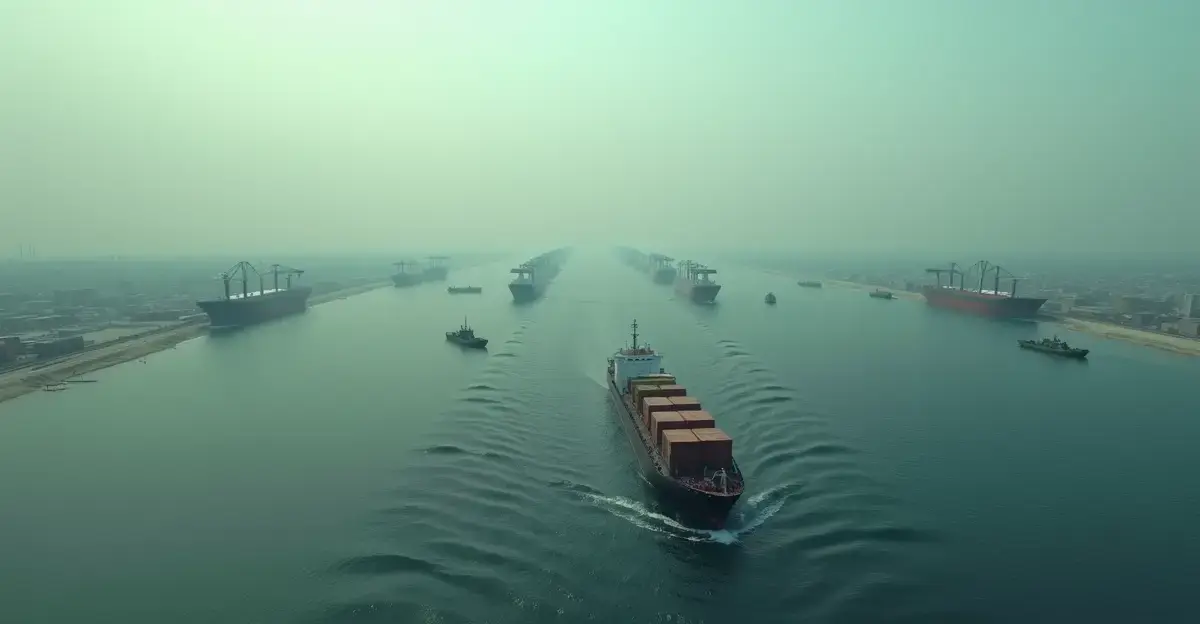
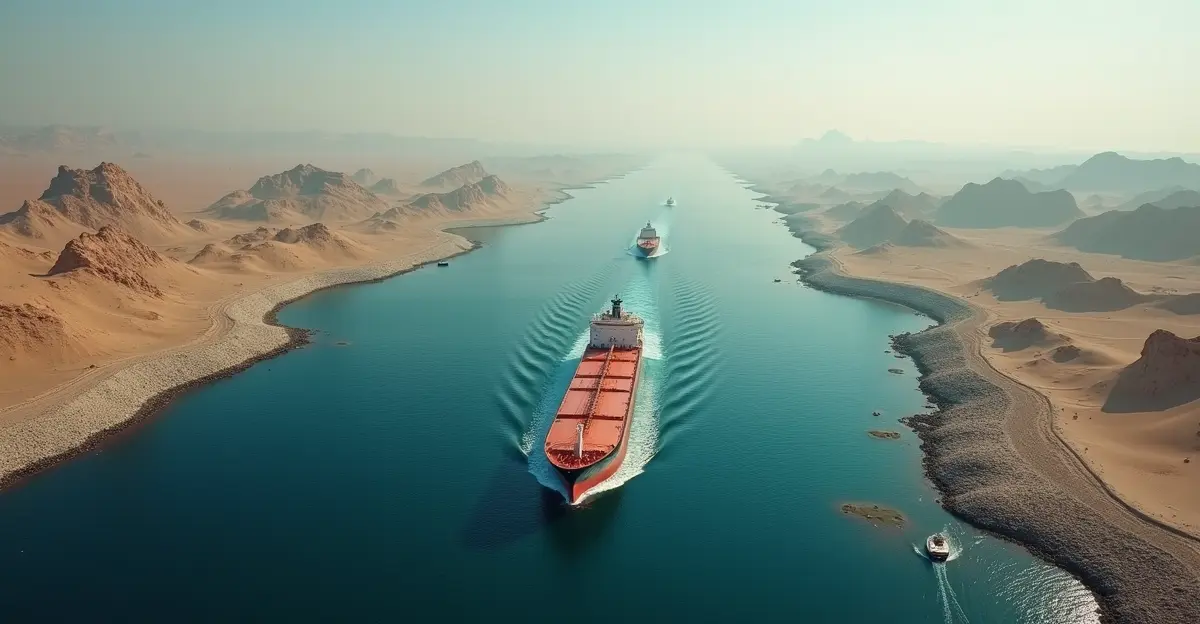
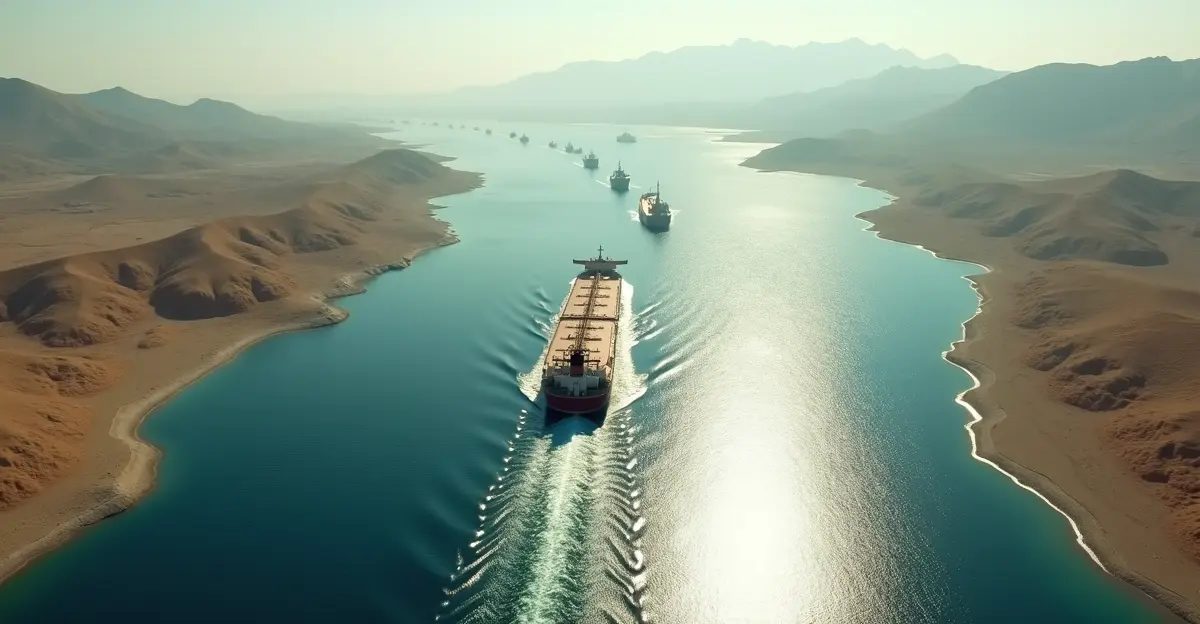
The Strait of Hormuz is a narrow 29-nautical-mile-wide waterway connecting the Persian Gulf with the Gulf of Oman, bordered by Iran to the north and Oman to the south. This critical global chokepoint serves as the only maritime passage for oil exports from Gulf countries including Iran, Iraq, Kuwait, Qatar, Bahrain, Saudi Arabia, and the UAE. Before the current conflict, approximately 120 ships passed through daily, carrying 20 million barrels of oil and significant LNG volumes. The closure has already created what analysts call 'the largest disruption to global energy markets in decades,' with over 800 ships currently trapped and global oil prices surging above $100 per barrel.
The Failed Negotiations and Trump's Response
The announcement follows the breakdown of U.S.-Iran peace talks in Islamabad, Pakistan, where negotiations collapsed over Iran's nuclear activities. Trump stated on his Truth Social platform that while most points were agreed upon, 'all points don't matter compared to the fact that nuclear energy would fall into the hands of such unpredictable and difficult people.' The president declared that the U.S. Navy would 'barricade all ships wanting to enter or leave the Strait of Hormuz' and specifically target vessels that paid 'illegal tolls' to Iran for passage.
'At the right time we are fully 'ready for action' and our army will destroy the last remnants of Iran,' Trump warned in his social media posts, which represent his first public comments on Iran since the failed negotiations.
Military Implications and International Reactions
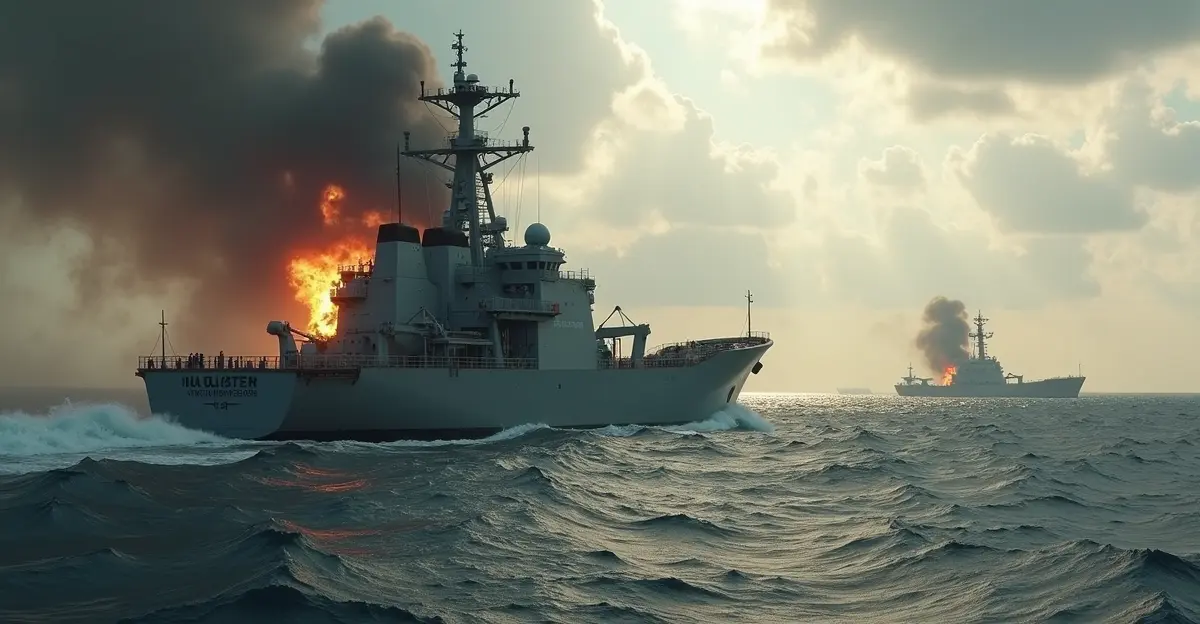
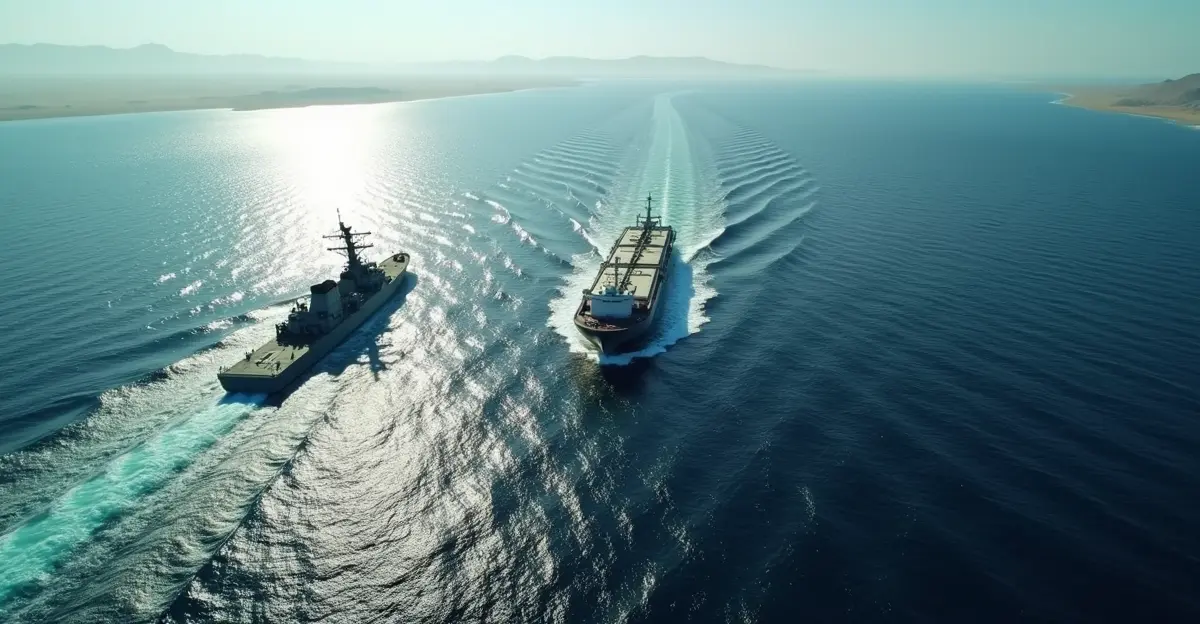
Former U.S. Navy commanders have described the blockade as an 'act of war' that would require significant military resources. According to defense analysts, enforcing such a blockade would necessitate at least two aircraft carriers and more than ten destroyers and other warships—essentially an entire naval armada. The move represents a stark reversal of traditional U.S. policy supporting freedom of navigation, raising concerns about potential confrontations with Chinese oil tankers and other international vessels.
China, which had joined Pakistan in pushing for the ceasefire and negotiations to reopen the strait, now faces the prospect of its oil tankers confronting U.S. warships. This development could expand the conflict into what experts warn could become 'a potentially globally tense situation.' Iran's Revolutionary Guard Corps has already warned that military vessels approaching the strait would violate the two-week ceasefire agreement.
Economic Impact and Global Energy Markets
The economic consequences of the Strait of Hormuz closure are already severe and could worsen dramatically with a U.S. blockade. According to Federal Reserve Bank of Dallas research, the closure has removed approximately 20% of global oil supplies from the market—three to five times larger than previous historical disruptions like the 1973 oil crisis. Key impacts include:
- Oil prices projected to reach $98-132 per barrel depending on blockade duration
- Global real GDP growth reduction of 2.9 percentage points in Q2 2026
- 7.5-9.1 million barrels per day of crude oil production shut in from Gulf producers
- Retail gasoline prices expected to reach $4.30 per gallon in the U.S.
- Diesel prices potentially exceeding $5.80 per gallon
The global energy crisis has already prompted the International Energy Agency to issue warnings about what could become the largest energy crisis in history, with recommendations including working from home and increased use of public transportation.
Strategic Considerations and Regional Dynamics
The blockade announcement comes amid complex regional dynamics. Iran had been charging tolls to select vessels for passage through the strait during the conflict, which Trump characterized as 'illegal extortion practices.' The U.S. president stated that ships paying these tolls 'should not have safe passage through international waters' and that the Navy has been ordered to locate and detain them.
Trump also revealed that 'multiple countries are involved in the operation,' though he didn't specify which nations. This suggests potential coordination with regional allies, possibly including Gulf Cooperation Council members affected by the strait's closure. The situation represents a significant escalation from previous Middle East conflicts, where the strait has never been closed for extended periods despite occasional threats.
FAQ: Understanding the Hormuz Blockade Crisis
What exactly is President Trump ordering?
Trump has directed the U.S. Navy to blockade the Strait of Hormuz, preventing all vessel traffic from entering or leaving the strategic waterway until mines are cleared and 'free passage for everyone' can be established.
Why did negotiations with Iran fail?
Peace talks collapsed primarily over Iran's nuclear activities, with the U.S. refusing any agreement until Iran ceases its nuclear program. Other sticking points included funding for proxy groups and control of the strategic waterway.
How will this affect global oil prices?
With 20% of global oil supplies already disrupted, a U.S. blockade could push prices to $115-132 per barrel, potentially triggering a global recession according to economic models.
What military resources are required?
Military analysts estimate at least two aircraft carriers, ten destroyers, and supporting vessels—essentially a full naval task force—would be needed to enforce such a blockade effectively.
Could this lead to wider conflict?
Yes, with Chinese oil tankers potentially facing U.S. warships and Iran warning of ceasefire violations, the situation could escalate into a broader international confrontation.

Follow Discussion