


 Deutsch
 English
 Español
 Français
 Nederlands
 Português


 Share
Share




China Tightens Grip on Critical Minerals in 2026
In early 2026, China escalated its export control framework on rare earths and critical minerals, triggering price spikes of up to 105% for dysprosium and slashing licensing approval rates for European firms to below 25%. With China controlling 90% of global rare earth processing and 80% of tungsten, Western defense, EV, and renewable energy sectors face acute supply vulnerability. The World Economic Forum's Global Risks Report 2026 ranks geoeconomic confrontation as the top global risk, and China's simultaneous tightening of rare earth exports is actively reshaping supply chains, pricing, and strategic calculations in real time. This analysis examines the three strategic pathways—managed dependence, costly independence, or a hybrid resilience model—and argues that the geopolitical window for meaningful action is narrowing to 12-18 months before structural dependency becomes locked in for decades.
Background: China's Dominance in Critical Minerals
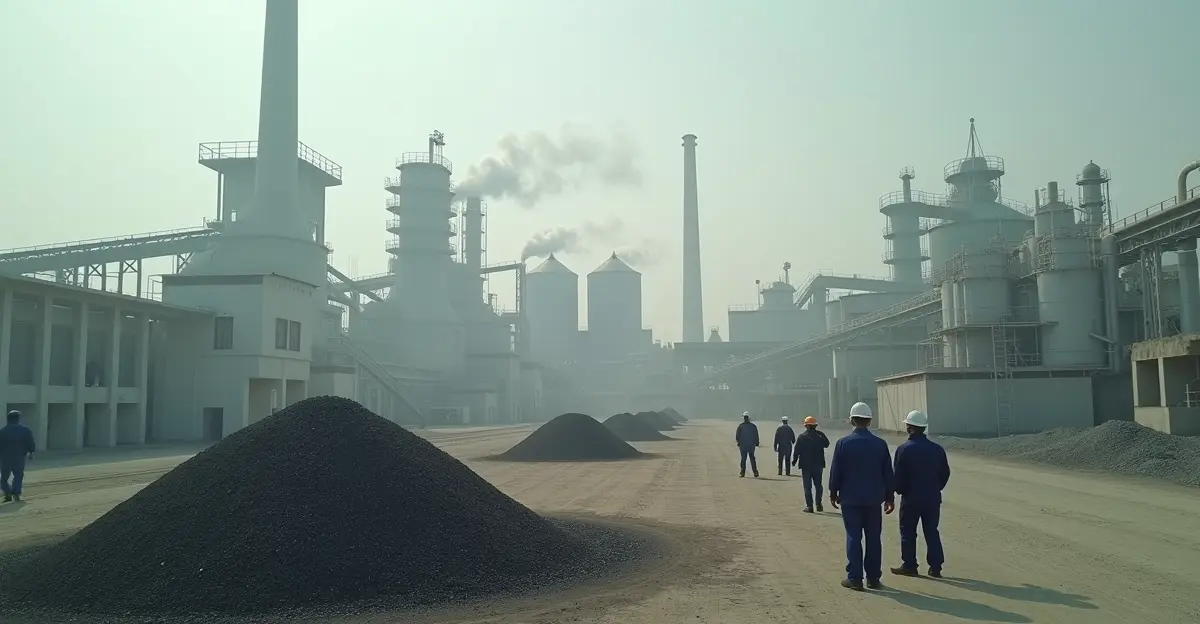
China's stranglehold on critical minerals is decades in the making. The country controls roughly 90% of global rare earth processing, 80% of tungsten refining, and 60% of antimony production. These minerals are essential for permanent magnets used in EV motors, wind turbines, missile guidance systems, and advanced electronics. Over 80% of European companies depend on Chinese supply chains for these materials, according to a multi-institutional analysis published in early 2026. The rare earth supply chain vulnerability has been a known risk for years, but China's 2026 export controls have transformed theoretical risk into acute crisis.
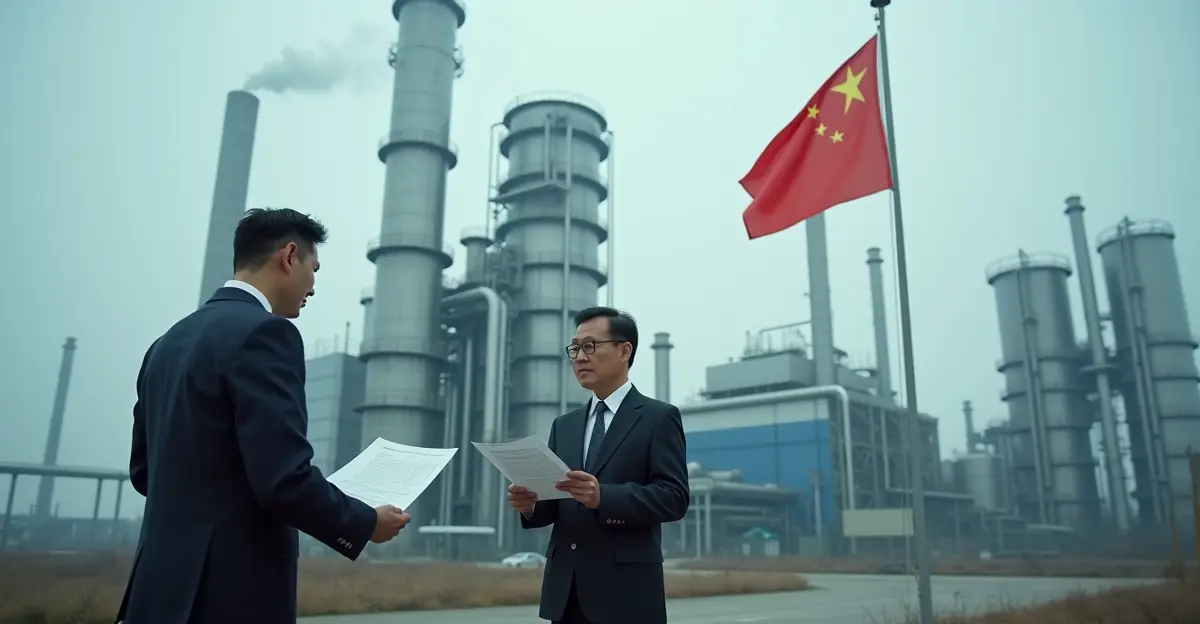
In October 2025, China expanded its export controls to include five additional rare earth elements—holmium, erbium, thulium, europium, and ytterbium—bringing 12 of the 17 rare earth elements under restriction. The controls also introduced extraterritorial provisions requiring export licenses for products made abroad using Chinese-origin materials. Although a November 2025 US-China trade agreement suspended these new controls for one year, earlier controls from April 2025 on seven other rare earths remain in force, requiring companies to obtain export licenses from China's Ministry of Commerce (MOFCOM). This layered regulatory framework gives Beijing reversible, calibrated leverage over global supply chains.
Price Spikes and Supply Disruptions
The impact has been immediate and severe. Dysprosium prices surged by 105% in the first quarter of 2026, while neodymium-praseodymium oxide saw sixfold price increases outside China. Defense contractors report shortages of magnets for missile guidance systems, and EV manufacturers face production delays due to lack of critical magnet materials. European licensing approval rates have fallen below 25%, meaning three out of four applications for rare earth exports from China are now rejected or delayed indefinitely.
Impact on Defense Sector
The defense implications are particularly alarming. Rare earth magnets are critical for precision-guided munitions, radar systems, and electronic warfare equipment. NATO officials have expressed concern that continued dependency on Chinese supply chains could compromise operational readiness. The defense supply chain risks from China are prompting urgent stockpiling efforts, but existing inventories are limited.
Impact on Green Energy Transition
The renewable energy and EV sectors are equally exposed. Wind turbines require neodymium magnets for direct-drive generators, and EV motors rely on dysprosium-doped magnets for high-temperature performance. With global EV sales projected to reach 20 million units in 2026, any disruption to rare earth supplies could derail climate targets. The critical minerals for green energy transition are now at the center of geopolitical competition.
Three Strategic Pathways for the West
Analysts identify three broad strategic options for Western nations seeking to reduce dependency on Chinese critical minerals:
1. Managed Dependence
This pathway accepts continued reliance on Chinese supply but seeks to diversify sources of leverage through diplomatic engagement, stockpiling, and recycling. China has signaled willingness to negotiate—the November 2025 suspension of extraterritorial controls was part of a broader trade deal. However, managed dependence leaves Western economies vulnerable to future coercion and does not address structural imbalances.
2. Costly Independence
This approach aims to build fully independent supply chains from mining through processing to magnet manufacturing. The US, EU, Australia, and allies have launched initiatives such as the 54-nation Forum on Resource Geostrategic Engagement (FORGE) in February 2026, committing over $30 billion to diversify supply. However, rebuilding rare earth processing capacity outside China could take 5-7 years at minimum, and some analysts estimate 20-30 years to achieve meaningful scale. The cost is enormous—estimated at $50-100 billion for a complete Western supply chain—and would require sustained political will across multiple election cycles.
3. Hybrid Resilience Model
The most pragmatic option combines elements of both: accelerate domestic processing capacity for the most critical minerals (dysprosium, neodymium, terbium) while maintaining managed dependence for less critical elements. This approach also emphasizes recycling, substitution research, and strategic stockpiling. The hybrid resilience model for critical minerals is gaining traction among policymakers as the most realistic near-term solution.
The Narrowing Window for Action
The consensus among analysts is that the West has a 12-18 month window to make decisive investments and policy changes before China's structural advantages become locked in for decades. China is not merely restricting exports—it is actively investing in downstream processing capacity, acquiring overseas mining assets, and building long-term supply contracts with resource-rich nations. Every month of delay allows China to deepen its integration into global supply chains, making disentanglement progressively harder.
The WEF Global Risks Report 2026 underscores the urgency: geoeconomic confrontation is now the top short-term risk, and 68% of respondents expect the global political environment to become more fragmented over the next decade. The geopolitical risks of rare earth dependency are no longer hypothetical—they are shaping defense strategies, corporate investment decisions, and international alliances in real time.
Expert Perspectives
"China is weaponizing control rather than scarcity," says Dr. Elena Voss, a critical minerals analyst at the Center for Strategic and International Studies. "The 2026 export controls are designed to be temporary and reversible, allowing Beijing to maintain pricing power and extract strategic concessions while preventing large-scale Western alternative investment. The window for action is real, but it requires coordinated, sustained effort across governments and industries."
"We are in 'Great Powers Era 2.0,' where supply chains are strategic instruments of state power," adds Professor James Chen of the University of Oxford. "The 12-18 month window is not about achieving independence—that will take decades. It is about beginning the process of diversification and building the institutional frameworks that will allow the West to compete over the long term."
Frequently Asked Questions
What critical minerals does China control?
China controls approximately 90% of global rare earth processing, 80% of tungsten refining, and 60% of antimony production. Rare earths include 17 elements critical for magnets, electronics, and defense applications.
How have China's 2026 export controls affected prices?
Dysprosium prices have surged 105%, and neodymium-praseodymium oxide prices have increased sixfold outside China. European licensing approval rates have fallen below 25%.
What is the West doing to reduce dependency?
The US, EU, and allies launched the 54-nation FORGE initiative in February 2026, committing over $30 billion to diversify supply chains. Efforts include domestic mining projects, processing facility construction, and recycling programs.
How long would it take to build independent supply chains?
Analysts estimate 5-7 years for basic processing capacity and 20-30 years to achieve meaningful scale independent of China. The 12-18 month window refers to the period for making decisive policy and investment commitments.
Why is this happening now?
The WEF Global Risks Report 2026 ranks geoeconomic confrontation as the top global risk. China's simultaneous tightening of rare earth exports is part of a broader strategy to leverage its dominant position in critical minerals for geopolitical advantage.
Conclusion: The Clock Is Ticking
The critical minerals crisis represents one of the most significant geoeconomic challenges of the decade. China's 2026 export controls have demonstrated the vulnerability of Western supply chains and the high cost of inaction. The three pathways—managed dependence, costly independence, or a hybrid resilience model—each carry trade-offs, but the hybrid approach appears most viable given the time and resource constraints. The 12-18 month window for action is not a guarantee of success, but a deadline for beginning the long process of structural change. Failure to act decisively risks locking in dependency for a generation, with profound implications for national security, economic competitiveness, and climate goals.



Follow Discussion