


 Deutsch
 English
 Español
 Français
 Nederlands
 Português


 Share
Share




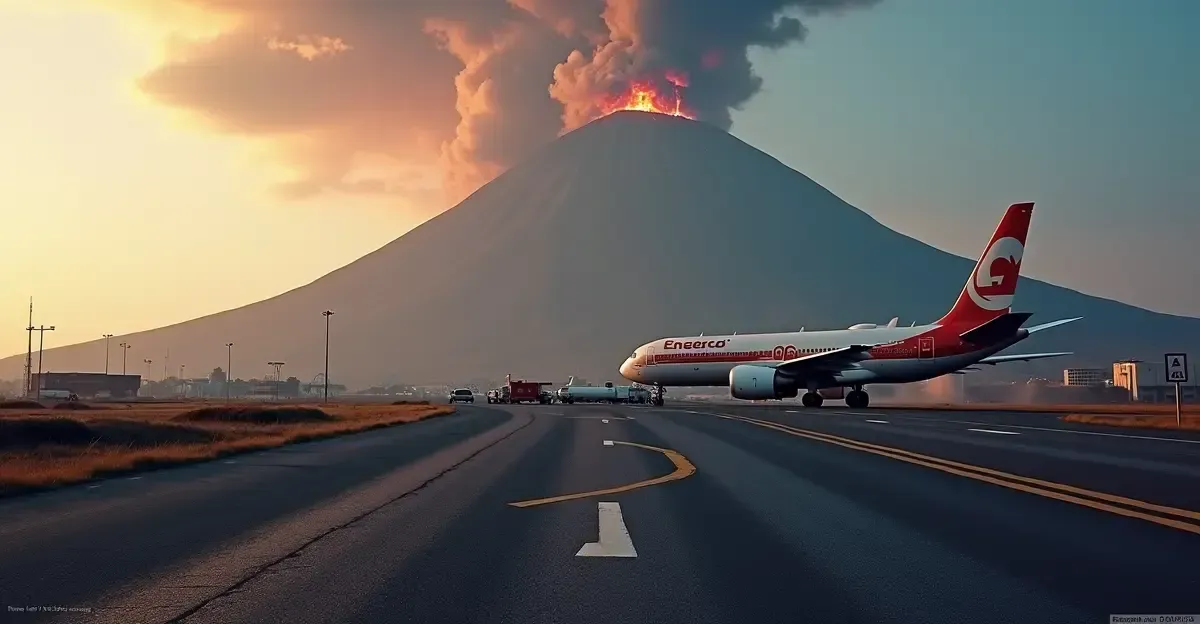
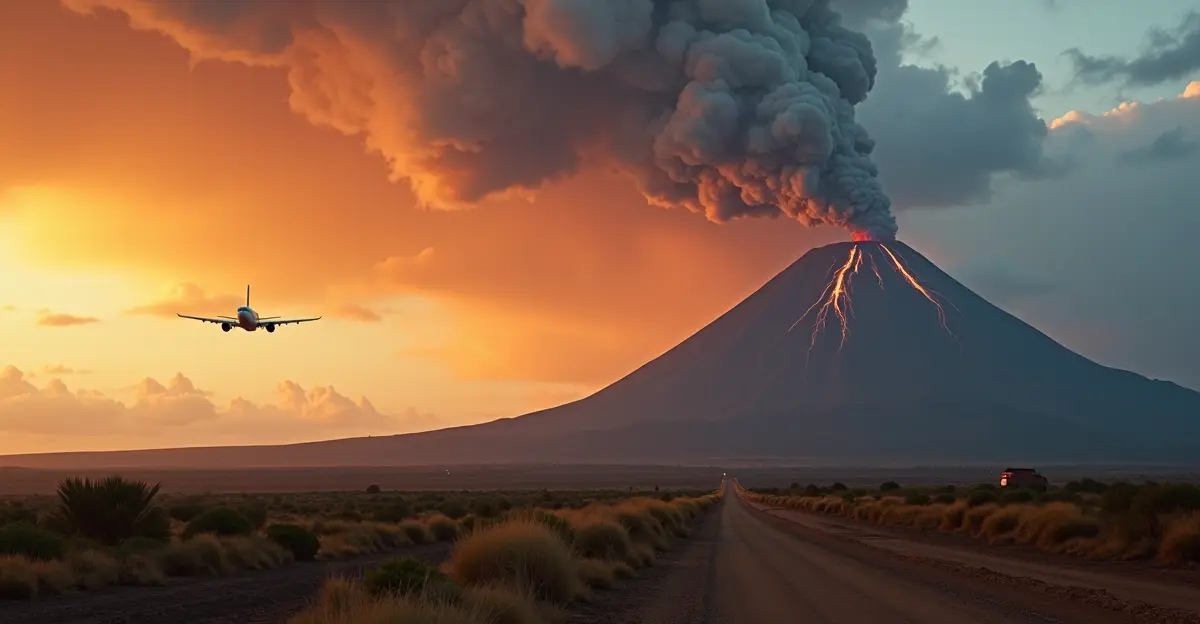
Mount Etna, Europe's most active volcano, erupted violently on July 5, 2026, sending a massive ash cloud 4,500 meters into the sky and forcing the complete closure of Catania-Fontanarossa Airport (CTA) in Sicily. The eruption, which intensified overnight from Sunday, has paralyzed air travel to and from Sicily's busiest airport for a third consecutive day, affecting thousands of summer travelers.
Etna Eruption: What Happened?
Mount Etna's Voragine summit crater opened a new fissure on June 26, 2026, prompting Italy's Civil Protection to raise the alert level from green to yellow. The situation escalated dramatically on July 5 when Strombolian activity—bursts of lava and hot rock—intensified, producing a dense ash plume that drifted south-southeast directly over Catania Airport's approach paths. The Italian National Institute of Geophysics and Volcanology (INGV) raised the aviation alert to red, the highest level, as ash emissions continued unabated.
The volcanic ash aviation hazard is well-documented: ash particles can cause jet engine failure, abrade cockpit windows, and contaminate fuel and hydraulic systems. The Toulouse Volcanic Ash Advisory Center (VAAC) issued ongoing advisories to help airlines assess risks and reroute flights.
Catania Airport Closure: Flights Disrupted
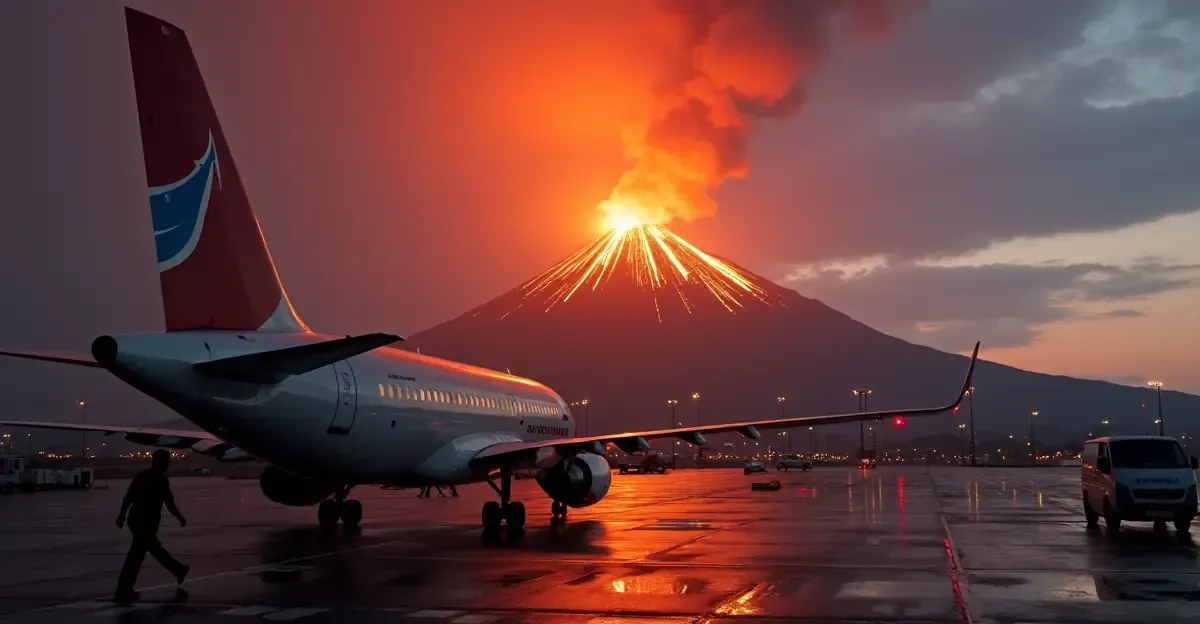
Catania Airport, located approximately 45 kilometers from Mount Etna, suspended all arrivals and departures from July 5 onward. As of July 7, a potential partial reopening is planned for 10:00 AM local time, but only with a severely limited capacity of five aircraft movements per hour, pending successful ash clearance from runways.
Airlines affected include Ryanair, easyJet, ITA Airways, British Airways, Wizz Air, KLM, and Lufthansa. Over 33 flights were diverted to Palermo Airport (PMO) on July 5 alone—a journey of approximately five hours by bus from Catania. Other diversions landed at Comiso and Trapani airports.
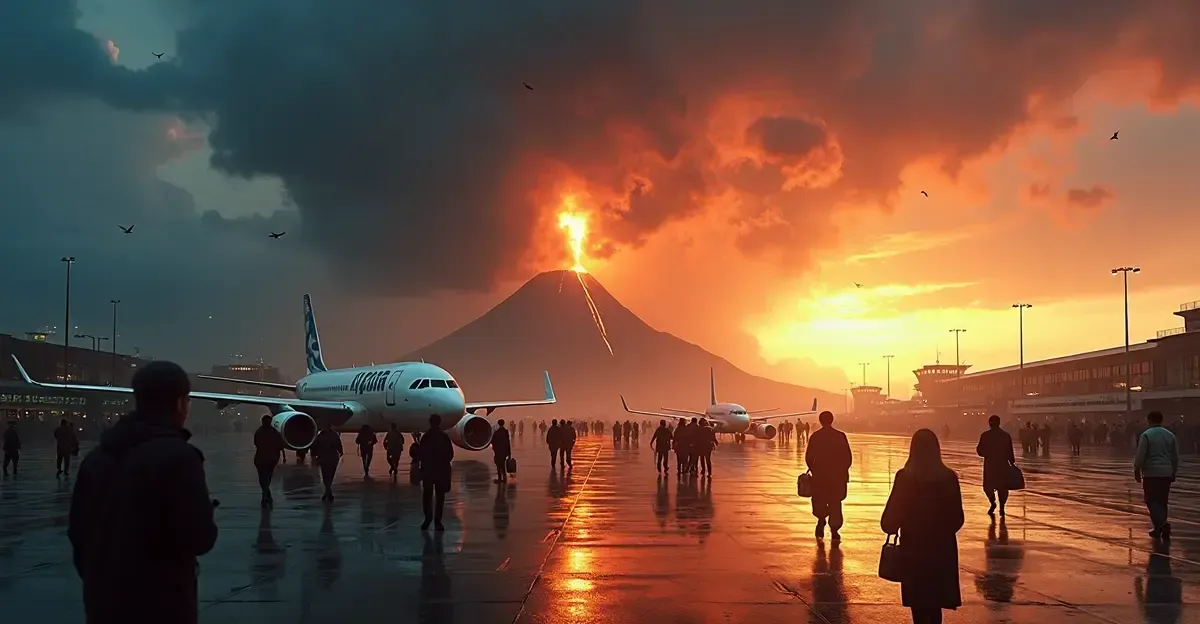
Passengers have reported chaotic scenes at Catania and Palermo airports, with long queues for rebooking and limited information. Airport crews are using specialized equipment to sweep volcanic ash from runways, a complex and time-consuming process.
Passenger Rights Under EU Law
Under EU Regulation 261/2004, passengers affected by the Catania flight cancellations and delays have specific rights. However, volcanic eruptions are classified as extraordinary circumstances, meaning airlines are not required to pay cash compensation (typically €250–€600 per passenger).
Nevertheless, passengers are entitled to:
- Full refund of their ticket or rebooking on the next available flight at no extra cost
- Duty of care: meals and refreshments proportional to waiting time, plus hotel accommodation if an overnight stay becomes necessary
- Transport between the airport and hotel
Travel experts recommend keeping all receipts and contacting airlines via their websites or social media, as phone lines are overwhelmed. The EU261 passenger rights guide provides detailed information on claiming entitlements.
Impact on Sicily Travel and Tourism
The Etna eruption comes at the peak of Sicily's summer tourism season. Catania Airport is the main gateway for visitors to eastern Sicily, including destinations such as Taormina, Syracuse, and the Etna National Park itself. The disruption is causing significant economic ripple effects for hotels, tour operators, and local businesses.
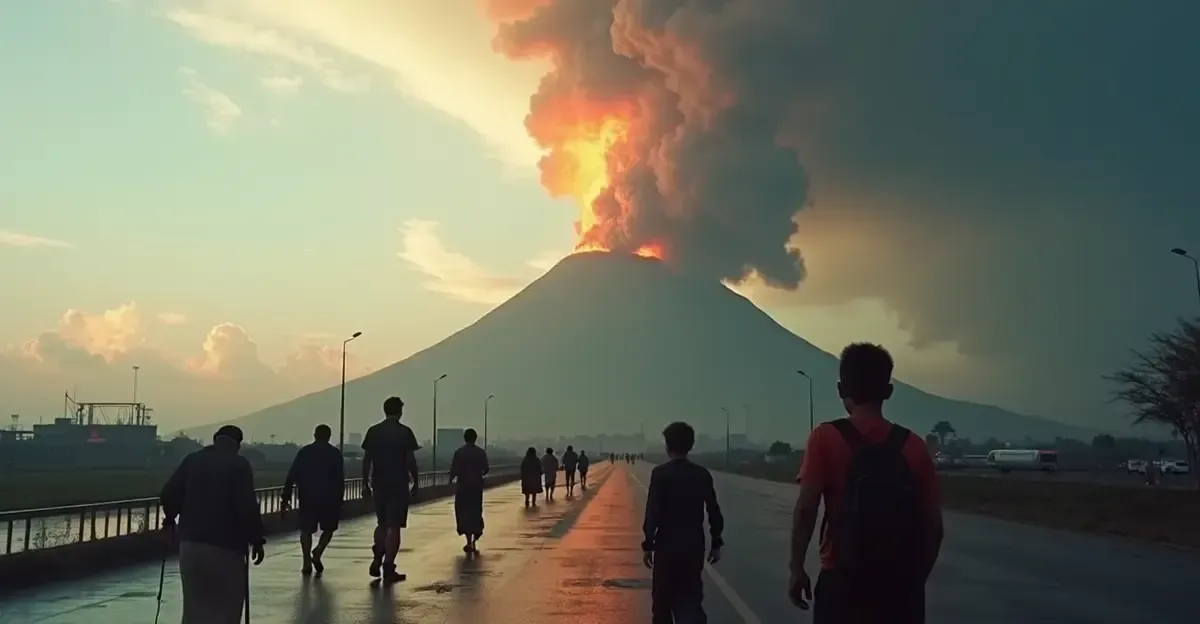
Sicilian Regional President Renato Schifani has promised organized transport for stranded passengers, with buses running between Palermo and Catania. However, with Palermo Airport also handling diverted flights, capacity is stretched thin.
For travelers currently in Sicily or planning to visit, experts advise:
- Check flight status directly with your airline before traveling to any airport
- Consider alternative airports such as Palermo, Comiso, or Trapani
- Verify travel insurance coverage for volcanic eruption disruption
- Keep all receipts for expenses incurred due to delays
The Sicily travel disruption advice page offers additional tips for affected tourists.
Mount Etna: A Persistent Threat
Mount Etna, standing at 3,403 meters (11,165 feet), is one of the world's most active volcanoes. It has been in an almost constant state of activity for decades, with major eruptions causing airport closures in 2023, 2024, and 2025. The volcano's fertile slopes support extensive agriculture, but its proximity to Catania—a city of over 300,000 people—makes it a constant hazard.
The current eruption is centered at the Voragine crater, which in 2024 overtook the southeastern crater as Etna's tallest point. INGV scientists continue to monitor seismic activity, gas emissions, and ground deformation to predict future behavior.
Frequently Asked Questions
Is Catania Airport open now?
As of July 7, 2026, Catania Airport remains closed to all traffic. A partial reopening is tentatively scheduled for 10:00 AM local time, but this depends on successful ash clearance and favorable wind conditions.
Can I get compensation for my cancelled flight?
Under EU261, volcanic eruptions are considered extraordinary circumstances, so airlines are not required to pay cash compensation. However, you are entitled to a full refund or rebooking, plus meals and accommodation if needed.
Which airlines are affected?
All airlines operating at Catania Airport are affected, including Ryanair, easyJet, ITA Airways, British Airways, Wizz Air, KLM, and Lufthansa. Check your airline's website for specific flight status.
How far is Catania Airport from Mount Etna?
Catania-Fontanarossa Airport is located approximately 45 kilometers (28 miles) south of Mount Etna's summit. The ash cloud drifted directly over the airport's flight paths.
What should I do if I'm stranded in Sicily?
Contact your airline for rebooking or refund. If you need accommodation, keep receipts for reimbursement. Consider ground transport options such as buses or trains to other airports or your final destination.
Sources
This article is based on reports from NOS, Euronews, the Daily Mirror, TravelTourister, DeepArrival, FlyMag, and the Italian National Institute of Geophysics and Volcanology (INGV).

Follow Discussion