


 Deutsch
 English
 Español
 Français
 Nederlands
 Português


 Share
Share




What Caused the Nationwide Deutsche Bahn Shutdown?
On the evening of June 23, 2026, Deutsche Bahn (DB) halted all train services across Germany due to a critical failure in the GSM-R (Global System for Mobile Communications for Railways) digital radio system. The outage, which began around 21:59 local time, left thousands of passengers stranded at stations nationwide and caused widespread travel chaos. The GSM-R system is the backbone of railway communication, enabling voice and data exchange between train drivers and traffic control centers. Without it, safe train operations became impossible, forcing DB to implement an unprecedented complete halt of all rail traffic.
What is GSM-R and Why Is It Critical?
GSM-R is an international wireless communications standard specifically designed for railway operations. It is a sub-system of the European Rail Traffic Management System (ERTMS) and is used for communication between trains and regulation control centers. The system supports high-speed operations up to 500 km/h and provides essential features such as group calls, voice broadcast, emergency call pre-emption, and continuous data links for the European Train Control System (ETCS). In Germany, the GSM-R network consists of approximately 3,000 to 4,000 base stations, ensuring coverage across the entire railway network. When the system fails, train drivers cannot receive signaling information or communicate with dispatchers, making it unsafe to operate trains.
The European rail traffic management system relies heavily on GSM-R for interoperability across borders. Similar systems are used in France, Italy, and other EU member states, making this a critical infrastructure component for European rail transport.
Timeline of Events
Deutsche Bahn reported the outage at approximately 22:30 local time on June 23. By midnight, technicians were working urgently to resolve the issue. Around 00:30 on June 24, the first trains began to resume service, according to the German press agency DPA. However, DB warned that it could take until 06:00 local time for services to return to normal schedules. Passengers were advised to expect significant delays and short-notice cancellations throughout the morning.
During the outage, DB issued taxi and hotel vouchers to affected passengers at major stations such as Cologne Central Station, where around 200 travelers received accommodation. The company also offered replacement transport where possible.
Impact on Passengers and Rail Operations
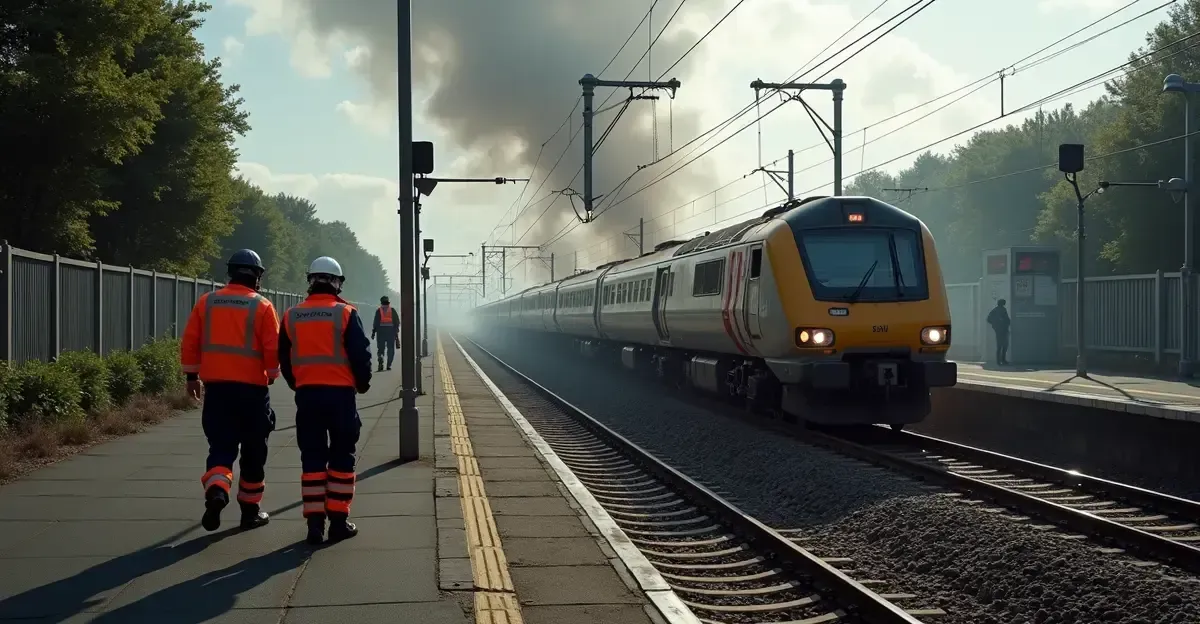
The shutdown affected all long-distance, regional, and S-Bahn services across Germany. Major hubs including Berlin Hauptbahnhof, Frankfurt, Munich, and Hamburg experienced crowded concourses as trains were held at stations. Social media was flooded with reports from stranded travelers seeking information. DB's customer service channels were overwhelmed, and many passengers faced uncertainty about alternative travel options.
This incident highlights the vulnerability of modern railway systems to single points of failure in critical communication infrastructure. The GSM-R communication system failure exposed how dependent rail networks are on digital technologies. While DB has backup procedures, the complete loss of GSM-R left no viable alternative for safe train operation.
Technical Details and Recovery Efforts
DB's IT experts worked through the night to identify and fix the root cause of the GSM-R outage. The company did not immediately disclose the specific reason for the failure, but confirmed it was technical in nature. Engineers rebooted systems and restored connectivity gradually. By early morning, service was resuming, but DB cautioned that residual delays would persist.
The GSM-R system is designed with redundancy, including overlapping base station coverage every 7–15 km. However, a widespread software or network core failure can still bring down the entire system. This event underscores the need for robust disaster recovery planning and potentially transitioning to next-generation systems like LTE-R or 5G-based FRMCS (Future Railway Mobile Communication System).
What Does This Mean for European Rail Travel?
The disruption raises questions about the resilience of cross-border rail infrastructure. Since GSM-R is standardized across 38 countries, including all EU member states, a similar failure could theoretically impact other nations. The European railway communication standards are under review as part of the FRMCS program, which aims to move toward 5G-based solutions. This incident may accelerate investment in more resilient, modern communication systems for railways.
GSM-R has been in service since the early 2000s, and while it has proven reliable, aging infrastructure and increasing data demands are pushing the technology to its limits. The shift to LTE-R and eventually 5G NR could provide higher bandwidth, lower latency, and better redundancy.
Frequently Asked Questions
What is GSM-R?
GSM-R (Global System for Mobile Communications for Railways) is a secure digital communication system used for voice and data exchange between train drivers, dispatchers, and control centers. It is essential for safe railway operations and is part of the European Rail Traffic Management System (ERTMS).
Why did Deutsche Bahn halt all trains?
DB halted all trains because the GSM-R system failed nationwide. Without this communication system, train drivers cannot receive signaling information or communicate with traffic control, making it unsafe to operate trains.
How long did the disruption last?
The outage was reported at 22:30 on June 23, 2026, and service began resuming around 00:30 on June 24. Full normal service was expected by 06:00, though delays continued into the morning.
Could this happen in other countries?
Yes, GSM-R is used in 38 countries worldwide, including all EU member states. A similar software or network core failure could potentially disrupt rail services in other nations that rely on the same system.
What is being done to prevent future outages?
Deutsche Bahn is investigating the root cause and implementing fixes. Long-term, the railway industry is working on transitioning to more modern systems like LTE-R and 5G-based FRMCS, which offer improved resilience and redundancy.


Follow Discussion