


 Deutsch
 English
 Español
 Français
 Nederlands
 Português


 Share
Share




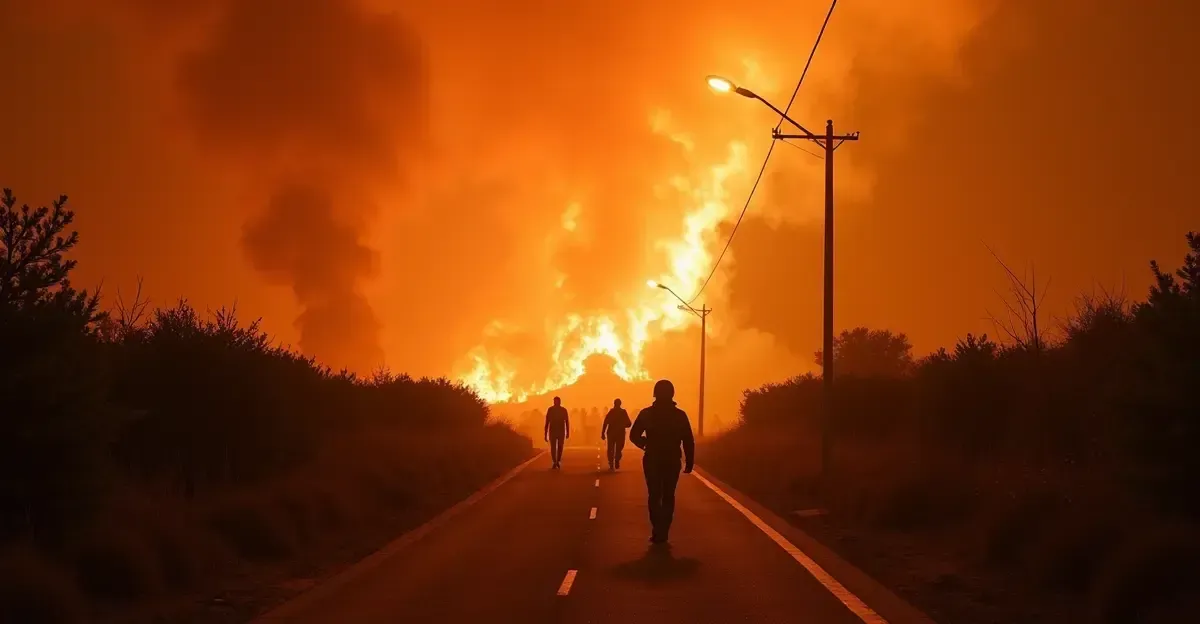
A massive wildfire raging in southern Spain's Andalusia region has already consumed 8,000 hectares and is threatening to spread toward the city of Seville, authorities warned on Sunday. The blaze, which ignited near the historic town of Niebla in Huelva province on Thursday, has forced the evacuation of 467 residents as shifting winds and tinder-dry vegetation complicate containment efforts.
Firefighters Battle 'Extremely Complex' Conditions
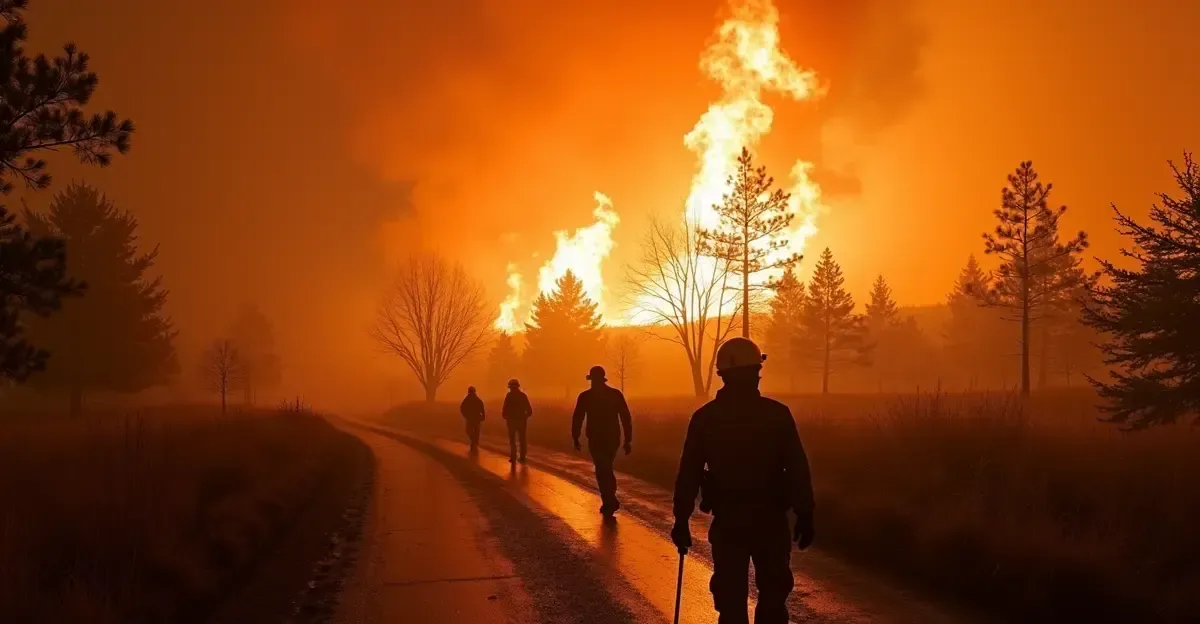
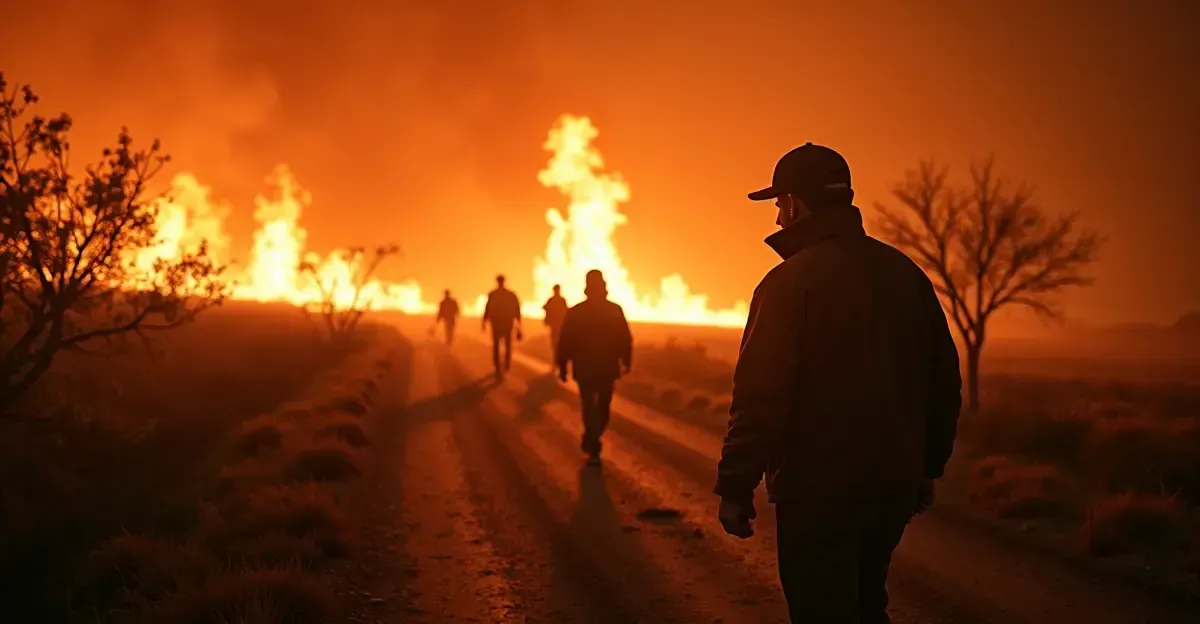
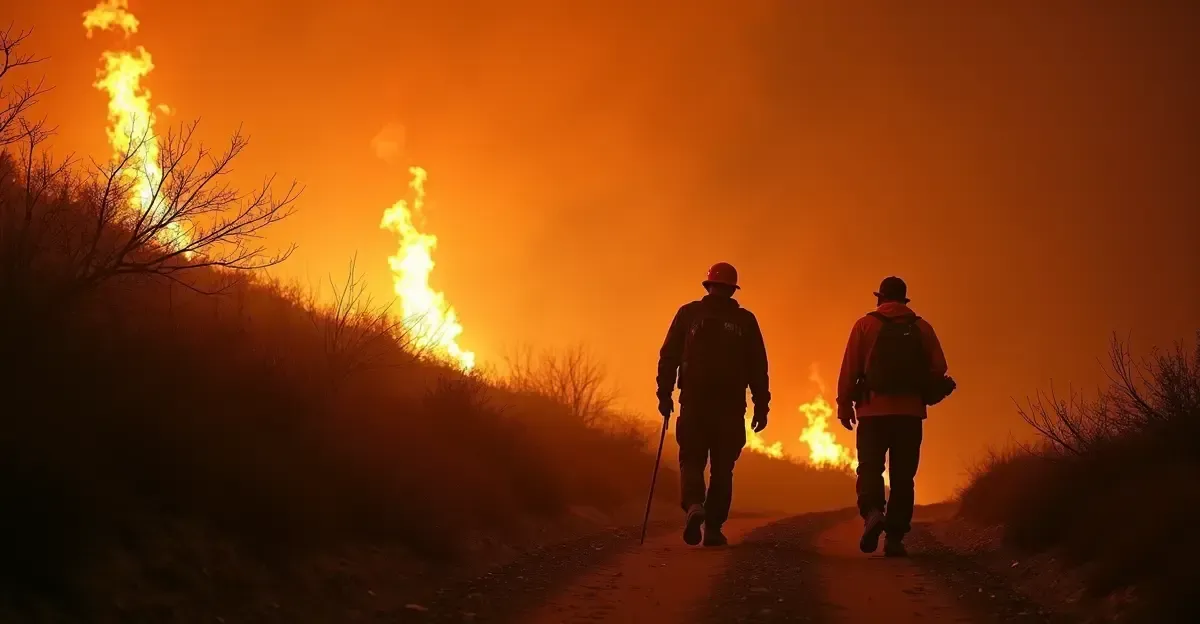
The fire remains at Operational Level 2 on Andalusia's emergency scale, with regional officials describing the situation as "extremely complex" due to unpredictable wind shifts and flying embers. Around 500 firefighters and emergency personnel are deployed, supported by 26 firefighting aircraft and heavy machinery. The Spanish Military Emergency Unit (UME) has contributed 60 soldiers to the operation.
"We are talking about winds of about 30 to 35 kilometers per hour in the middle of the day," Francisco Toscano, the central government's representative in Andalusia, told El País. The wind direction over the coming hours will be critical in determining whether the fire crosses the Tinto River and advances into Seville province.
Authorities have already begun constructing defensive firebreaks to protect populated areas. The blaze has affected terrain in at least six municipalities, burning through eucalyptus plantations, pine woodlands, and the region's characteristic dehesa landscapes. Two firefighters have been injured but have since been discharged from hospital.
Wildfire evacuation protocols in Europe have been activated for several settlements, including Berrocal, Marigenta, El Membrillo, El Pozuelo, La Florida, Las Arenas, and El Manzanito. Roads HU-3106 and A-493 have been cut to facilitate emergency operations.Climate Change Fuels Europe's Intensifying Fire Seasons
The Niebla fire is the latest in a string of devastating blazes across Spain this summer. Earlier in July, the country experienced its largest wildfire on record—a 44,000-hectare inferno spanning Ávila, Madrid, and Toledo that forced 80,000 evacuations. A recent World Weather Attribution study found that human-caused climate change made the hot, dry conditions behind Spain's record fires at least 20 times more likely.
Scientists point to a phenomenon called "weather whiplash"—an exceptionally wet spring that spurred abundant plant growth, followed by record-breaking heat and drought that transformed that vegetation into highly flammable fuel. Southern Europe now experiences approximately 25 extreme fire-weather days per year, more than double the average of the 1981–2010 period, according to research published in Scientific Reports.
Climate change impact on Mediterranean wildfires has overwhelmed improvements in fire suppression, scientists warn. "Climate change is not a future threat—it is already here, and burning fossil fuels will only worsen fire conditions," the attribution study concluded.Regional and International Response
Andalusia's wildfire fighting agency, Plan Infoca, has deployed 275 ground personnel, 94 vehicles, seven bulldozers, a medical unit, and a dedicated meteorological team. Support has also arrived from neighboring Extremadura's Plan Infoex. Vice-President Sara Aagesen is scheduled to visit the Advanced Command Post to assess the situation.
The Spanish government's emergency alert system, ES-Alert, was activated to order evacuations. Approximately 340 residents received immediate evacuation orders on Saturday evening, adding to those displaced earlier. No timetable has been set for their return, as Spanish emergency response systems remain on high alert.
FAQ
Where is the wildfire burning in Spain?
The wildfire is burning near Niebla, in Huelva province, Andalusia, southwestern Spain. It is approximately 70 kilometers west of Seville and threatens to spread toward Seville province if it crosses the Tinto River.
How many people have been evacuated?
As of August 9, 2026, a total of 467 residents have been evacuated from several population centers, including Berrocal, Marigenta, El Membrillo, El Pozuelo, La Florida, Las Arenas, and El Manzanito.
How large is the Andalusia wildfire?
The fire has burned approximately 8,000 hectares (80 square kilometers) of eucalyptus plantations, pine woodlands, and dehesa across at least six municipalities.
What is causing the fire to spread so quickly?
The primary factors are shifting winds of 30–35 km/h, extremely dry vegetation following prolonged drought and heat, and the difficulty of accessing the rocky, rugged terrain. Climate change has significantly amplified these fire-prone conditions.
Is Seville in danger from the wildfire?
Authorities are working to prevent the fire from crossing the Tinto River. If wind conditions push the blaze across the river, it could advance into Seville province. Defensive firebreaks are being constructed as a precaution.

Follow Discussion