


 Deutsch
 English
 Español
 Français
 Nederlands
 Português


 Share





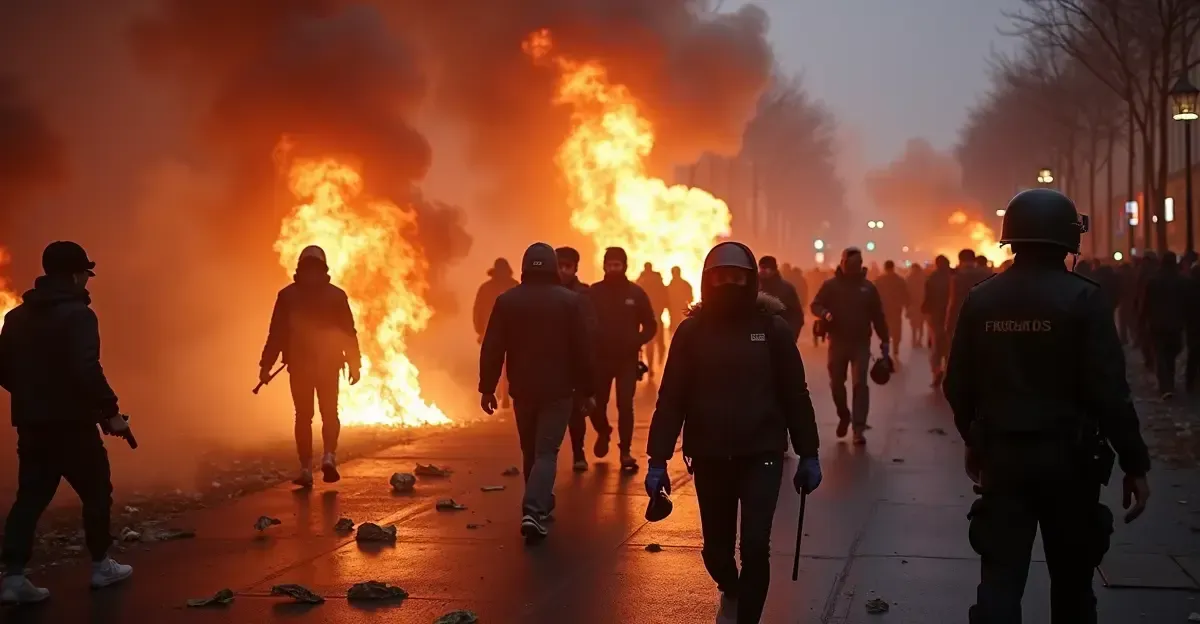
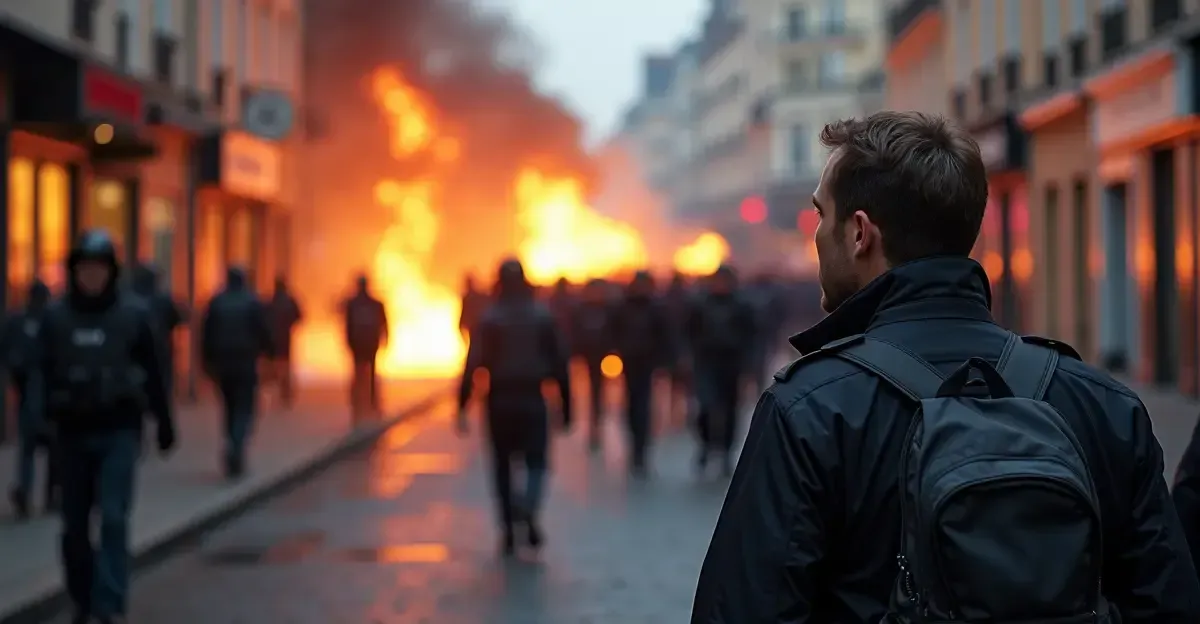
Frankfurt riots erupted late on October 31, 2026, after a day of largely peaceful Gen Z protests across Germany, leaving around 100 people arrested, shops looted, and fires burning along the city's main shopping street. The violence in Frankfurt, Germany's financial hub, marked the most severe escalation among demonstrations that drew tens of thousands to the streets in at least 34 cities, according to NOS.
Background: Why Were People Protesting?
The demonstrations were organised by the youth campaign group Gen Z regelt ('Gen Z takes charge'), which demanded better education, lower living costs, and an end to compulsory military service. Organisers said about 100,000 people participated nationwide, though police in Frankfurt, Munich and Berlin counted up to 18,000. The protests coincided with Halloween and were largely festive during the day. The German youth-led protest movement has drawn inspiration from similar actions in France and Italy.
What Happened in Frankfurt?
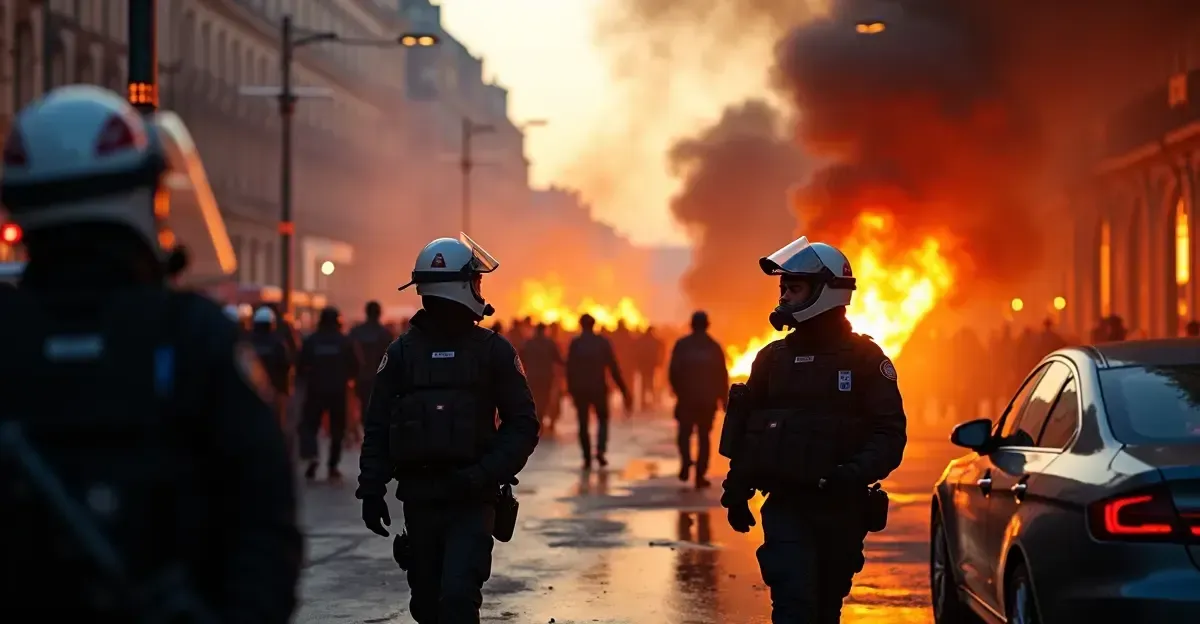
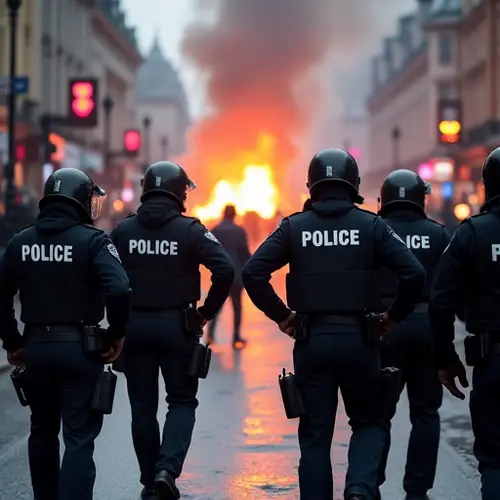
Windows were smashed, shops were looted, and fires were started in the evening, according to police. The Zeil, a kilometre-long shopping street and one of Germany's busiest, was completely closed. A special police unit remained active late into the night, and around 100 people were arrested. Police said officers were pelted with Molotov cocktails, fireworks, stones and bottles; several officers were injured. German newspaper Die Welt reported that a gun shop was also looted, and two weapons were seized.
Hesse premier Boris Rhein condemned the violence, saying: 'Everyone who behaves like the attackers in the centre of Frankfurt places themselves outside our society.' Interior minister Roman Poseck added: 'We have seen images we did not want to see. We need quick and decisive action against those who ignore our rules and attack our entire society.' Poseck blamed left-wing extremists and violent youths, stating that left-wing extremist infiltration was a key factor in turning peaceful rallies violent.
Other Cities Hit by Violence
Violence also broke out in Cologne, where disturbances occurred near the cathedral and central station; police were pelted with bottles and bicycles, and five people were detained. In Berlin, 27 officers were injured and up to 56 protesters were detained after attacks with stones and fireworks. Hamburg saw 120 arrests and barricades set on fire. Incidents were also reported in Stuttgart, Bremen and Karlsruhe.
Cologne's police chief said: 'It is sad and very regrettable that young people who wanted to demonstrate peacefully for their future were today infiltrated by extremists who had nothing but violence in mind.'
Impact and Official Response
Authorities vowed to crack down on those responsible. Hesse's premier and interior minister promised punishment, while the BSK student umbrella group distanced itself from the violence and planned a separate protest on November 20. The European youth protest wave has raised concerns about broader unrest, with French authorities also watching closely after similar demonstrations in recent weeks.
FAQ: Frankfurt Riots and German Protests
What caused the Frankfurt riots?
Rioters infiltrated otherwise peaceful Gen Z protests demanding better education, lower living costs, and an end to compulsory military service. Officials blamed left-wing extremists for turning the demonstrations violent.
How many people were arrested in Frankfurt?
Around 100 people were arrested in Frankfurt, with additional arrests in Berlin, Hamburg and Cologne.
Was the Frankfurt protest peaceful during the day?
Yes, the daytime protest was largely peaceful and festive, coinciding with Halloween. Violence erupted in the evening.
Which German cities saw violence?
Frankfurt, Cologne, Berlin, Hamburg, Stuttgart, Bremen and Karlsruhe all reported incidents, with Frankfurt the most severe.
Follow Discussion