


 Deutsch
 English
 Español
 Français
 Nederlands
 Português


 Share





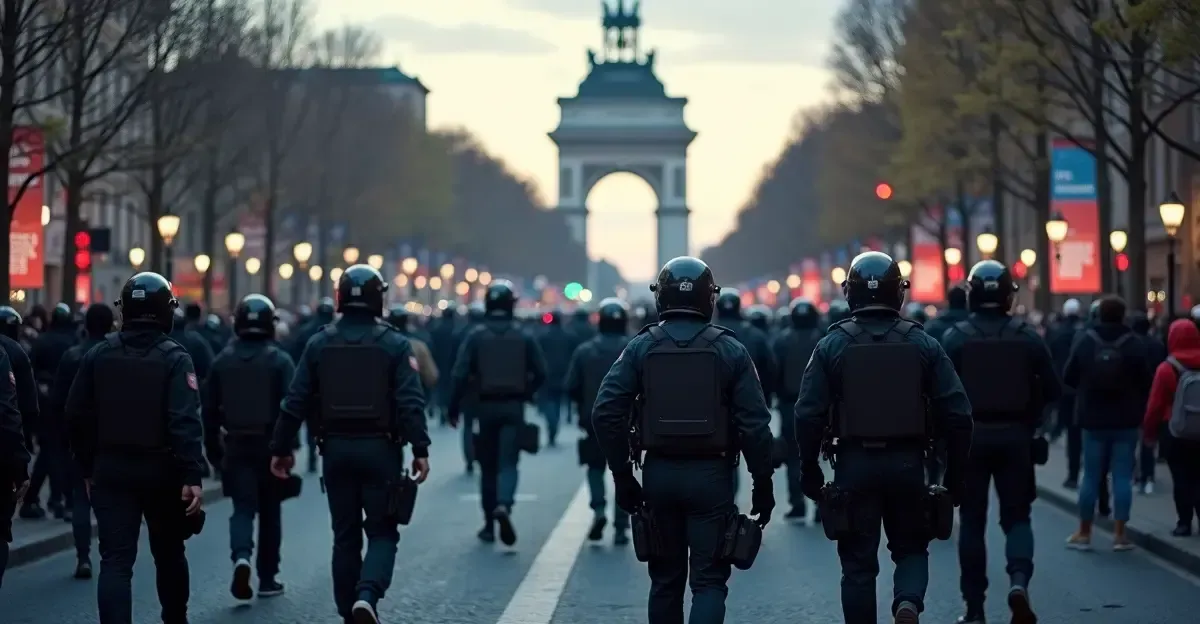
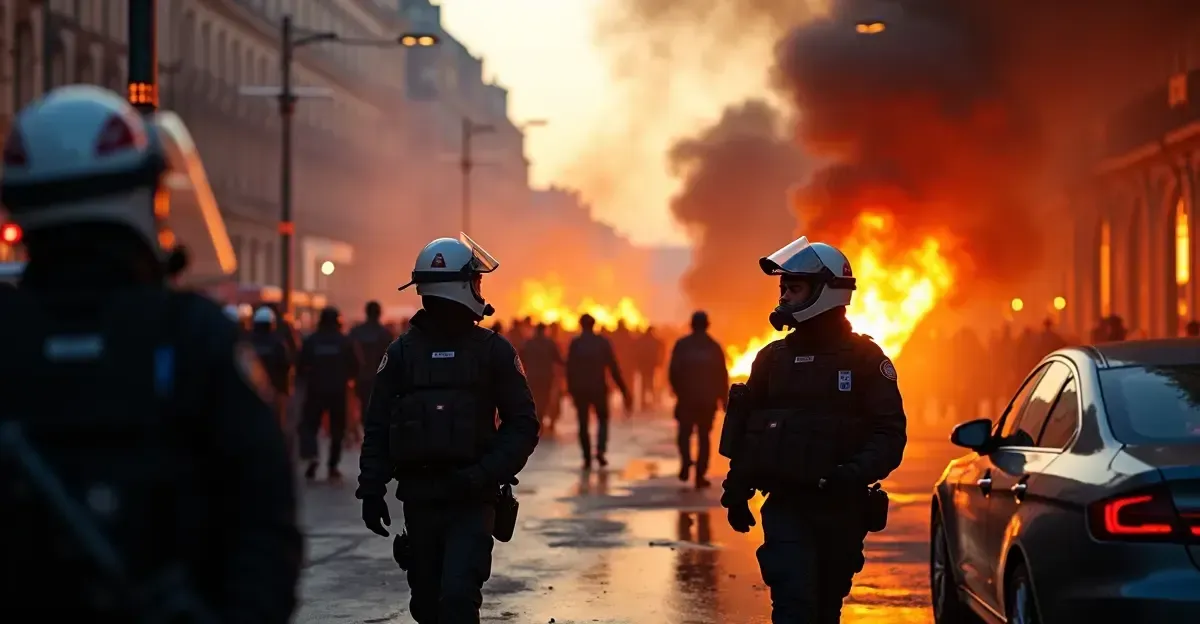
Nearly 1,000 people were arrested across France on 24 October 2026 as nationwide protests against President Emmanuel Macron’s policies descended into scattered riots, according to Interior Minister Laurent Nuñez. The France protests drew between 410,000 and 800,000 demonstrators, with police deploying 70,000 officers and army support to contain outbreaks of violence in Paris, Lyon, Marseille, Lille, Grenoble and Bordeaux.
What triggered the France protests?
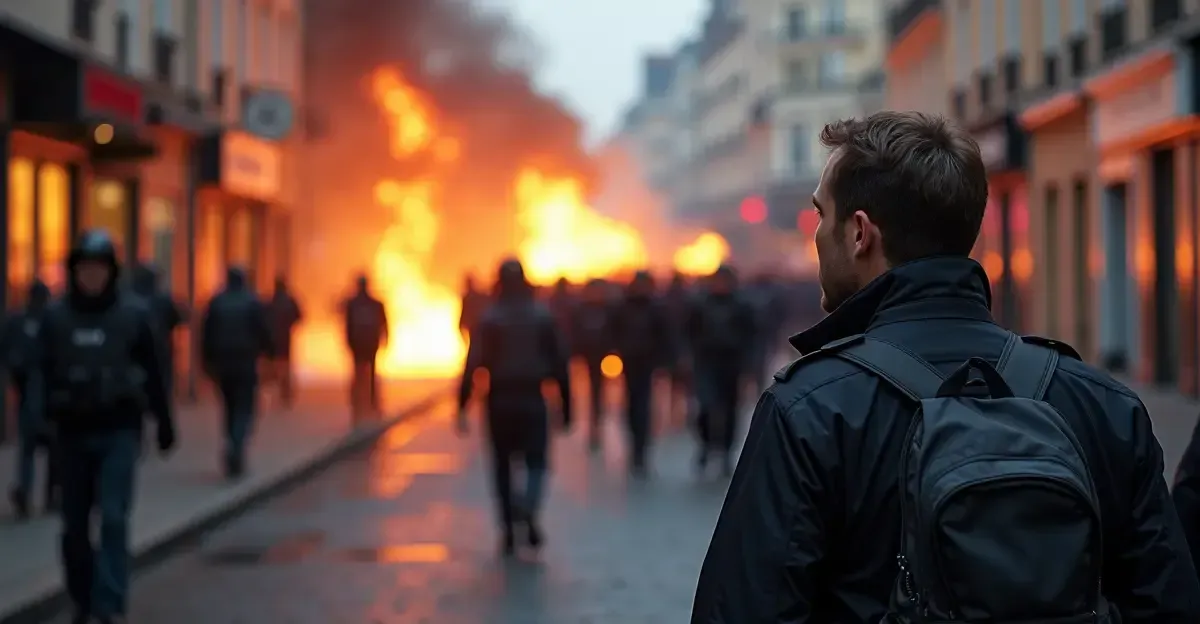
The demonstrations grew out of weeks of student-led unrest over education improvements. On 17 October, the movement broadened into a wider protest involving unions, farmers and the yellow vests opposition movement. Hundreds of thousands marched, but rioters and looters turned peaceful gatherings into widespread looting, vandalism and arson, causing hundreds of millions of euros in damage. On that day, 385 people were arrested.
The unrest reflects deepening French political unrest over Macron’s economic and social policies. Ahead of today’s marches, authorities drastically restricted demonstration rights: only trade union protests were permitted, while curfews and assembly bans were imposed in several areas.
Key developments: arrests, riots and police response
Interior Minister Nuñez said 410,000 people participated nationwide, down from 550,000 a week earlier, while unions claimed nearly 800,000 turned out. In Paris, police counted 110,000 marchers after rerouting the demonstration away from Place de la République and Place de la Bastille to a southern corridor between Porte d’Italie and Porte de Vincennes.
Where did riots break out?
- Paris: Rioters clashed with police near the end of the route; officers used water cannons and tear gas to disperse about 500 people who allegedly tried to break into a car dealership.
- Grenoble: About 400 masked individuals attacked riot police.
- Bordeaux: Demonstrators threw projectiles at police and erected barricades.
- Nice, Lyon, Marseille and Lille: Police intervened with tear gas or water cannons.
| Metric | 17 October | 24 October |
|---|---|---|
| Marchers (interior ministry) | 550,000 | 410,000 |
| Marchers (unions) | — | ~800,000 |
| Arrests | 385 | ~1,000 |
| Police deployed | — | 70,000 |
Nearly 1,000 arrests were made nationwide, and Nuñez said he expected the number to rise. He credited police intervention with preventing looting and attacks on public buildings. “This number will increase,” Nuñez said of the arrest tally.
What security measures were imposed?
To prevent a repeat of last week’s violence, authorities deployed 70,000 officers with army support. Preventive searches across the country confiscated knives, clubs, fireworks, a samurai sword, several pétanque balls, and protective gear such as filtered masks and diving goggles. Curfews and assembly bans were enforced in cities including Lille, where young people were barred from the city centre between 20:00 and 06:00, and gatherings were prohibited until 22:00. Montpellier, Nancy and Caen refused permission for protests.
Businesses boarded up storefronts, the Louvre and Musée d’Orsay closed, 24 Paris metro stations shut down, and several football matches were postponed.
What happens next?
Radical-left presidential candidate Jean-Luc Mélenchon, a driving force behind the protests, urged participants to follow the rules. He accused Prime Minister Lecornu of trying to frustrate marchers by moving the Paris route 5 kilometres at the last minute, but asked supporters not to let his provocations succeed. “Do not let his provocations succeed,” Mélenchon told supporters. The Jean-Luc Mélenchon political platform remains a focal point for opposition to Macron.
Meanwhile, the far-right Rassemblement National held its party congress in Orléans, drawing 13,000 left-wing demonstrators without major incidents. With arrests expected to climb and economic damage from riots mounting, France faces continued instability ahead of the next election cycle.
FAQ: France protests on 24 October 2026
How many people were arrested in the France protests?
Nearly 1,000 people were arrested nationwide, according to Interior Minister Nuñez, who said the number is expected to increase.
Why are people protesting in France?
The protests began over education improvements and expanded to include unions, farmers and yellow vests opposed to President Macron’s broader policies.
Which French cities saw riots?
Riots were reported in Paris, Grenoble, Bordeaux, Nice, Lyon, Marseille and Lille, with police using tear gas and water cannons.
How many police were deployed?
70,000 officers were deployed across France, supported by the army.
What restrictions were imposed on demonstrations?
Only trade union protests were allowed; curfews, assembly bans and preventive searches were enforced in several cities.
Follow Discussion