


 Deutsch
 English
 Español
 Français
 Nederlands
 Português


 Share





French President Emmanuel Macron has banned all non-union protests scheduled for Saturday 24 October 2026, a sweeping security measure after weekend riots left at least 1,500 shops looted and more than 2,300 people arrested across France. The Macron ban on non-union protests, announced after an hours-long emergency meeting with intelligence chiefs, is being framed as “common sense” by the Élysée while critics warn it could curb legitimate dissent.
What is Macron’s non-union protest ban?
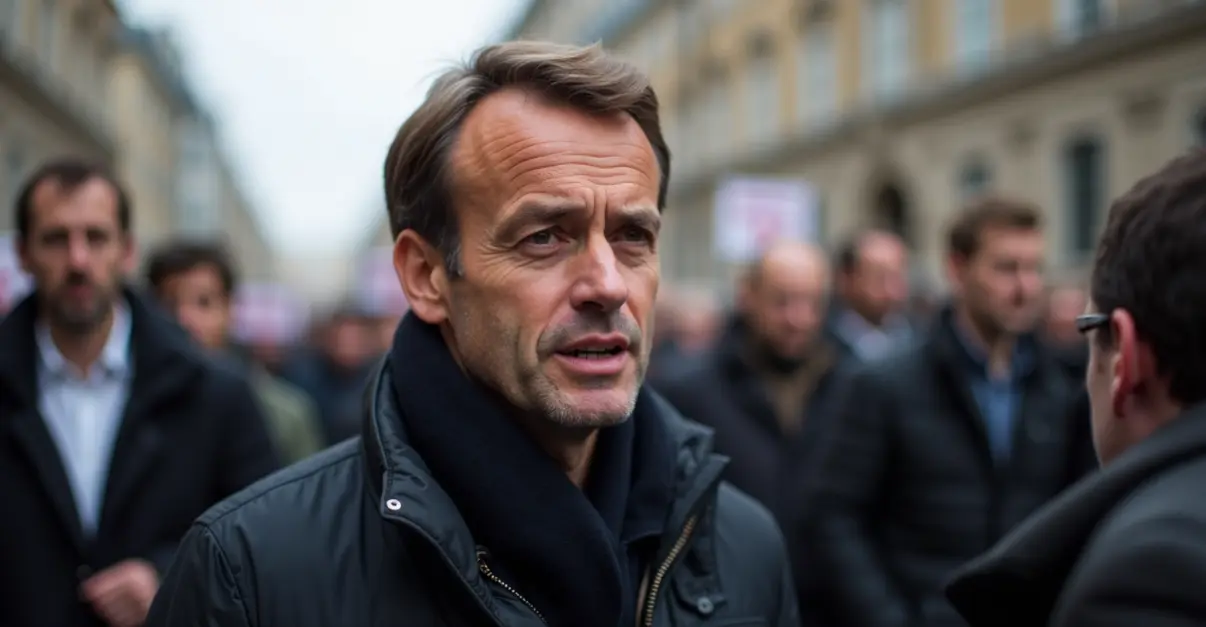
After the emergency meeting, Macron said every demonstration not organised by a recognised trade union would be prohibited on Saturday. “Wherever people demonstrate who have no right to do so, action will be taken,” he said. “We want calm to return.” He acknowledged “shortcomings” and a “lack of foresight” in preparing for the previous weekend’s rallies, which turned violent in several cities. The restriction follows a wave of French cost-of-living protests that have rocked the country for weeks.
Why did the weekend riots erupt?
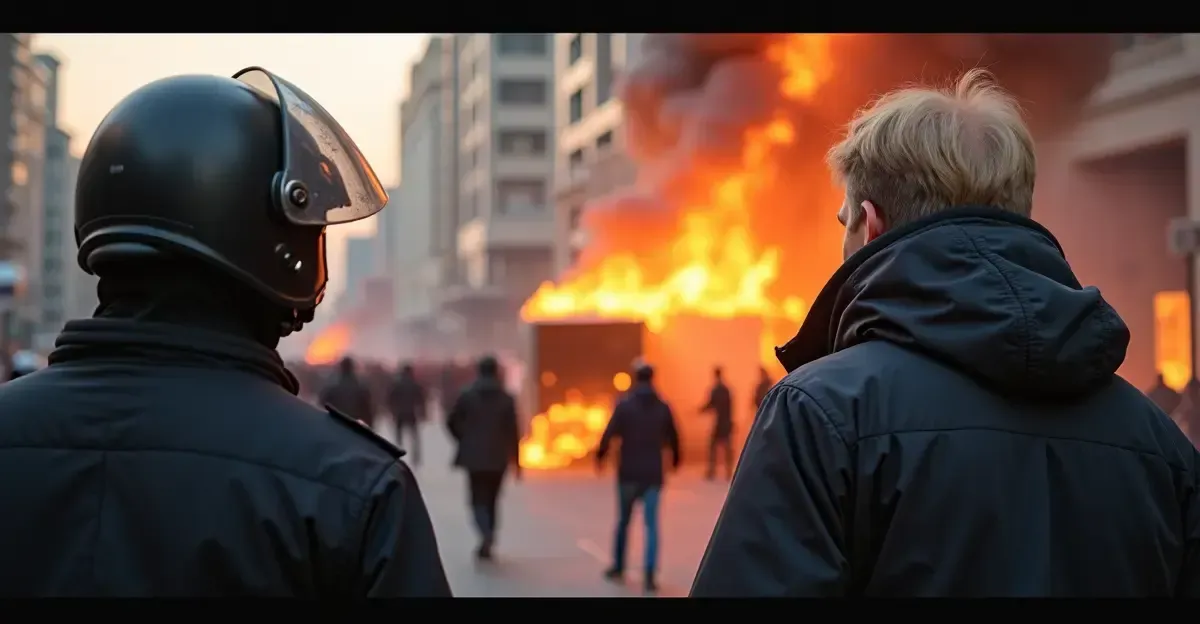
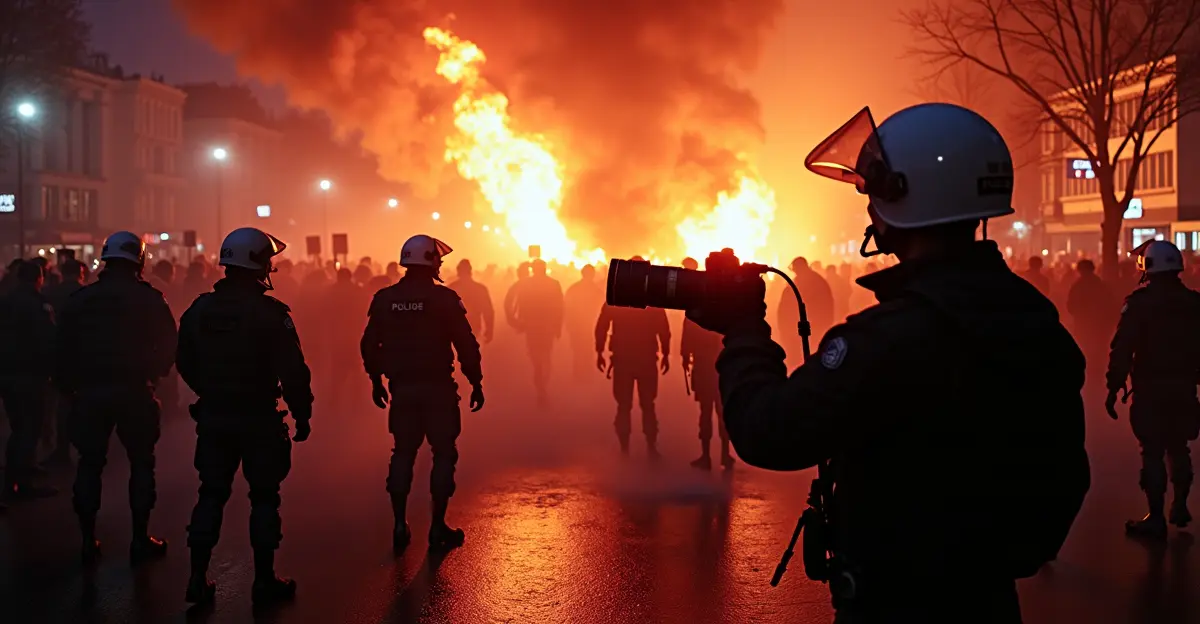
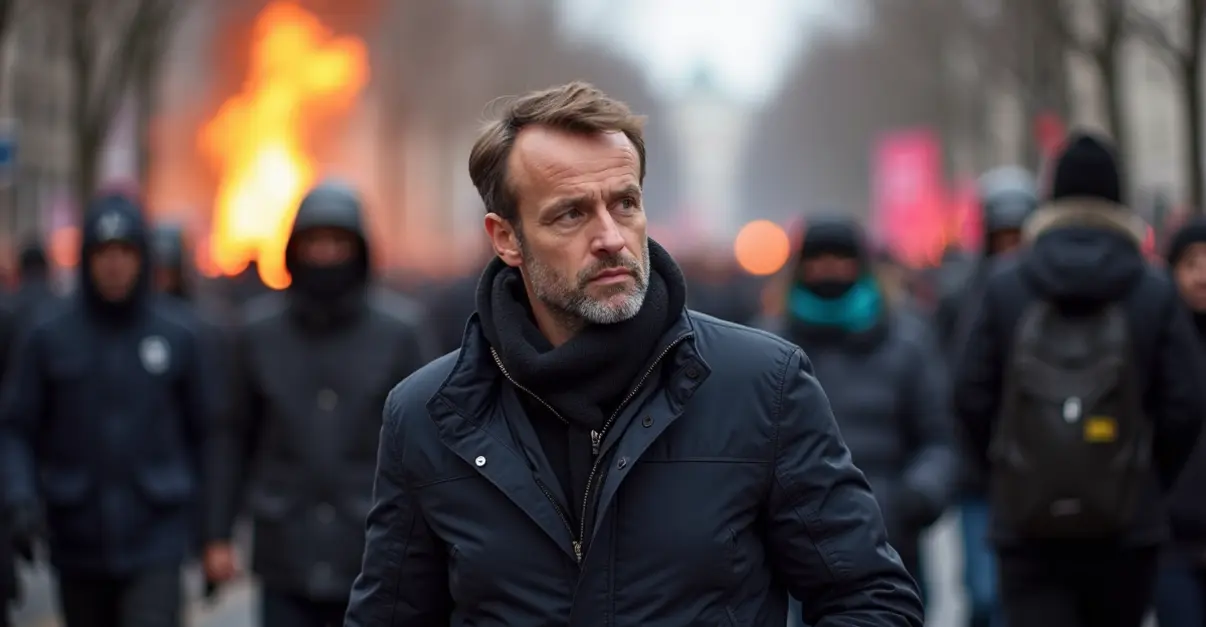
Protests over the poor state of education, high living costs and government policy drew thousands onto the streets of Paris, Lyon, Lille, Nice, Bordeaux and Marseille. At least 1,500 shops were looted, buildings were set on fire, and masked youths clashed with police. More than 2,300 people were arrested. A day later, Macron used a live television address to condemn rioters and said anyone seeking to bring down the Republic would be held accountable. He explicitly blamed “organised far-left groups” that he said wanted to overthrow the Republic with “extreme danger, a very high level of violence and careful planning.” Violence continued in Paris on Sunday.
What happened in Limoges?
Police have now arrested a second suspect, a 66-year-old man, in connection with the fire that destroyed the 19th-century city hall in Limoges. A 34-year-old man was detained on Tuesday and is also suspected of attempted murder of police officers who were inside the building when the blaze broke out. French media reported that the younger suspect belonged to a far-left group and was already known to security services. Investigators are examining whether the attack was organised in advance and who was behind it. The Limoges case has become a flashpoint in the government’s narrative about far-left groups in France.
How will Saturday’s protests be policed?
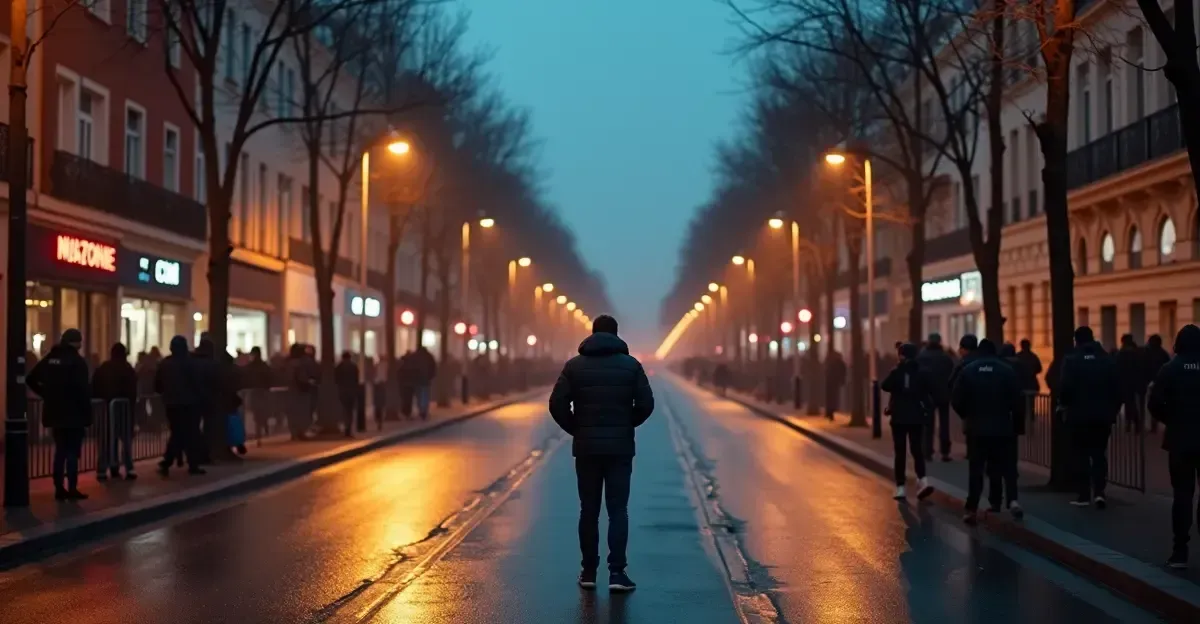
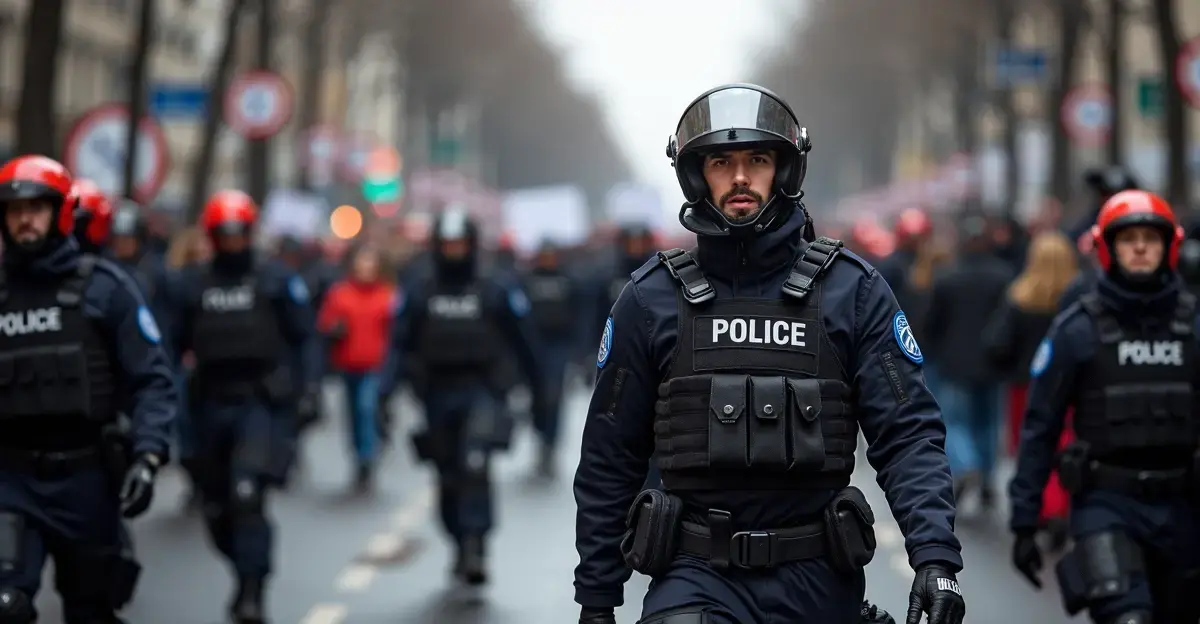
Prime Minister Sébastien Lecornu has promised a massive police presence for Saturday, and the army will be deployed to relieve pressure on security services, which Macron said are under “immense pressure.” The Paris city government has urged residents and shopkeepers to be extra alert and to remove rubbish bins, bicycles, terraces and garden furniture from public spaces before noon. The yellow vest movement in France, which began in 2018 over fuel-price rises and grew into a broader revolt over inequality, has said its activists will join Saturday’s protests.
What are the implications for France?
The ban is part of a wider clampdown. Demonstrations have been prohibited in Lyon, Marseille, Nice and Toulon, while an authorised Paris march has been barred from the city centre. Justice Minister Gérald Darmanin said 174 of the 2,500 people arrested were remanded in custody and more than 900 have been prosecuted. Partial night curfews remain in several cities, and unions plan a national action day on 5 November. The measures raise a central question: where does legitimate security end and the right to protest begin? For now, Macron is betting that the French government security crackdown will restore order before Saturday.
FAQ: Macron protest ban explained
Can unions still protest in France on Saturday?
Yes. Demonstrations organised by recognised trade unions may proceed, although some routes have been altered or moved outside city centres.
Why does Macron blame the far left?
Macron says “organised far-left groups” seeking to overthrow the Republic were responsible for the worst violence, citing careful planning and high levels of aggression.
How many people were arrested in the October 2026 riots?
More than 2,300 people were arrested after the weekend unrest, with at least 174 remanded and over 900 prosecuted, according to Justice Minister Gérald Darmanin.
Will the yellow vests join Saturday’s protests?
Yes. The yellow vest movement has announced it will take part in Saturday’s demonstrations, which are expected to be large.
Is the army being deployed in France?
Yes. Prime Minister Lecornu said the army will be sent into the streets to relieve police, with further talks scheduled for Friday.
Follow Discussion