


 Deutsch
 English
 Español
 Français
 Nederlands
 Português


 Share





Emmanuel Macron accused Donald Trump and other foreign leaders of making “stupid comments” about France's street unrest for political gain, turning a week of domestic disorder into a live diplomatic dispute with election-minded leaders. Speaking in Doha on 21 October 2026 at the end of an energy-supplier tour, Macron said “foreign manipulation of information” after Saturday's riots had produced unacceptable remarks. He did not name Trump or Israeli Prime Minister Benjamin Netanyahu directly, but told reporters the criticism came from leaders campaigning “at France's expense.”
What did Macron say in Qatar?
Macron framed the unrest as a domestic cost-of-living crisis, not an immigration failure. He cited AI-generated images and false claims of a migrant “invasion” that “never actually happened in France.” “There was no visible foreign interference in the events, but there was foreign manipulation of information afterwards,” he said. Asked whether Trump was among those he meant, Macron replied: “Among others.” Foreign Minister Jean-Noël Barrot later offered to clarify the situation to the countries concerned. The episode has reignited debate over AI-generated disinformation in European politics.
Why are French cities protesting?
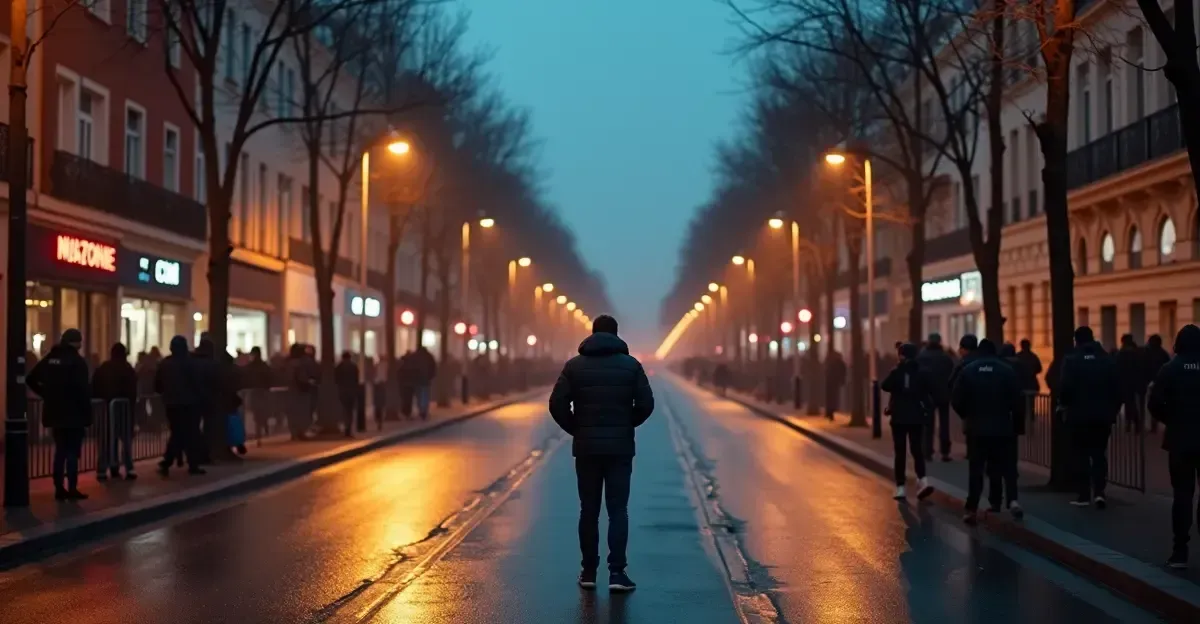
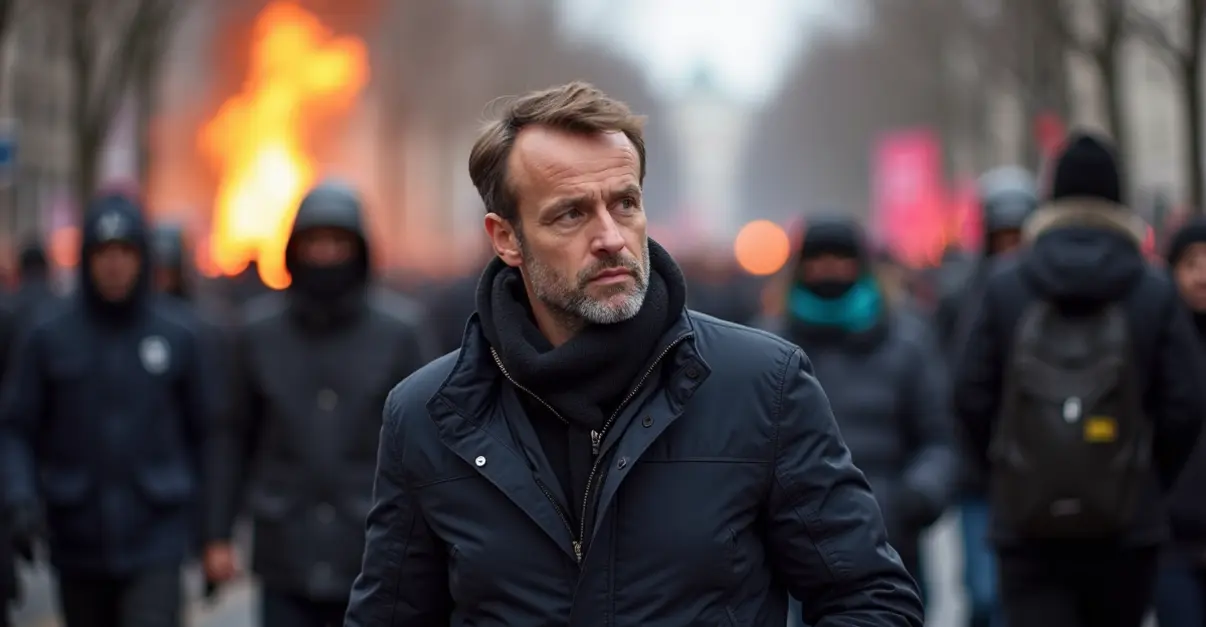
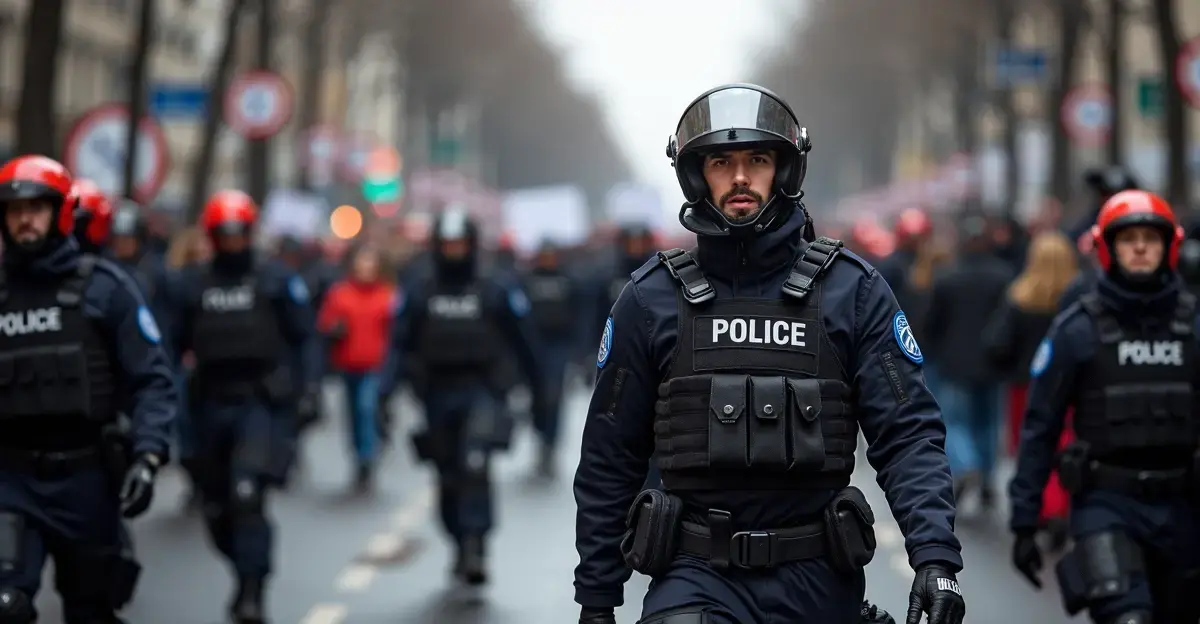
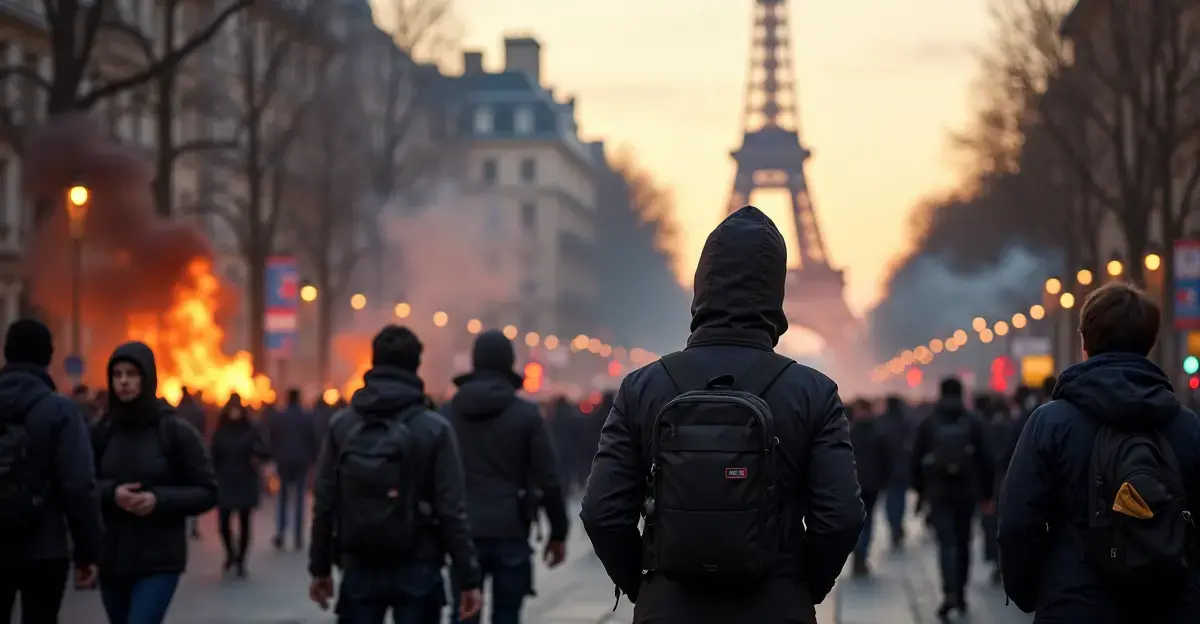
Unrest over living costs has gripped Paris, Marseille, Lyon, Nice and Limoges. In Limoges, the town hall was partly destroyed. Authorities have detained about 2,500 people and jailed 174; Paris banned rallies at key landmarks on Thursday and renewed partial curfews. Police have acknowledged “losing control” in some areas. The cost-of-living crisis in France has been building for months, but Saturday's riots marked a sharp escalation. France's 10-year bond yield passed 5 percent, and several governments issued travel warnings.
How Trump and Netanyahu responded
Trump urged Macron to “close your borders and take control before it is too late,” blaming “migrants, jihadists and communists.” Netanyahu alleged an “invasion of extremist Islam.” Both leaders face elections in the coming weeks, and Macron accused them of exploiting France for their own campaigns. Below is a comparison of the disputed claims.
| Leader | Claim | Macron's position |
|---|---|---|
| Donald Trump | Immigration caused the riots | Unsubstantiated; cost-of-living protest |
| Benjamin Netanyahu | “Invasion of extremist Islam” | Rejected as election rhetoric |
The exchange follows broader EU disinformation investigations into pro-Russian networks, Iran and Algeria suspected of amplifying false narratives.
What happens next
France is preparing for further protests this weekend, with yellow-vest and student groups planning demonstrations. Unions have called a nationwide mobilization for 5 November. Macron has vowed to prevent further disorder, but the diplomatic row could complicate France travel advisories and European coordination. Officials say they will monitor online manipulation ahead of the weekend.
FAQ
What did Macron accuse Trump of doing?
Macron accused Trump and other foreign leaders of making “stupid comments” and spreading misleading information about French riots for electoral advantage.
Why are French cities experiencing riots?
The unrest began as cost-of-living protests over high prices and living conditions, then escalated into looting and clashes in Paris, Marseille, Lyon, Nice and Limoges.
Did foreign interference cause the riots?
Macron said there was no visible foreign interference in the events themselves, but there was “foreign manipulation of information afterwards,” including AI-generated fake images.
What are the next planned protests in France?
Yellow-vest and student groups plan demonstrations this weekend, and unions have called a nationwide mobilization for 5 November 2026.
How has the EU responded?
EU regulators are examining suspected disinformation, with pro-Russian networks, Iran and Algeria suspected of amplifying false narratives about the unrest.
What this means for France and its allies
Macron's decision to confront foreign leaders publicly signals that Paris sees the information battle as part of the unrest. The clash could strain EU diplomatic tensions with Washington and Jerusalem at a sensitive moment. France must now manage both street protests and an international narrative war.
Follow Discussion