


 Deutsch
 English
 Español
 Français
 Nederlands
 Português


 Share





French authorities reported nearly 2,400 arrests after nationwide cost-of-living protests and student demonstrations turned violent on Saturday, 17 October 2026, with widespread looting and buildings set ablaze in Paris, Limoges, Lyon and Marseille. Interior ministry figures cited by the BBC put turnout at 550,000 people, including 110,000 in Paris, while police unions said almost 1,000 officers and firefighters were injured. The unrest marks the sharpest escalation of France's autumn protest wave, combining high-school grievances over school conditions with anger over fuel prices, low wages and a fraying social welfare system.
What Happened During Saturday's Protests?
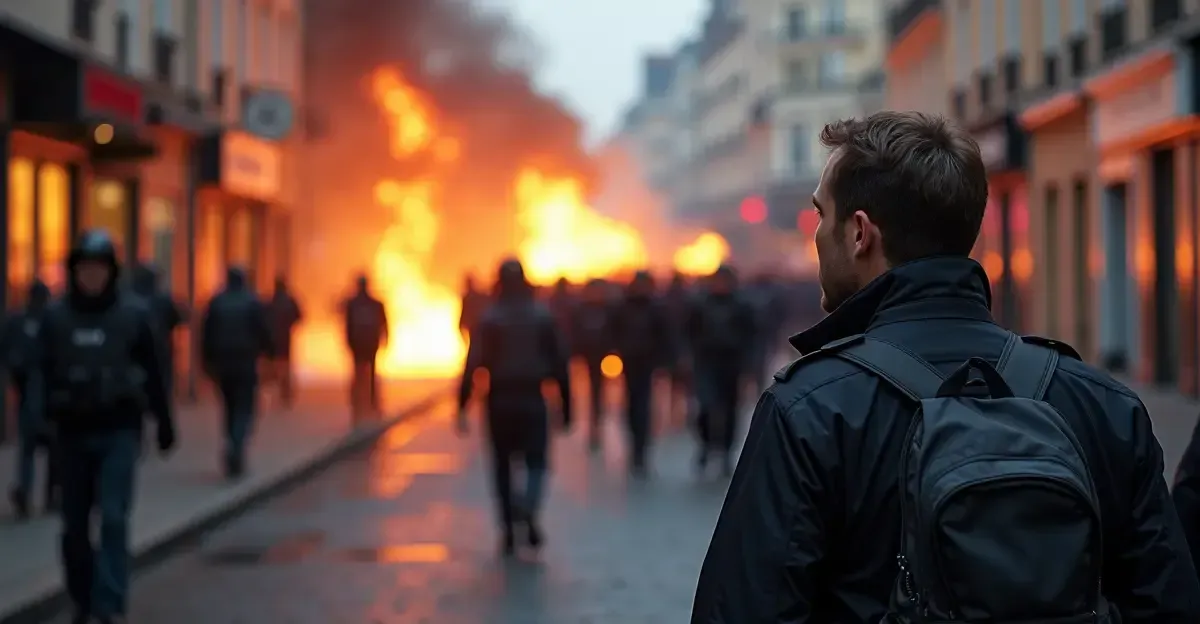
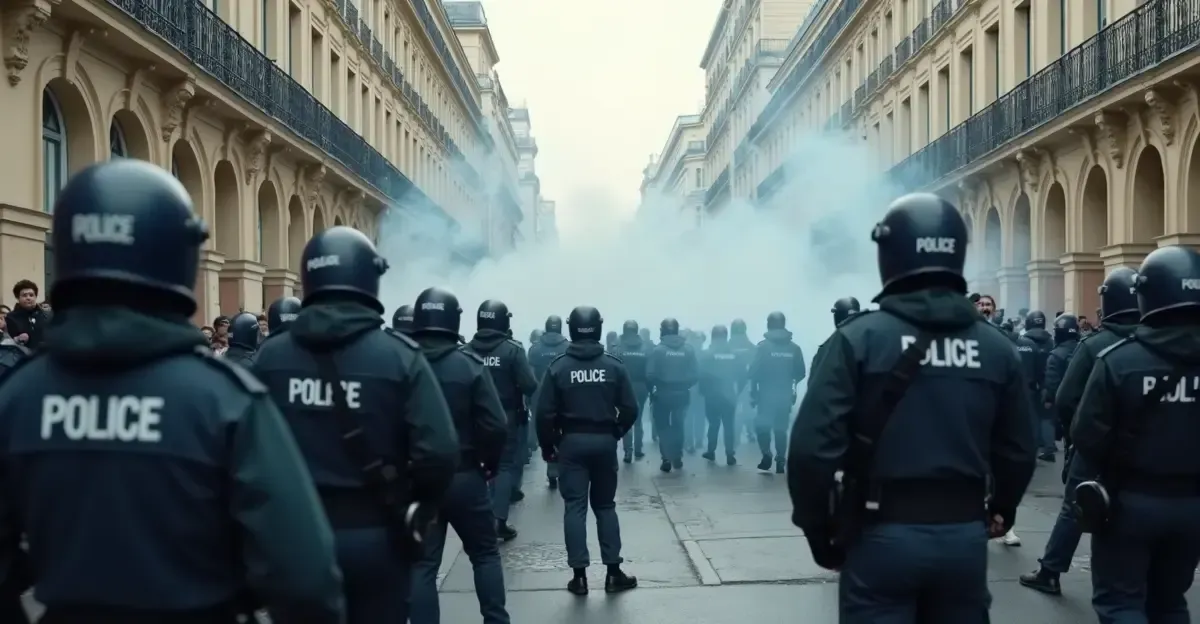
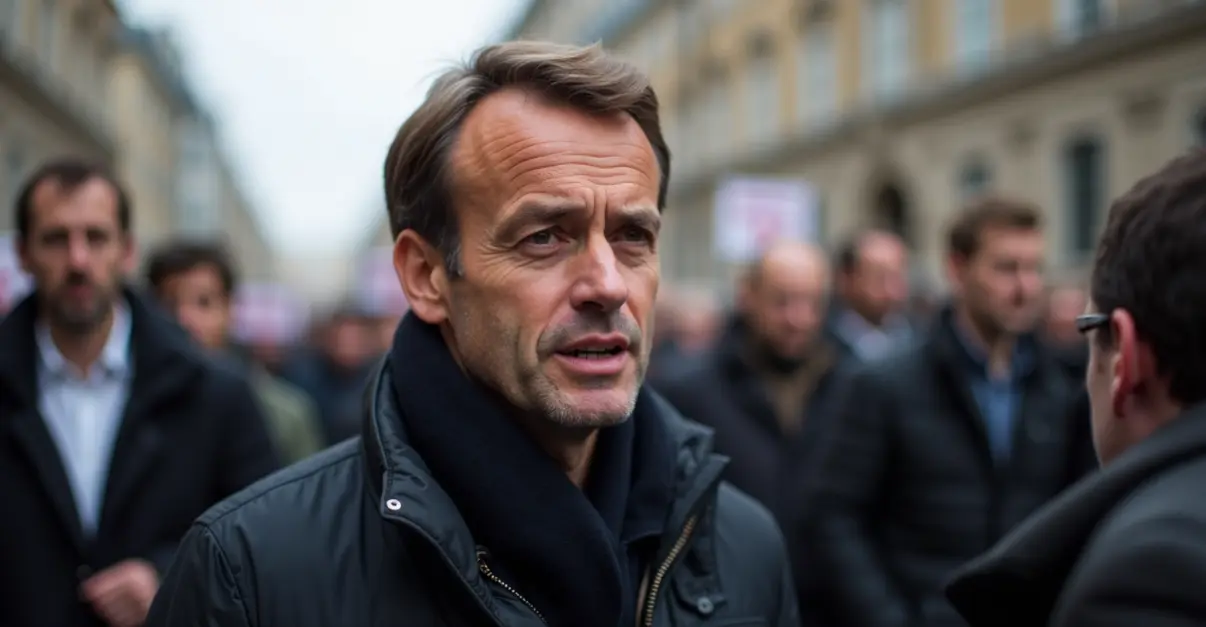
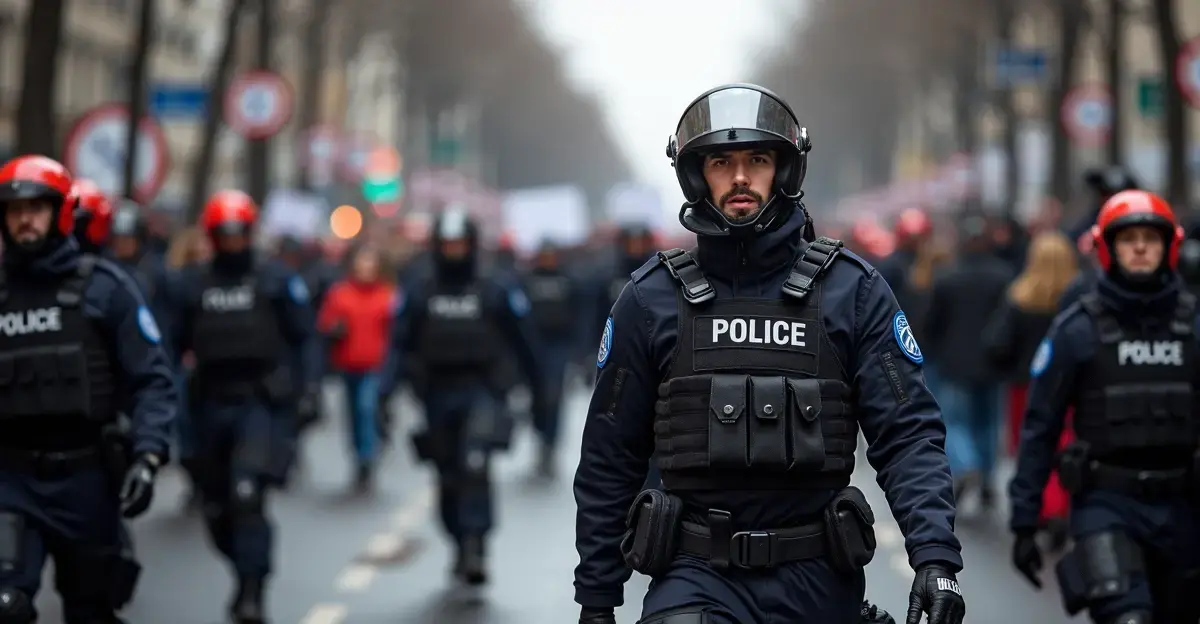
The day began with largely peaceful marches called by trade unions, student organisations and a revived yellow vest movement, but violence erupted as night fell. In Paris, riot police fired tear gas and water cannon near Place de la République after masked demonstrators set fire to barricades and looted storefronts. The Paris police prefecture reported a record 855 arrests, with 517 people still in custody by Sunday, including 171 minors, mostly for handling stolen goods, group violence and vandalism.
In the central city of Limoges, rioters broke into the historic 19th-century town hall and set it ablaze, causing the roof to partly collapse. Mayor Guillaume Guérin told reporters: "The country is in chaos." In Marseille, protesters stormed a town hall and clashed with police; in Lyon, the tourist office burned; and in Saint-Étienne, a man lost a hand to a small explosive device. Public buildings and shops were attacked in Avignon and Grenoble as well, according to DW reporting.
Why Are French Protests Escalating?
The demonstrations fuse long-running student strikes over underfunded schools and crumbling facilities with broader discontent over the cost of living. Fuel prices have surged, wages have stagnated, and cuts to social welfare programmes have deepened hardship for working-class households. Farmers and firefighters also joined Saturday's marches, echoing the cross-sector anger that defined the 2018–2019 yellow vest uprising.
Analysts note that this year's protests draw heavily from Gen Z activism patterns seen across Europe, where younger demonstrators use social media to coordinate quickly. The Carnegie Endowment for International Peace counted at least 120 significant anti-government protests in 73 countries over the past 12 months, the highest since 2017, with rising inequality and economic strain as common drivers.
Key Violent Incidents Across France
| City | Incident | Outcome |
|---|---|---|
| Paris | Clashes near Place de la République; looting and barricades | 855 arrests; tear gas and water cannon used |
| Limoges | Historic town hall set ablaze | Roof partly collapsed; mayor said "country is in chaos" |
| Lyon | Tourist office burned | Fire contained; arrests reported |
| Marseille | Town hall stormed by protesters | Police pushed back demonstrators; injuries reported |
| Saint-Étienne | Small explosive device detonated | One man lost a hand |
Government and Political Reactions
President Emmanuel Macron condemned the violence, saying "nothing justifies" attacks on public buildings and businesses, and promised full transparency over the police response. His government faces mounting pressure from both the far right and far left. Marine Le Pen called for a state of emergency, while Jean-Luc Mélenchon accused the government of ignoring social grievances. The clashes have intensified debate over European welfare systems and whether austerity measures are fuelling unrest ahead of France's 2027 presidential election.
What Does This Mean for France's Future?
The violence raises fears of a prolonged autumn of discontent, reminiscent of the 2018 yellow vest protests that shook Macron's first term. With presidential elections less than a year away, the government must balance restoring order with addressing the underlying cost-of-living crisis. Failure to do so, analysts warn, could further radicalise a generation already sceptical of traditional politics.
Frequently Asked Questions
How many people were arrested in the France protests?
Nearly 2,400 people were arrested nationwide on Saturday, 17 October 2026, with 855 in Paris alone, according to the French Interior Ministry.
What caused the cost-of-living protests in France?
The protests were driven by high fuel prices, low wages, cuts to social welfare, and student anger over school conditions, amplified by a revived yellow vest movement.
Was the town hall in Marseille really stormed?
Yes, demonstrators stormed a town hall in Marseille, one of several public buildings attacked during the unrest. Police later regained control.
How does this compare to the 2018 yellow vest protests?
Saturday's violence was the worst in years, echoing the 2018–2019 yellow vest movement in scale and anger, but with a stronger student component.
Follow Discussion