


 Deutsch
 English
 Español
 Français
 Nederlands
 Português


 Share
Share




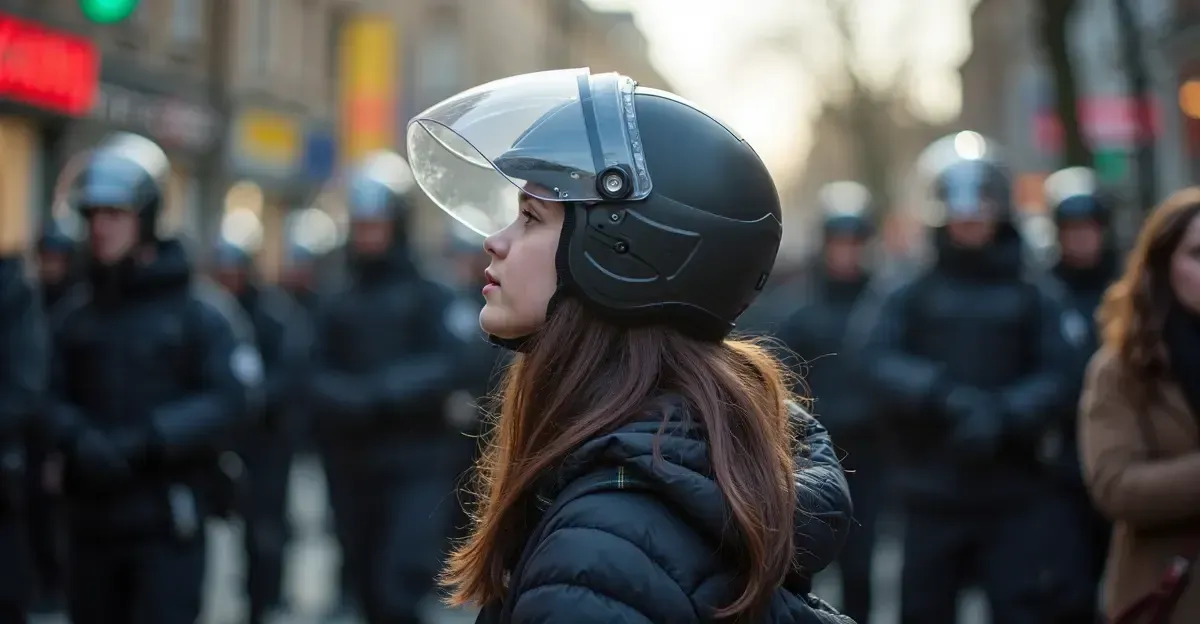
France school protests escalated sharply on Wednesday as police fired tear gas at demonstrators outside a secondary school in northeastern Paris and at a separate gathering in Marseille, deepening a nationwide youth movement over underfunded schools and what participants call police repression. The unrest, which began in mid-September in the low-income Seine-Saint-Denis suburbs, has now drawn mainly teenage crowds, blocked hundreds of high schools, and prompted 18 internal investigations into alleged police brutality, including a case in which a 15-year-old boy lost a hand to a stun grenade.
What is Driving the France School Protests?
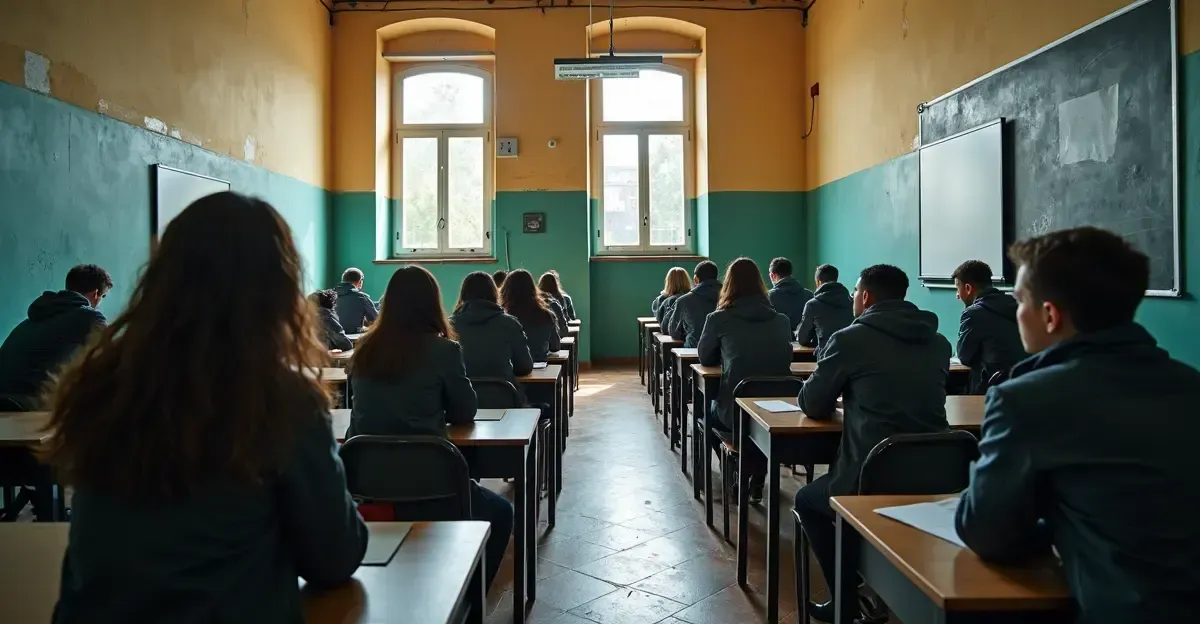
Students are demanding more resources for schools: smaller classes, replacement teachers, functional buildings, and relief from stress linked to the Parcoursup admission system. At Lycée Saint-Exupéry in Marseille, pupils described missing teachers, no school nurse, toilets without water, and cockroaches and rats. Ryad Rani, president of the secondary-students' union Union Syndicale Lycéenne (USL), cited a pupil who went seven months without a French teacher in a year with a French exam. The movement follows earlier French student movements in 1990, 2005 and 2018, but current conditions—classes of 32 to 36 pupils and classroom temperatures up to 40°C—have given it broader reach. Student and teacher unions have called a nationwide strike for October 13, demanding €10 billion in extra education funding.
Police Tear Gas and Brutality Investigations
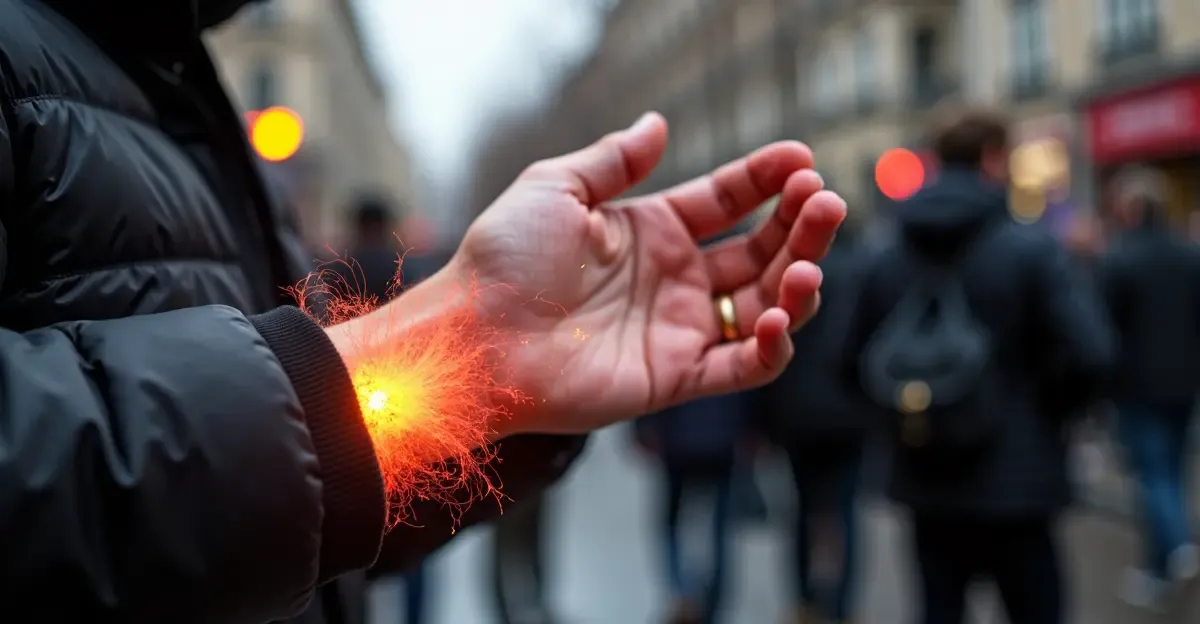
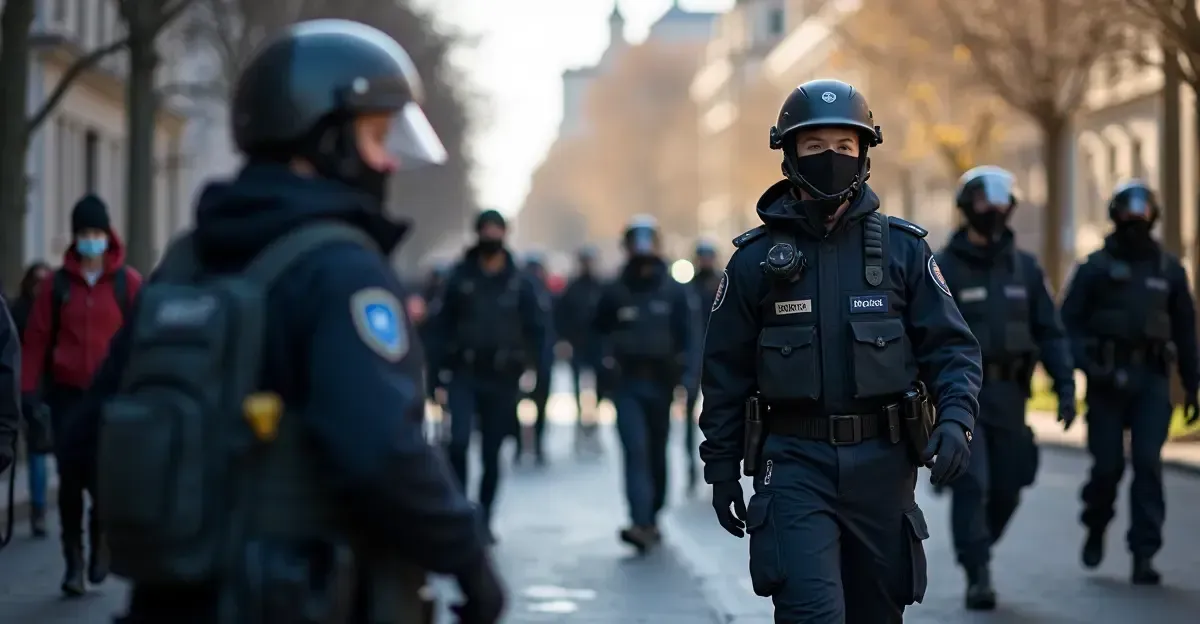
On October 8, riot police used tear gas at Hélène Boucher high school in northeastern Paris, a flashpoint for clashes, and in Marseille, where around 3,900 people demonstrated. Authorities have opened 18 internal inquiries into alleged police brutality. The most severe case involved a 15-year-old in Lens who lost a hand after picking up a police sting-ball grenade; France's interior minister, Laurent Nuñez, subsequently suspended use of stun grenades at high-school demonstrations. Nuñez rejected accusations of police repression as excessive and called the overall response proportionate. Amnesty France welcomed the suspension as an important first step, urging a permanent ban. The police use of force against minors has become a central flashpoint, with parents and lawmakers criticizing mass arrests.
Scale of the Unrest Across France
According to the Interior Ministry, more than 266,000 people rallied on October 6, including 56,000 in Paris, while unions claimed 450,000 and 1,800 blockaded schools. By Wednesday, 429 of France's 3,700 lycées were disrupted and 80 university campuses blockaded. Over two weeks of boycotts and blockades, police made more than 6,500 arrests, roughly 85-90% of them minors. The government reported 24 schools burned or ransacked. Injuries mounted on all sides: 215 teenagers, 89 school staff, and 761 police officers. Classes were fully or partially suspended at 891 schools as authorities closed some sites to reduce tensions.
- 266,000+ demonstrators nationwide on October 6
- 6,500+ arrests, mostly minors, over two weeks
- 891 schools disrupted or closed
- 18 internal investigations into police brutality
The education funding crisis has drawn in parents, university students and public-sector unions, turning a local dispute into a national political test.
Government Response and What Comes Next
Prime Minister Sébastien Lecornu denied police had orders to confront students and promised an action plan by late October. Education Minister Édouard Geffray was set to announce concrete measures and a contingency plan to replace absent teachers. However, students remain unconvinced, chanting We want action. The government has accused far-left activists of stirring the unrest, while the French Human Rights League condemned excessive force against minors. With the next presidential election in 2027, the protests have become a defining issue for the outgoing Macron administration. The French political crisis over youth and policing is likely to intensify as new demonstrations are called for Thursday and a national strike looms on October 13.
Frequently Asked Questions
What are the France school protests about?
Students are protesting teacher shortages, overcrowded classes, dilapidated buildings and stress from the Parcoursup admissions platform, demanding €10 billion more for schools.
Why did police fire tear gas in Paris and Marseille?
Police used tear gas to disperse crowds at Hélène Boucher high school in Paris and at a Marseille demonstration, saying the response was proportionate amid blockades and clashes.
Is there an investigation into police brutality?
Yes, 18 internal investigations have been opened. A 15-year-old lost a hand to a police stun grenade in Lens, leading to a suspension of stun grenade use at school protests.
How many students have been arrested?
More than 6,500 people have been arrested over two weeks, roughly 85-90% of them minors, according to the Interior Ministry.
What happens next?
Student and teacher unions have called a nationwide strike for October 13, and further demonstrations are planned, while the government promises an action plan by late October.

Follow Discussion