


 Deutsch
 English
 Español
 Français
 Nederlands
 Português


 Share
Share




Baseball Enters New Era with Automated Strike Zone Technology
Major League Baseball is taking a significant step toward technological innovation by testing its Automated Ball-Strike System (ABS), commonly known as 'robot umpires,' during World Series exhibition games. This groundbreaking trial represents the most extensive testing of automated strike zone technology in MLB's highest-profile setting to date.
The Challenge System in Action
The ABS system being tested uses a challenge format rather than full automation. Human umpires continue to make initial ball and strike calls, but players now have the ability to challenge questionable decisions. Each team receives two challenges per game, which they retain if successful. Only pitchers, catchers, or batters can initiate challenges by tapping their cap or helmet immediately after a pitch call.
The technology behind this system is sophisticated. Hawk-Eye camera technology tracks pitch trajectory with remarkable precision, while T-Mobile's private 5G network ensures rapid data transmission. The system defines a batter-specific strike zone - 53.5% of height at the top and 27% at the bottom - automatically adjusting for players of different sizes.
Mixed Reactions from Players and Officials
Player reactions to the new technology have been decidedly mixed. Veteran catcher Cal Raleigh, who participated in early testing, commented: 'It's definitely different, but the accuracy is undeniable. We're seeing calls that human umpires would miss consistently.'
However, not all players are enthusiastic. Some pitchers express concerns about losing the art of pitch framing, while others worry about the system's handling of breaking balls. As one anonymous All-Star pitcher noted: 'When a curveball breaks sharply, the human eye can sometimes see things the technology misses. There's still room for improvement.'
MLB Commissioner Rob Manfred has been cautiously optimistic about the technology's potential. 'We're committed to getting calls right,' Manfred stated during a recent press conference. 'The challenge system strikes a good balance between technological accuracy and preserving the human element of the game.'
Testing and Implementation Timeline
The current World Series exhibition game trials follow extensive testing in minor leagues and spring training. According to MLB officials, the system has been refined through multiple seasons of minor league implementation. In Triple-A testing during 2024, teams successfully challenged 51% of calls, demonstrating the system's ability to correct human errors.
The technology's debut in the 2025 All-Star Game provided valuable data, with players successfully challenging several key calls. MLB's competition committee is scheduled to review the World Series exhibition results later this year, with potential full implementation as early as the 2026 regular season.
Technical Challenges and Refinements
Developing the ABS system hasn't been without challenges. Early versions struggled with accurately tracking breaking balls that appeared to cross the strike zone but then dropped out. The system has undergone multiple refinements, including adjustments to the strike zone dimensions.
Originally testing with a 19-inch wide strike zone in 2022, MLB narrowed it to 17 inches (matching home plate width) and raised the top of the zone from 51% to 53.5% of batter height. These adjustments have improved the system's accuracy and player acceptance.
The average challenge adds approximately 17 seconds to game time, a trade-off MLB considers acceptable for improved accuracy. As technology continues to evolve, officials expect these delays to decrease while accuracy improves further.
Future Implications for Baseball
The successful implementation of robot umpire technology could fundamentally change baseball officiating. While the challenge system preserves some human element, it represents the most significant technological advancement in baseball rule enforcement since instant replay for home runs.
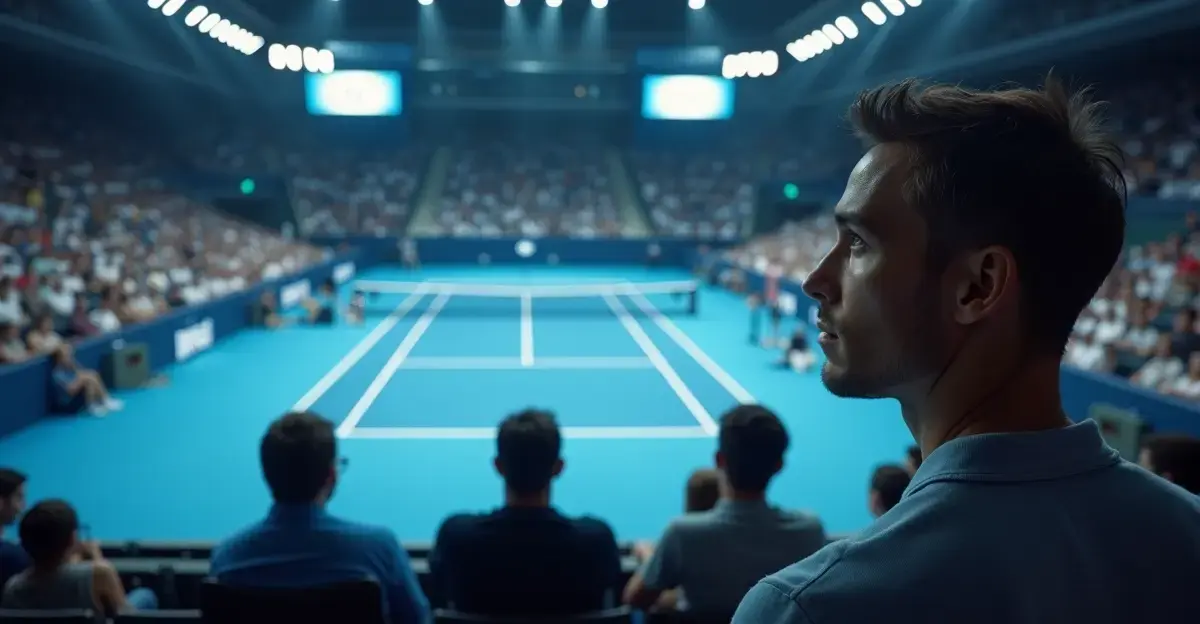
Fans attending the World Series exhibition games are getting their first look at this potential future. Stadium jumbotrons now display strike zone graphics during challenges, giving spectators unprecedented insight into pitch calls. Early fan surveys from spring training venues showed 70% positive impressions of the technology.
As baseball continues to balance tradition with innovation, the World Series robot umpire trials mark a pivotal moment in the sport's evolution. The results from these high-stakes exhibition games will likely determine whether automated strike zone technology becomes a permanent fixture in Major League Baseball.




Follow Discussion