


 Deutsch
 English
 Español
 Français
 Nederlands
 Português


 Share
Share




More than 400 French schools closed on Friday, 2 October 2026, as nationwide student protests over teacher shortages, overcrowded classrooms and dilapidated buildings entered a second week. The French school closures mark one of the largest disruptions to secondary education in France in years, with thousands of high-school pupils, university students and teachers marching from Paris to Marseille and Lille.
What is behind the French school closures?
What began last week as a blockade at a handful of secondary schools in the Paris region has spiraled into a countrywide movement. Students cite three main grievances: the France teacher shortage crisis, overcrowded classes and years of deferred maintenance on school buildings. By Friday, roughly one in ten of France's 3,700 high schools was closed, according to the education ministry. Pupils were told to follow lessons online, while demonstrations near shuttered schools were banned.
The three demands driving French student protests
- Teacher shortages: Schools report chronic staff absences and unfilled posts, leaving many classes without a permanent teacher.
- Overcrowded classes: Students say class sizes have grown too large for meaningful learning, a complaint echoed by teachers' unions.
- Dilapidated buildings: Years of underfunding have left heating, roofing and sanitary facilities in poor condition.
How violent have the French school protests become?
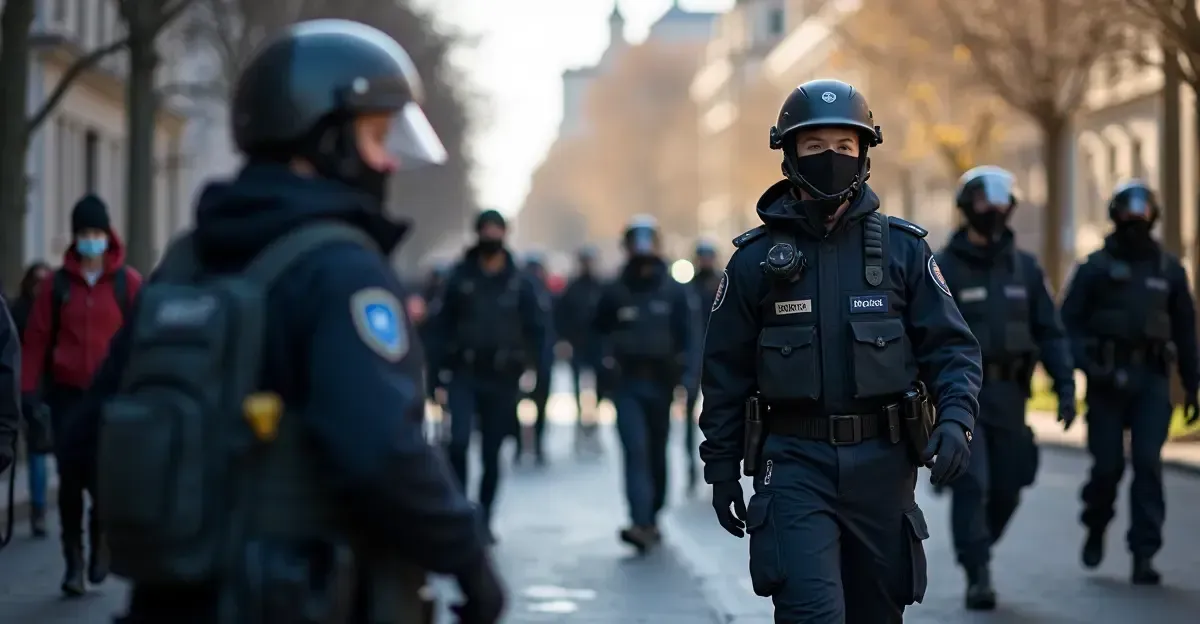
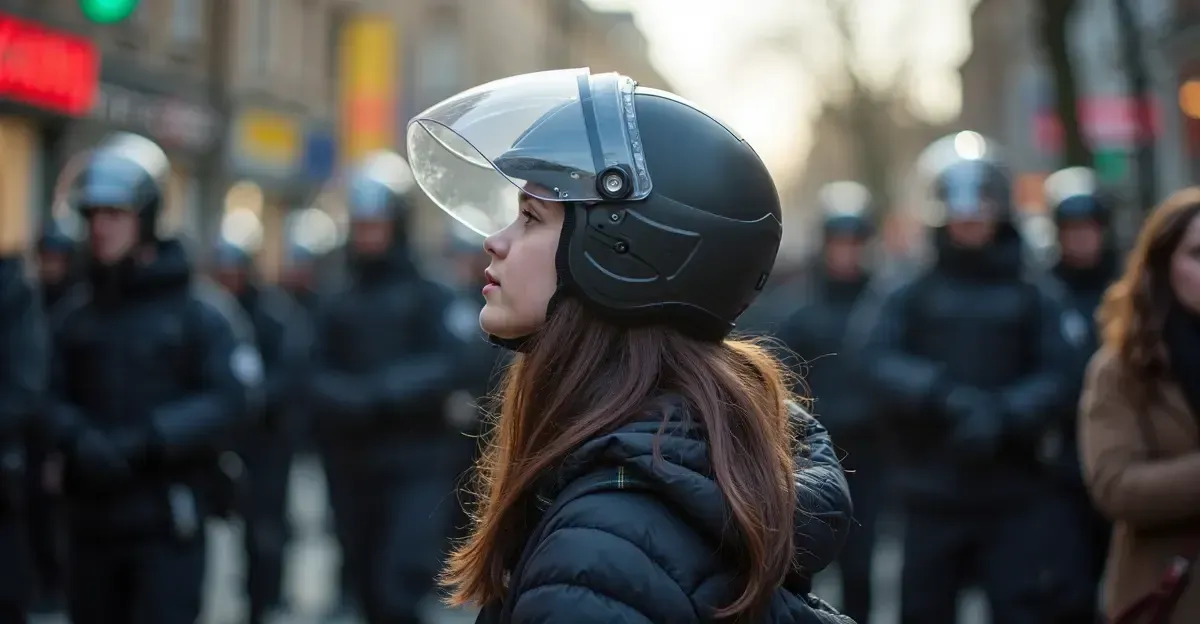
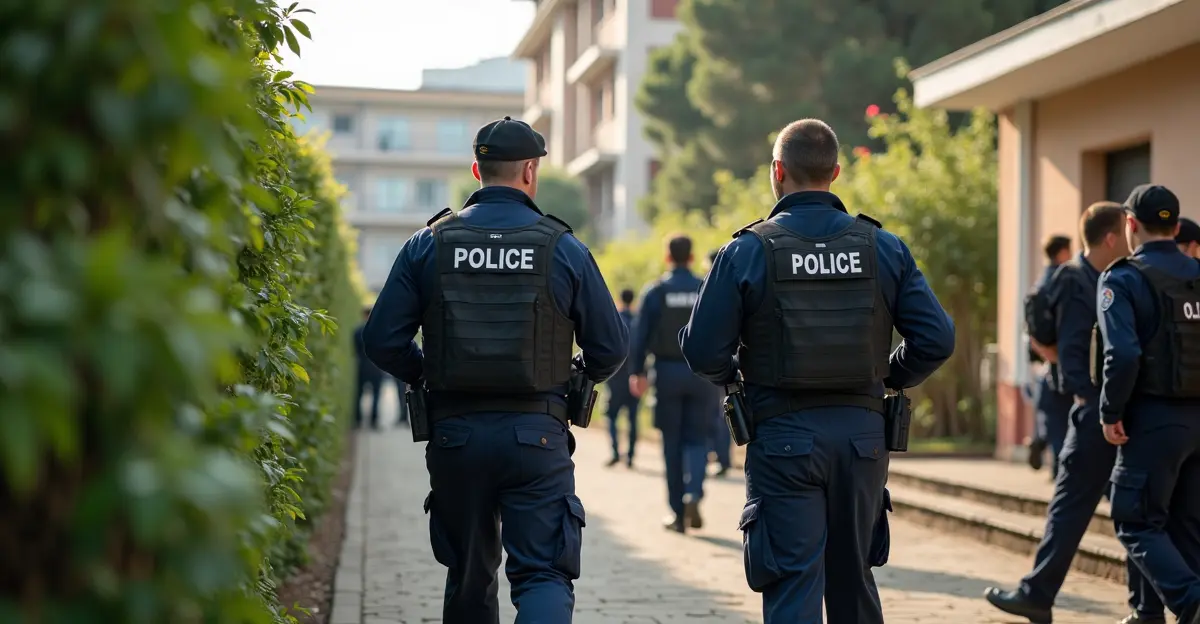
Most demonstrations have been peaceful, but authorities say unrest has escalated sharply. Justice Minister Gérald Darmanin said 1,949 people were arrested on Thursday and 625 a day earlier; US News reports about 2,000 people—mostly teenagers—have been detained since the movement began. At least 300 police officers were wounded, and two schools were set on fire. Le Parisien reported the entrance hall of a secondary school in Nantes was completely destroyed, while in Marseille a school principal had fuel thrown over him.
“The demonstrations have turned into disruption of public order. If people attack buses and set schools on fire, you can no longer speak of a protest.” — Gérald Darmanin, French Justice Minister
Political blame: LFI and Mélenchon under fire
Right-wing politicians accuse the radical-left party La France insoumise (LFI) of fueling the movement. Jean-Luc Mélenchon, LFI's de facto leader and 2027 presidential candidate, has defended the students while condemning what he called “unacceptable” and “disproportionate” police violence. A recent Le Monde poll suggests 41–45% of 18-to-24-year-olds would back Mélenchon in the first round of next year's presidential election, making him more popular than far-right rival Marine Le Pen in that age group.
Government response and financial cost
Prime Minister Lecornu convened an emergency meeting, and Education Minister Edouard Geffray appealed for calm and offered to meet student representatives. In the Auvergne-Rhône-Alpes region around Lyon, authorities estimate damage at €25–30 million. “That sum can no longer be spent on renovating secondary schools,” the regional council said, arguing that taxpayers should not foot the bill. The unrest has also spread to Belgium, where schools in Liège closed after protests turned violent. Amnesty International has warned against excessive police force as the French education budget cuts remain a flashpoint.
FAQ: French school closures and student protests
How many French schools are closed?
More than 400 high schools—about one in ten across France—were closed on 2 October 2026, though some reports cited over 560 affected schools and more than 1,000 the previous day.
Why are French students protesting?
Students are protesting teacher shortages, overcrowded classrooms and poorly maintained or dilapidated school buildings.
Are the French school protests violent?
Most participants are peaceful, but authorities report fires, clashes with police, about 2,000 arrests and at least 300 injured officers.
What role does Jean-Luc Mélenchon play?
Mélenchon and his LFI party have expressed support for students while criticizing police violence; right-wing officials accuse LFI of inciting unrest.
What is the cost of the damage?
The Auvergne-Rhône-Alpes region estimates €25–30 million in damage, money that would otherwise fund school renovations.


Follow Discussion