


 Deutsch
 English
 Español
 Français
 Nederlands
 Português


 Share
Share




What sparked the French school closures?
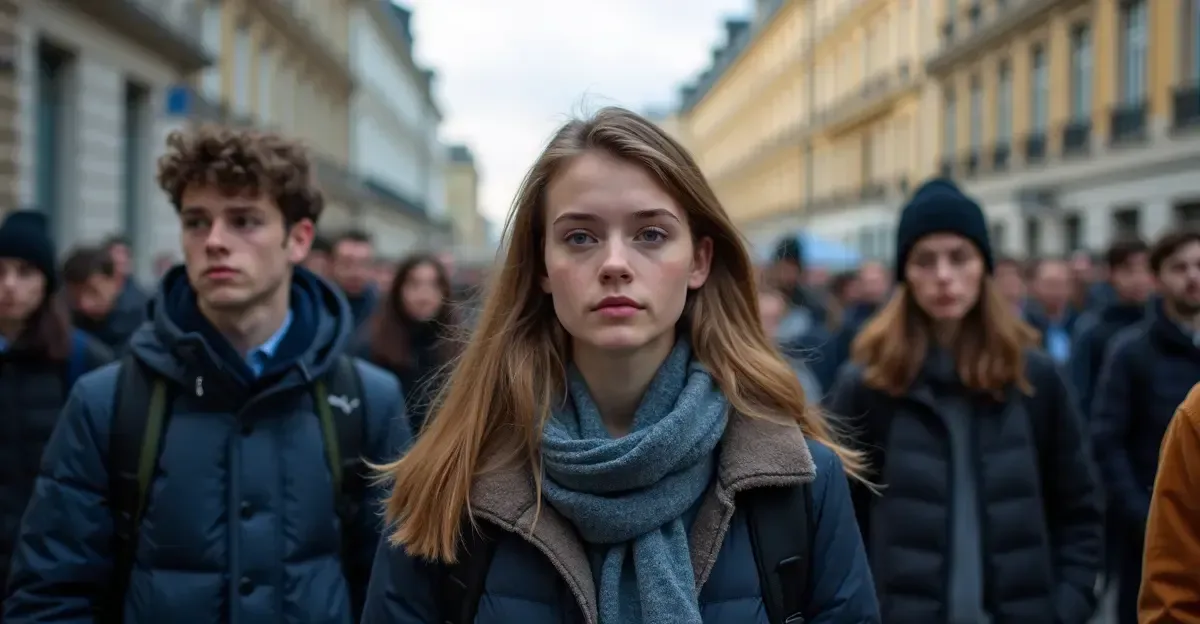
More than 500 French schools remained closed or operated with restricted access on Monday 5 October 2026, as authorities braced for a fresh wave of violent student protests over crumbling school infrastructure, teacher shortages and overcrowded classrooms. Since the previous week, tens of thousands of secondary school pupils, students and teachers have taken to the streets across France.
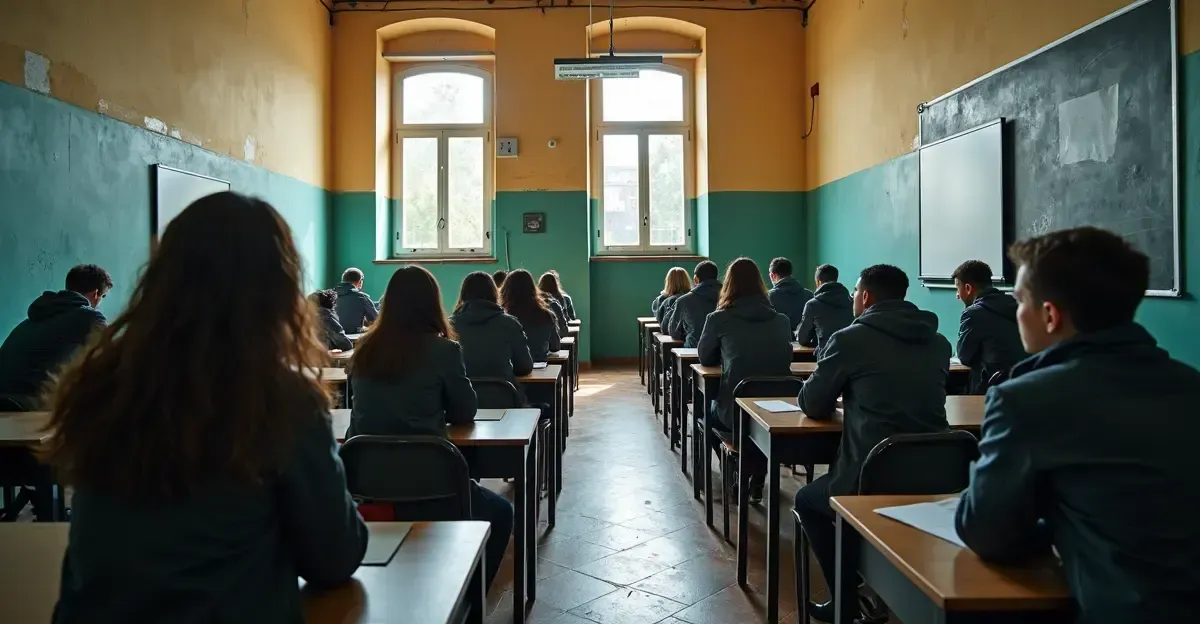
The protest movement started with blockades of lycées, or high schools, in the Paris region before spreading to other areas. Demonstrators are demanding urgent investment to repair dilapidated school buildings, recruit more teachers and reduce class sizes. The unrest echoes wider European education funding protests that have gained momentum in recent years.
How violence escalated across France
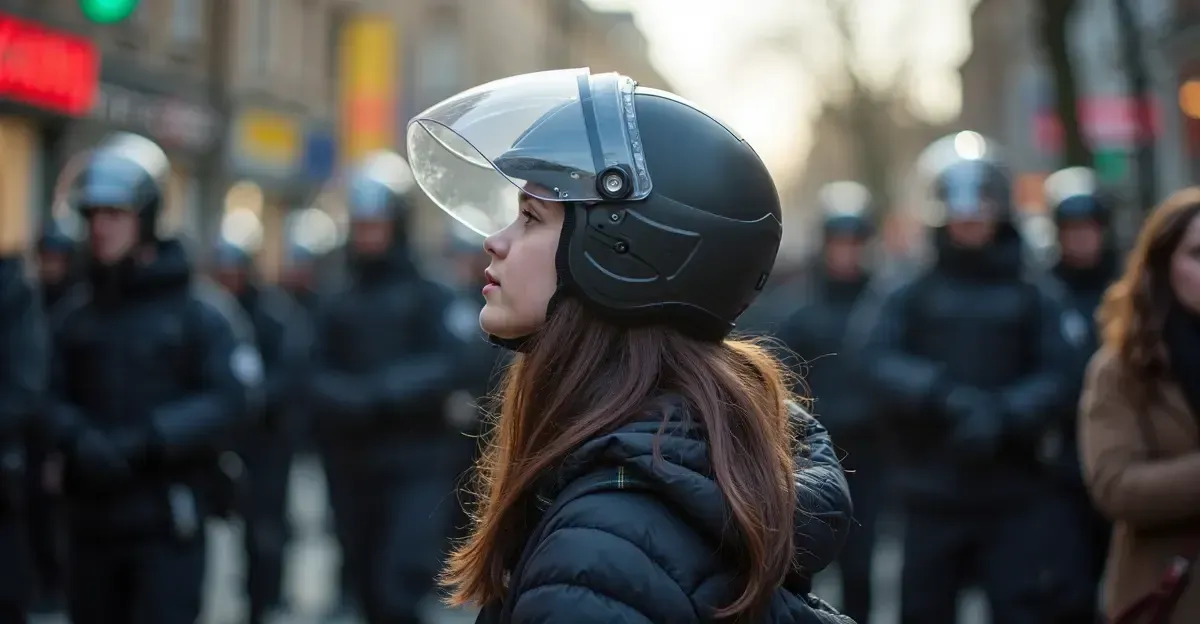
Although most gatherings have been peaceful, a significant minority turned violent. Protesters set off fireworks, clashed with police and bystanders, and vandalised property. According to the French education ministry, 24 schools were set on fire or looted, and 78 school employees or teachers were injured during the unrest.
On Thursday, university students joined the demonstrations, partly in solidarity with secondary school pupils and partly over inadequate university funding. A major student union has called for a national action day on 6 October, raising fears of further disorder.
Arrests and injuries mount
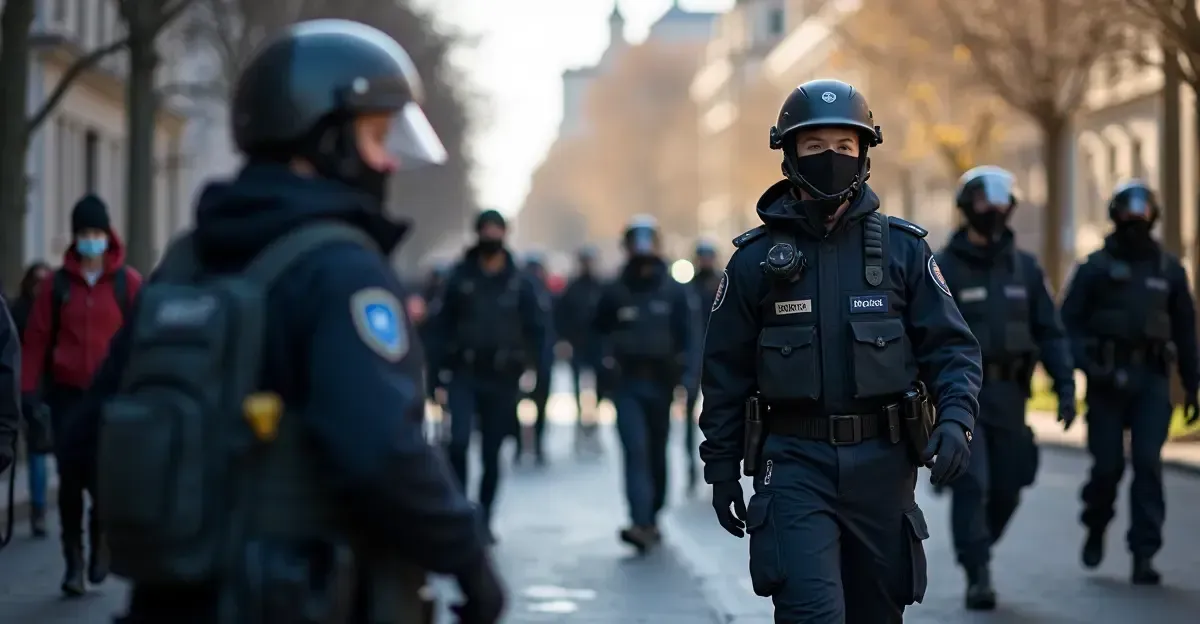
French newspaper Le Monde reports that more than 5,000 people have been arrested since the protests began, of whom 85 percent are minors. Large police deployments have been used to contain the demonstrations.
In Marseille, a woman suffered serious facial burns when a masked boy pointed what appeared to be a spray can at her and ignited a flame. The victim filed a complaint, and Franceinfo reports that a 15-year-old suspect has been taken into custody. The incident has drawn comparisons to earlier school protest violence in France and raised questions about youth radicalisation.
Political blame game over student violence
Jean-Luc Mélenchon, leader of the radical-left party La France Insoumise, described the violence accompanying the protests as “disproportionate” and “unacceptable”. However, Education Minister Geffray accused Mélenchon of stoking the anger of schoolchildren and argued that the politician bears partial responsibility for the violence.
Organisers of the protests have distanced themselves from the violent incidents, claiming that the destruction is not carried out by students but by outsiders unconnected to the movement.
Impact on students, teachers and communities
The closures are disrupting education for hundreds of thousands of pupils. Schools that remain shut either cannot guarantee student safety or have suffered too much physical damage to reopen, according to the ministry. On Friday, hundreds of schools had already closed as a precaution.
Local authorities are now weighing security measures ahead of the 6 October action day, with unions and police preparing for the possibility of renewed clashes. The crisis has also reignited debate over French education reform and funding ahead of upcoming budget negotiations.
FAQ: French school closures and student protests
Why are French schools closing?
More than 500 schools closed or limited access because of safety concerns and building damage following violent student protests.
What are students protesting about?
They are protesting deferred building maintenance, teacher shortages and oversized classes.
How many people have been arrested?
More than 5,000 people have been arrested, 85 percent of them minors, according to Le Monde.
When is the next major protest?
A national student action day is planned for 6 October 2026.
Who is Jean-Luc Mélenchon and why is he involved?
He is the leader of La France Insoumise; he called the violence “disproportionate” and “unacceptable”, while the education minister says he helped fuel the anger.

Follow Discussion