


 Deutsch
 English
 Español
 Français
 Nederlands
 Português


 Share





The Federal Aviation Administration lifted a rare nationwide ground stop late Friday after a temporary telecommunications failure halted more than 11,000 U.S. flights, marking the longest such shutdown since the September 11 attacks and triggering ripple effects as far away as Australia. Transportation Secretary Sean Duffy confirmed the airspace had reopened by 8:15 p.m. ET and said the root problem had been identified. The disruption underscores the fragility of aging aviation infrastructure and renewed debate over air traffic control modernization.
What Caused the FAA Ground Stop?
According to the FAA, the outage stemmed from a temporary telecommunications failure rather than a cyber-attack. BBC reporting cited old equipment overloading as the trigger, pointing to legacy systems that struggled under peak Friday traffic. The agency's Notice to Air Missions (NOTAM) system, which alerts pilots to hazards, was among the systems affected. The ground stop applied to all U.S. departures, a blanket order not seen since the immediate aftermath of 9/11. While the FAA has not released a full technical post-mortem, early assessments suggest a cascading failure in the communications backbone used to coordinate flight plans. The incident also reignited concerns about NOTAM system outage vulnerabilities.
Timeline of the Nationwide Halt
- Friday afternoon: FAA issues ground stop after telecom failure disrupts air traffic communications.
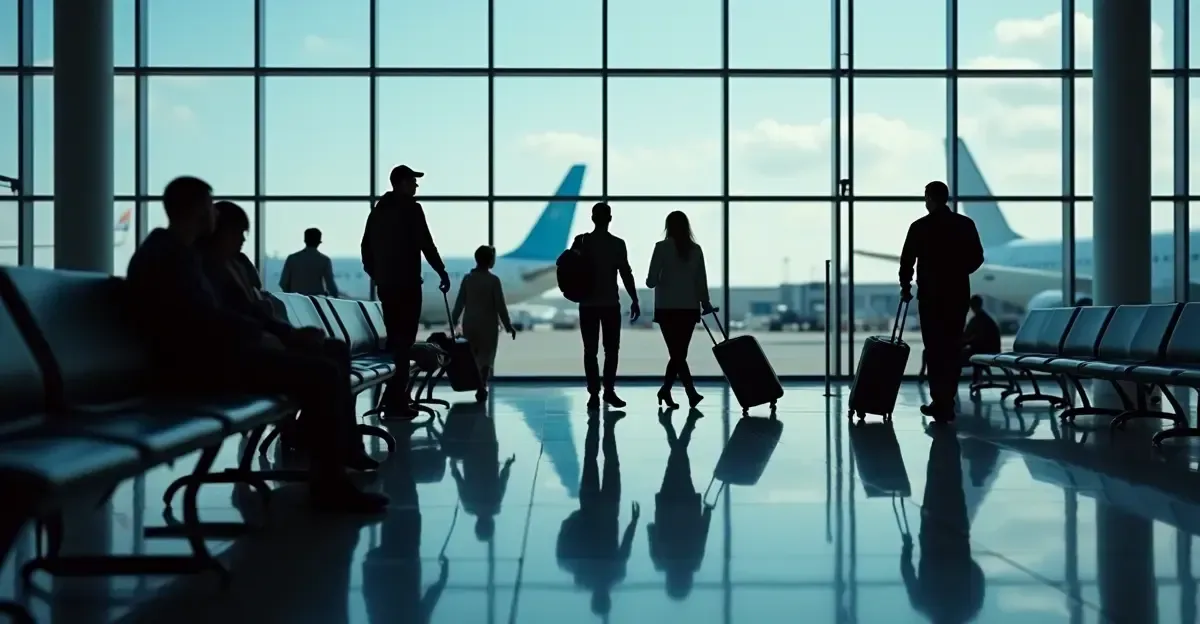
- Peak disruption: More than 11,000 U.S. flights delayed or canceled, with thousands of passengers stranded at hubs including Atlanta, Chicago O'Hare, and Dallas/Fort Worth.
- 8:15 p.m. ET: FAA lifts the order; Secretary Sean Duffy announces airspace reopened.
- Overnight: Airlines work to reposition aircraft and crews, with residual delays expected through the weekend.
Impact on Travelers and Global Aviation
The rare halt was the longest since 9/11, according to aviation analysts. U.S.-bound flights from Australia were among the first international services disrupted, underscoring how a domestic communications failure can cascade across the globe. FlightAware data showed more than 11,000 delays and cancellations within hours. Passengers faced multi-hour waits, and airlines waived change fees. The event also revived scrutiny of the FAA's NextGen modernization program and the need for redundant legacy systems. airline passenger rights compensation became a trending topic as stranded travelers sought refunds and rebooking options. Major carriers including American, Delta, and United issued waivers and warned that full schedule recovery could take days.
Expert Perspectives: Resilience and Contingency Planning
Aviation safety experts said the episode highlights the gap between modern air traffic demand and aging infrastructure. “This was not a cyber-attack, but it may as well have been from the passenger's perspective,” said one industry analyst. “The system's single points of failure are now impossible to ignore.” The FAA has faced similar telecommunications disruptions in recent years, prompting calls for accelerated investment in airspace system resilience. Transportation Secretary Duffy pledged a full review, adding that the department would ensure such an outage “never grounds the nation again.”
Frequently Asked Questions
What caused the FAA ground stop on Friday?
The FAA attributed the halt to a temporary telecommunications outage, with BBC reporting that old equipment overloading—not a cyber-attack—was the trigger.
How many flights were affected by the FAA nationwide ground stop?
More than 11,000 U.S. flights were delayed or canceled before the order was lifted at 8:15 p.m. ET, according to FlightAware.
When was the last time the FAA issued a nationwide ground stop?
The last comparable nationwide halt occurred after the September 11, 2001 attacks, making Friday's stop the longest since 9/11.
Did the FAA ground stop affect international flights?
Yes. U.S.-bound flights from Australia and other international origins were disrupted, and the ripple effects spread across global airline networks.
Is the FAA telecommunications system now fixed?
The FAA said the airspace reopened and the problem was identified, but a full technical review is underway. Airlines warned of residual delays through the weekend.
Conclusion
The FAA's nationwide ground stop served as a stark reminder that even temporary telecommunications failures can paralyze the world's busiest airspace. As the agency investigates the root cause, travelers and policymakers alike are asking whether the system's resilience matches its scale. For now, flights have resumed, but the lesson is clear: modernizing air traffic control infrastructure is no longer optional.

Follow Discussion