


 Deutsch
 English
 Español
 Français
 Nederlands
 Português


 Share
Share




What sparked the renewed Belfast riots?
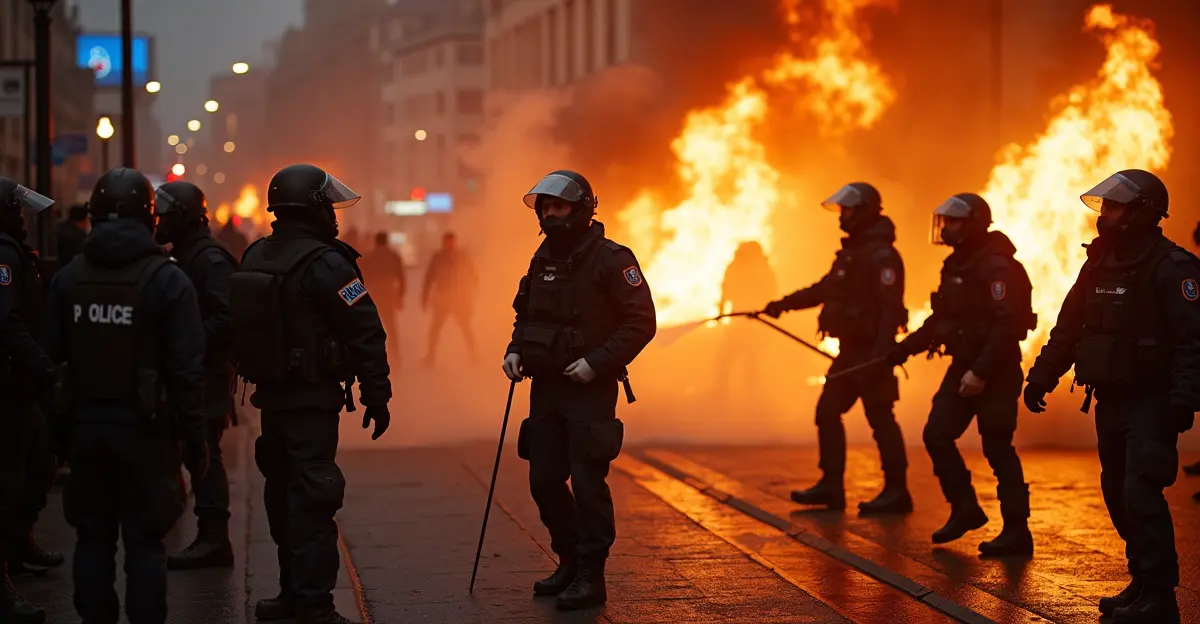
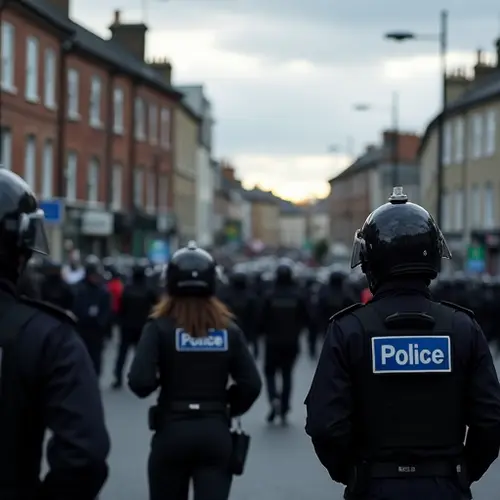
Violence erupted for a second consecutive night in Belfast, Northern Ireland, leaving 12 police officers injured and 16 people arrested, as anti-immigrant unrest spread across the city. The riots follow a brutal stabbing attack on 8 June 2026, when a Sudanese man allegedly attacked a local resident, sparking widespread outrage and far-right mobilisation. The Police Service of Northern Ireland (PSNI) deployed water cannons and fired 20 attenuating energy projectiles to disperse rioters in Newtownabbey and Portadown. The unrest has drawn sharp condemnation from UK Prime Minister Keir Starmer, who called the events 'shocking and unacceptable.'
Background: The stabbing that ignited the unrest
The violence began after a 30-year-old Sudanese national, Hadi Alodid, allegedly stabbed a man in his 40s on Kinnaird Avenue in north Belfast. The victim, Stephen Ogilvie, suffered severe wounds to his neck, face, and back, and lost his left eye. He remains in stable condition. Alodid, who arrived in the UK via Paris and Dublin in February 2023 and was granted leave to remain, has been charged with attempted murder, possession of a blade, and making threats to kill. Police have stated the attack is not terror-related. Footage of the stabbing circulated widely on social media, fuelling anger among far-right groups and leading to protests that quickly turned violent. The role of social media in inciting violence has become a key concern for authorities.
Second night of riots: What happened?
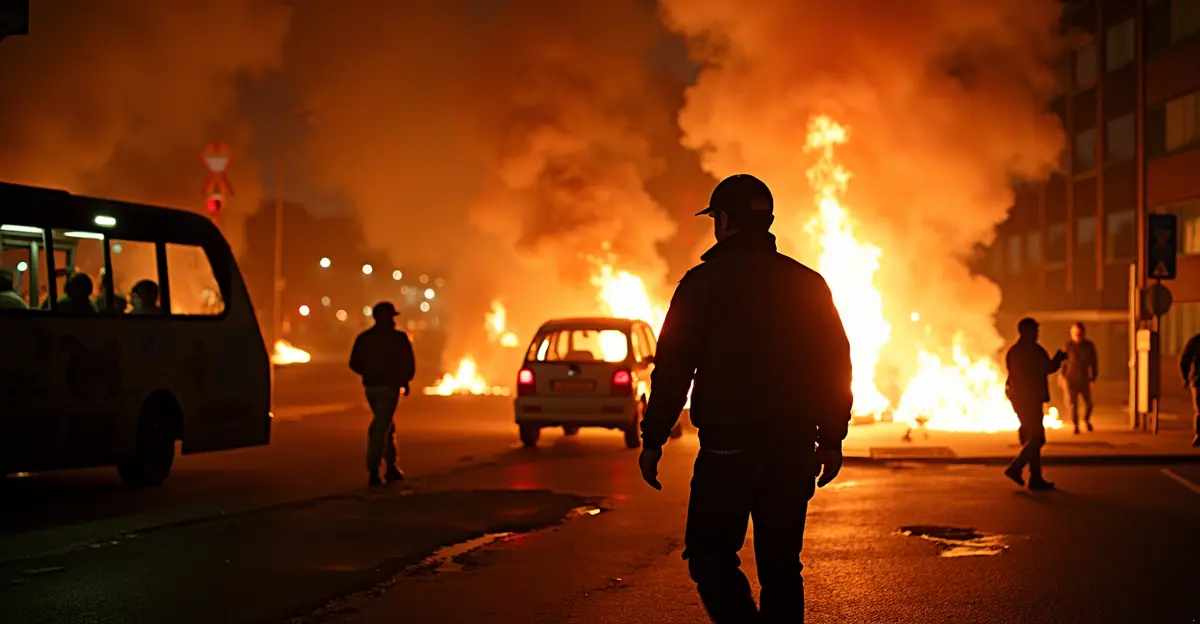
On the night of 10 June, masked rioters pelted police with bricks, bottles, and petrol bombs. In a particularly disturbing incident, a nurse with a migrant background was chased by four masked men into Ulster Hospital in what police described as a 'racist attack.' Some parents have reportedly kept their children home from school for fear of attacks based on ethnicity. PSNI Assistant Chief Constable Ryan Henderson warned rioters: 'The stakes for you are high.' He added that police numbers would be bolstered with mutual aid officers from Great Britain. The violence also spread to other parts of Northern Ireland, including Portadown, and similar protests were reported in Glasgow, Edinburgh, and Southampton. The spread of far-right protests across the UK mirrors patterns seen after previous high-profile incidents.
Racist attacks and community impact
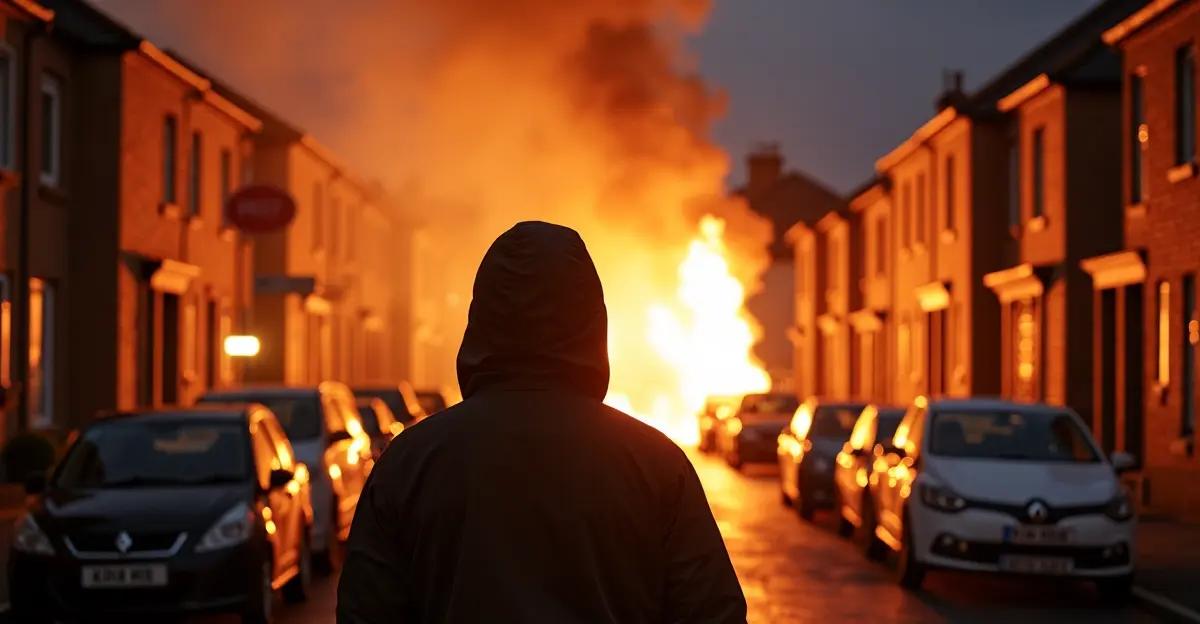
Targeting ethnic minorities has been a central feature of the unrest. On the first night of rioting, homes and cars belonging to immigrant families were set on fire. Twenty-seven people were made homeless, including Ugandan carers, a Ukrainian family, and a Romani family. The stabbing victim's family released a statement expressing disgust at the violence, urging the public not to use the tragedy to fuel hostility. Northern Ireland Secretary Hilary Benn condemned the violence as 'racist thuggery.' The PSNI has increased patrols around hospitals and vulnerable neighbourhoods.
Who is behind the riots?
While police have denied direct loyalist paramilitary involvement, observers note that the unrest follows a pattern of far-right anti-immigrant violence seen in Northern Ireland since 2023, often occurring in areas with significant loyalist activity. Online incitement has played a major role. Far-right figures, including Elon Musk and Tommy Robinson, amplified calls for protests on social media, according to reports. The PSNI chief constable has blamed online disinformation for stoking tensions. The crackdown on online hate speech is being discussed as a potential policy response.
Political reaction and next steps
Prime Minister Keir Starmer described the events as 'shocking and unacceptable,' while Northern Ireland's Justice Minister criticised far-right commentators for trying to stoke racial tensions. The PSNI has vowed to maintain a strong presence on the streets to prevent further disorder. The suspect, Hadi Alodid, has been remanded in custody. Police are urging calm and appealing for anyone with information to come forward. The coming days will be critical in determining whether the violence can be contained or will escalate further.
Frequently Asked Questions
How many police officers were injured in the Belfast riots?
A total of 12 police officers were injured during the second night of rioting on 10 June 2026. None of the injuries are believed to be life-threatening.
What was the trigger for the Belfast riots?
The riots were sparked by a stabbing attack on 8 June 2026, in which a Sudanese man allegedly stabbed a local resident. The attack was filmed and circulated online, leading to far-right mobilisation and anti-immigrant protests that turned violent.
Has the stabbing suspect been charged?
Yes, Hadi Alodid, a 30-year-old Sudanese national, has been charged with attempted murder, possession of a blade, and making threats to kill. He appeared in court and has been remanded in custody.
Are the riots linked to loyalist paramilitaries?
The PSNI has denied direct loyalist paramilitary involvement, but observers note that the unrest follows a pattern of far-right anti-immigrant violence in areas with significant loyalist activity. Online incitement by far-right figures has also been a factor.
What is being done to stop the violence?
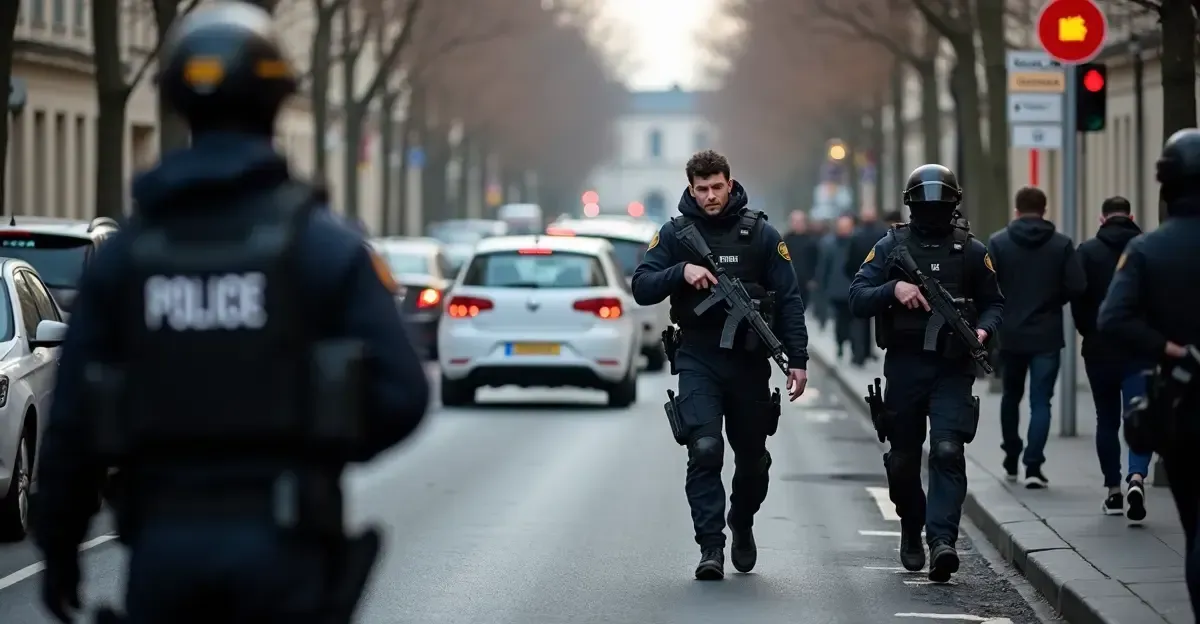
Police have deployed water cannons, fired attenuating energy projectiles, and made 16 arrests. Mutual aid officers from Great Britain have been brought in to bolster numbers. The PSNI has increased patrols around hospitals and vulnerable communities.
Follow Discussion