


 Deutsch
 English
 Español
 Français
 Nederlands
 Português


 Share
Share




Fatal Bear Attack Claims Lives of Retired Couple in Northern Saskatchewan
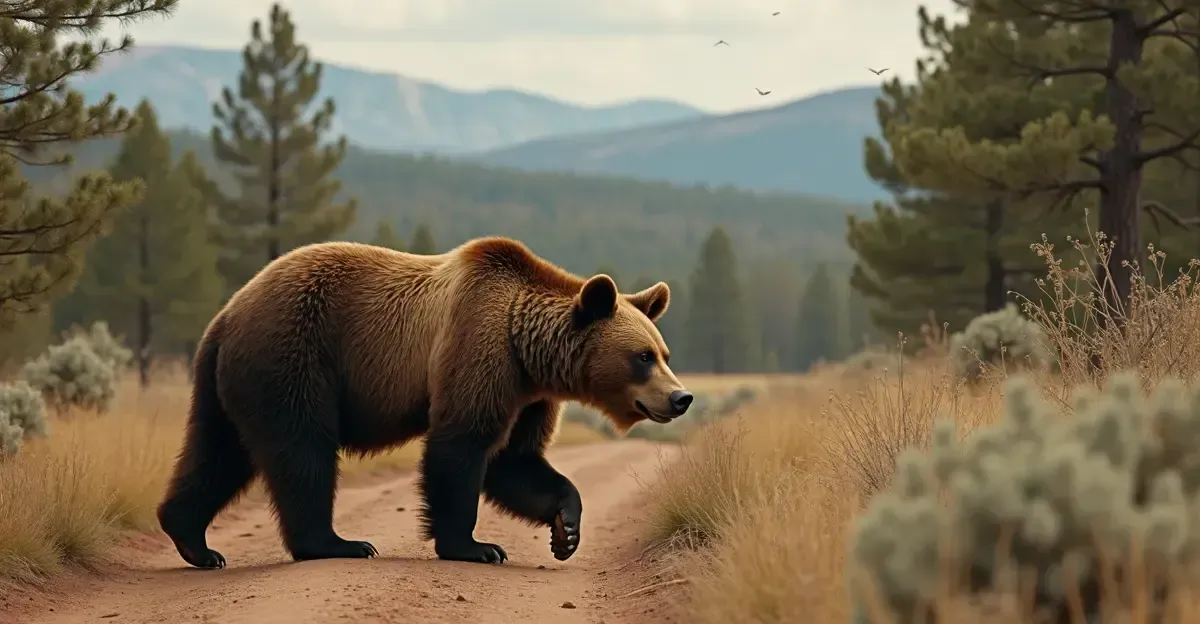
A retired couple from Regina, Saskatchewan, was killed by an American black bear (Ursus americanus) near McTavish Lake in northern Canada, authorities confirmed on July 17, 2026. The fatal black bear attack occurred while the couple was staying at their remote fly-in cabin, marking the second deadly bear encounter in the province this year.
The victims have been identified by family members as Jay and Deb MacDonald, both in their early 70s. According to the Canadian Broadcasting Corporation (CBC), the couple had a cabin at McTavish Lake, approximately 90 kilometers north of La Ronge, where they frequently stayed for fishing trips.
Discovery and Response
When the MacDonalds failed to respond to phone calls from family, relatives contacted local authorities. The brother of Jay MacDonald told CBC that Jay's body was found along the lakeshore. Deb's body was discovered the following day in a wooded area near the cabin. The Royal Canadian Mounted Police (RCMP) investigated but deemed the deaths not suspicious.
Conservation officers tracked and euthanized the bear responsible for the attack. The animal has been transported to a Canadian veterinary school for a necropsy to confirm its role in the incident. The Saskatchewan Coroner's Service and the Conservation Officer Service are conducting parallel investigations.
Rare but Rising Incidents
Fatal bear attacks in Canada remain rare, but data suggests an upward trend. According to a special report by The Origins Foundation, black bear attacks in Canada have already reached 8 incidents with 4 fatalities in the first half of the 2020s, compared to lower rates in previous decades. This Saskatchewan attack is the second fatal bear encounter in the province in 2026, following another deadly incident in May.
Across North America, from 2000 to 2017, there were 48 fatal bear attacks, with black bears responsible for 25 of those deaths. The overall chance of a bear attack is approximately 1 in 2.1 million, according to the World Animal Foundation. However, human encroachment on bear habitats and increased outdoor recreation are contributing to more frequent encounters.
Experts in wildlife conflict management point to food-conditioned bears as a growing concern. Doug Clark, a bear expert at the University of Saskatchewan, noted that offensive aggression by black bears in the province appears to be increasing, often driven by food motivation.
Bear Safety in Remote Areas
Authorities have issued warnings to residents, cabin owners, and outdoor recreation users in northern Saskatchewan to exercise caution. The bear safety tips for campers include making noise while hiking, carrying bear spray, securing food and garbage, and never approaching wildlife.
According to the U.S. National Park Service and BearWise.org, key safety measures include:
- Never feed bears intentionally or unintentionally
- Store food in bear-resistant containers
- Clean grills and cooking areas thoroughly
- Hike in groups and make noise to avoid surprising bears
- Carry bear spray and know how to use it
- If encountering a bear, back away slowly; never run
In the event of an attack, experts advise fighting back with bear spray or any available object, as playing dead is not effective against predatory attacks.
Impact on Local Community
The MacDonald couple were well-known in Regina, where they had lived for decades. Their cabin at McTavish Lake was a cherished retreat. The brother of Jay MacDonald expressed shock and grief, stating that the couple had seen black bears in the area before but never experienced aggression.
Local officials have reminded the public that while bears are a natural part of the Saskatchewan landscape, precautions are essential. The Ministry of Community Safety confirmed that the bear was euthanized to prevent further incidents.
FAQ: Black Bear Attacks in Canada
How common are fatal black bear attacks in Canada?
Fatal black bear attacks are rare, with an average of fewer than one per year nationally. However, the frequency has increased in the 2020s, with 4 fatalities already recorded in the first half of the decade.
What should you do if you encounter a black bear?
Stay calm, do not run, and back away slowly while avoiding direct eye contact. Make yourself look larger and speak firmly. Carry bear spray as a deterrent.
Why do black bears attack humans?
Most attacks occur when bears feel threatened, are protecting cubs, or are food-conditioned to associate humans with easy meals. Defensive attacks are most common.
What is being done to prevent bear attacks in Saskatchewan?
Conservation officers monitor bear activity, respond to conflict reports, and euthanize dangerous bears. Public education campaigns encourage proper food storage and awareness.
Are bear attacks increasing in Canada?
Data indicates a rise in both grizzly and black bear attacks over the past decade, likely due to human population growth, increased outdoor recreation, and habitat overlap. However, the overall risk remains very low.




Follow Discussion