


 Deutsch
 English
 Español
 Français
 Nederlands
 Português


 Share
Share




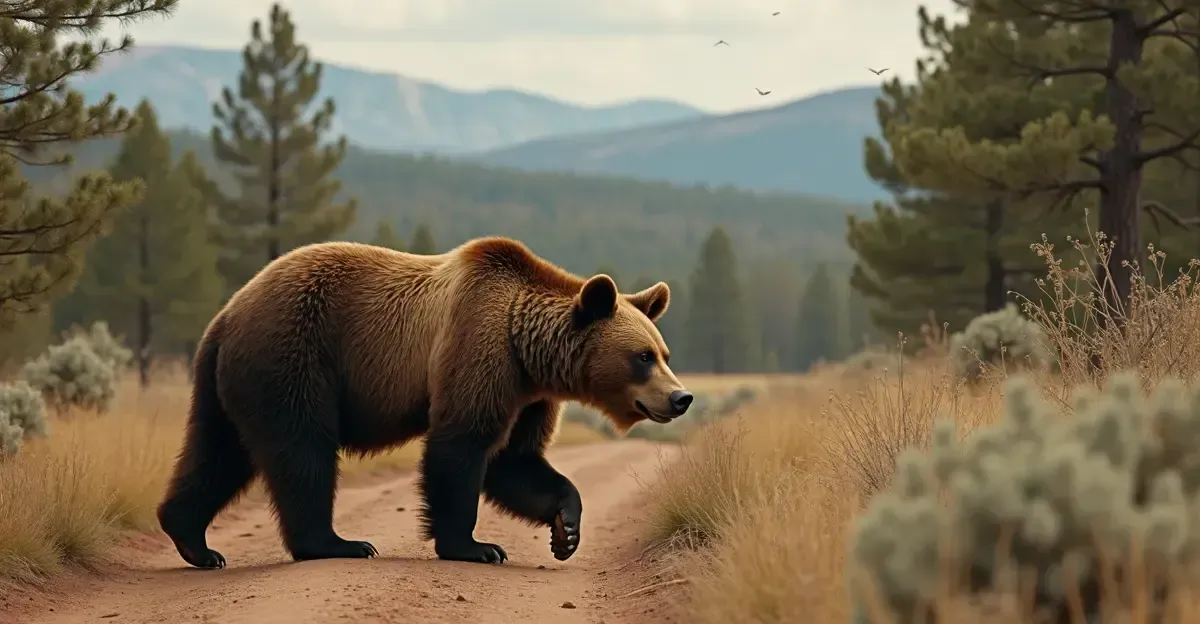
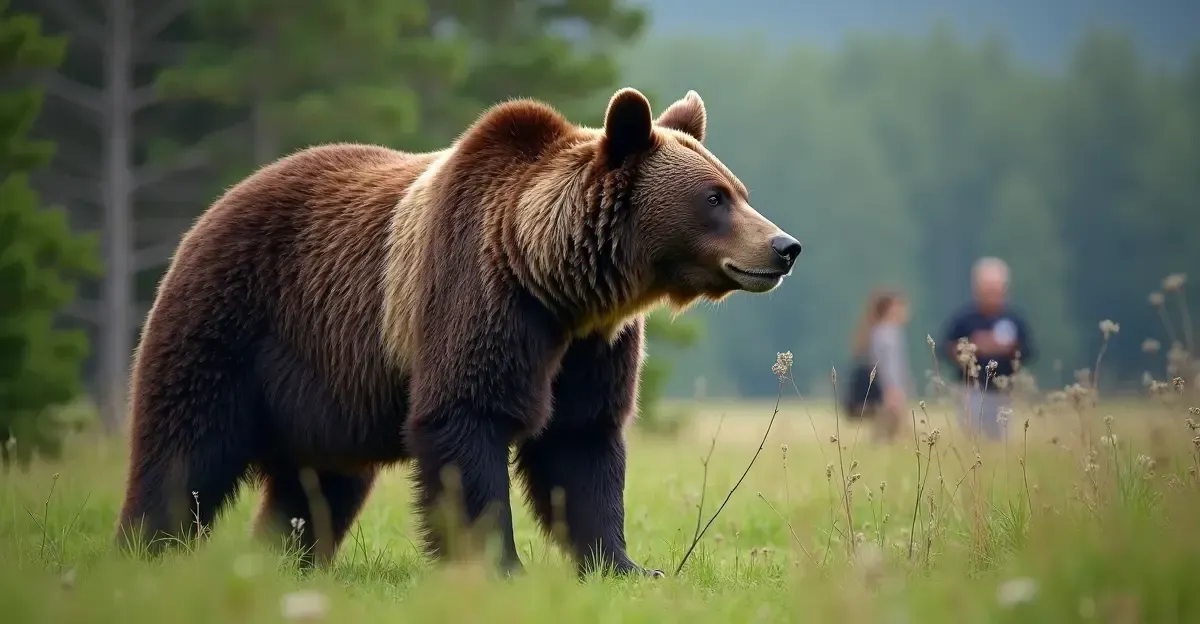
In an unprecedented move, the Japanese city of Utsunomiya, located about 100 kilometers north of Tokyo, closed all 94 of its elementary and middle schools on Monday after its first-ever recorded bear sighting. The Asian black bear was initially spotted in a residential area near a park on Saturday evening and remains at large, with the latest sighting early Monday morning just half a kilometer from a middle school. This incident highlights a growing crisis of human-bear conflicts across Japan, where bear populations have surged and encounters in urban areas are becoming increasingly common.
Background: Japan's Rising Bear Crisis
Japan has seen a dramatic increase in bear-related incidents in recent years. According to the Ministry of the Environment, the Asian black bear population has tripled since 2012, from approximately 15,000 to an estimated 44,000 individuals. The Ussuri brown bear population on Hokkaido has also doubled. This population boom has led to a record number of attacks: in 2025, Japan recorded 13 deaths and over 100 injuries from bear encounters, the highest toll since record-keeping began. The rising bear attacks in Japan have prompted the government to establish a task force this year to mitigate casualties.
What Happened in Utsunomiya?
The bear was first seen on Saturday evening in a park within Utsunomiya, a city of approximately 500,000 residents. Despite efforts by local authorities to capture the animal, it remained at large. Early Monday morning, the bear was spotted near a middle school, prompting the city to close all 94 public elementary and junior high schools as a precautionary measure. City officials stated that schools would remain closed until the bear is captured and safety can be guaranteed. This is the first time a bear has ever been sighted in Utsunomiya, marking a significant expansion of bear habitat into urban areas.
Previous Incident in Fukushima
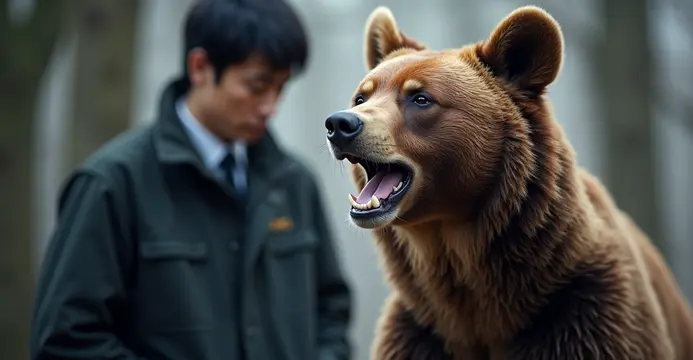
Just last week, a bear attack in neighboring Fukushima Prefecture left at least four people injured. Security footage captured a black bear pursuing a worker at the entrance of a factory and knocking him to the ground. Such incidents were once rare in Japan's densely populated regions but are now occurring with alarming frequency.
Why Are Bear Encounters Increasing?
Experts point to several interrelated factors driving the surge in human-bear conflicts:
- Climate change: Warmer temperatures and erratic weather patterns have led to poor mast years, reducing the availability of natural food sources such as acorns and beechnuts. This forces bears to venture into human settlements in search of food.
- Rural depopulation: Japan's aging population and migration to cities have left many rural villages abandoned. Farmland reverts to forest, creating new habitat for bears while reducing human presence that once kept them at bay.
- Decline in hunting: The number of licensed hunters in Japan has plummeted from 517,800 in 1975 to just 218,500 by 2020, with the average age now over 65. This has drastically reduced the culling of bear populations.
- Successful conservation: Earlier conservation efforts protected bear habitats and restricted hunting, allowing populations to recover robustly.
Wildlife biologist Masahiro Ohnishi noted that the combination of these factors has created a perfect storm. The impact of climate change on wildlife is particularly acute in Japan, where bears rely heavily on specific tree mast that now fails regularly.
Government Response and Future Measures
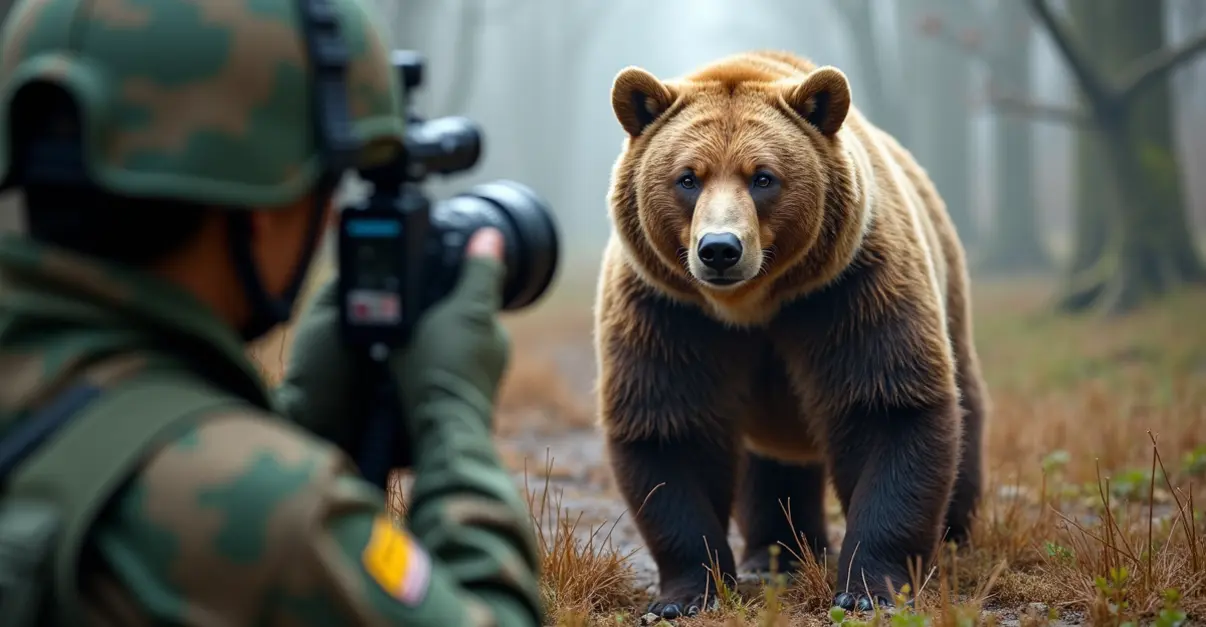
In response to the escalating crisis, Japan's Environment Ministry has proposed a $25 million budget for local response teams and public education programs. The government has also authorized the deployment of Self-Defense Forces personnel to assist with bear management and has granted police the authority to shoot bears when necessary. Some prefectures have established capture targets and are creating buffer zones between bear habitats and residential areas.
However, conservationists argue that long-term solutions must focus on coexistence rather than culling alone. Recommendations include improved waste management to remove food attractants, reforestation with native food-bearing trees, and community-based wildlife patrols.
FAQ: Bear Encounters in Japan
What should I do if I encounter a bear in Japan?
Stay calm, do not run, and back away slowly while facing the bear. Avoid direct eye contact and make yourself appear larger by raising your arms. If attacked, use bear spray if available, or play dead if a defensive attack occurs.
How common are bear attacks in Japan?
Bear attacks have risen sharply, with 13 deaths and over 100 injuries recorded in 2025. In 2024, there were over 20,000 bear sightings across the country.
Which bear species are found in Japan?
Japan is home to two species: the Asian black bear (Ursus thibetanus) on Honshu and Shikoku, and the Ussuri brown bear (Ursus arctos) on Hokkaido.
Why are bears coming into cities?
Climate change has reduced natural food sources like acorns and beechnuts, forcing bears to seek food in human settlements. Rural depopulation and abandoned farmland also draw bears closer to urban areas.
What is the government doing about the bear crisis?
Japan has established a task force, proposed $25 million in funding, authorized police to shoot bears, and deployed Self-Defense Forces for bear management. Some regions are implementing capture quotas and buffer zones.

Follow Discussion