


 Deutsch
 English
 Español
 Français
 Nederlands
 Português


 Share
Share




What is Japan's Yonaguni Missile Deployment?
Japan has announced concrete plans to deploy surface-to-air missiles on Yonaguni Island, located just 110 kilometers east of Taiwan, with a specific timeline set for March 2031. This marks the first time Japan has provided a definitive schedule for this military deployment, which was initially announced in 2022 but lacked specific implementation details. The move represents a significant hardening of Japan's defense posture in the strategically vital Taiwan Strait region and comes amid escalating tensions with China, which claims Taiwan as its sovereign territory.
Strategic Context: Why Yonaguni Matters
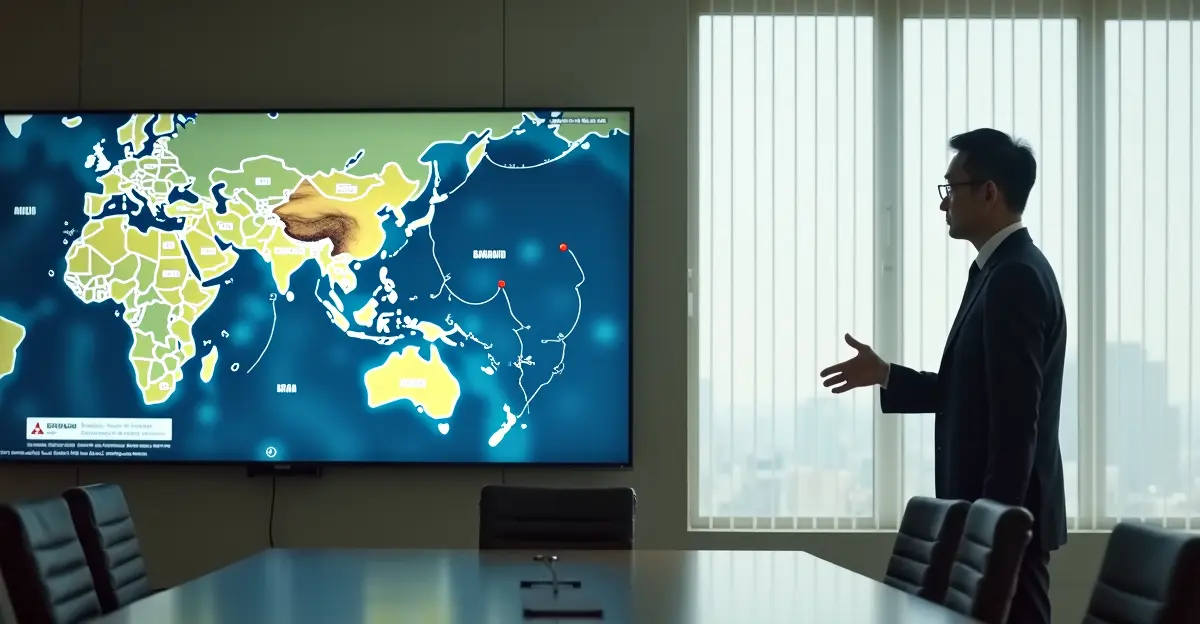
Yonaguni Island holds immense strategic importance due to its geographical location. As Japan's westernmost territory, the island sits closer to Taiwan (110km) than to Japan's main islands, and is actually closer to Taipei (approximately 160km) than to Tokyo (about 2,000km). This proximity makes Yonaguni a critical observation point for monitoring Chinese military activities in the Taiwan Strait. Over the past decade, Japan has systematically transformed Yonaguni from a quiet fishing community into a military outpost, currently staffed by approximately 160 Japanese Self-Defense Force personnel.
The missile deployment announcement follows recent diplomatic tensions between Tokyo and Beijing, particularly after Japanese Prime Minister Sanae Takaichi's controversial remarks in late 2025. Takaichi stated that a Chinese attack on Taiwan could "form a situation that threatens Japan's survival," suggesting potential Japanese military involvement in a Taiwan conflict scenario. This marked a departure from Japan's traditional ambiguity on Taiwan matters and triggered strong reactions from Beijing, which imposed economic sanctions and conducted large-scale military exercises in response.
Technical Specifications and Military Capabilities
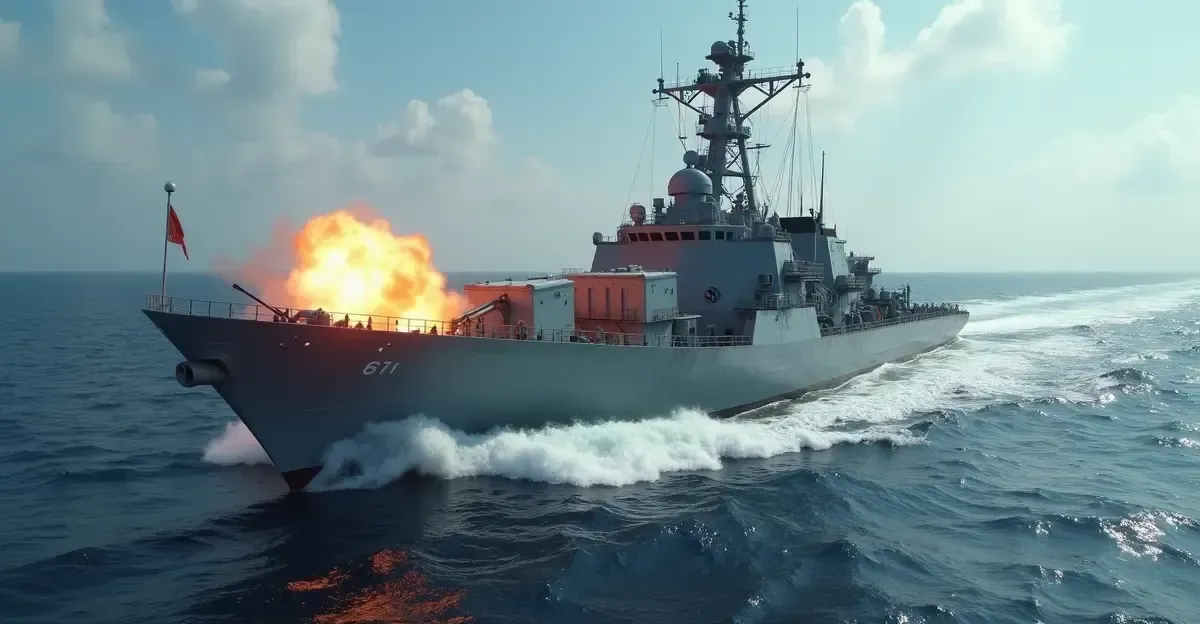
The missile system planned for Yonaguni represents advanced Japanese military technology. According to defense officials, the medium-range surface-to-air missiles will have several key capabilities:
- Range: Approximately 50 kilometers (31 miles) with 360-degree coverage
- Tracking capacity: Can monitor up to 100 targets simultaneously
- Engagement capability: Able to engage up to 12 targets at once
- Purpose: Primarily designed for missile interception but can also target naval vessels
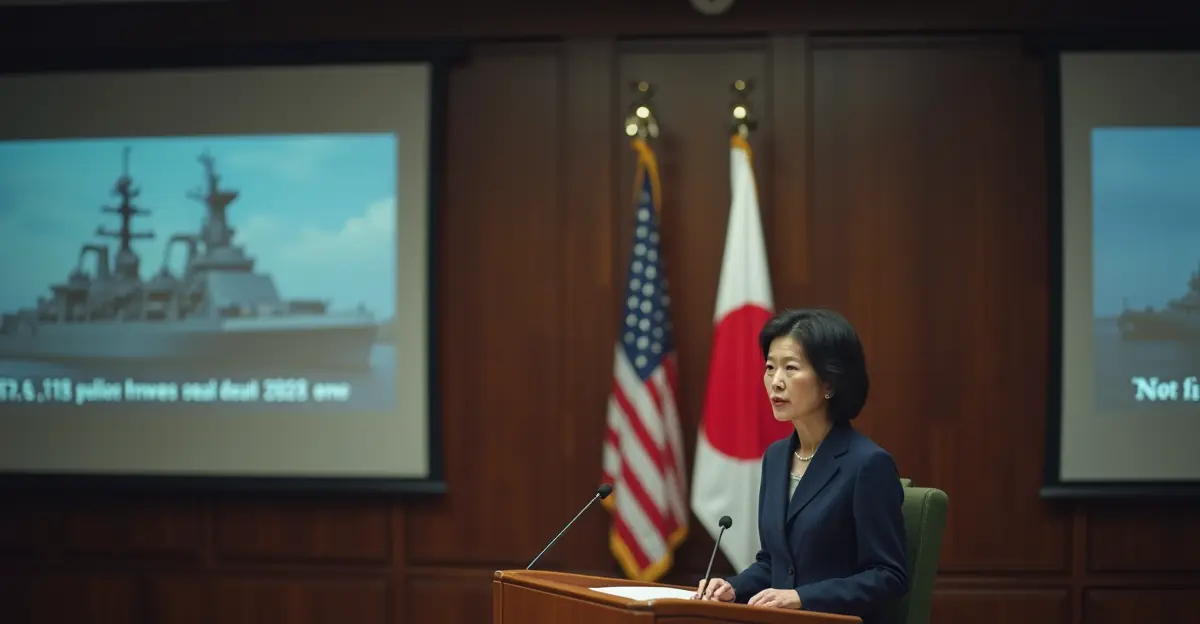
Japanese Defense Minister Shinjiro Koizumi explained that the deployment would depend on facility preparation progress, with planning scheduled for fiscal year 2030. The missiles are part of Japan's broader "active denial" strategy aimed at making it more difficult for potential adversaries to conduct military operations in the region. This approach aligns with Japan's increasing defense spending and military modernization efforts under Prime Minister Takaichi's administration.
Local Reactions and Geopolitical Implications
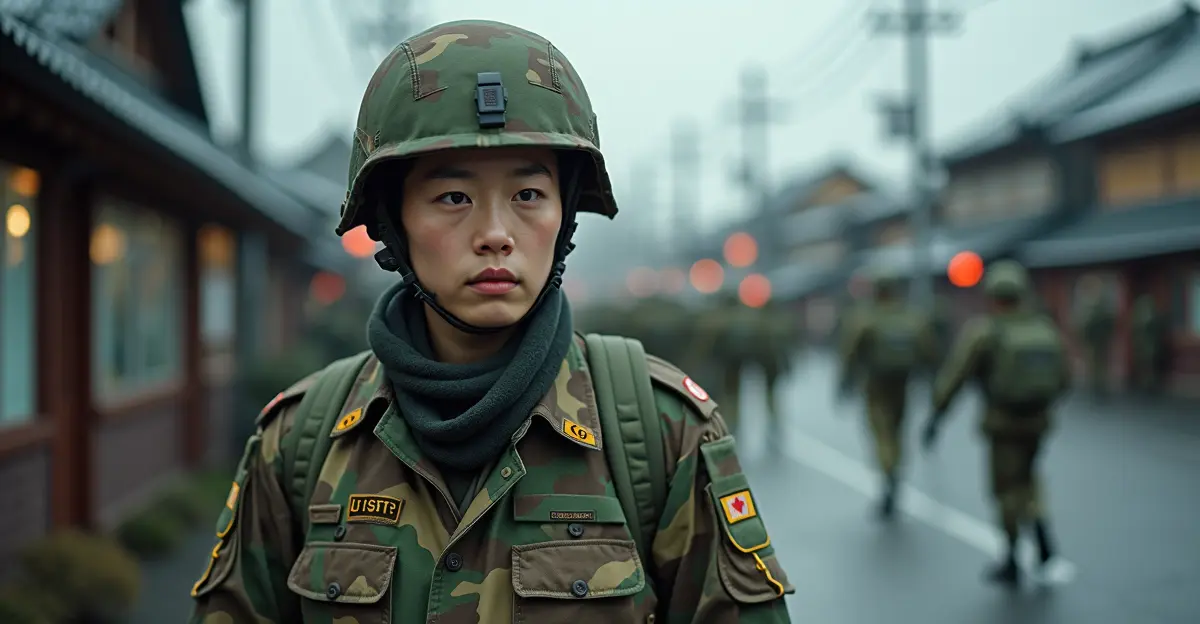
The missile deployment has generated mixed reactions among Yonaguni's approximately 1,700 residents. While some welcome the enhanced security and infrastructure improvements promised by the Japanese government, others express concern about becoming a potential target in any regional conflict. "The residents of Yonaguni saw this development coming for a long time," noted Japan correspondent Anoma van der Veere. "Under the previous mayor, the municipality gave permission for the construction of a missile base in exchange for air raid shelters, a more accessible port, and better evacuation options in case of a possible conflict around Taiwan."
China has responded strongly to Japan's announcement, with Beijing's top diplomat accusing Japan of seeking to "revive militarism" and creating "regional tension and provoking military confrontation." China has already taken several countermeasures, including restricting exports to Japanese companies and discouraging travel to Japan. The situation reflects broader US-China strategic competition in the Asia-Pacific region, with Japan increasingly positioning itself as a key security partner for the United States in containing Chinese expansion.
Broader Regional Security Dynamics
Japan's missile deployment on Yonaguni represents part of a larger strategic shift in the region. Over the past several years, Japan has been gradually shedding its post-World War II pacifist constraints, driven by concerns about China's growing military capabilities and pressure from the United States to assume greater regional security responsibilities. The Yonaguni deployment follows other significant military developments, including plans to establish an electronic warfare unit on the island in 2026 and regular joint Japan-US military exercises in the area.
Analysts view this move as particularly significant because it marks Japan's first specific timeline for deploying advanced missile systems so close to Taiwan. The deployment could potentially alter the military balance in the Taiwan Strait, making it more challenging for China to conduct operations without facing Japanese interception capabilities. However, it also increases the risk of escalation, as any conflict involving Taiwan could now more easily draw in Japan, potentially triggering broader regional hostilities.
Frequently Asked Questions
When will Japan deploy missiles on Yonaguni Island?
Japan plans to deploy surface-to-air missiles on Yonaguni Island by March 2031, with planning scheduled for fiscal year 2030.
How far is Yonaguni from Taiwan?
Yonaguni Island is located just 110 kilometers (68 miles) east of Taiwan, making it closer to Taipei than to Tokyo.
What type of missiles will Japan deploy?
Japan will deploy medium-range surface-to-air missiles with approximately 50km range, capable of tracking 100 targets and engaging 12 simultaneously.
Why is China opposed to the deployment?
China considers Taiwan part of its territory and views Japan's military buildup near Taiwan as provocative interference in its internal affairs.
How have Yonaguni residents reacted?
Reactions are mixed, with some residents welcoming improved infrastructure and security, while others fear becoming targets in potential conflicts.


Follow Discussion