


 Deutsch
 English
 Español
 Français
 Nederlands
 Português


 Share
Share




What is Japan's Defense Expansion Crisis?
Japan's ambitious military expansion under Prime Minister Sanae Takaichi faces a critical crisis as defense officials warn that the Self-Defense Forces (SDF) cannot keep pace with the government's rapid buildup plans. Following Takaichi's historic election victory in February 2026, where her Liberal Democratic Party secured more than two-thirds of Lower House seats, the government has pushed for 'fundamental strengthening of defense capabilities' with defense spending soaring to 11 trillion yen ($72.1 billion) - reaching 2% of GDP for the first time. However, senior defense officials have expressed deep concerns to The Asahi Shimbun that the SDF lacks the personnel, infrastructure, and operational capacity to implement these ambitious plans effectively.
Background: Japan's Military Transformation
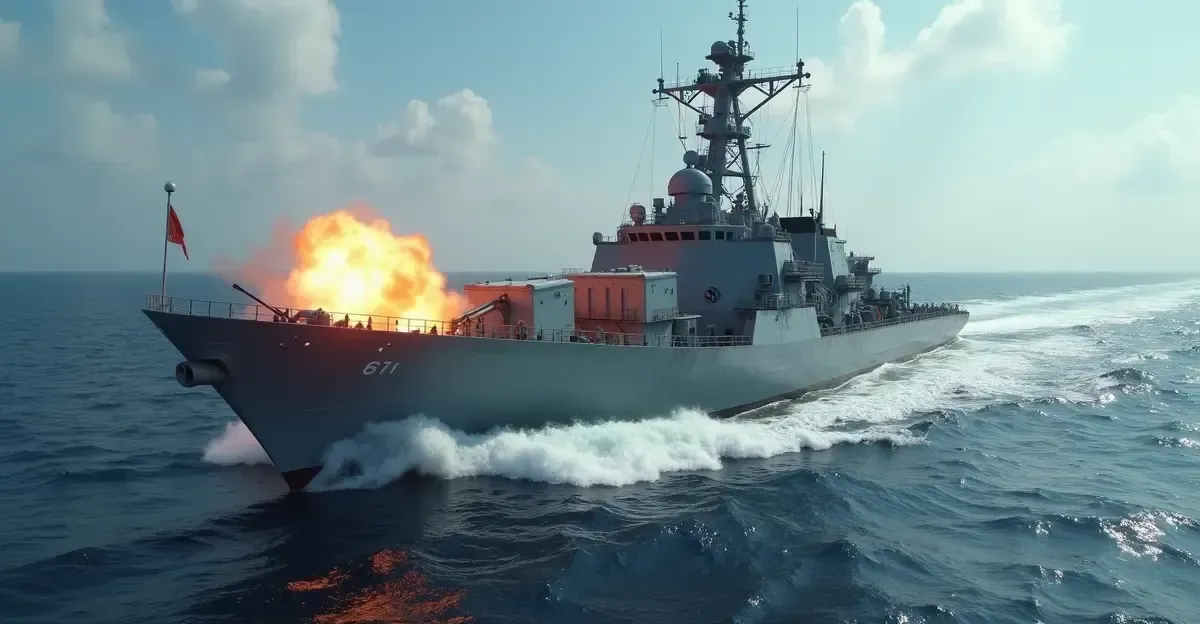
Japan's defense posture has undergone significant transformation in recent years, driven by escalating tensions with China and regional security concerns. The country has approved a record $58 billion defense budget for fiscal year 2026, marking a 9.4% increase and the 12th consecutive year of record spending. This expansion represents Japan's most significant military overhaul since World War II, with Prime Minister Takaichi breaking from traditional pacifist constraints by ending the LDP's coalition with Komeito and partnering instead with the Japan Innovation Party. The strategic shift comes amid growing concerns about China's military expansion and increasing incidents in the East China Sea, where Japanese aircraft have recently faced radar locking from Chinese counterparts.
Critical Challenges Facing Japan's Military Expansion
Severe Personnel Shortage Crisis
The most pressing issue is Japan's chronic personnel shortage, with the SDF currently operating with about 20,000 fewer personnel than its capacity of 247,000. The recruitment crisis has reached critical levels, with the fill rate dropping below 90% for the first time in 25 years. The Maritime Self-Defense Force faces particularly acute staffing problems, failing to meet its annual recruitment goal of 20,000 new recruits. This shortage directly impacts the feasibility of ambitious projects like nuclear-powered submarines, which require specialized crews twice the size of conventional submarines. As one defense official noted, 'We're trying to build a modern military with an empty toolbox when it comes to personnel.'
Drone Warfare Infrastructure Gap
The government's 'Shield Initiative' to deploy thousands of attack drones along Japan's coastline faces significant operational hurdles. Despite allocating over 100 billion yen ($640 million) for drone procurement in the next fiscal year, defense officials report that the SDF lacks clear operational vision and proper training environments for large-scale drone deployment. Training facilities are too small and located too close to populated areas, while frequency band limitations restrict simultaneous drone operations. A defense ministry official told The Asahi Shimbun that the drone plan is being called a 'hollow plan' both within and outside the ministry, as equipment is being introduced before operational procedures are established.
Nuclear Submarine Personnel Requirements
The proposed acquisition of nuclear-powered submarines, euphemistically called 'next-generation powered ships' by the LDP, faces particularly daunting personnel challenges. These vessels require highly specialized crews for reactor operation and maintenance, with crew sizes approximately double those of conventional submarines. The harsh working conditions on submarines - including restrictions like showering only once every three days to avoid sonar detection and prohibitions on telling families deployment durations - make recruitment even more difficult. While the government considers salary increases for submarine crews, officials doubt this will solve the fundamental recruitment crisis.
Impact on Regional Security and Defense Strategy
The personnel and infrastructure gaps have significant implications for Japan's security posture and regional stability. Frontline forces are reportedly exhausted from frequent scrambles against Chinese aircraft, with officials warning that without adequate diplomatic efforts alongside military buildup, accidental clashes could escalate into conflict. The China military expansion in South China Sea has increased pressure on Japan's defense capabilities, making the personnel crisis particularly concerning. Additionally, Japan's ability to implement its new standoff missile capabilities and coastal defense systems depends heavily on having sufficient trained personnel to operate these advanced systems effectively.
Government Response and Proposed Solutions
The Japanese government has introduced several measures to address the personnel crisis, including abolishing the cadet program and creating a limited-term service system with higher starting salaries (over ¥220,000 per month compared to the previous ¥157,100). Additional initiatives include establishing special allowances, improving barracks with private rooms, and allowing social media use on major vessels. However, defense experts argue that these measures address symptoms rather than the root causes of the recruitment crisis. The government also faces fiscal constraints from Japan's ballooning national debt, estimated to reach 1,150 trillion yen by 2026, which may force trade-offs between defense ambitions and economic stability.
FAQ: Japan's Defense Expansion Challenges
What is causing Japan's military personnel shortage?
Japan's personnel shortage results from multiple factors including early retirement ages (55-56), concerns about post-retirement employment, income issues compared to private sector jobs, and recent sexual misconduct incidents that have damaged the SDF's reputation. The country's declining population and competitive job market further exacerbate recruitment challenges.
How does the drone program face operational challenges?
The drone initiative faces infrastructure limitations including insufficient training areas, frequency band restrictions for simultaneous operations, and proximity to populated areas that creates electromagnetic interference risks with civilian devices. Operational procedures are being developed after equipment procurement rather than before.
What are the implications for regional security?
The personnel crisis undermines Japan's ability to respond effectively to regional threats, particularly from China's expanding military presence. Exhausted frontline forces and inadequate staffing for new systems increase the risk of miscalculation or inadequate response during crises.
How is the government addressing submarine crew shortages?
The government is considering salary increases for submarine crews and improving working conditions, but officials remain skeptical about these measures' effectiveness given the fundamental challenges of submarine service and Japan's broader recruitment crisis.
What is the timeline for Japan's defense spending increase?
Japan aims to reach 2% of GDP defense spending by March 2027, accelerating the original timeline. The 2026 budget represents a 9.4% increase to $58 billion, continuing a trend of record defense expenditures.


Follow Discussion