


 Deutsch
 English
 Español
 Français
 Nederlands
 Português


 Share
Share




Japan Ends Decades-Long Weapons Export Restrictions in Historic Policy Shift
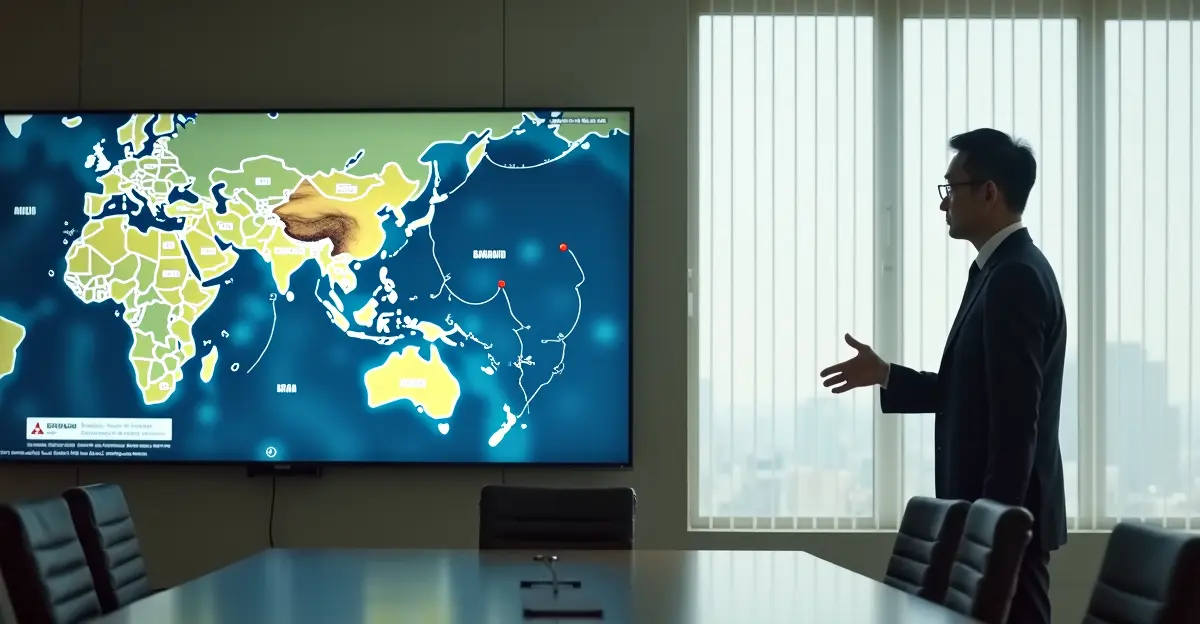
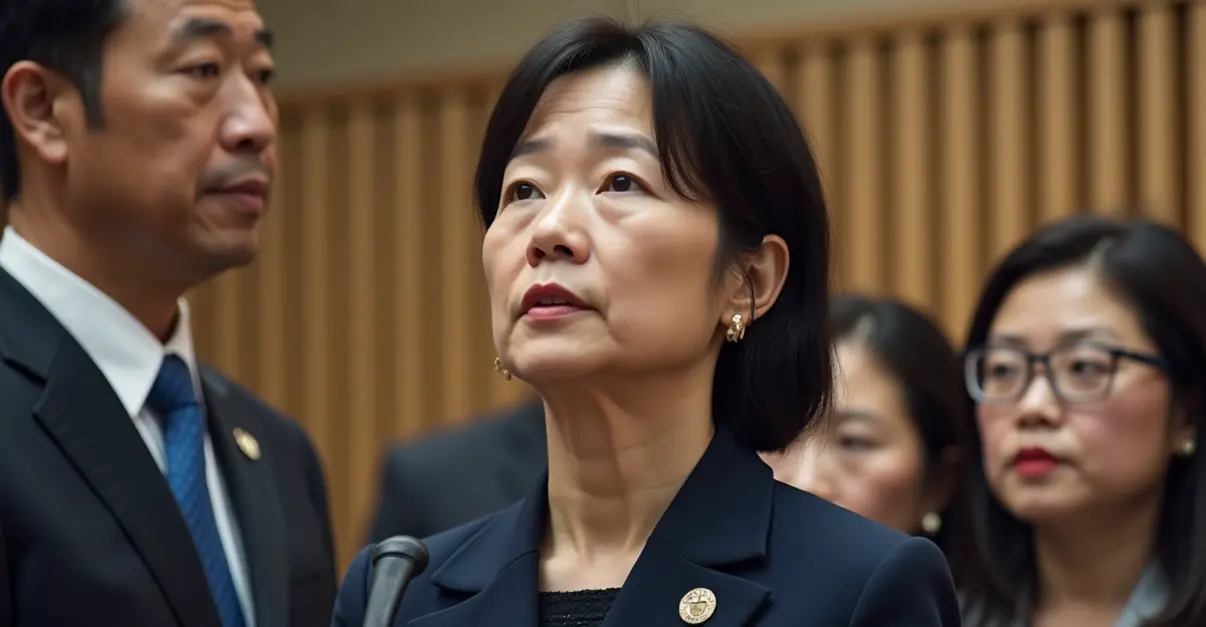
Japan has officially scrapped its decades-long restrictions on weapons exports, marking a historic departure from the country's post-World War II pacifist stance. Prime Minister Sanae Takaichi announced the policy revision on Tuesday, April 21, 2026, ending limitations that have governed Japan's defense exports since 1967. This monumental shift allows Japan to export military equipment including warships, missiles, and fighter jets to partner nations, fundamentally altering the Asia-Pacific security landscape and positioning Japan as a potential major player in the global arms market.
What Are Japan's Weapons Export Restrictions?
Japan's weapons export restrictions, known as the Three Principles on Arms Exports, were established in 1967 and prohibited arms transfers to: (1) communist bloc countries, (2) nations under UN Security Council arms embargoes, and (3) countries involved in international conflicts. In 1976, Japan added a collateral policy guideline that effectively banned arms exports to all other destinations as well. These restrictions were part of Japan's commitment to its pacifist constitution, particularly Article 9, which renounces war as a means of settling international disputes.
Key Changes in the 2026 Policy Revision
The new policy framework represents a complete overhaul of Japan's defense export regime:
- Lethal Weapons Export Authorization: Japan can now export all types of military equipment, including previously restricted lethal weapons
- Expanded Partner Countries: Exports permitted to at least 17 eligible nations committed to using weapons in accordance with UN Charter principles
- Strategic Equipment Transfers: Allows sharing of advanced defense technologies with allied nations
- Maintained Safeguards: Retains strict controls including prohibitions on sales to countries involved in active conflicts
Why Japan Changed Its Weapons Export Policy
Prime Minister Takaichi explained the rationale behind this historic shift, stating on X: 'No single country can now protect its own peace and security alone. Partner countries that support each other in defense equipment are necessary.' This statement reflects several key factors driving the policy change:
Geopolitical Context and Security Concerns
The policy revision comes amid growing regional tensions and global security challenges. The ongoing conflicts in Ukraine and the Middle East have strained American weapons production capacity, creating demand for alternative suppliers. Additionally, concerns about the reliability of U.S. support under potential future administrations have prompted allies to diversify their defense procurement sources.
Japan's decision also responds to increasing security threats in the Indo-Pacific region, where China's military expansion has raised concerns among neighboring countries. The policy shift enables Japan to strengthen defense partnerships with nations like Australia, the Philippines, and Poland, which have already expressed interest in Japanese military equipment.
Economic and Strategic Considerations
The new policy positions Japan's defense industry for significant growth. With advanced technological capabilities in naval vessels, missile systems, and aerospace technology, Japanese companies like Mitsubishi Heavy Industries stand to benefit from expanded export opportunities. The policy also supports Japan's broader strategic goal of playing a more active role in regional security architecture.
Historic Australia-Japan Defense Deal
The policy change follows Japan's largest-ever defense export contract: a $7.15 billion agreement with Australia for 11 Mogami-class frigates. Signed on Saturday, April 18, 2026, this landmark deal involves:
| Component | Details |
|---|---|
| Contract Value | $7.15 billion (largest in Japan's post-war history) |
| Number of Ships | 11 Mogami-class multi-mission frigates |
| Initial Delivery | First 3 ships built in Japan, delivered by December 2029 |
| Australian Production | Remaining 8 ships built at Henderson shipyard in Perth |
| Strategic Significance | Replaces Australia's aging Anzac-class frigates |
Defense Minister Shinjiro Koizumi and Australian counterpart Richard Marles signed the agreement aboard the JS Kumano in Melbourne, marking a new era in Japan-Australia defense cooperation.
Export Principles and Safeguards
Despite lifting the export ban, Japan maintains several key principles to ensure responsible arms transfers:
- Conflict Participation Prohibition: No sales to countries currently involved in armed conflicts
- Strict Import Controls: Rigorous oversight of recipient nations' compliance with usage restrictions
- National Security Exceptions: Limited exceptions permitted when deemed necessary for Japan's security
- UN Charter Compliance: Recipients must commit to using equipment in accordance with international law
Prime Minister Takaichi emphasized that 'Japan remains committed to its peace-loving principles while making strategic equipment transfers with rigorous oversight.'
Regional and Global Implications
The policy shift has significant implications for regional security dynamics and global arms markets:
Regional Security Architecture
Japan's entry as a weapons exporter could reshape security partnerships in the Asia-Pacific region. The country's advanced defense technology, particularly in naval warfare and missile defense systems, provides partner nations with alternatives to traditional suppliers. This development comes as China has already criticized the move, vowing to resist what it calls Japan's 'reckless new-style militarization.'
Global Arms Market Impact
Japan's defense industry, with its reputation for high-quality manufacturing and technological innovation, could capture significant market share in specific defense sectors. Countries like Poland and the Philippines have already expressed interest in Japanese equipment, suggesting potential for expanded defense partnerships beyond traditional allies.
Frequently Asked Questions (FAQ)
What weapons can Japan now export?
Japan can export all types of military equipment including warships, fighter jets, missiles, and advanced defense technologies that were previously restricted under the 1967 export ban.
Which countries can receive Japanese weapons exports?
At least 17 eligible countries that commit to using the equipment in accordance with UN Charter principles. Initial interest has come from Australia, Poland, the Philippines, and other partner nations.
Does this violate Japan's pacifist constitution?
The government maintains that the policy change aligns with Japan's constitutional commitment to peace while allowing for strategic defense cooperation. However, opposition groups and protesters argue it represents a departure from Japan's post-war pacifist principles.
What was the largest defense export deal Japan has signed?
The $7.15 billion agreement with Australia for 11 Mogami-class frigates, signed on April 18, 2026, represents Japan's largest post-war defense export contract.
Are there any restrictions remaining on Japanese weapons exports?
Yes, Japan maintains prohibitions on sales to countries involved in active conflicts and requires strict oversight of recipient nations' compliance with usage restrictions.

Follow Discussion