


 Deutsch
 English
 Español
 Français
 Nederlands
 Português


 Share
Share




World in Turmoil: Multiple Crises Unfold Across the Globe
July 2026 has emerged as one of the most volatile months in recent history, with a cascade of humanitarian, geopolitical, and environmental emergencies unfolding simultaneously. From renewed US-Iran hostilities in the Strait of Hormuz to deadly landslides in Rohingya refugee camps and a spiraling cholera outbreak in war-torn Sudan, the international community faces mounting pressure on multiple fronts. This article provides a comprehensive overview of the major events shaping global headlines as of July 11, 2026.
Strait of Hormuz: US-Iran Ceasefire Collapses
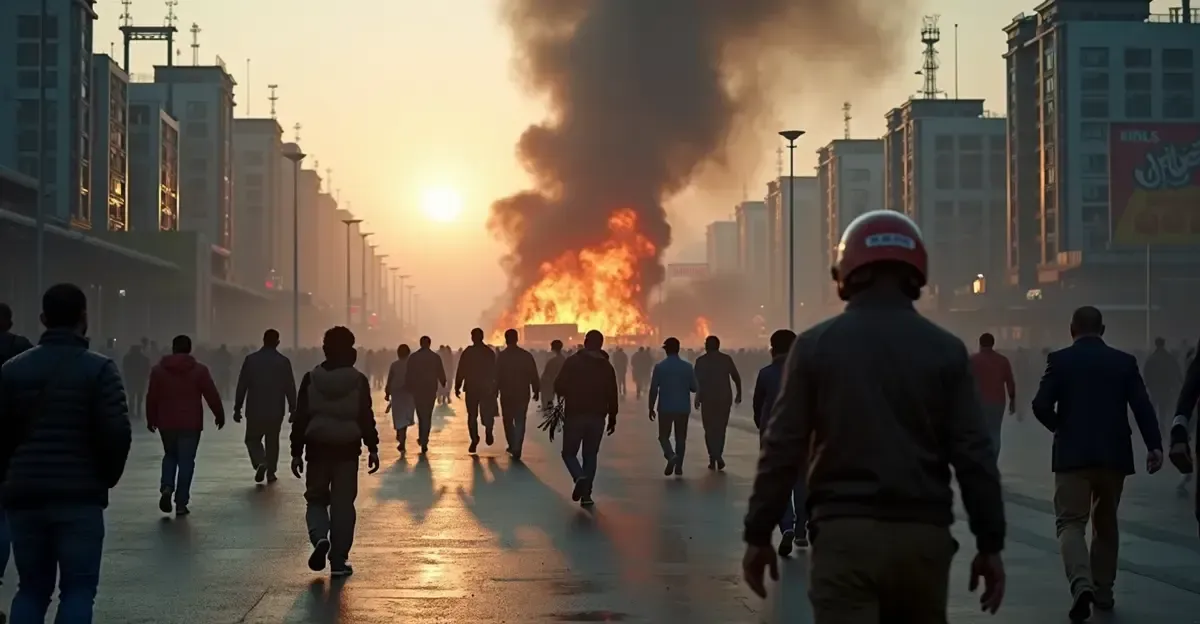
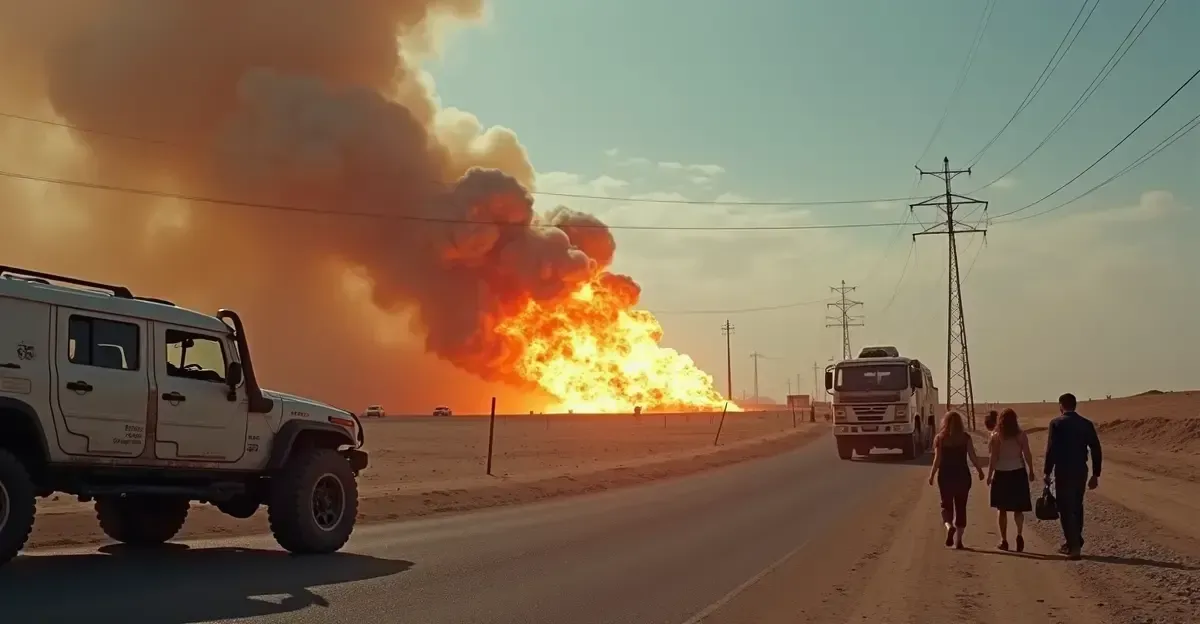
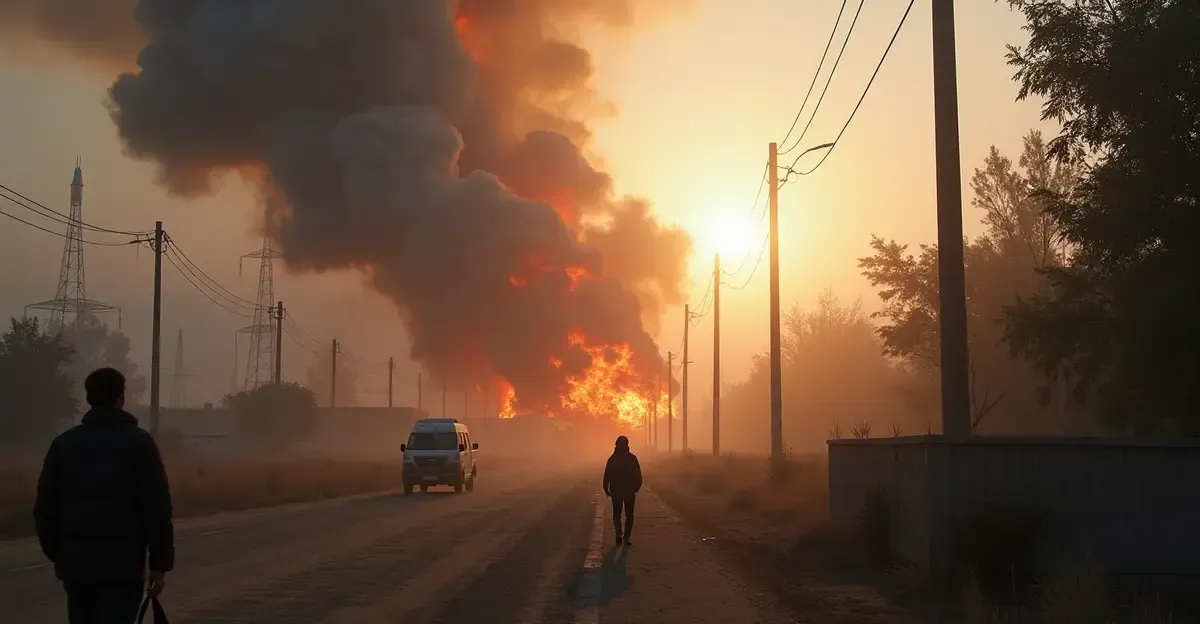
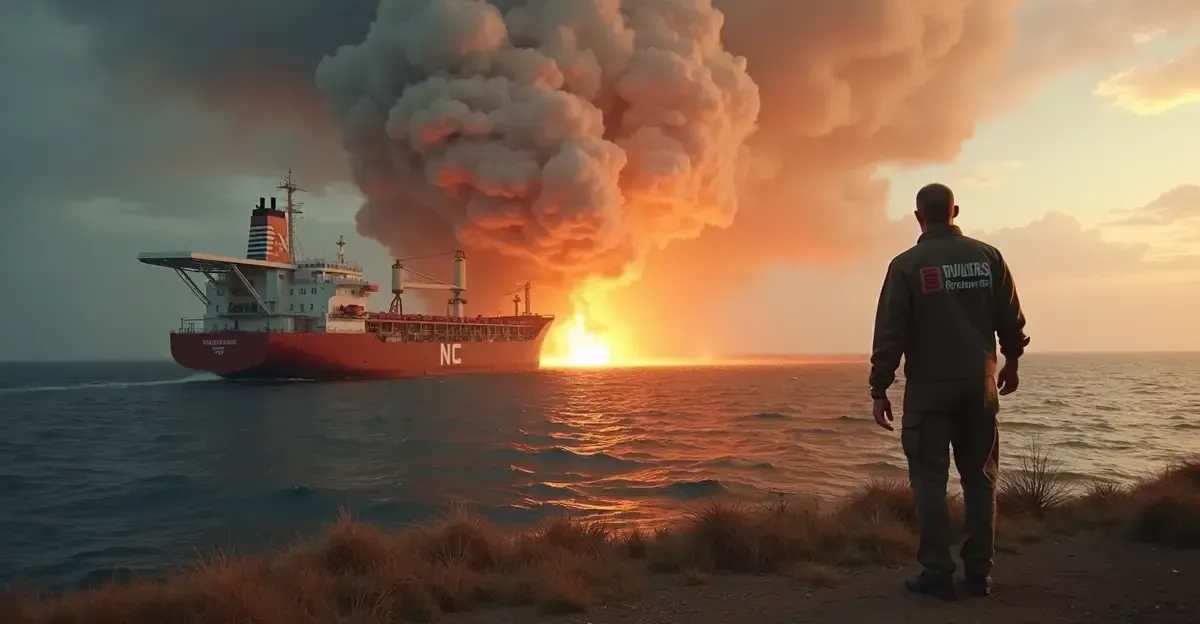
The fragile US-Iran ceasefire, brokered through the Islamabad Memorandum of Understanding on June 18, 2026, has shattered following a series of attacks on commercial vessels in the Strait of Hormuz. On July 6-7, Iranian forces struck three vessels, including the Qatari LNG tanker Al Rekayyat and the Saudi-flagged crude carrier Wedyan. The attacks prompted President Donald Trump to declare the ceasefire "over" on July 8, announcing fresh US military strikes against over 80 Iranian targets, including air defense systems, coastal radar, and anti-ship missile sites.
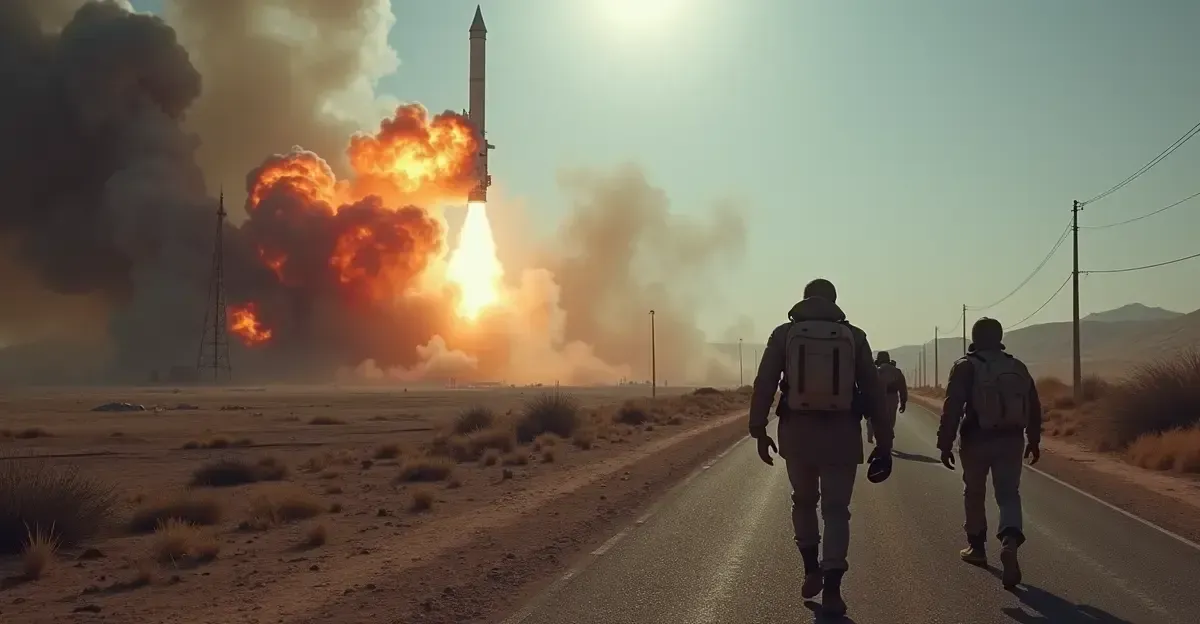
In retaliation, Iran launched missile and drone strikes against US military installations in Bahrain and Kuwait. Air defenses intercepted approximately 30 hostile targets, but the escalation has reignited fears of a broader regional war. The Strait of Hormuz crisis 2026 has sent shockwaves through global energy markets, with Brent crude spiking to around $120 per barrel before settling near $73 as of July 7, reflecting extreme volatility.
Global Energy Markets in Turmoil
The reopening of the Strait of Hormuz following the June ceasefire had briefly stabilized oil markets, with the US Energy Information Administration (EIA) projecting Brent crude to average $74 per barrel in Q3 2026. However, the renewed hostilities have thrown those forecasts into doubt. The US Treasury has reimposed oil sanctions on Iran, giving buyers until July 17 to wind down transactions. The strategic waterway, through which roughly 20% of the world's crude oil flows, remains a critical chokepoint. The UKMTO has elevated the Strait threat level from Substantial to Severe, triggering mandatory reporting protocols and naval escort requirements.
Humanitarian Catastrophe: Rohingya Landslides in Bangladesh
In a separate tragedy, heavy monsoon rains triggered multiple fatal landslides across the Rohingya refugee camps in Cox's Bazar, Bangladesh, on July 6, 2026. At least nine people, including eight Rohingya refugees, were killed when mud and debris buried their makeshift shelters while they slept. The landslides affected Camps 7, 11, and 15 in the Ukhiya complex. Among the victims were a seven-year-old boy, a married couple with their four-year-old son, and a woman with three children aged 13, 5, and 3.
The Rohingya camps, home to over one million refugees who fled ethnic cleansing in Myanmar in 2017, are notoriously vulnerable to landslides due to dense settlement, deforestation, and the construction of bamboo-and-plastic shelters on steep, deforested hillsides. A 2024 study by Sami et al. found that 2.19% of the camp area is at very high risk and 12.74% at high risk of landslides. Authorities have relocated about 1,000 refugees from landslide-prone slopes and plan to move thousands more as further heavy rain is forecast. The Rohingya refugee crisis 2026 continues to demand urgent international attention.
Sudan's Cholera Outbreak: A Public Health Emergency
In Sudan, a deadly cholera outbreak declared on June 27, 2026, has claimed at least 114 lives, with over 1,300 confirmed infections and a case fatality rate of 13.7% — described by the World Health Organization (WHO) as "extremely high." The outbreak is spreading across multiple states, particularly in Darfur and Kordofan, where ongoing fighting between the Sudanese army and the paramilitary Rapid Support Forces severely restricts humanitarian access.
WHO representative Shible Sahbani has expressed particular concern about the besieged city of al-Obeid, warning it could become "the second al-Fashir, or even worse." Sudan is already facing the world's largest humanitarian emergency, with over 33 million people in need of assistance. The rainy season is accelerating the spread of the waterborne disease, compounding the effects of mass displacement and the collapse of the healthcare system. The Sudan humanitarian crisis 2026 remains one of the most underfunded emergencies globally.
UN Warns of Lost Oversight on Iran's Nuclear Program
Adding to the geopolitical tensions, UN peace affairs chief Rosemary DiCarlo warned the Security Council on July 10 that the International Atomic Energy Agency (IAEA) has lost its ability to fully monitor Iran's nuclear program following US and Israeli strikes in February 2026. The IAEA has conducted no in-field verification activities under the Nuclear Non-Proliferation Treaty Safeguards Agreement and has lost continuity of knowledge across all of Iran's declared nuclear facilities. Inspectors remain unable to access the damaged Fordow, Natanz, and Isfahan facilities since strikes in June 2025.
The IAEA's June report confirmed that Iran continues enriching uranium to 60% purity, making it the only non-nuclear-weapon state doing so. Washington has urged UN members to enforce reinstated sanctions, while Russia has rejected allegations that Iran is pursuing nuclear weapons, noting that the IAEA has never verified the diversion of nuclear material for military purposes. The loss of oversight raises the risk of miscalculation and further escalation in an already volatile region.
AI Adoption in Asia-Pacific Trade: Slow but Promising
Amid the crises, a report from the Asian Development Bank (ADB) and UNESCAP released on July 10 offers a glimpse of technological progress. The Asia-Pacific Trade Facilitation Report 2026 finds that AI implementation in trade facilitation stands below 15% among surveyed economies, with levels ranging from 1% to 40% across subregions. While adoption remains low, the report highlights significant potential for AI to streamline customs procedures, reduce trade costs, and improve supply chain efficiency. Policymakers are urged to invest in digital infrastructure and capacity building to harness AI's transformative power for regional trade connectivity.
Impact and Implications
The convergence of these crises underscores the fragility of the current global order. The collapse of the US-Iran ceasefire threatens to destabilize the entire Middle East, with potential spillover effects on energy prices, global inflation, and supply chains. The humanitarian tragedies in Bangladesh and Sudan highlight the devastating toll of climate change, conflict, and inadequate international support. Meanwhile, the erosion of nuclear oversight raises the specter of proliferation in a region already on edge.
As world leaders grapple with these interconnected challenges, the need for coordinated multilateral action has never been more urgent. The coming weeks will be critical in determining whether diplomacy can prevail over escalation, and whether the international community can muster the resources and political will to address these overlapping emergencies.
Frequently Asked Questions
What caused the US-Iran ceasefire to collapse?
The ceasefire collapsed after Iran attacked three commercial vessels in the Strait of Hormuz on July 6-7, 2026, including a Qatari LNG tanker and a Saudi crude carrier. President Trump declared the ceasefire over and launched retaliatory strikes against Iranian military targets.
How many people died in the Bangladesh Rohingya landslides?
At least nine people, including eight Rohingya refugees and one Bangladeshi national, were killed in landslides triggered by heavy monsoon rains on July 6, 2026, in the Cox's Bazar refugee camps.
What is the current status of Sudan's cholera outbreak?
As of July 10, 2026, the cholera outbreak has killed at least 114 people and infected over 1,300, with a case fatality rate of 13.7%. The WHO warns the outbreak could worsen due to conflict, displacement, and the rainy season.
Has the IAEA lost oversight of Iran's nuclear program?
Yes, UN official Rosemary DiCarlo confirmed on July 10 that the IAEA has lost continuity of knowledge across all of Iran's declared nuclear facilities due to damage from US and Israeli strikes and lack of access for inspectors.
How are oil prices being affected by the Strait of Hormuz crisis?
Oil prices have been highly volatile. Brent crude spiked to around $120 per barrel after the attacks but fell back to ~$73 by July 7. The US has reimposed oil sanctions on Iran, adding further uncertainty to global energy markets.
Sources
- CNN, Fox News, Al Jazeera, Reuters, UN News, WHO, ADB/UNESCAP, EIA, The National News

Follow Discussion