


 Deutsch
 English
 Español
 Français
 Nederlands
 Português


 Share
Share




Ceasefire Shattered: US and Iran Exchange Fresh Strikes
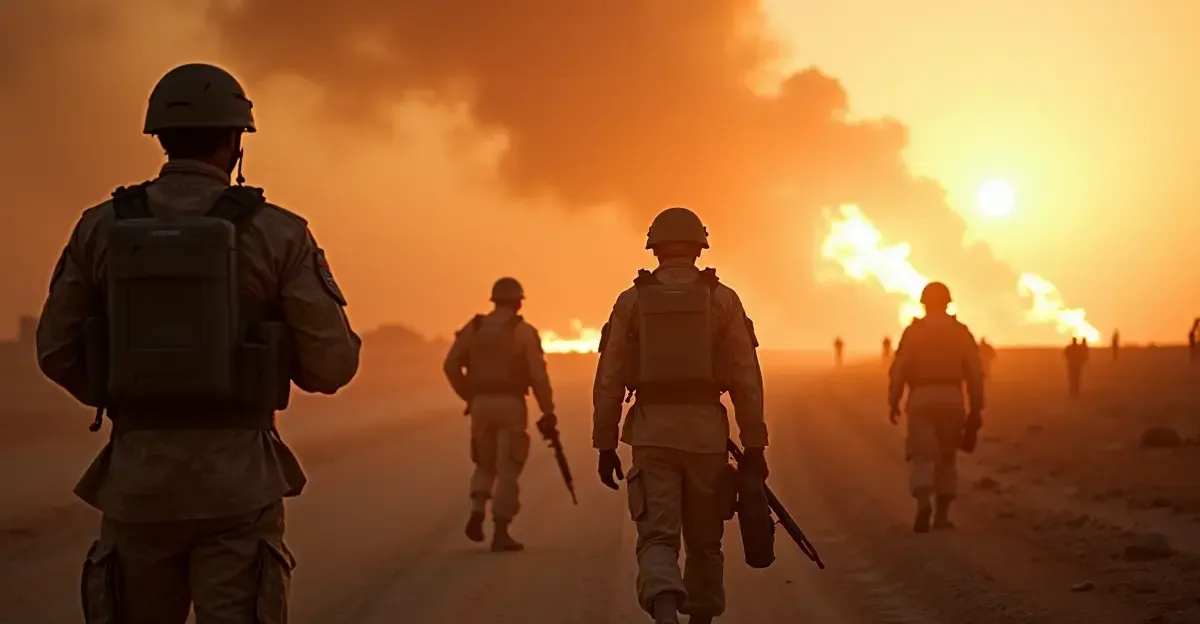
The fragile ceasefire between the United States and Iran has collapsed in spectacular fashion, with both sides exchanging heavy military strikes throughout the first week of July 2026. President Donald Trump declared the truce 'OVER' on July 8 after Iran attacked three commercial vessels in the strategic Strait of Hormuz, triggering a new wave of American airstrikes across Iranian territory. The escalation marks the most dangerous phase yet of the 2026 Iran War, threatening global energy supplies and regional stability.
The conflict, which began on February 28 when Israel—with US intelligence support—killed Iran's Supreme Leader Ali Khamenei, has already claimed an estimated 8,961 to 18,296 lives across all parties, according to the Military Spend casualty tracker updated through July 10. Civilian deaths alone are estimated between 1,779 and 3,757. The human toll continues to mount as diplomatic efforts falter.
Timeline of the Collapse
The June 17 Memorandum of Understanding
After a two-month air war following Khamenei's assassination, President Trump announced a ceasefire on April 7. On June 17, a 14-point Memorandum of Understanding (MOU) was signed, formalizing a 60-day ceasefire. Key provisions included ending the US naval blockade, reopening the Strait of Hormuz, and offering Iran economic incentives including oil sanctions waivers. For a brief period, the agreement held, and oil prices retreated to pre-conflict levels, with Brent crude falling to $70.82 per barrel by July 2.
The July 7 Attacks
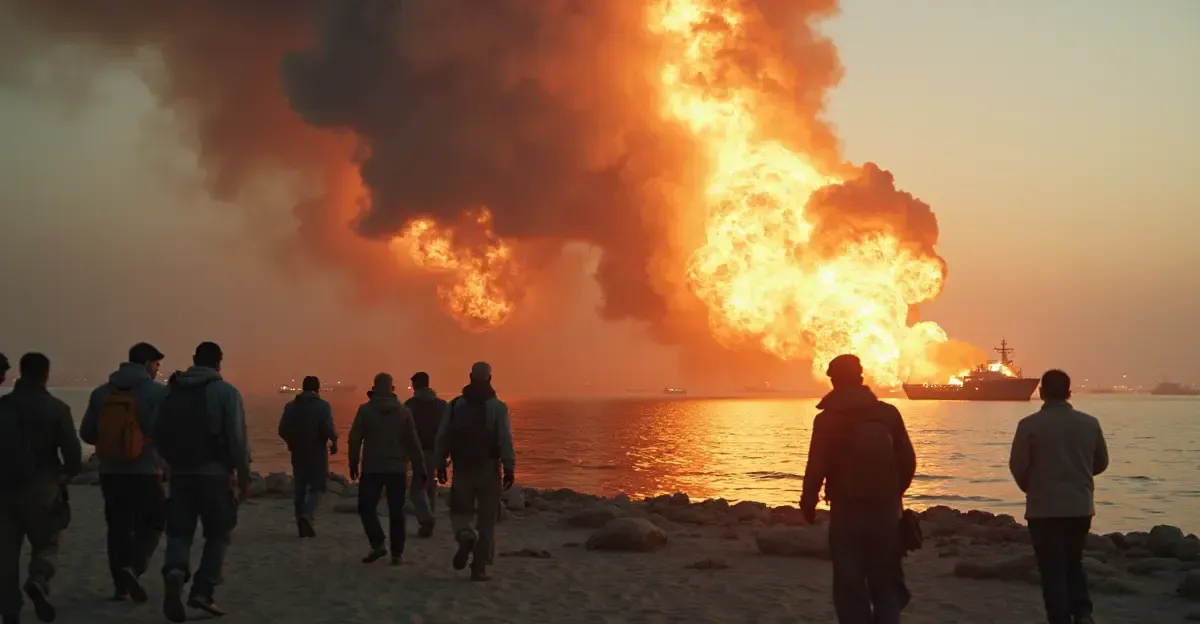
On July 7, Iran struck three commercial vessels near the Strait of Hormuz, including a Qatari-flagged LNG tanker (al-Rakiyat) and a Saudi crude oil carrier (Wedyan). The attacks occurred in Oman's territorial waters as President Trump departed for a NATO summit in Ankara. Qatar and Saudi Arabia condemned the strikes as grave violations of international law. The US responded by rescinding Iran's oil license and launching retaliatory strikes.
According to The War Zone, the US struck approximately 90 Iranian military targets along the coastline, including air defense systems, missile storage sites, and naval capabilities. Iran claimed strikes hit further inland, including near the Bushehr nuclear power plant and on railway bridges linking Tehran to Mashhad and Central Asia.
Iran's Revolutionary Guards responded on July 8 by targeting US military sites in Bahrain and Kuwait with missiles and drones, and claimed to have shot down a US MQ9 drone. The US Embassy in Jordan warned Americans to shelter in place as missiles entered Jordanian airspace; Jordan's military reported intercepting eight Iranian missiles.
Nuclear Concerns Resurface
Amid the military escalation, new concerns have emerged about Iran's nuclear program. A July 10 report from the Institute for Science and International Security revealed that Iran has begun repairing and reconstructing the Taleghan 2 nuclear site within the Parchin Military Complex near Tehran. Satellite imagery shows workers installing rebar mesh over bomb penetration holes from earlier US airstrikes conducted during Operation Epic Fury in March 2026.
The site had previously been destroyed in an Israeli airstrike in October 2024. A US official told Newsmax that the administration is closely monitoring Iran's nuclear sites, reiterating that 'Iran cannot retain enriched uranium.' The MOU had established a 60-day framework where Iran agreed not to advance its nuclear program and to cooperate with the IAEA—commitments now in question.
The Iran nuclear program crisis continues to be a central flashpoint in US-Iran relations, with the IAEA warning about lost continuity of knowledge on Iran's nuclear activities following the US-Israel attacks.
Global Economic Shockwaves
The renewed hostilities have sent shockwaves through global energy markets. Brent crude oil prices surged 5.7% to around $78.41 per barrel on July 8, according to CNBC. The Strait of Hormuz, through which about 20% of the world's crude oil flows, remains the critical flashpoint. Shipping traffic through the strait dropped over 80% at the height of the conflict, with insurance coverage canceled for vessels transiting the waterway.
The United Nations has warned of catastrophic consequences. UN Secretary-General António Guterres stated that the resumption of US-Iran hostilities 'risks derailing diplomatic progress made since the April ceasefire framework' and that a return to full-scale conflict 'would have catastrophic consequences for the region and global economy.' Around 6,000 seafarers remain stranded in the channel, according to the UN.
The global oil supply chain disruption is exacerbating existing economic pressures, with extreme summer heatwaves fueled by El Niño compounding the crisis by increasing energy demand and straining infrastructure.
Diplomatic Efforts Falter
Despite the collapse of the ceasefire, diplomatic channels remain open. Pakistan and Qatar are working to bring both sides back to negotiations. A US official told CNN that the US has been 'deliberately striking and then pausing to avoid escalation while diplomacy continues behind the scenes.' However, President Trump's declaration that the ceasefire is 'over' and his characterization of dealing with Iran as 'a waste of time' cast doubt on the prospects for a negotiated settlement.
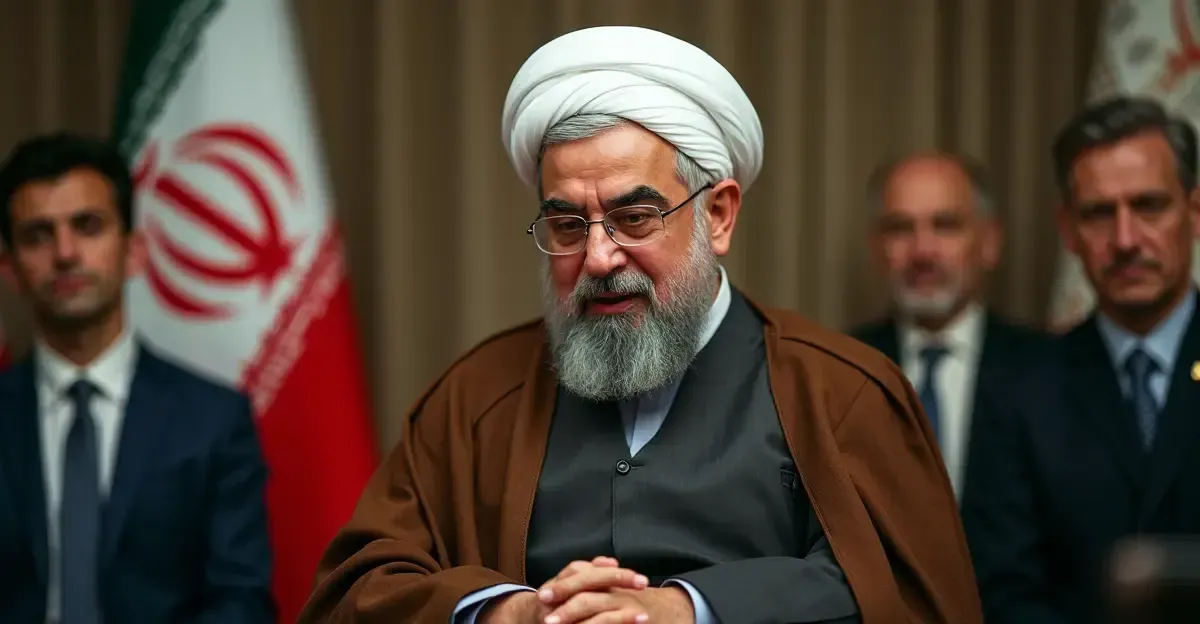
Complicating matters further, Iran's new Supreme Leader, Mojtaba Khamenei—son of the slain Ali Khamenei—has not appeared publicly since assuming power, raising questions about his capacity to lead and the stability of Iran's political structure.
'The era of bullying and extortion is over,' declared Iranian Parliament Speaker Mohammad Baqer Qalibaf, condemning US actions as a 'blatant act of aggression.' Meanwhile, Trump ruled out sending ground troops but signaled the US would reimpose its naval blockade and strike Iran 'hard again' if necessary.
The Middle East geopolitical tensions 2026 show no signs of abating, with the region bracing for further escalation.
FAQ
What caused the US-Iran ceasefire to collapse?
The ceasefire collapsed after Iran attacked three commercial vessels in the Strait of Hormuz on July 7, 2026, violating the terms of the June 17 Memorandum of Understanding. The US responded with retaliatory strikes, and President Trump declared the ceasefire 'over' on July 8.
How many people have died in the 2026 Iran War?
Total estimated killed across all parties ranges from 8,961 to 18,296, according to the Military Spend casualty tracker updated through July 10, 2026. Civilian deaths are estimated between 1,779 and 3,757.
What is the status of Iran's nuclear program?
Iran has begun repairing the Taleghan 2 nuclear site at Parchin, which was damaged in earlier US airstrikes. The IAEA has warned about lost continuity of knowledge on Iran's nuclear activities. The US insists Iran cannot retain enriched uranium under any agreement.
How are oil prices being affected?
Brent crude surged 5.7% to around $78.41 per barrel following the ceasefire collapse. Earlier in July, prices had fallen to $70.82 after the Strait of Hormuz briefly reopened. The EIA forecasts Brent averaging $74/bbl in Q3 2026 and $65/bbl in 2027 if stability returns.
Are diplomatic efforts continuing?
Yes, Pakistan and Qatar are mediating between the US and Iran. The US has signaled willingness to continue technical nuclear negotiations, though Trump's harsh rhetoric and the US rescinding Iran's oil license have complicated prospects for a renewed truce.
Follow Discussion