


 Deutsch
 English
 Español
 Français
 Nederlands
 Português


 Share
Share




Ceasefire Collapses Amid Renewed US-Iran Hostilities
On July 8, 2026, President Donald Trump declared the interim ceasefire with Iran officially 'over' during the NATO summit in Ankara, Türkiye, following a rapid escalation of hostilities in the Strait of Hormuz. The collapse of the truce—brokered just three weeks earlier via a memorandum of understanding signed on June 17—marks a dramatic setback for diplomatic efforts to end the 2026 Iran war, which began on February 28, 2026.
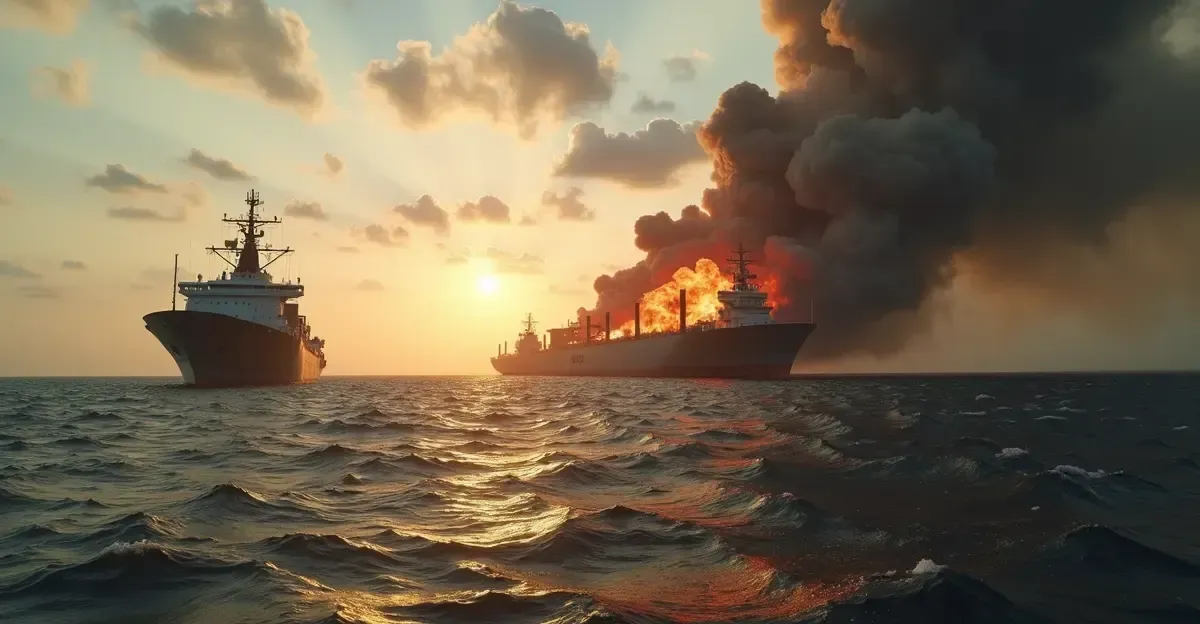
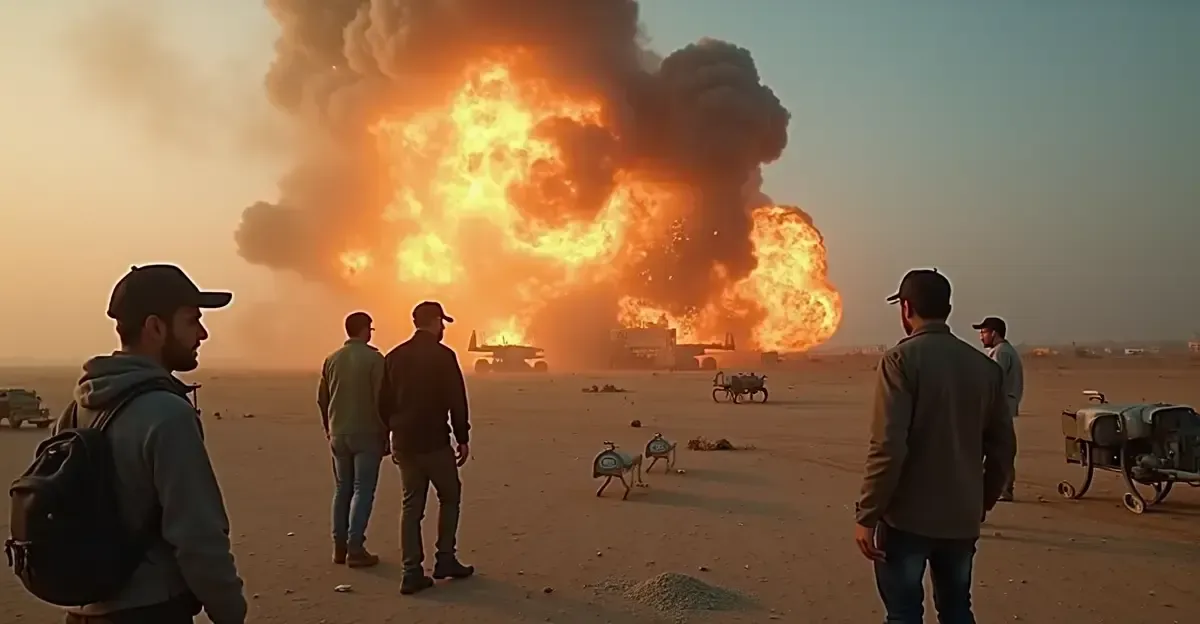
The announcement came after the United States launched strikes on over 80 Iranian targets, including air defense systems, radar installations, and Revolutionary Guard naval assets, in response to Iranian attacks on three commercial vessels in the Strait of Hormuz. Iran's Islamic Revolutionary Guards Corps (IRGC) retaliated by striking 85 US military sites in Bahrain and Kuwait, triggering air raid sirens across the Gulf region. The 2026 Iran war timeline now shows a clear pattern of escalation despite multiple ceasefire attempts.
Background: The 2026 Iran War
The conflict erupted on February 28, 2026, after US-Israeli airstrikes killed several Iranian officials, including Supreme Leader Ayatollah Ali Khamenei. Iran responded with a barrage of missiles and drones against Israel, US-aligned Arab states, and American military bases across the Middle East, while simultaneously blockading the Strait of Hormuz—a chokepoint for roughly one-fifth of the world's oil and gas shipments.
The war has exacted a devastating toll. Thousands of civilians and military personnel have been killed on both sides. The economic impact includes the largest supply disruption in global oil market history, rampant volatility in financial markets, and an estimated cost of US$113.3 billion to US taxpayers as of mid-June 2026. The conflict also triggered the 2026 Lebanon war after Hezbollah entered the fray, and has drawn in Gulf states including Saudi Arabia, the UAE, and Kuwait.
NATO Summit in Ankara: A Turning Point
Trump's declaration came during the final day of the 2026 NATO summit, held July 7-8 at the Beştepe Presidential Complex in Ankara. The summit had been intended to focus on alliance defense spending, Ukraine aid, and industrial cooperation. Instead, Trump's remarks shifted the spotlight squarely onto Iran.
Speaking to reporters, Trump called Iranian leaders 'scum' and 'sick people,' declaring: 'The ceasefire is over. It's done. We're not going to put up with their attacks.' He threatened renewed bombing, a reinstated naval blockade, and even suggested the US could seize Iran's Kharg Island oil terminal. The president also berated NATO allies for insufficient support of US operations against Iran, singled out the UK for initially refusing use of RAF Fairford, and threatened to cut trade with Spain over defense spending disputes. He also revived his desire to acquire Greenland from Denmark.
NATO Secretary General Mark Rutte attempted to defuse tensions by praising Trump's role in pushing allies toward higher defense spending targets. European allies pledged to reach 5% of GDP on defense by 2035 and announced major investments in fuel supply chains and counter-drone capabilities.
Oil Markets in Turmoil
The ceasefire collapse sent shockwaves through global energy markets. Brent crude surged 5.2% to settle at $78.02 per barrel, briefly topping $80, while West Texas Intermediate rose 4.4% to $73.52. The S&P 500 fell 21 points, the Dow dropped 576 points, and European markets tumbled—Germany's DAX lost 2.2%, France's CAC 40 sank 2.2%, and South Korea's Kospi plummeted 5.3%.
The US Treasury also revoked Iran's authorization to sell crude oil on international markets, a key component of the previous interim deal. Analysts warned that a prolonged closure of the Strait of Hormuz could push oil prices significantly higher, threatening a global recession. The global oil supply crisis 2026 continues to deepen as tanker traffic through the strait remains disrupted.
Humanitarian and Regional Fallout
The renewed fighting has raised alarm among humanitarian organizations. The Strait of Hormuz blockade has already caused severe fuel shortages in several countries, and the latest strikes threaten to worsen an already dire situation for civilians in Iran and across the region. In Gaza, an Israeli strike killed aid official Mohammed al-Wahidi, who had organized a World Cup screening for displaced children.
Meanwhile, the war has diverted attention and resources from other global crises, including the ongoing conflict in Ukraine. Trump did offer Ukraine a significant concession at the summit: a license to produce Patriot air defense systems, addressing a long-standing request from Kyiv. However, NATO allies expressed concern that the Iran conflict was overshadowing Ukraine's needs.
What Comes Next?
Despite declaring the ceasefire 'over,' Trump suggested that US negotiators could continue talks with Iran, though he expressed doubt about their potential success. Iran's central military command has warned it 'will respond decisively' to any further US attacks. The Gulf Cooperation Council condemned Iran's strikes on member states, while regional analysts expect a diplomatic push from European and Gulf powers to salvage some form of agreement.
The coming days will be critical. With both sides showing little appetite for de-escalation, the risk of a broader regional war—potentially drawing in more actors and disrupting global energy supplies for months—remains dangerously high. The 2026 Middle East conflict escalation shows no signs of abating, and the world watches as the Strait of Hormuz once again becomes the flashpoint for a potential global crisis.
Frequently Asked Questions
Why did the Iran ceasefire collapse?
The ceasefire collapsed after Iran attacked three commercial vessels in the Strait of Hormuz, prompting the US to launch strikes on over 80 Iranian targets. President Trump then declared the truce 'over' during the NATO summit in Ankara on July 8, 2026.
What was the 2026 Iran war ceasefire?
The interim ceasefire was a memorandum of understanding signed on June 17, 2026, that ended active fighting, lifted the US naval blockade, and reopened the Strait of Hormuz. It was brokered through the Islamabad Talks but never fully took effect.
How did oil prices react to the ceasefire collapse?
Brent crude surged 5.2% to $78.02 per barrel, and WTI rose 4.4% to $73.52 on July 8, 2026. Global stock markets also fell sharply amid fears of prolonged supply disruptions.
What role did the NATO summit play?
The 2026 NATO summit in Ankara, Türkiye, on July 7-8 was the platform where Trump announced the ceasefire's end. The summit also saw major defense spending pledges and new commitments to Ukraine, but was overshadowed by the Iran crisis.
Could the war escalate further?
Yes. Both the US and Iran have threatened further military action. Iran has warned it will close the Strait of Hormuz and respond with 'overwhelming force,' while the US has threatened to seize Iranian oil infrastructure. A broader regional conflict remains a real possibility.
Follow Discussion