


 Deutsch
 English
 Español
 Français
 Nederlands
 Português


 Share
Share




Ceasefire Collapses as US Strikes Iran, Oil Prices Soar
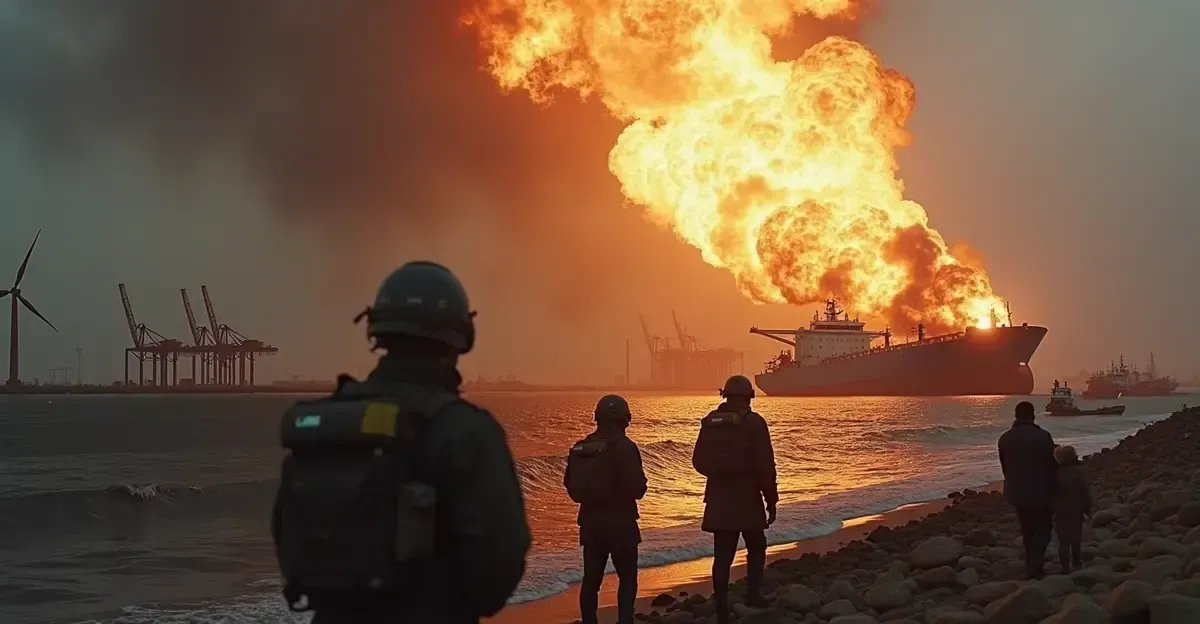
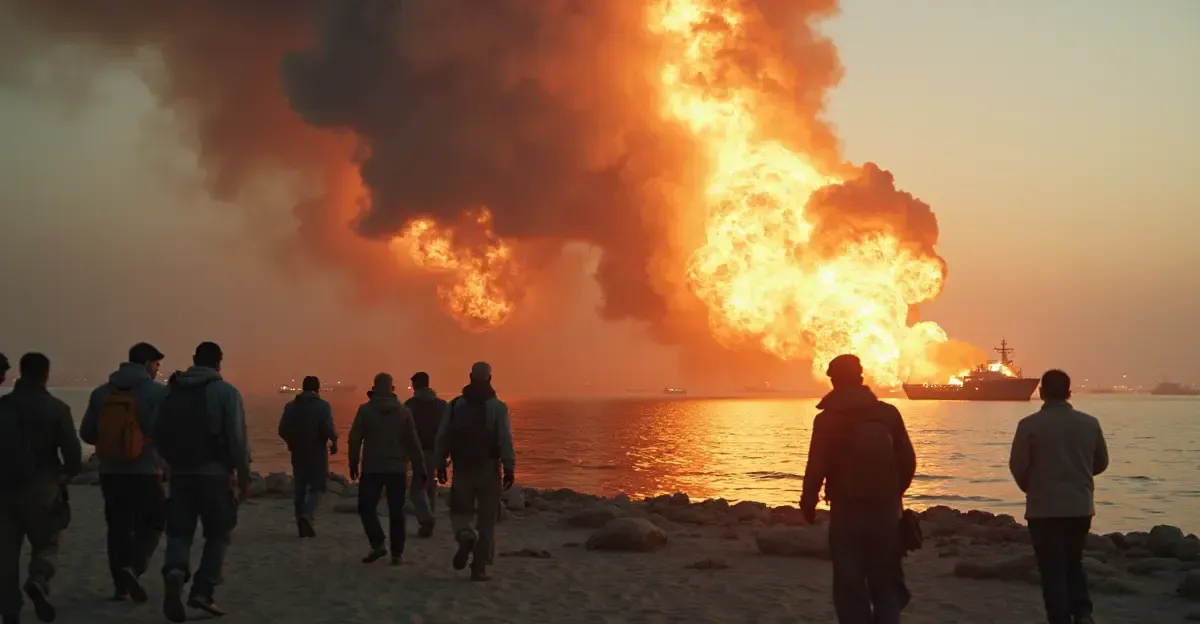
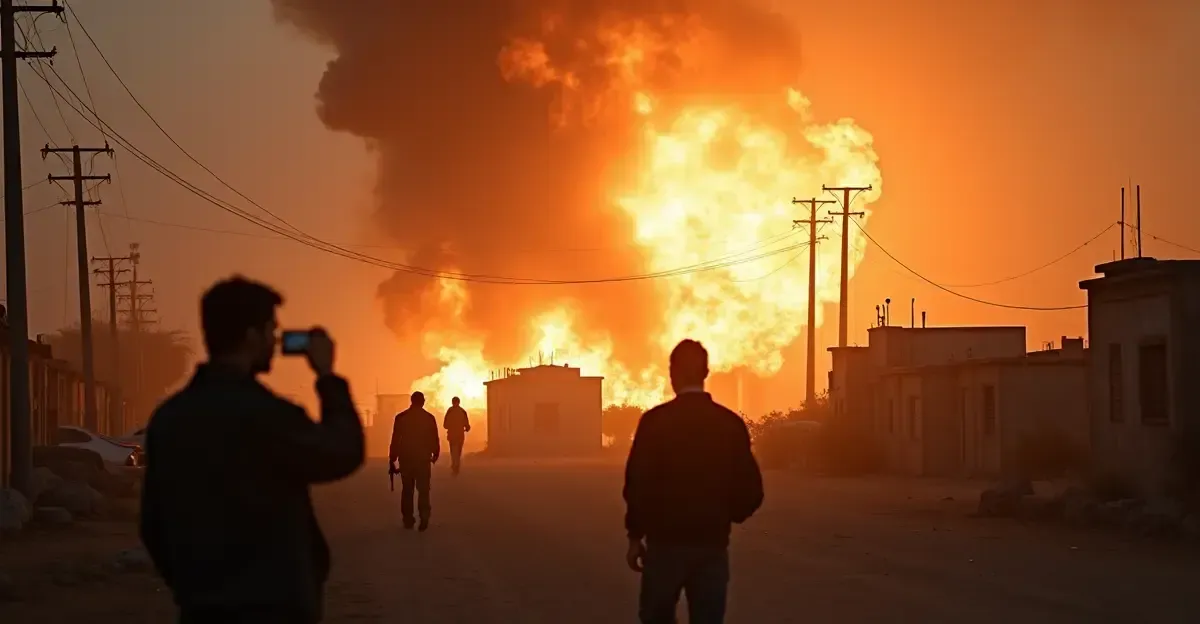
The fragile US-Iran ceasefire collapsed on July 8, 2026, as the United States launched massive airstrikes against more than 80 Iranian military targets, triggering a 6% surge in oil prices and a global market selloff. President Donald Trump declared the interim peace deal "over" during the NATO summit in Ankara, Turkey, after Iran attacked three commercial vessels in the Strait of Hormuz, a critical chokepoint through which 20% of the world's oil passes. The 2026 Strait of Hormuz crisis has reignited fears of a prolonged conflict disrupting global energy supplies.
Background: The Road to Renewed Hostilities
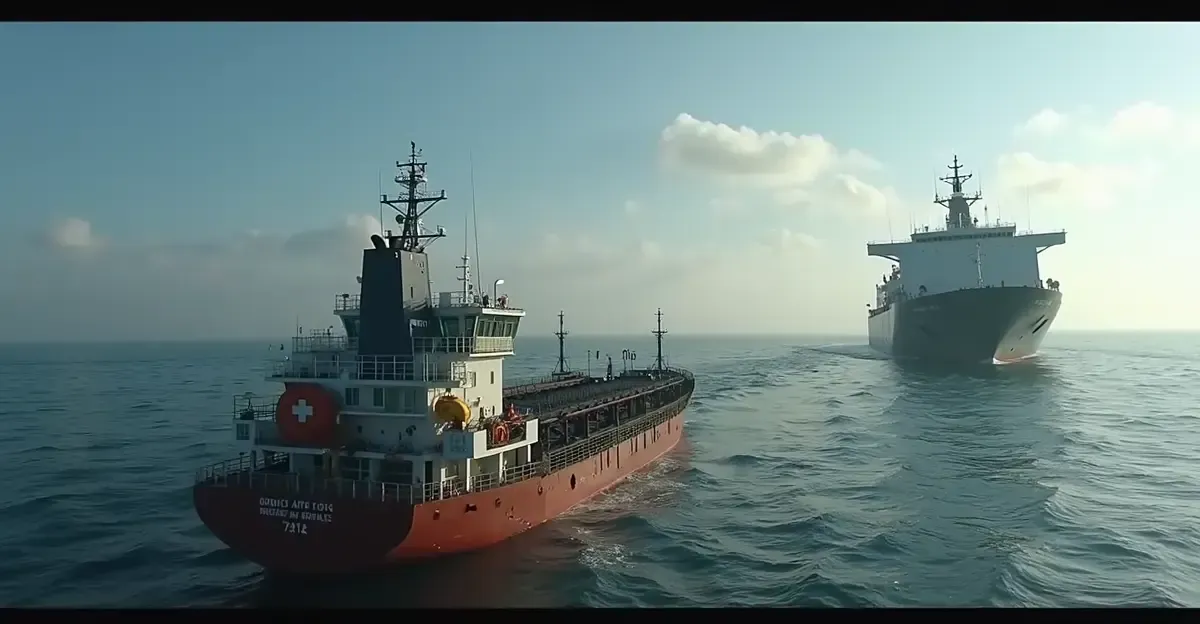
The US-Iran war, which began on February 28, 2026, had seen a tentative 60-day ceasefire agreement signed on June 29, 2026, in Doha, Qatar. That memorandum of understanding called for the reopening of the Strait of Hormuz and further negotiations on Iran's nuclear program. However, on July 7, Iran attacked three commercial ships in the strait — the Qatari LNG tanker Al Rekayat, the Saudi crude tanker Wedyan, and a third vessel hit by an Iranian drone off Oman. In response, US Central Command (CENTCOM) struck Iranian air defense systems, command networks, coastal radar sites, anti-ship missile launchers, and over 60 IRGC small boats.
President Trump, speaking at the NATO summit in Ankara, said: 'The ceasefire is over. Iran's leaders are scum.' He also revoked the sanctions waiver that had allowed Iran 60 days of oil sales, reinstating full oil sanctions with a July 17 wind-down deadline. Iran's parliament speaker responded: 'The era of bullying and extortion is over.'
Iran Retaliates: Missiles Rain Down on US Bases
Iran's Islamic Revolutionary Guard Corps (IRGC) claimed a 'crushing response,' stating it had conducted joint missile and drone operations targeting 85 US military sites in Bahrain and Kuwait, as well as a drone attack on Sheikh Isa airbase. Air raid sirens were activated in both countries. Iran also claimed to have shot down a US MQ-9 drone. Independent confirmation of the extent of damage remained pending. The escalation marks the most serious direct confrontation between US and Iranian forces since the war began.
The global oil supply disruption fears immediately sent Brent crude above $80 per barrel for the first time in weeks, while West Texas Intermediate jumped sharply. Analysts noted that the geopolitical premium had been restored with a vengeance.
Oil Markets in Turmoil
Brent crude surged more than 6% on July 8, reaching $78.80 per barrel and briefly topping $80. The US revocation of Iran's oil sales license effectively ended the economic relief provided by the June 29 MOU. The Strait of Hormuz, through which about 25% of the world's seaborne oil trade passes, remains a flashpoint. Iran had previously warned all oil tankers to use its approved routes or face a 'forceful response,' and the renewed hostilities have raised the specter of a full blockade.
Asian markets lost over $700 billion in value as investors fled risk assets. The Dow Jones Industrial Average dropped 400 points, with the S&P 500 and Nasdaq also declining significantly. The energy sector was the only bright spot, with crude oil futures and energy stocks like Exxon Mobil seeing sharp gains. Fundstrat's Tom Lee reportedly viewed the dip as a buying opportunity, but traders were advised to remain nimble due to extreme headline risk.
NATO Summit Dominated by Iran Crisis
The NATO summit in Ankara, originally intended to focus on defense projects and burden-sharing, was dominated by the escalating US-Iran conflict. President Trump arrived in Turkey and was personally greeted on the tarmac by President Recep Tayyip Erdoğan — a gesture he did not extend to any other world leader. Trump announced he would lift US sanctions on Turkey imposed in 2020 over its purchase of a Russian S-400 air defense system, and signaled possible F-35 sales to Ankara.
However, the summit unfolded against a backdrop of a severe crackdown on civil society in Turkey, with over 200 people arrested in dawn raids in the two weeks prior. Journalist Ruth Michaelson noted the irony: 'The summit celebrates Turkey's indispensable role in NATO while ignoring the deteriorating domestic climate.' The Doha mediation track suspended talks through July 9, and no new negotiations were scheduled.
Global Implications and What Comes Next
The collapse of the US-Iran ceasefire has profound implications for global energy security, financial markets, and geopolitical stability. The Strait of Hormuz remains the world's most critical energy chokepoint, and any prolonged disruption could send oil prices well above $100 per barrel, stoking inflation and potentially triggering a global recession. The impact of Middle East tensions on markets is being closely watched by central banks worldwide.
Iran's new Supreme Leader, Mojtaba Khamenei, has not made a public appearance in four days, adding to uncertainty. Meanwhile, Khamenei's funeral processions reached Iraq, signaling a period of transition within Iran's leadership. The US has warned of further strikes if Iran continues to threaten commercial shipping, while Iran has vowed a 'crushing response' to any further aggression.
Frequently Asked Questions
Why did the US-Iran ceasefire collapse?
The ceasefire collapsed after Iran attacked three commercial vessels in the Strait of Hormuz on July 7, 2026. The US viewed this as a violation of the June 29 interim deal and launched retaliatory airstrikes against more than 80 Iranian military targets.
How much did oil prices rise?
Brent crude surged more than 6% to $78.80 per barrel, briefly topping $80. West Texas Intermediate also rose sharply. Analysts expect further volatility depending on the duration of the conflict.
What is the Strait of Hormuz and why is it important?
The Strait of Hormuz is a narrow waterway between the Persian Gulf and the Gulf of Oman. About 25% of the world's seaborne oil trade and 20% of LNG passes through it, making it the world's most strategically important energy chokepoint.
How did global markets react?
Asian markets lost over $700 billion. The Dow fell 400 points, and the S&P 500 and Nasdaq declined. Energy stocks surged while most other sectors sold off.
What is the status of the NATO summit?
The NATO summit in Ankara on July 7-8 was dominated by the Iran crisis. Trump lifted sanctions on Turkey and praised Erdogan, while alliance members discussed burden-sharing for Hormuz security.
Follow Discussion