


 Deutsch
 English
 Español
 Français
 Nederlands
 Português


 Share
Share




US Ends Naval Blockade of Iranian Ports
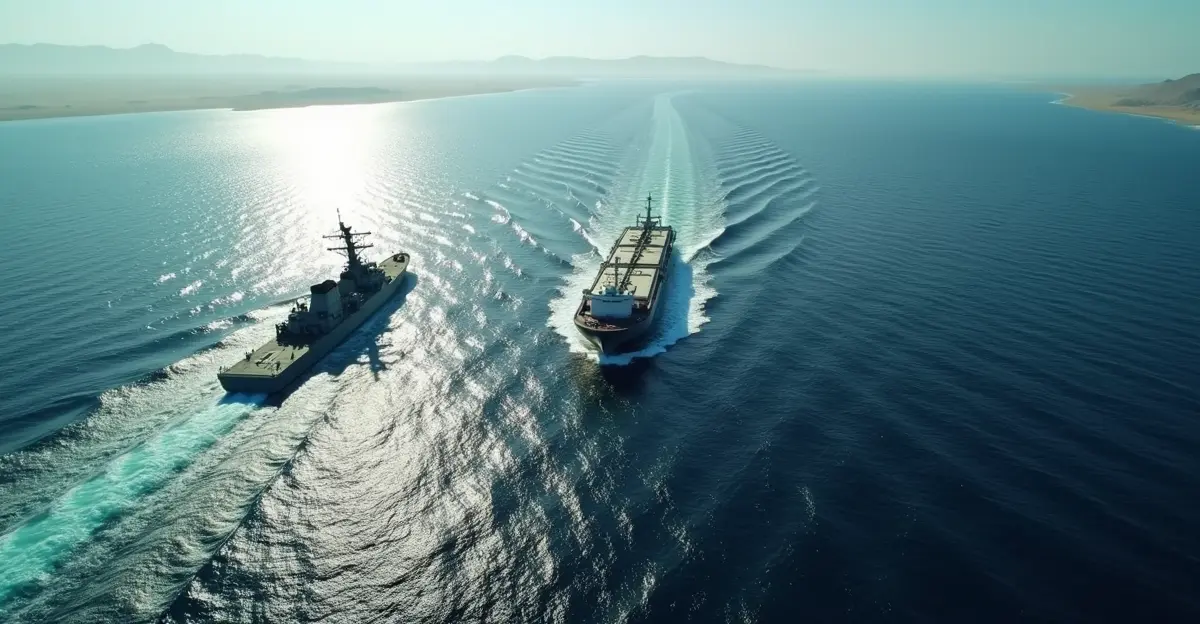
The United States has officially lifted its naval blockade on Iranian ports and coastal areas, allowing commercial shipping to resume passage through the strategic Strait of Hormuz. The move, confirmed by U.S. Central Command (Centcom) on June 18, 2026, follows the signing of a 14-point Memorandum of Understanding (MoU) between Washington and Tehran, ending nearly four months of hostilities in the 2026 Iran War.
Under the terms of the agreement, American naval forces will no longer impede vessels traveling to or from Iranian harbors. The Strait of Hormuz — a critical chokepoint through which roughly 20% of the world's oil and 25% of liquefied natural gas transited before the conflict — has been reopened to commercial traffic. Centcom stated that U.S. assets will remain in the region to monitor compliance with the ceasefire.
Oil Tankers Move Through the Strait
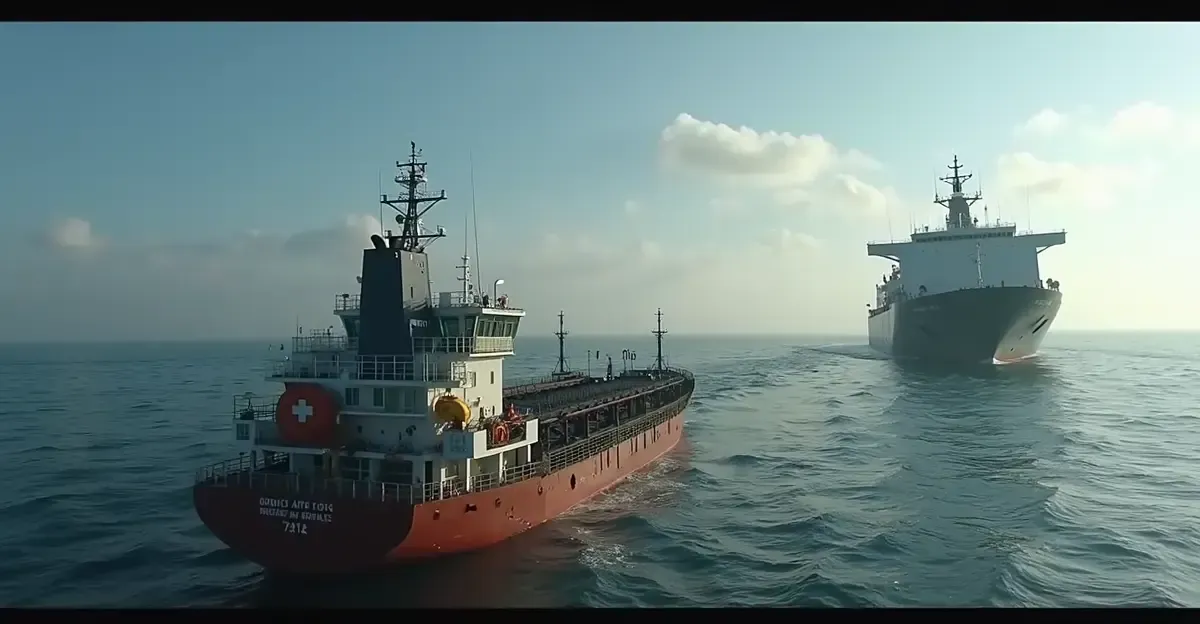
Within hours of the blockade being lifted, data from Reuters and satellite tracking services confirmed that at least three oil tankers under Saudi Arabian flags carrying a combined six million barrels of crude had sailed through the Strait of Hormuz. Earlier, TankerTrackers reported that Iranian-flagged vessels — including the supertankers Diona, Hero 2, and Sonia I — had already exited the blockade zone, carrying nearly five million barrels of oil, marking Iran's first crude exports in two months.
According to Kpler, an estimated 118 laden tankers could exit the region within 15 days if the ceasefire holds. However, the maritime sector remains cautious. Insurers are maintaining high war-risk premiums, and many shipowners are awaiting concrete safety guarantees before committing to transits. Mine-clearing operations in the strait are ongoing, as Iranian-laid mines pose a lingering hazard. The U.S. Navy has reduced the security threat level from 'critical' to 'moderate,' advising vessels to use the southern route through Omani waters.
The 14-Point Memorandum of Understanding
The MoU, signed electronically by President Donald Trump, Vice President JD Vance, and Iranian officials, outlines a broad framework for de-escalation. Key provisions include:
- Immediate ceasefire: All military operations on all fronts, including in Lebanon, are terminated.
- Blockade removal: The U.S. naval blockade must be fully lifted within 30 days.
- Safe passage: Iran commits to facilitating safe transit for commercial vessels through the Strait of Hormuz, with no fees for 60 days.
- Nuclear commitments: Iran reaffirms it will not develop nuclear weapons and agrees to IAEA-supervised downblending of enriched uranium.
- Sanctions relief: The U.S. will phase out all sanctions and provide waivers for Iranian oil exports.
- Reconstruction fund: A $300 billion fund will be established for Iran's economic reconstruction and development.
- Asset release: Frozen Iranian assets abroad will be released.
The MoU initiates a 60-day negotiation period to finalize a comprehensive agreement, to be endorsed by a binding UN Security Council resolution. Talks are expected to resume at the Bürgenstock Resort in Stansstad, Switzerland, near Lucerne.
Political Reactions and Regional Implications
Vice President Vance defended the agreement during a press conference, stating that the U.S. still holds significant leverage. He criticized Israel's opposition to the deal, saying: 'If I were in the Israeli government, I might not contradict the only powerful ally I have left in the world.'
Iran's Supreme Leader, Ayatollah Mojtaba Khamenei — who has not been seen publicly since reportedly being injured in a March attack — issued a statement via state media expressing initial reluctance but ultimately backing the agreement after consultations with President Pezeshkian. He cautioned: 'The negotiations that will be conducted in the future do not mean accepting the enemy's opinion.'
The 2026 Iran war ceasefire has reshaped global energy markets. Oil prices have already begun to stabilize, and analysts expect a gradual return of Iranian crude to international markets. However, the Strait of Hormuz security situation remains fragile, with mine clearance and insurance concerns delaying a full resumption of traffic. The broader US-Iran nuclear deal framework will be tested over the coming weeks as negotiators tackle unresolved issues, including the status of Iran's ballistic missile program and the role of regional proxies.
FAQ
What is the Strait of Hormuz?
The Strait of Hormuz is a narrow waterway between the Persian Gulf and the Gulf of Oman, bordered by Iran to the north and Oman and the UAE to the south. It is a vital maritime chokepoint through which about 20% of global oil and 25% of LNG passes.
Why did the US blockade Iranian ports?
The blockade was imposed in April 2026 as part of the U.S.-Israel military campaign against Iran, which began on February 28, 2026. The goal was to cut off Iranian oil exports and pressure Tehran over its nuclear program and regional activities.
What are the key terms of the US-Iran agreement?
The 14-point MoU includes an immediate ceasefire, lifting of the naval blockade, safe passage through the Strait of Hormuz, Iranian commitment to non-nuclear weapons development, phased sanctions relief, a $300 billion reconstruction fund, and a 60-day negotiation window for a final deal.
When will oil tankers fully resume transit?
While the first tankers have already moved through the strait, full resumption depends on mine clearance, insurance availability, and security guarantees. Analysts estimate 118 laden tankers could exit within 15 days if conditions stabilize.
How has the war affected global oil markets?
The conflict caused the largest supply disruption in oil market history, with the Strait of Hormuz closure cutting off roughly 20% of global oil flows. Prices spiked dramatically, and the war cost the U.S. military an estimated $29 billion by May 2026.
Follow Discussion