


 Deutsch
 English
 Español
 Français
 Nederlands
 Português


 Share
Share




Iran Re-Closes Strait of Hormuz, Accusing US and Israel of Violating Ceasefire
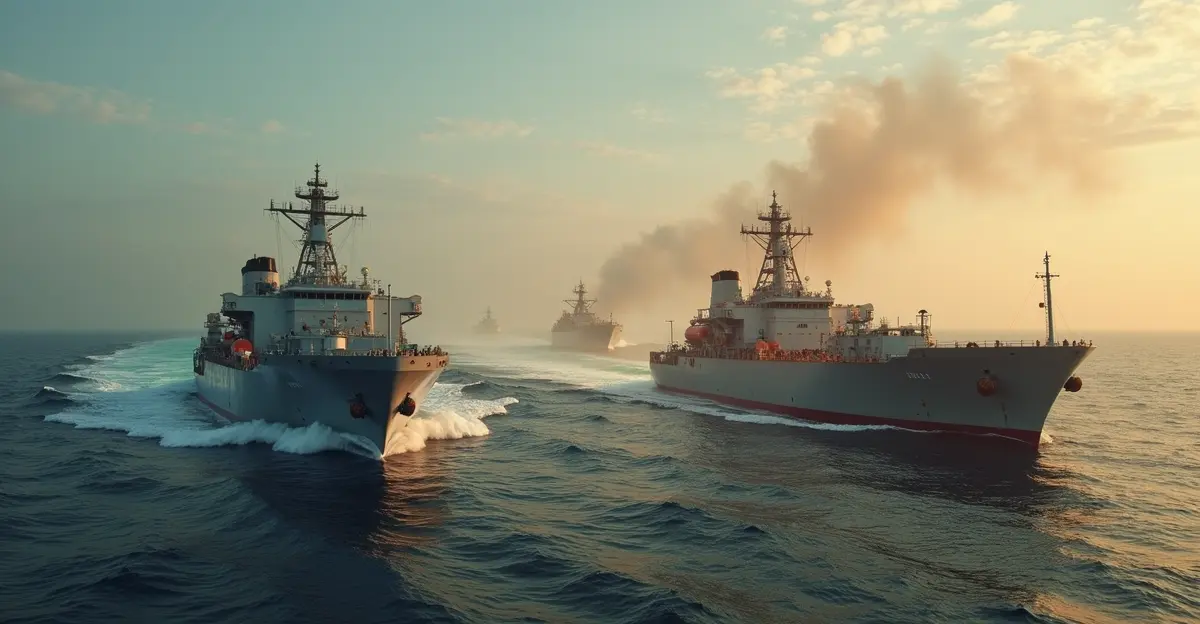
On June 20, 2026, Iran's Islamic Revolutionary Guard Corps (IRGC) announced the closure of the Strait of Hormuz to all vessel traffic, citing alleged violations of the recently signed Memorandum of Understanding (MoU) by the United States and Israel. The move threatens to unravel a fragile peace framework established just days earlier and sends shockwaves through global energy markets still reeling from months of conflict. The strait, through which approximately 20% of the world's oil and 25% of liquefied natural gas transits annually, had briefly reopened after the June 18 interim deal, offering hope for economic recovery.
Background: The 2026 Iran War and the Islamabad MoU
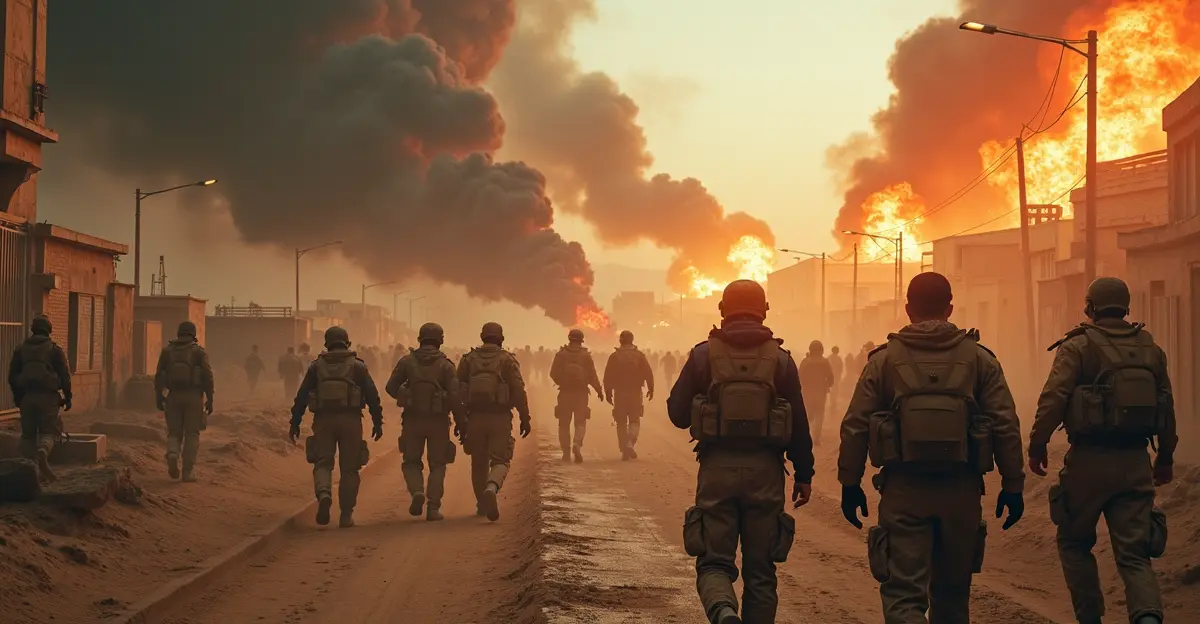
The conflict, code-named Operation Epic Fury by the Pentagon, began on February 28, 2026, when the United States and Israel launched coordinated airstrikes targeting Iranian military installations, nuclear facilities, and command centers. The strikes killed Iran's Supreme Leader Ali Khamenei and dozens of senior IRGC commanders. Iran retaliated with hundreds of ballistic missiles and drones against Israel, US bases, and Gulf Cooperation Council nations, while simultaneously closing the Strait of Hormuz — triggering the largest oil supply disruption in history.
After nearly four months of devastating warfare that cost the US an estimated $132 billion and claimed over 7,000 lives region-wide, Pakistan brokered a 14-point Memorandum of Understanding signed on June 18, 2026. The MoU included an immediate end to military operations, a 60-day window for final negotiations, removal of the US naval blockade within 30 days, safe passage through the Strait of Hormuz, a $300 billion reconstruction package for Iran, and phased sanctions relief. The 2026 US-Iran peace deal was hailed as a diplomatic breakthrough, though critics warned of its fragility.
Iran's Closure Announcement and Justification
On Saturday, Iran's Khatam al-Anbiya Central Headquarters declared the strait closed, warning vessels to stay away. Iran accused the US of "bad faith" and Israel of committing "crimes" in Lebanon, arguing these constituted a breach of the MoU. The IRGC statement specifically cited continued Israeli military operations in southern Lebanon and alleged US ceasefire violations as justification for re-imposing the blockade.
The US Central Command immediately denied the claims, stating that 55 merchant ships transited the strait on Saturday and that the waterway remained open. Vice President JD Vance, who departed for Switzerland for technical talks with Iran, suggested the closure was not physically enforced. "The Strait of Hormuz is open. Commercial traffic continues to flow. Iran's announcement is a negotiating tactic, not a reality on the water," a senior US official told reporters.
Global Oil Markets and Economic Fallout
The Strait of Hormuz closure has already inflicted unprecedented damage on the global economy. According to the Dallas Federal Reserve, the initial closure in February removed nearly 20% of global oil supplies — three to five times larger than past disruptions. Brent crude surged 64% from $72 to $118 per barrel, with physical cargoes reaching approximately $150 per barrel. The International Energy Agency called it the largest supply disruption in oil market history.
The World Bank projects energy prices will rise 24% in 2026, while the IMF has slashed its global growth forecast to 3.1%. Shipping costs have skyrocketed 750-900% on some routes as vessels reroute via the Cape of Good Hope, adding $40-50 million per week in costs. Container spot rates surged 150%. The crisis also threatens food security, as 34% of globally traded urea and 23% of ammonia — key fertilizer components — normally pass through the strait. The UN warns that 45 million additional people could face food insecurity, with 32 million pushed into poverty.
The global oil supply disruption 2026 has forced a strategic reevaluation of energy dependence on critical chokepoints, with accelerated investment in alternative energy sources and supply route diversification.
Humanitarian Crisis: 20,000 Seafarers Stranded
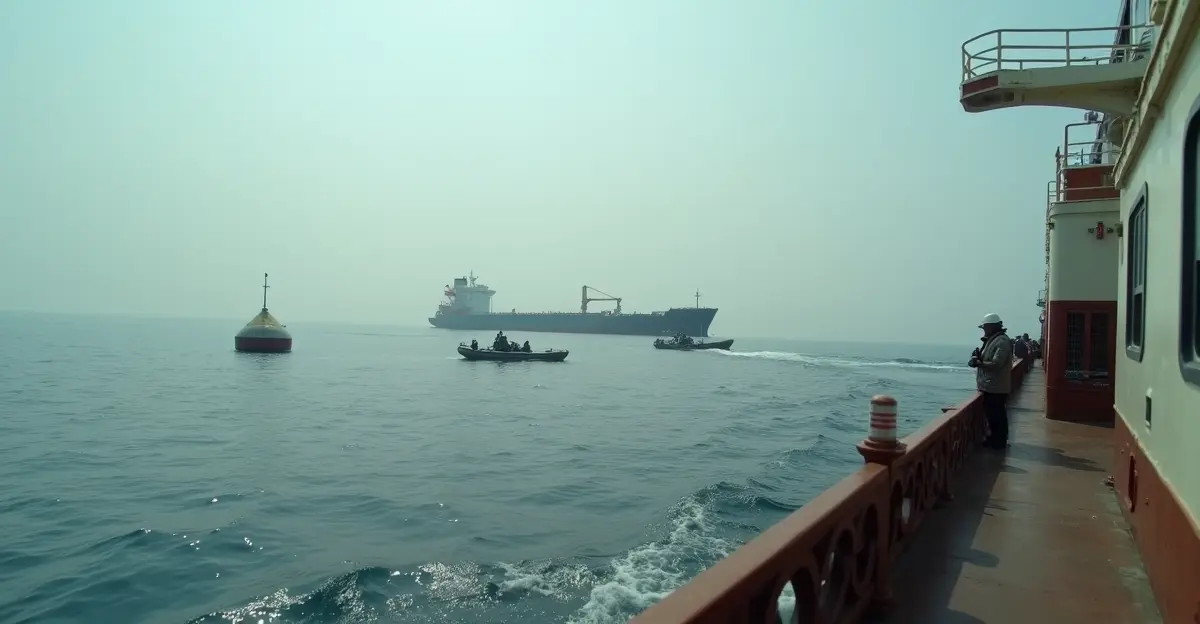
Beyond the macroeconomic impact, the closure has created an unprecedented humanitarian crisis for approximately 20,000 seafarers trapped aboard hundreds of vessels in the Persian Gulf. The UN's International Maritime Organization has described the situation as having "no precedent in the post-World War II era." Crews face dwindling food and water supplies, with some forced to reuse water from air-conditioning systems. The International Transport Workers' Federation reports widespread abandonment, unpaid wages, and intimidation by shipowners.
At least 10 seafarers have been killed in attacks since the conflict began. Crew rotation and repatriation remain virtually impossible, and ships face practical issues like barnacle buildup, fuel shortages, and engine degradation after months at anchor. "These civilian seafarers are caught between commercial pressure, security threats from drones and sea mines, and limited legal protections," a UN official stated.
Israel-Hezbollah Fighting Complicates Diplomatic Path
The re-closure of the strait is directly linked to escalating violence between Israel and Hezbollah in Lebanon. On June 19-20, Israeli airstrikes killed at least 20 people in southern Lebanon and the Bekaa Valley, just hours after a fragile ceasefire with Hezbollah took effect. Hezbollah had launched over 50 projectiles at Israeli forces, killing four soldiers. The violence derailed US-Iran talks scheduled for Friday in Obbürgen, Switzerland, which were abruptly cancelled.
Iran insists that the Lebanon hostilities must cease before nuclear negotiations can proceed. The MoU had included provisions for an end to military operations on all fronts, including Lebanon, but Israel — excluded from the US-Iran talks — continued operations, drawing frustration from President Trump and Vice President Vance. "The situation in Lebanon is a direct violation of the MoU. We cannot sit at the negotiating table while our allies are being bombed," an Iranian official told state media.
The Israel Hezbollah conflict 2026 remains a critical obstacle to regional stability, with both sides accusing each other of violations.
What Happens Next? Talks Rescheduled for Sunday
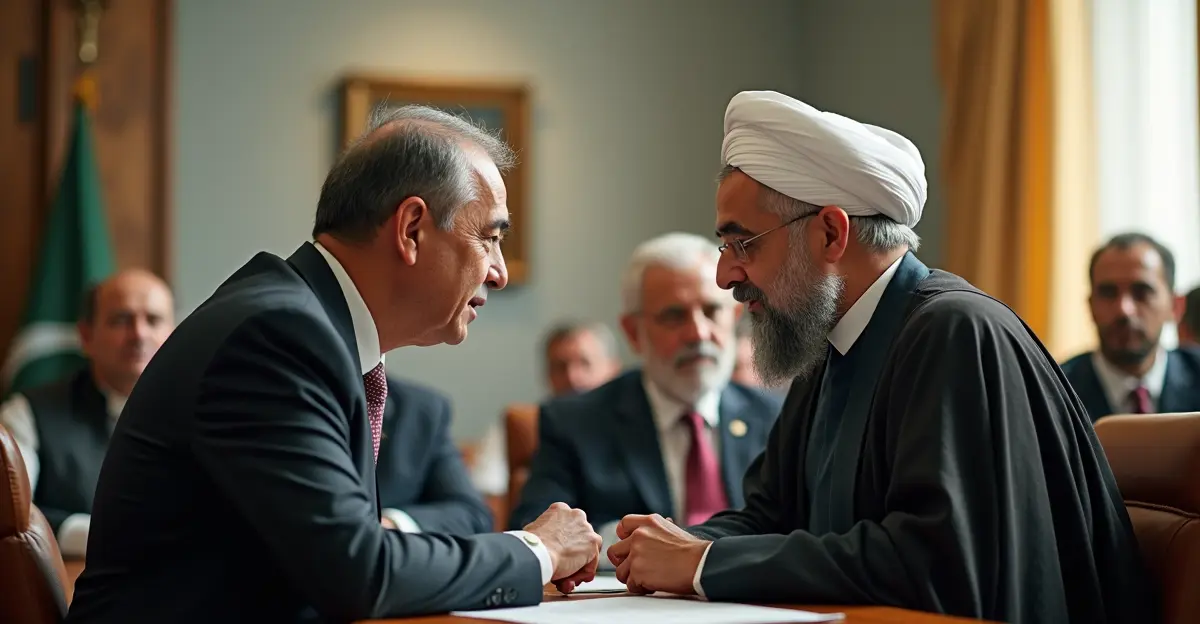
Despite the escalation, diplomatic channels remain open. Pakistani and Qatari mediators confirmed that US-Iran talks are set to begin Sunday, June 21, at the Burgenstock luxury hotel complex in Switzerland. The Iranian delegation, including Parliament Speaker Mohammad Baqer Qalibaf and Foreign Minister Abbas Araghchi, has arrived in Zurich. Vice President JD Vance has also departed for the talks.
The negotiations aim to salvage the 60-day framework and address the nuclear issue, but Iran's re-closure of the strait and ongoing Lebanon violence cast a long shadow. President Trump has warned that the US could begin charging tolls on strait traffic if the interim deal is not finalized within 60 days, while also signaling readiness to resume military action if necessary.
Analysts remain deeply skeptical. "This is a fragile interlude rather than a durable peace. The MoU was forged through coercive diplomacy, and its durability hinges on whether both parties can translate the preliminary framework into a verifiable, interest-based final settlement within sixty days," wrote Dr. Mohamed Chtatou in a recent analysis.
FAQ
What is the Strait of Hormuz and why is it important?
The Strait of Hormuz is a 104-mile-long waterway connecting the Persian Gulf to the Gulf of Oman. It is the only sea passage from the Persian Gulf to the open ocean and carries approximately 20% of the world's oil and 25% of LNG annually, making it the world's most strategically important energy chokepoint.
Why did Iran close the Strait of Hormuz in June 2026?
Iran announced the closure on June 20, 2026, citing alleged violations of the Islamabad Memorandum of Understanding by the United States and Israel, particularly continued Israeli military operations in Lebanon and what Tehran called US "bad faith" in implementing the ceasefire.
How has the closure affected global oil prices?
Brent crude surged 64% from $72 to $118 per barrel since the initial closure in February 2026, with physical cargoes reaching ~$150/bbl. The Dallas Federal Reserve estimates the disruption is three to five times larger than the 1973 oil embargo or the 1990 Gulf War.
What is the status of the US-Iran peace talks?
Technical talks between the US and Iran were postponed from June 19 but are rescheduled for June 21, 2026, in Switzerland. The negotiations aim to advance the 60-day framework established by the June 18 MoU, but the re-closure of the strait and Israel-Hezbollah fighting have complicated prospects.
How many seafarers are stranded in the Persian Gulf?
Approximately 20,000 seafarers remain trapped aboard hundreds of vessels in the Persian Gulf and at Iranian ports. The UN has declared an unprecedented humanitarian crisis, with crews facing food and water shortages, unpaid wages, and security threats.


Follow Discussion