


 Deutsch
 English
 Español
 Français
 Nederlands
 Português


 Share
Share




Historic US-Iran Peace Deal Announced After 108 Days of War
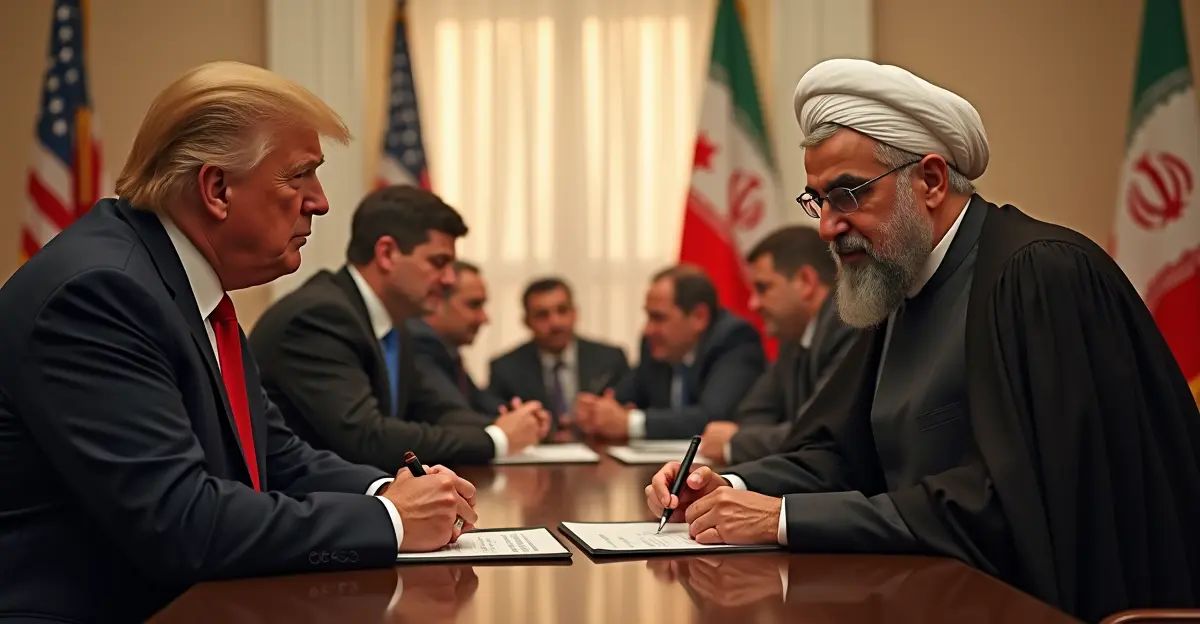
In a dramatic diplomatic breakthrough, the United States and Iran have reached a preliminary peace agreement to end the 2026 Iran War, a conflict that began on February 28 with US-Israeli airstrikes and escalated into a regional crisis. The deal, announced by US President Donald Trump on June 14, 2026, includes an immediate ceasefire, the lifting of the US naval blockade, and the reopening of the Strait of Hormuz — a critical waterway for global oil shipments. A formal signing ceremony is scheduled for June 19 in Switzerland, with Pakistan and Qatar serving as key mediators. The 2026 Iran war ceasefire has been welcomed by world leaders as a critical step toward de-escalation in the Middle East.
Background: The 2026 Iran War
The conflict began on February 28, 2026, when the United States and Israel launched Operation Epic Fury — a massive air campaign targeting Iranian military and government sites without congressional authorization. On the first day, Supreme Leader Ali Khamenei was killed. Iran retaliated by closing the Strait of Hormuz, disrupting approximately 20% of the global oil supply, and launching hundreds of ballistic missiles at US bases and allied countries across the region. The war quickly expanded, drawing in Hezbollah and leading to the 2026 Lebanon war. According to war cost trackers, the conflict cost US taxpayers an estimated $34.4 billion, with 15 US service members killed and over 1,700 civilians reported dead in Iran. Oil prices surged past $126 per barrel at the peak before crashing after the peace announcement.
Key Terms of the Agreement
The preliminary deal, formalized as a 14-point Memorandum of Understanding (MOU), includes several critical provisions:
- Immediate ceasefire: All military operations on all fronts, including Lebanon, cease permanently.
- Reopening of the Strait of Hormuz: Commercial shipping resumes, allowing oil to flow freely — a move that immediately dropped Brent crude prices by 4% to around $83 per barrel.
- Lifting of the US naval blockade: Iranian ports are no longer subject to US naval interdiction.
- 60-day negotiation window: Both sides commit to further talks on dismantling Iran's nuclear program, sanctions relief, and the release of frozen Iranian assets.
- International oversight: The IAEA will be involved in verifying nuclear commitments.
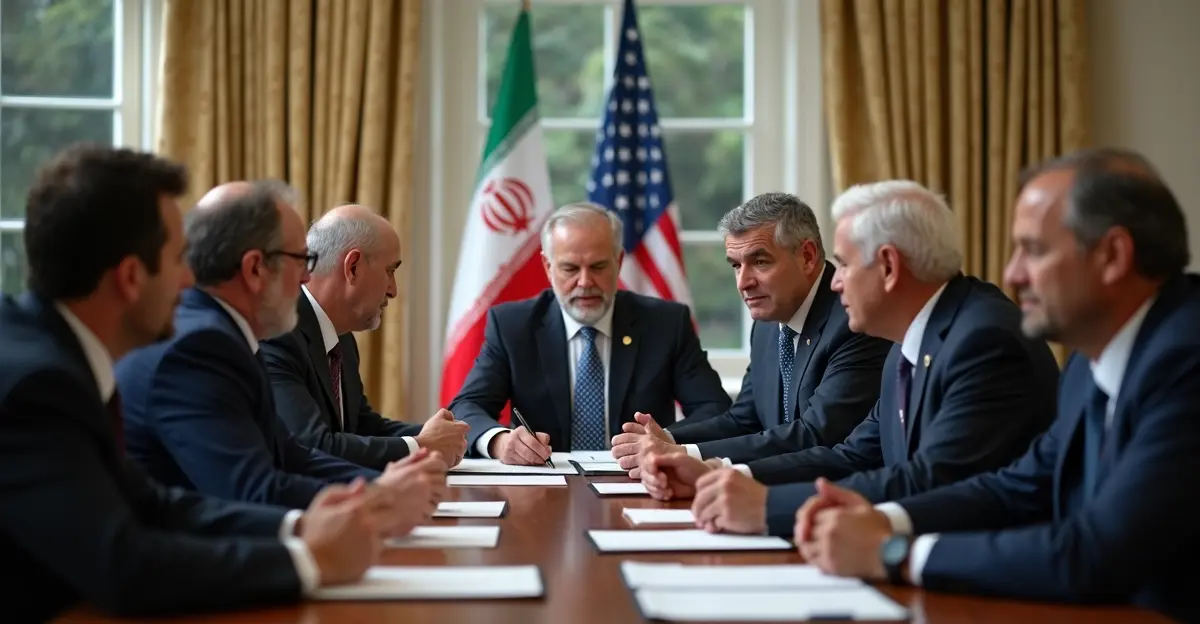
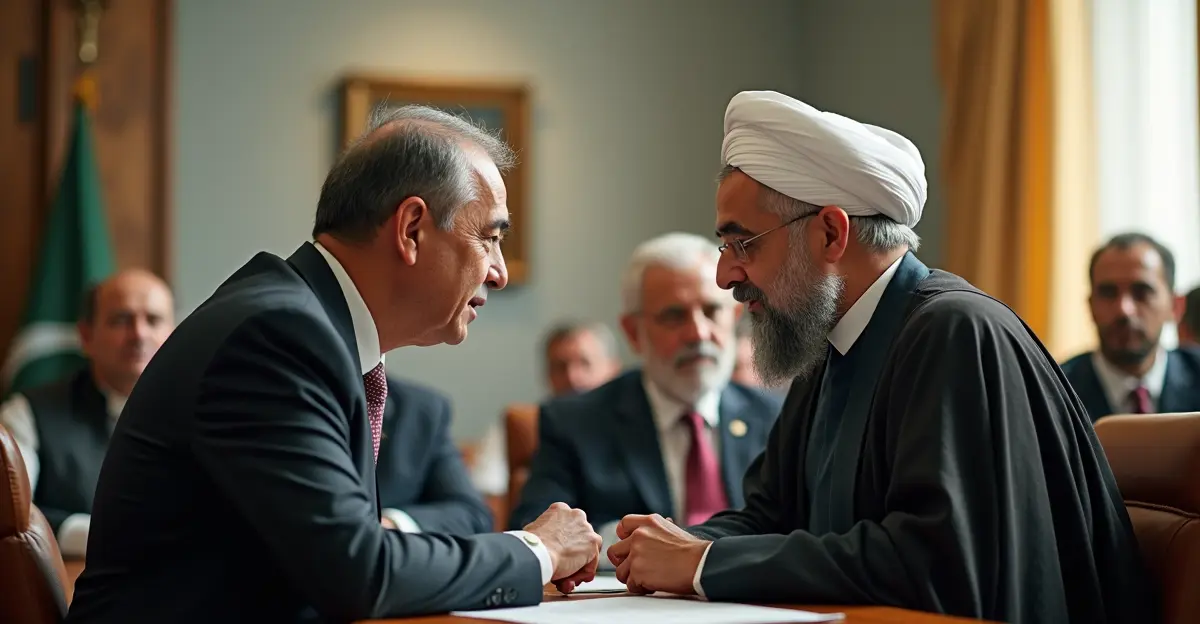
The deal was mediated by Pakistan's Prime Minister Shehbaz Sharif and Qatar, with support from Saudi Arabia, Turkiye, and China. The signing ceremony in Switzerland is expected to be attended by senior diplomats from both nations and international observers.
Global Reactions and Market Impact
World leaders have broadly welcomed the agreement. UN Secretary-General Antonio Guterres called it a 'critical step' toward resolving the Middle East conflict. UK Prime Minister Keir Starmer, French President Emmanuel Macron, and German Chancellor Friedrich Merz issued a joint statement praising the deal while linking support to 'robust, verifiable commitments on Iran's nuclear program.' The European Union, Canada, Japan, and China also expressed cautious optimism.
Financial markets responded with a massive rally. Japan's Nikkei surged 5%, the Dow Jones and Russell 2000 hit record highs, and bond yields fell to two-month lows. Bitcoin climbed above $65,800. Oil prices dropped sharply, with Brent crude falling to a three-month low of approximately $83 per barrel, down from a war peak of $126. Analysts expect lower commodity prices to ease inflationary pressures globally and reduce the need for further interest rate hikes by central banks. The global oil market disruption caused by the Strait of Hormuz closure had been one of the war's most severe economic consequences.
However, the deal has drawn criticism from some quarters. Israeli Finance Minister Bezalel Smotrich condemned the agreement, vowing to continue efforts to prevent Iran from obtaining nuclear weapons. Former US officials, including Ben Rhodes and former congressman Adam Kinzinger, questioned what the US achieved given the war's death toll and economic costs, suggesting Iran may now be emboldened. The war was waged without congressional authorization, raising ongoing constitutional questions.
What Comes Next?
With the ceasefire in effect, the focus now shifts to the 60-day negotiation period. Key issues to be resolved include the full dismantling of Iran's nuclear program, comprehensive sanctions relief, the release of frozen assets, and the withdrawal of Israeli forces from occupied Lebanese territory. The IAEA will play a central role in verifying any nuclear commitments. The reopening of the Strait of Hormuz is expected to begin immediately, with technical talks on safe passage already underway.
For the broader Middle East, the deal could mark the beginning of a new era of diplomacy — or a fragile pause. The 2026 Lebanon war, which killed over 2,000 civilians and militants, continues to simmer. Hezbollah's role and the status of Israeli operations in Lebanon remain unresolved. Analysts warn that without a comprehensive framework addressing Iran's regional influence and Israel's security concerns, the underlying tensions could reignite.
Frequently Asked Questions
What is the US-Iran peace deal of 2026?
The US-Iran peace deal is a preliminary agreement announced on June 14, 2026, ending the 2026 Iran War that began on February 28. It includes a ceasefire, reopening of the Strait of Hormuz, lifting of the US naval blockade, and a 60-day period for further negotiations on nuclear and sanctions issues. A formal signing ceremony is scheduled for June 19 in Switzerland.
Why did the US and Iran go to war in 2026?
The war began with US-Israeli airstrikes (Operation Epic Fury) targeting Iran's nuclear capabilities and military sites. The Trump administration cited preventing Iran from building a nuclear weapon and destroying its missile capabilities as reasons. The strikes killed Supreme Leader Khamenei on the first day. Iran retaliated by closing the Strait of Hormuz and attacking US bases and allies.
How did the war affect oil prices?
The war caused the largest oil supply disruption in history, with Iran's closure of the Strait of Hormuz cutting off about 20 million barrels per day — roughly 20% of global supply. Oil prices surged from around $80 to a peak of $126 per barrel. After the peace deal announcement, prices dropped sharply to around $83 per barrel.
Who mediated the peace deal?
The agreement was mediated by Pakistan (Prime Minister Shehbaz Sharif) and Qatar, with support from Saudi Arabia, Turkiye, and China. The United Nations and European Union also played supportive roles.
What are the next steps?
The ceasefire is immediate, followed by a formal signing in Switzerland on June 19. A 60-day negotiation period will address Iran's nuclear program, sanctions relief, and frozen assets. The Strait of Hormuz is expected to reopen shortly, with technical talks on safe passage already scheduled.

Follow Discussion