


 Deutsch
 English
 Español
 Français
 Nederlands
 Português


 Share
Share




Iran-US Ceasefire Explained: 2-Week Truce Reached After Trump Deadline
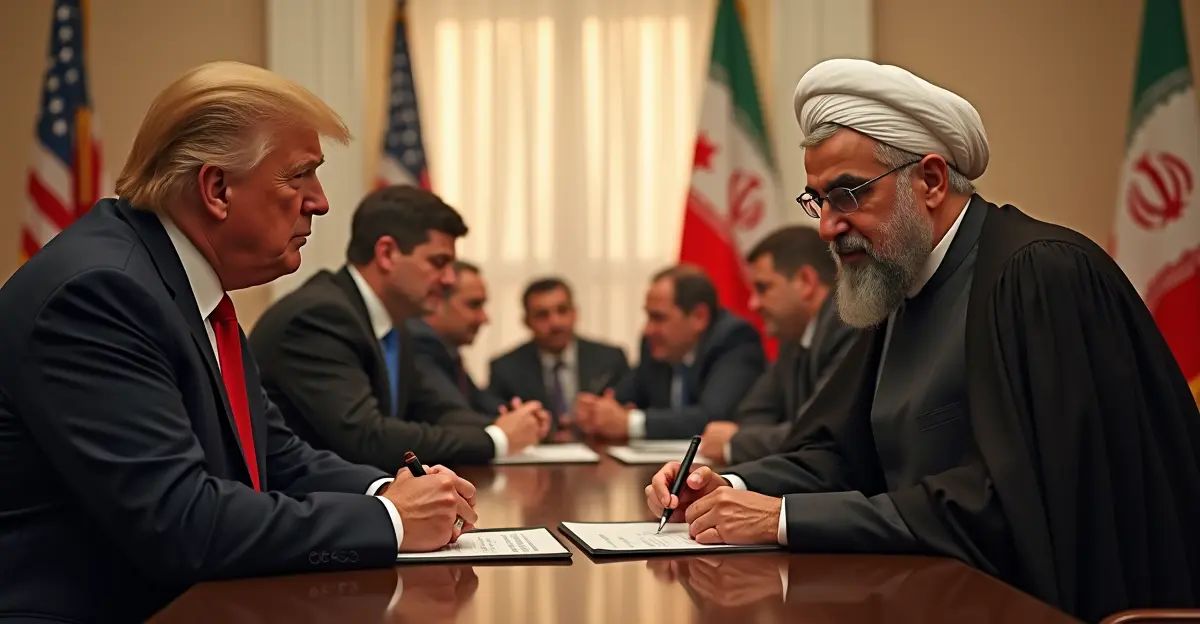
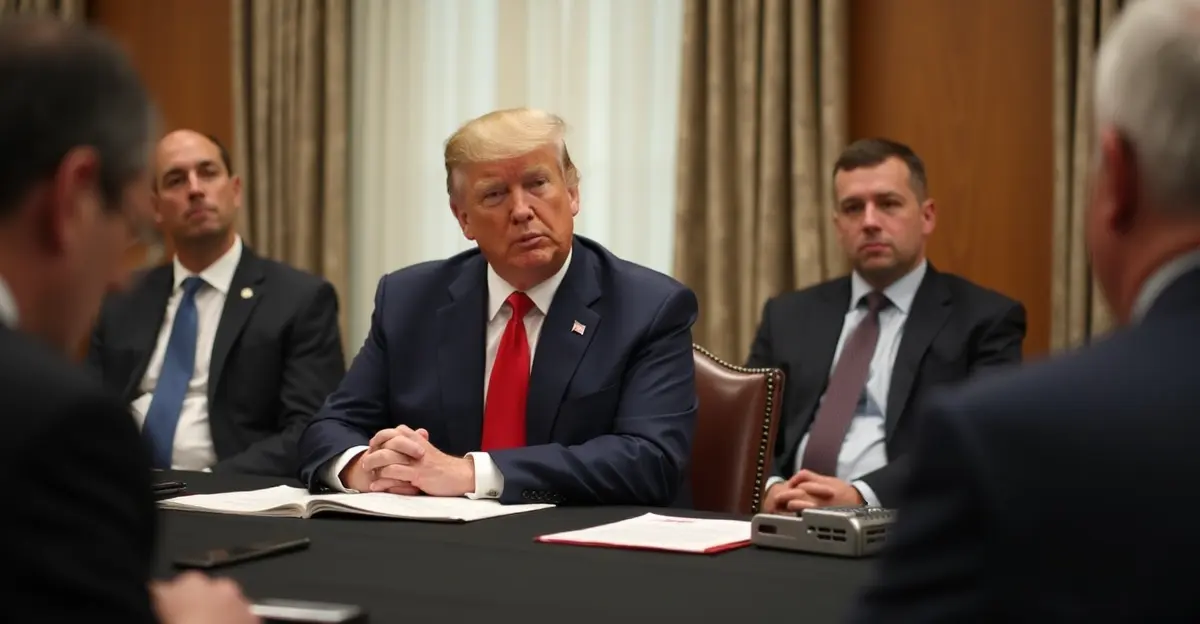
In a dramatic diplomatic breakthrough, former President Donald Trump announced a two-week ceasefire with Iran in the early hours of April 8, 2026, just 90 minutes before his self-imposed deadline for military action would have expired. The Iran-US ceasefire represents a critical pause in escalating tensions that had threatened to plunge the Middle East into wider conflict and sent global oil prices soaring to record highs.
What is the Iran-US Ceasefire?
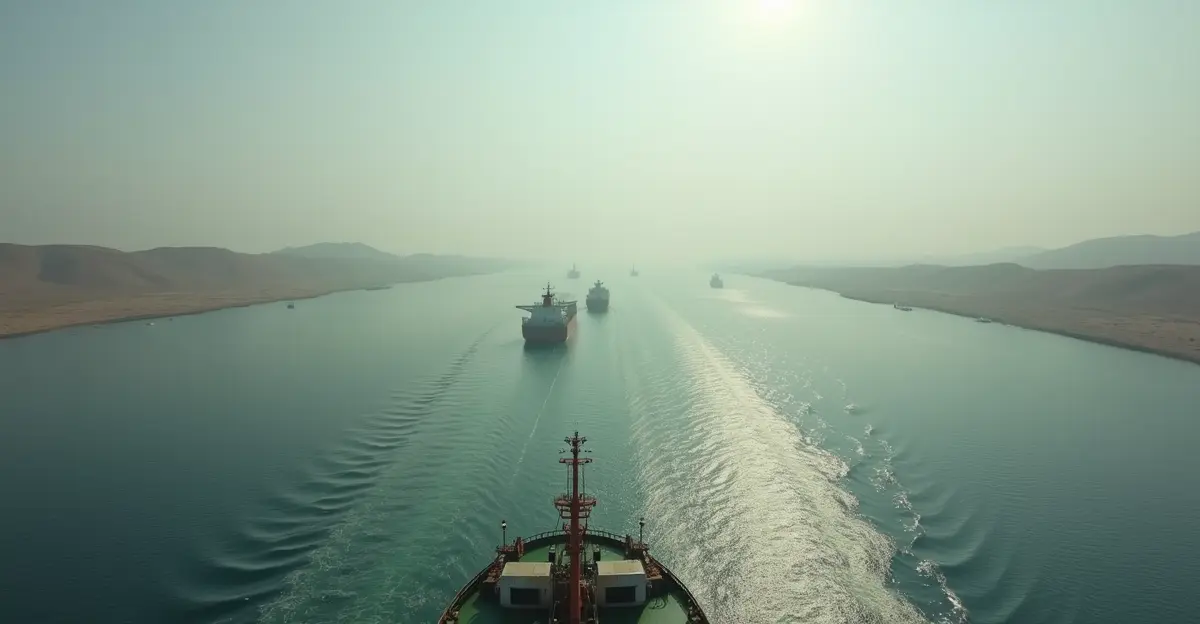
The Iran-US ceasefire is a temporary two-week truce agreement announced by former President Donald Trump at approximately 00:30 Dutch time (18:30 EST) on April 8, 2026. The agreement suspends planned U.S. attacks on Iranian infrastructure and comes with the condition that Iran provides 'COMPLETE, IMMEDIATE, and SAFE OPENING of the Strait of Hormuz,' a vital global oil transit route that carries approximately 20% of the world's daily oil supply. This development follows weeks of escalating tensions that began with the 2026 Iran war in late February.
Key Terms of the Ceasefire Agreement
Iran's 10-Point Peace Plan
Trump announced that Iran had submitted a 10-point peace plan through Pakistani intermediaries, which he described as a 'workable basis' for further negotiations. While full details remain confidential, key elements include:
- Temporary reopening of the Strait of Hormuz during the ceasefire period
- Lifting of all international sanctions against Iran
- Continued Iranian uranium enrichment activities
- Implementation of a $2 million toll per tanker passing through the Strait of Hormuz
- U.S. troop withdrawals from the Middle East region
- Payment of war damages by the United States
Iranian Foreign Minister Hossein Amir-Abdollahian stated that safe passage through the strait would require 'coordination with Iran's Armed Forces,' leaving some ambiguity about the practical implementation.
Regional Acceptance and Exceptions
Israel and various Iranian proxy groups have reportedly accepted the ceasefire, though Israeli Prime Minister Benjamin Netanyahu clarified that the agreement does not cover Israeli attacks on Hezbollah in Lebanon. This distinction highlights the complex regional dynamics that continue to pose challenges for lasting peace, similar to the Middle East conflict resolution efforts of previous administrations.
Economic Impact: Oil Prices Plummet
The ceasefire announcement triggered immediate and dramatic market reactions:
| Commodity | Price Before Ceasefire | Price After Ceasefire | Change |
|---|---|---|---|
| WTI Crude Oil | $117 per barrel | Under $95 per barrel | -19% |
| Brent Crude Oil | $110 per barrel | $93 per barrel | -15% |
| U.S. Stock Futures | Declining | Jumped significantly | Positive surge |
These market movements reflect the critical importance of the Strait of Hormuz to global energy markets. The waterway had been effectively closed since the conflict began, creating what the International Energy Agency called 'one of the most serious energy supply crises ever faced globally.'
Diplomatic Context and Pakistani Mediation
The breakthrough came after intensive mediation efforts by Pakistani Prime Minister Shehbaz Sharif and Field Marshal Asim Munir, who requested the two-week extension to allow for diplomatic negotiations. Pakistan has invited both sides to talks in Islamabad scheduled for Friday, with China reportedly encouraging Iran toward diplomacy.
Middle East correspondent Tara Kenkhuis expressed cautious optimism: 'I think those two weeks are sustainable. Both parties are desperate for a breathing space. The question is whether they will come to a long-term peace plan afterwards, which has failed every time before.'
Strategic Importance of the Strait of Hormuz
The Strait of Hormuz is a 104-mile long waterway between the Persian Gulf and the Gulf of Oman that serves as the only sea passage from the Persian Gulf to the open ocean. During normal operations, it carries:
- 20% of global liquefied natural gas (LNG) trade
- 25% of seaborne oil trade annually
- Critical petroleum supplies for Europe and Asia
- The only maritime route for Gulf countries including Qatar, Kuwait, and Bahrain
The closure had forced major producers like Saudi Arabia, Iraq, and Kuwait to cut production as their storage facilities reached capacity, creating ripple effects throughout the global economy.
Political Implications and Trump's Strategy
The ceasefire announcement comes amid Trump's declining approval ratings and significant public opposition to the war. Trump had threatened Iran with heavy bombardments that would cause 'a complete civilization to die' if Iran did not agree to American demands by 2:00 AM Dutch time.
Both sides have framed the development as a victory, with Trump claiming military objectives were met and Iran stating the U.S. 'has surrendered to the will of the Iranian people.' However, experts remain skeptical about whether the U.S. will accept Iran's maximalist demands, particularly regarding control over the strategic waterway.
What Happens Next?
The two-week ceasefire provides a critical window for diplomacy, but significant challenges remain:
- Negotiations in Islamabad: Both sides are expected to participate in talks hosted by Pakistan, though the U.S. has not yet publicly confirmed attendance.
- Implementation Challenges: The practical details of reopening the Strait of Hormuz remain unclear, particularly regarding Iran's proposed $2 million toll per tanker.
- Regional Complications: The exclusion of Lebanon from the ceasefire and ongoing tensions with proxy groups could undermine broader peace efforts.
- Economic Recovery: Even if the strait reopens, industry executives warn it could take 3-4 months to return to full production levels.
The situation remains fluid, with the potential for renewed conflict if negotiations fail during the two-week window. The international community will be watching closely as these critical talks unfold, particularly given the global energy security implications at stake.
Frequently Asked Questions
How long will the Iran-US ceasefire last?
The ceasefire is scheduled to last for two weeks, during which time negotiations will take place in Islamabad to discuss a more permanent agreement.
What happens to oil prices after the ceasefire?
Oil prices dropped immediately following the announcement, with WTI crude falling from $117 to under $95 per barrel and Brent crude dropping from $110 to $93 per barrel within hours.
Does the ceasefire include Israel's actions in Lebanon?
No, Israeli Prime Minister Benjamin Netanyahu clarified that the ceasefire does not cover Israeli attacks on Hezbollah in Lebanon, creating a potential loophole for continued regional conflict.
What are Iran's main demands in the 10-point plan?
Iran's demands include lifting all international sanctions, continued uranium enrichment, U.S. troop withdrawals from the Middle East, and implementation of a $2 million toll for ships passing through the Strait of Hormuz.
Who mediated the ceasefire agreement?
Pakistani Prime Minister Shehbaz Sharif and Field Marshal Asim Munir facilitated the agreement, with Pakistan hosting upcoming negotiations in Islamabad.



Follow Discussion