


 Deutsch
 English
 Español
 Français
 Nederlands
 Português


 Share
Share




What is the National Counterterrorism Center?
The National Counterterrorism Center (NCTC) is the United States government's primary organization responsible for coordinating national and international counterterrorism efforts. Based in McLean, Virginia, the NCTC brings together specialists from multiple federal agencies including the CIA, FBI, Department of Defense, and Department of Homeland Security to analyze terrorism intelligence and prevent attacks. The center was established following the 9/11 Commission's recommendations and plays a critical role in protecting national security through intelligence integration and threat assessment.
Joe Kent's Resignation: A Major Protest Against Iran War
In a stunning development that has rocked the Trump administration, Joe Kent, the director of the National Counterterrorism Center, resigned on March 17, 2026, in protest against the ongoing U.S. war with Iran. The 45-year-old counterterrorism chief became the first senior administration official to step down specifically over opposition to the conflict, which began on February 28, 2026, with Operation Epic Fury.
In his resignation letter posted on X (formerly Twitter), Kent wrote: 'In good conscience I cannot support the ongoing war against Iran. Iran posed no imminent threat to our nation.' He further accused Israel and its powerful lobby in the United States of pressuring the administration into the conflict through what he called a campaign of disinformation.
Background and Military Credentials
Joe Kent brought significant counterterrorism expertise to his role, having served as an Army Special Forces soldier with 11 combat deployments in Iraq and other conflict zones. His military background and counterterrorism experience gave him unique insight into Middle Eastern security dynamics. Kent was nominated by President Trump in February 2025 and confirmed by the Senate in July 2025, though his confirmation faced scrutiny over past associations with far-right groups like the Proud Boys.
Kent's resignation represents a significant break from the administration's national security team and highlights growing internal divisions over the Middle East military strategy. As director of the NCTC, Kent had access to classified intelligence about Iranian capabilities and intentions, making his assessment that Iran posed no imminent threat particularly significant.
The Iran War: Timeline and Current Status
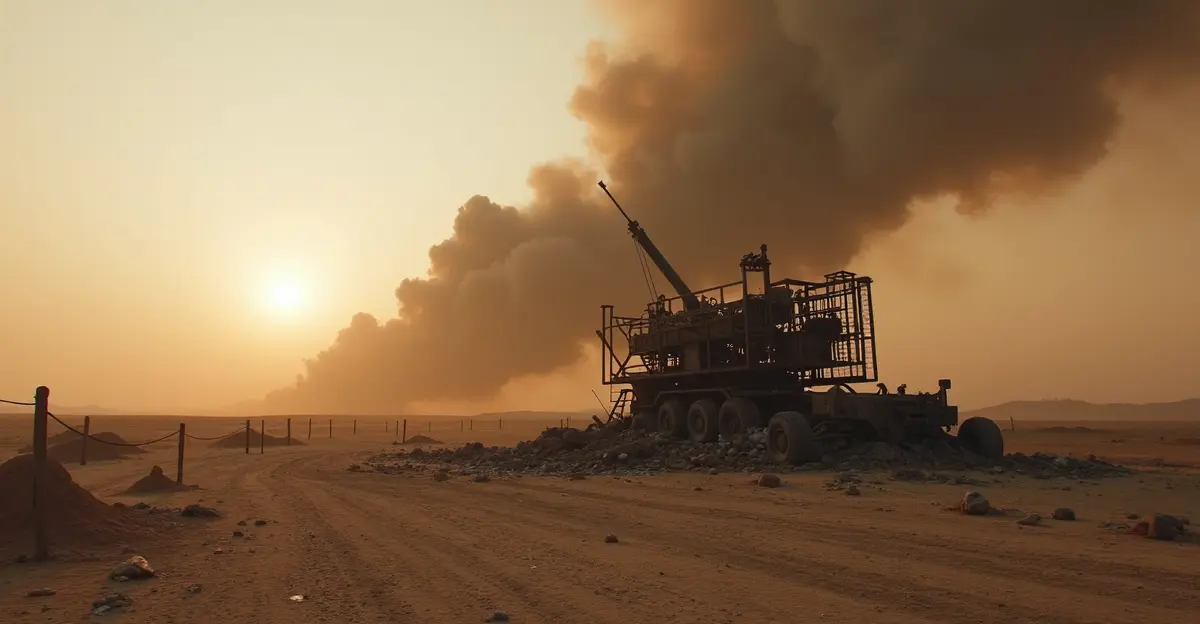
The U.S.-Iran conflict began on February 28, 2026, with Operation Epic Fury - a massive coordinated military campaign involving U.S. and Israeli forces. According to the 2026 Iran war timeline, the initial attack involved nearly 900 strikes in 12 hours targeting Iranian military infrastructure, missile sites, air defenses, and leadership positions. The operation reportedly killed Supreme Leader Ali Khamenei and dozens of top officials.
As of March 2026, the conflict has entered its third week with no clear end in sight. Pentagon reports indicate:
- Over 4,400 Iranian military personnel killed through Day 10
- Civilian casualties estimated at approximately 1,450 killed and 18,600 injured
- Iranian air defenses degraded by 90%
- Ballistic missile launch rates down 90-92% from Day 1
- Shipping traffic through the Strait of Hormuz down 90%
Administration Response and Political Fallout
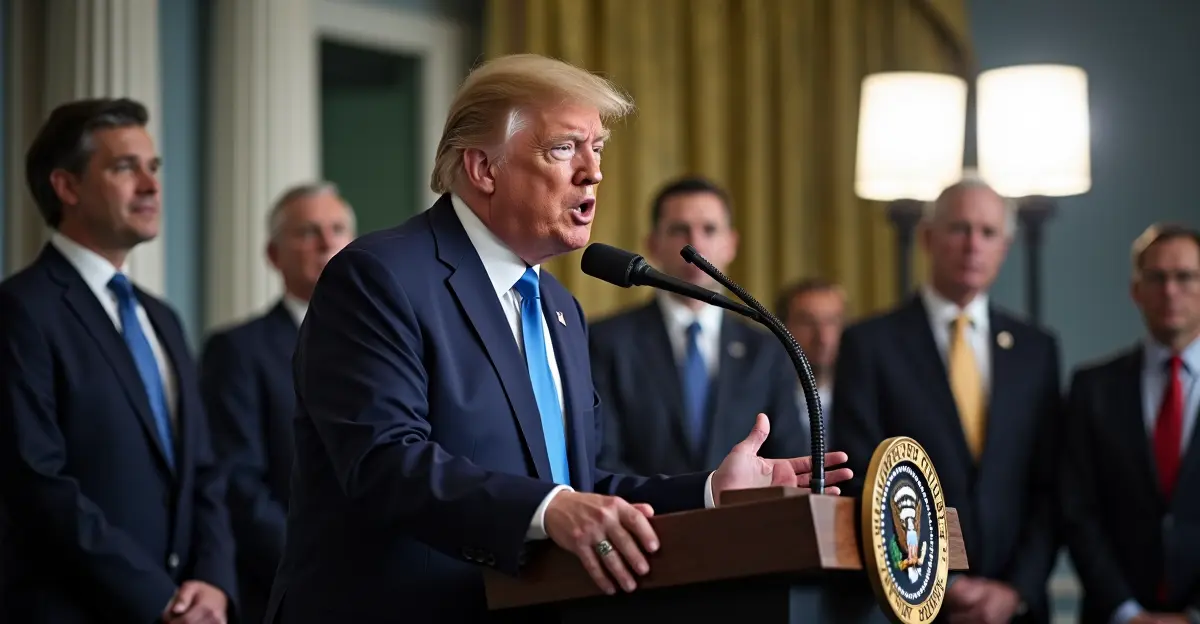
White House spokesperson Leavitt dismissed Kent's resignation letter as containing 'inaccurate information,' while President Trump himself criticized the departing official. 'I always thought he was very weak on security,' Trump told reporters. 'I don't want people in my administration who don't see Iran as a threat. Those aren't smart people. Iran is a huge threat.'
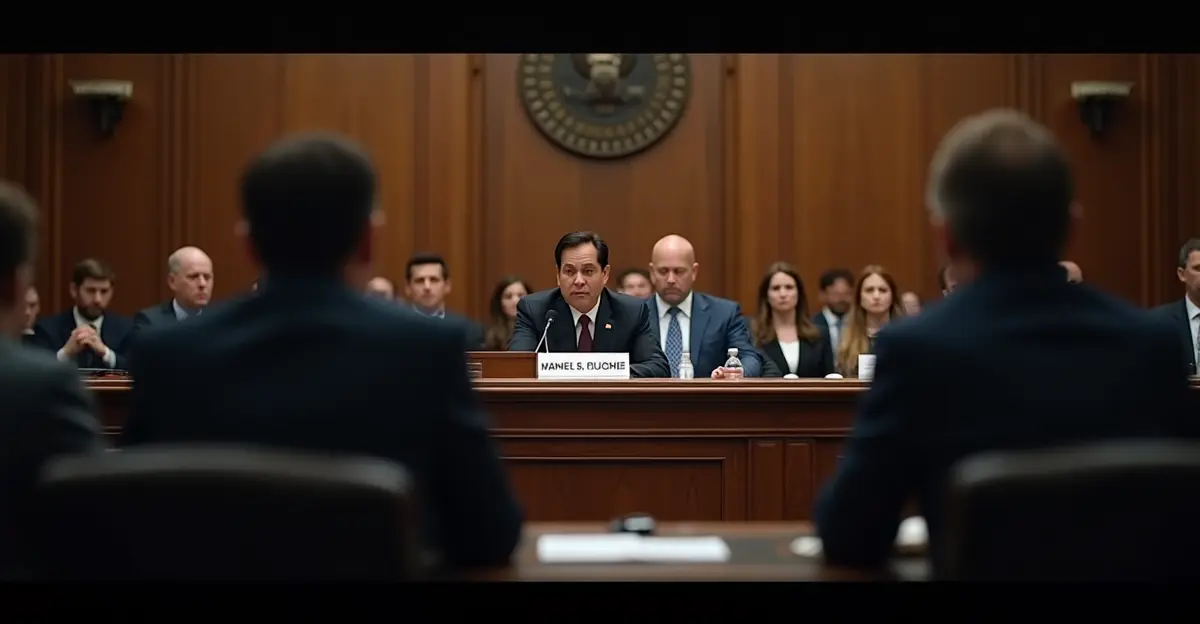
Interestingly, some Democrats who had opposed Kent's nomination found themselves agreeing with his assessment of the Iran conflict. Democratic Senator Mark Warren, a member of the Senate Intelligence Committee, stated: 'I have disagreed with many of his positions over the years... but on this point he is right. There was no credible evidence of an immediate threat from Iran that justifies the United States hastily starting another war in the Middle East.'
Impact on Counterterrorism Operations
Kent's departure raises serious questions about the continuity of U.S. counterterrorism efforts during a period of heightened regional conflict. The NCTC plays a crucial role in:
- Analyzing terrorism intelligence including potential domestic threats
- Monitoring communications internationally and domestically
- Generating actionable information to prevent criminal acts
- Maintaining the Terrorist Identities Datamart Environment (TIDE) database with over 1.2 million identities
- Supporting U.S. counterterrorism activities using information technology
The resignation comes at a particularly sensitive time, as the global terrorism threat landscape evolves amid Middle Eastern instability. With Iranian-backed proxies potentially escalating attacks in response to the conflict, the leadership vacuum at the NCTC could impact the United States' ability to coordinate effective counterterrorism responses.
Frequently Asked Questions (FAQ)
Why did Joe Kent resign?
Joe Kent resigned as director of the National Counterterrorism Center because he could not in good conscience support the U.S. war against Iran, which he believes was based on false premises about an imminent Iranian threat.
What is the National Counterterrorism Center?
The NCTC is the U.S. government's primary counterterrorism organization that coordinates intelligence from multiple agencies to prevent terrorist attacks and analyze terrorism threats both domestically and internationally.
When did the Iran war start?
The U.S.-Iran conflict began on February 28, 2026, with Operation Epic Fury, a massive coordinated military campaign involving U.S. and Israeli forces conducting nearly 900 strikes in 12 hours.
What are the casualty estimates?
As of March 2026, independent reports estimate over 4,400 Iranian military personnel killed, with civilian casualties reaching approximately 1,450 killed and 18,600 injured.
How has President Trump responded?
President Trump criticized Kent as 'weak on security' and stated he doesn't want people in his administration who don't see Iran as a threat, maintaining that Iran represents 'a huge threat' to the United States.



Follow Discussion