


 Deutsch
 English
 Español
 Français
 Nederlands
 Português


 Share
Share




What is the War Powers Resolution?
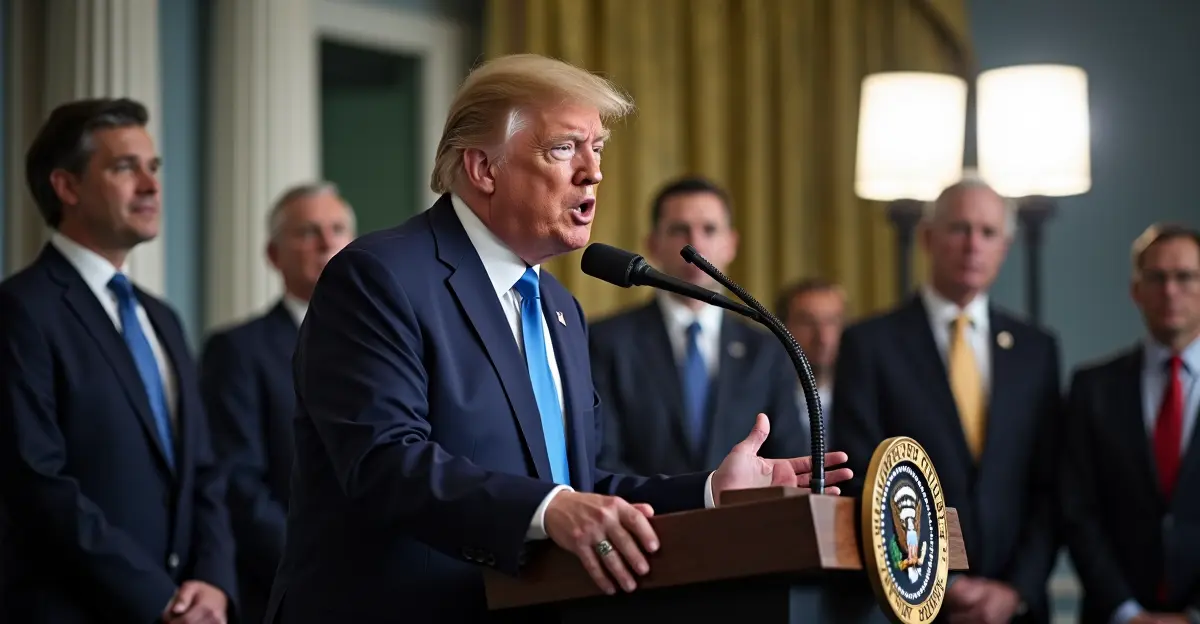
The War Powers Resolution of 1973 is a federal law designed to check the U.S. president's power to commit the United States to armed conflict without congressional consent. It requires the president to notify Congress within 48 hours of committing armed forces to military action and forbids armed forces from remaining for more than 60 days without congressional authorization. This law has become central to the current debate over President Trump's military actions in Iran, where he authorized US-Israel joint strikes without seeking prior congressional approval.
Congress Fails to Rein in Presidential War Powers
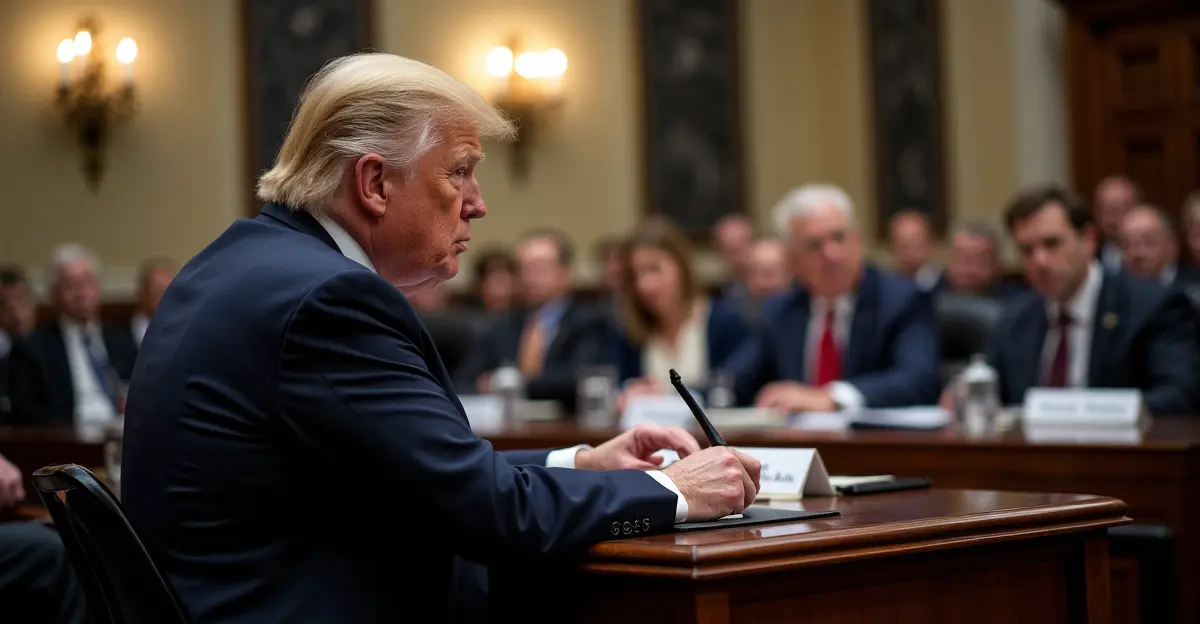
In a significant development on March 6, 2026, the U.S. House of Representatives voted down a resolution that would have limited President Trump's military authority against Iran. The measure failed 212-219, with four Democrats joining nearly all Republicans to defeat it. This followed a similar failed effort in the Senate earlier in the week. The resolution would have directed the president to remove U.S. armed forces from unauthorized hostilities in Iran, but House Speaker Mike Johnson opposed it, calling it dangerous and stating 'We are not at war. We have no intention of being at war.'
Growing Republican Criticism
Despite congressional support for Trump's actions, significant criticism has emerged from within his own party. Cooper Jacks, a 19-year-old chairman of a Republican youth club in Georgia, expressed disappointment: 'I had not expected that they would really go through with it. The election promise of Trump as peace president is broken.' Jacks represents a growing sentiment among younger Republicans who had hoped for a president focused on domestic issues and avoiding new conflicts.
Prominent conservative voices have also spoken out against the attacks. Former Fox News host Tucker Carlson called the strike 'absolutely disgusting and bad' and claimed the entire war is based on lies. Megyn Kelly expressed concern about American soldiers 'dying for Iran or Israel,' while former Congresswoman Marjorie Taylor Greene, once a staunch Trump loyalist, criticized the president: 'We are only a year in and we are already in a new war.'
Military Situation in the Middle East
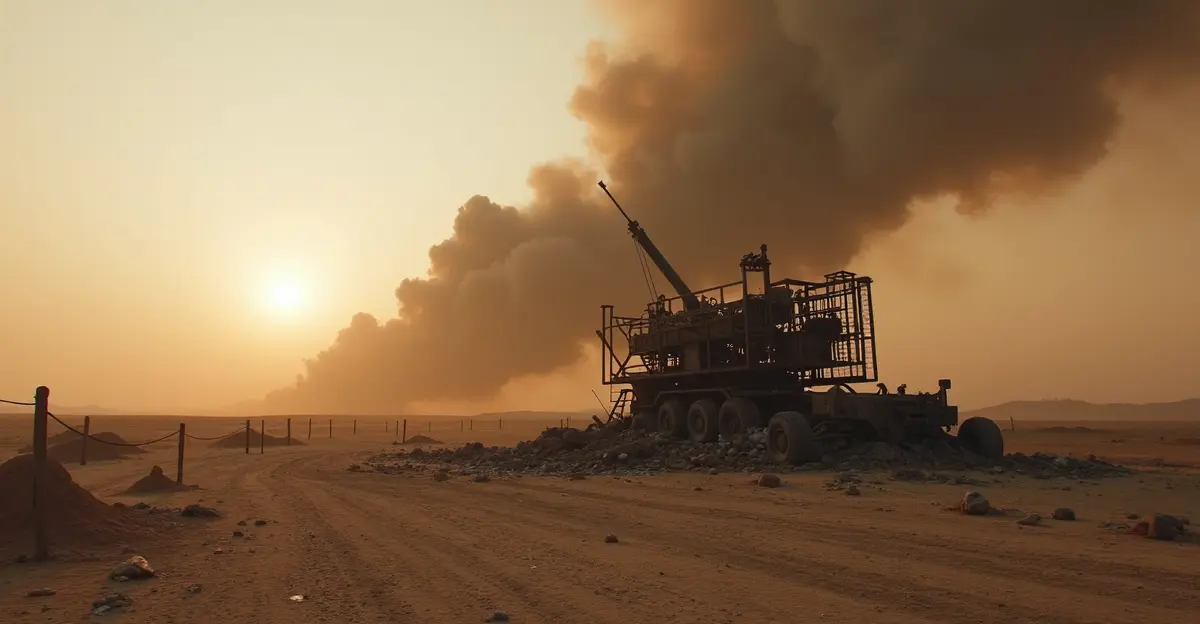
The conflict, now in its seventh day, has seen significant military developments. The U.S. and Israel claim their 'Operation Epic Fury' has crippled Iran's military capabilities, with Israel reporting 2,500 strikes destroying 80% of Iran's air defenses and causing over 1,230 Iranian casualties. Iran has retaliated with ballistic missile attacks, including one that struck Al Udeid Air Base in Qatar - the largest U.S. military base in the Middle East.
Contradictory Justifications
The Trump administration has provided conflicting explanations for the military action. President Trump initially presented it as an attempt to overthrow the Iranian regime. Defense Minister Hegseth justified the intervention by claiming Iran was developing nuclear weapons, while Foreign Minister Rubio said the U.S. decided to participate because Israel would attack Iran, which would lead to retaliation. These contradictory statements have made it difficult for some supporters to continue backing the president.
Public Opinion and Political Implications
According to CNN polls, approximately 60% of all Americans disapprove of the U.S. strikes on Iran. However, among Republicans, the majority actually supports this war - a surprising finding since most Republicans generally prefer that America withdraw from wars. This creates a complex political dynamic where Trump faces criticism from his base while maintaining support for his specific actions.
Veteran Joseph Chenelly, who served in Iraq and Afghanistan, expressed cautious hope: 'Everyone here knows that we make heavy sacrifices in war. I hope the White House is right and that this is really necessary.' His comments reflect the broader veteran community's concerns as they gathered in Washington this week to advocate for better aftercare, higher pensions, and more attention for disabled veterans.
What This Means for U.S. Foreign Policy
The failure of Congress to limit presidential war powers represents a significant shift in the balance between executive and legislative authority. This development follows a pattern where presidents have increasingly bypassed congressional authorization in recent years, despite the Constitution granting Congress war declaration powers. The current situation raises important questions about presidential authority limits and the future of U.S. military engagement in the Middle East.
As the conflict continues, lawmakers have indicated they might reconsider their positions if the conflict extends beyond a few weeks or if ground troops are deployed to Iran. For now, President Trump maintains broad authority to conduct military operations without congressional approval, setting a precedent that could have lasting implications for U.S. foreign policy and the separation of powers.
Frequently Asked Questions
What is the War Powers Resolution?
The War Powers Resolution of 1973 is a federal law that requires the president to notify Congress within 48 hours of committing armed forces to military action and limits deployment to 60 days without congressional authorization.
Why did Congress fail to limit Trump's war powers?
The resolution failed 212-219 in the House, with Republicans maintaining majority control and four Democrats joining them to defeat the measure. Similar efforts failed earlier in the Senate.
What are Republicans saying about the Iran attacks?
While congressional Republicans largely support the president's actions, significant criticism has emerged from conservative media figures and younger Republican activists who expected Trump to avoid new foreign conflicts.
How has Iran responded to the attacks?
Iran has launched ballistic missile attacks in retaliation, including strikes on U.S. bases in Qatar, and continues missile and drone attacks across the Gulf region, though at reduced rates according to U.S. reports.
What is the current military situation?
The conflict is in its seventh day with the U.S. and Israel claiming significant damage to Iran's military infrastructure, while Iran continues retaliatory strikes and regional tensions remain high.


Follow Discussion