


 Deutsch
 English
 Español
 Français
 Nederlands
 Português


 Share
Share




Trump's Iran War Creates Deep MAGA Divide at CPAC 2026
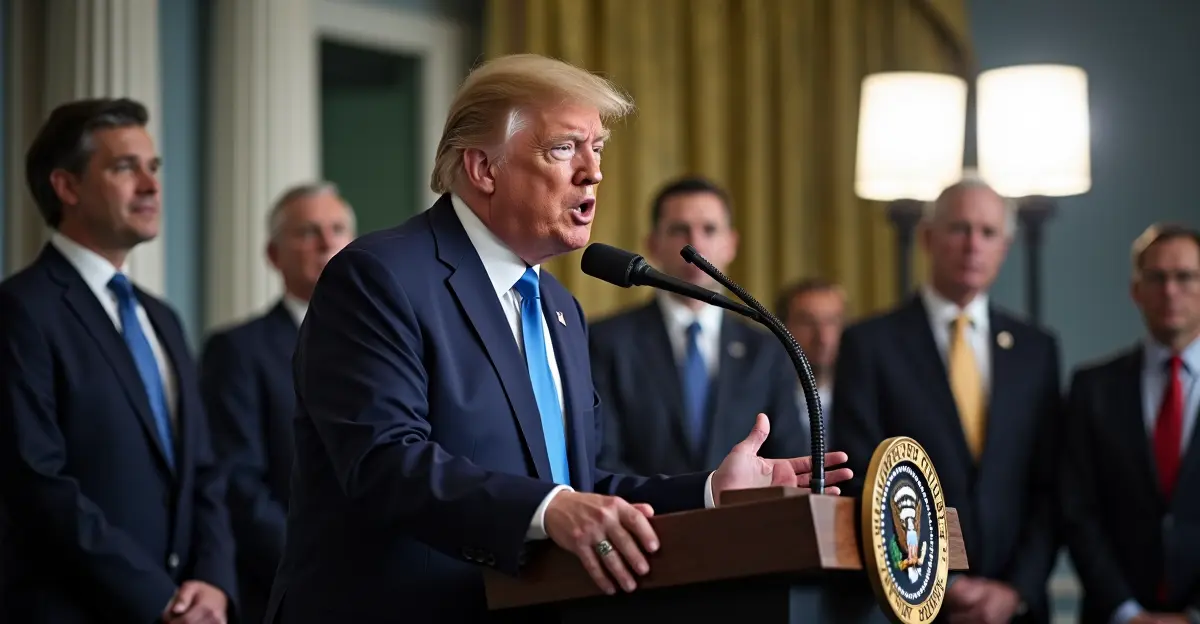
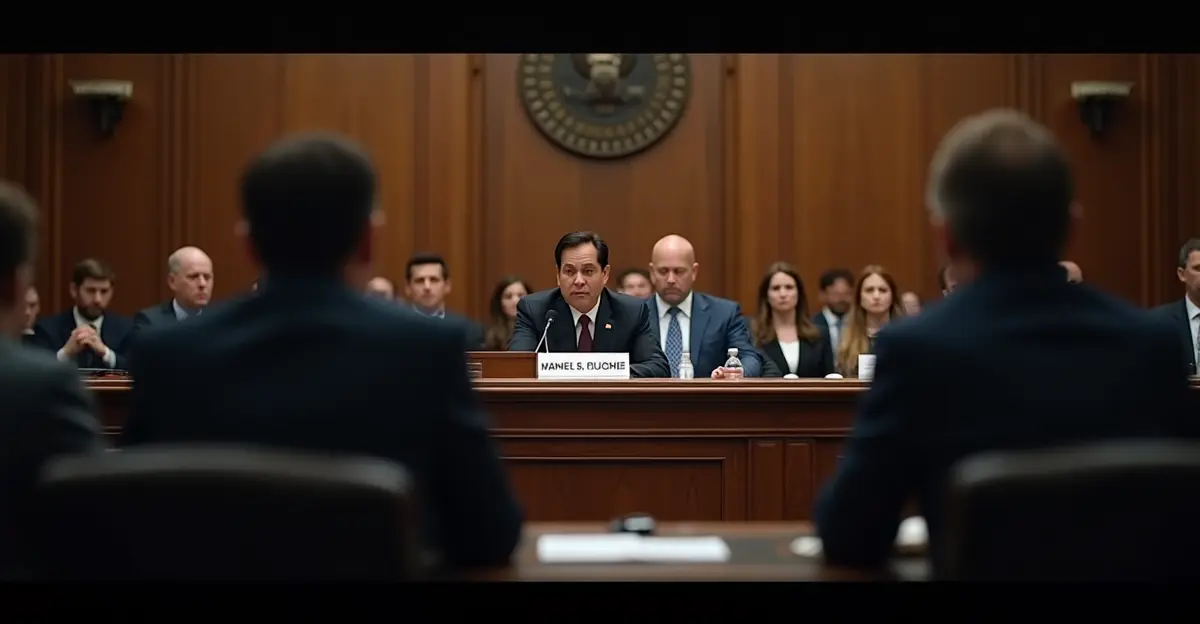
Four weeks into President Donald Trump's military conflict with Iran, a significant rift has emerged within his MAGA movement, exposing tensions between the 'America First' isolationist philosophy and growing support for military intervention. The Conservative Political Action Conference (CPAC) in Grapevine, Texas, has become ground zero for this ideological battle, with Trump's absence highlighting the deepening divisions among his most loyal supporters.
What is the CPAC Iran Divide?
The CPAC Iran divide refers to the growing split within Trump's conservative base over the president's military actions against Iran. While traditional Republican hawks support the intervention, many MAGA activists who embraced Trump's 'America First' anti-war platform now question the deployment of ground troops and prolonged military engagement. This conflict represents a fundamental tension between isolationist principles and interventionist realities in modern conservative politics.
The CPAC Atmosphere: Patriotism Meets Protest
At first glance, CPAC 2026 maintained its traditional patriotic atmosphere with flag ceremonies, national anthem performances, and morning prayers led by a rabbi. Country music filled the halls, and speakers routinely criticized the 'mainstream media' as 'fake news.' However, this year's conference was dominated by the Iran question, with dozens of Iranian Americans and Iranian expatriates making their presence known throughout the Gaylord resort, some waving Iranian flags in protest.
Trump's unprecedented absence from CPAC for the first time in ten years added to the tension. The White House cited his "intensive involvement in the ongoing conflict with Iran" as the reason, though Trump was reportedly golfing in Florida and meeting with Saudi investors. "It's understandable, but especially now you'd want to see more public appearances," said Aiden Fox, chairman of the Republican club at Ohio University, who traveled to Texas with fellow students.
Polling Reveals Public Skepticism
Recent polling data underscores the political challenges facing Trump's Iran policy. A March 2026 Pew Research Center survey found that 61% of Americans disapprove of Trump's handling of the conflict, with 59% believing the decision to use military force was wrong. Only 25% think the military action is going extremely or very well. Among Republicans, support remains higher at 71%, but enthusiasm is waning as the conflict enters its fourth week.
A Reuters/Ipsos poll reveals even starker numbers: 65% of Americans believe Trump will order troops into a large-scale ground war in Iran, despite only 7% supporting such action. The poll shows 55% oppose deploying any ground troops, while 34% would support limited special forces deployment. These numbers suggest significant public resistance to escalation, mirroring the 2025 Middle East peace negotiations that faced similar public skepticism.
Steve Bannon's War Room Warning
Former Trump advisor Steve Bannon delivered one of the most dramatic warnings at CPAC, telling attendees that Trump is "on the eve of potentially the insertion of American combat troops" into Iran. Broadcasting his 'War Room' podcast from the conference stage, Bannon emphasized that "it's not just about the B2 bombers... it's about the sons and daughters of the MAGA movement, children and grandchildren of the working class who are being sent into danger."
Bannon, who served as a top advisor during Trump's first term and maintains contact with the former president, has emerged as one of the most vocal critics of the war within MAGA circles. His warning that the GOP could "bleed support" if the Iran conflict becomes "a hard slog" reflects growing concerns about political consequences.
Generational Divide Among Conservatives
The Iran conflict has exposed a significant generational divide within conservative ranks. While older conservatives generally support Trump's military actions, younger conservatives express more skepticism and concern about the conflict. This split highlights evolving attitudes within the Republican Party, with younger members questioning traditional hawkish foreign policy positions.
"This is not America First, and I don't think this has ever been in America's interest," said Viswanag Burra, a CPAC attendee who believes Trump has been manipulated by Israeli Prime Minister Benjamin Netanyahu. "This is a war being fought on behalf of Israel." This sentiment echoes throughout the conference, with many attendees expressing frustration that Trump appears to have abandoned his campaign promise to avoid new foreign wars.
America First vs Interventionist Reality
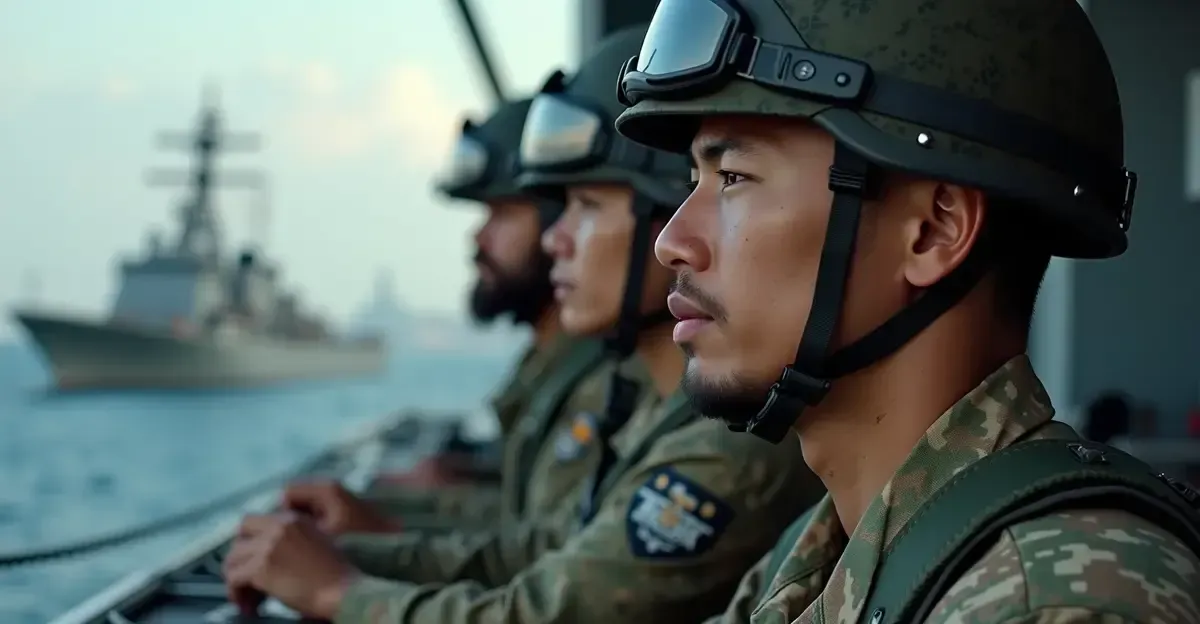
The core tension at CPAC revolves around reconciling Trump's 'America First' platform with the reality of military intervention in Iran. Many attendees expressed support for bombing campaigns but drew the line at ground troop deployment. "Bomb them to rubble, but if you can't make a deal: come home," said one attendee, capturing the isolationist sentiment that initially propelled Trump to power.
This conflict represents a broader ideological struggle within the conservative movement, similar to debates during the Bush administration Iraq war era. The difference now is that the anti-war sentiment comes from within Trump's own base, complicating his political calculus as he considers further escalation.
Political Implications and Future Outlook
The CPAC divide has significant implications for Trump's political future and the 2026 midterm elections. With only 40% approval rating in recent polls and growing discontent among his base, Trump faces the challenge of maintaining Republican unity while pursuing military objectives in Iran. The conflict has already claimed political casualties, including a senior administration official who resigned in protest against the war.
As the conflict enters its second month, the pressure is mounting on Trump to either achieve a decisive victory or face growing opposition from within his own movement. The 2024 presidential election foreign policy debates may pale in comparison to the internal Republican struggle now unfolding over Iran policy.
FAQ: Trump's Iran War and MAGA Divide
Why is Trump's base divided over the Iran war?
Trump's MAGA movement was built on 'America First' isolationism, promising to avoid new foreign wars. The Iran conflict represents a departure from this core promise, creating tension between ideological principles and current military reality.
What percentage of Americans support ground troops in Iran?
Only 7% of Americans support deploying large-scale ground troops to Iran, according to Reuters/Ipsos polling. 55% oppose any ground troop deployment, while 34% would support limited special forces operations.
How has Steve Bannon responded to the Iran conflict?
Steve Bannon has emerged as a vocal critic within MAGA circles, warning that ground troop deployment could cause the GOP to "bleed support" and emphasizing the human cost to working-class families in Trump's base.
What is the generational divide at CPAC?
Younger conservatives at CPAC express more skepticism about the Iran war than older Republicans, reflecting evolving attitudes toward military intervention among newer generations within the conservative movement.
How does this compare to previous Republican foreign policy debates?
Unlike the unified Republican support for the Iraq War under George W. Bush, the Iran conflict has exposed divisions within Trump's own base, making this a more complex political challenge for the president.
Follow Discussion