


 Deutsch
 English
 Español
 Français
 Nederlands
 Português


 Share
Share




What is the War Powers Resolution and Why Does It Matter for Iran?
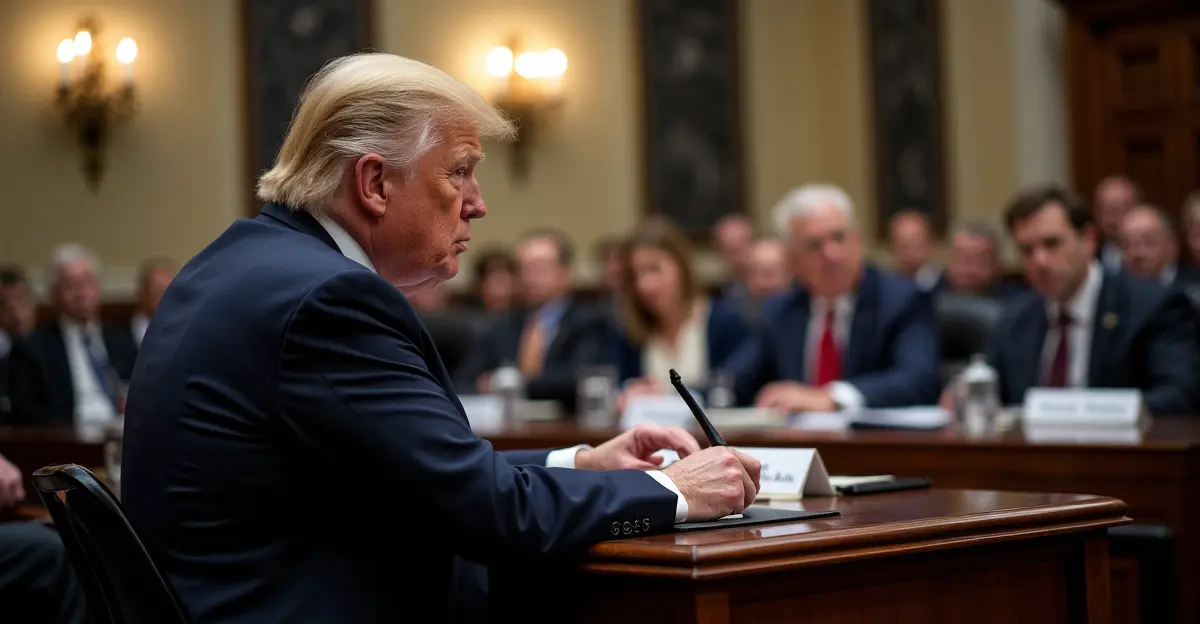
The War Powers Resolution of 1973, a federal law designed to check the U.S. president's power to commit armed forces without congressional consent, is now at the center of a high-stakes political showdown over the Iran war. President Donald Trump launched military operations against Iran on February 28, 2026, but only formally notified Congress on March 2, triggering the 60-day clock. That deadline expires on May 1, 2026, and with it comes mounting pressure on Trump to either secure congressional approval or begin withdrawing U.S. troops. The Iran war deadline explained is becoming a critical turning point in U.S. foreign policy.
Background: The War Powers Resolution Explained
Enacted during the Vietnam War era, the War Powers Resolution requires the president to notify Congress within 48 hours of sending troops into hostilities. It prohibits armed forces from remaining for more than 60 days without congressional authorization for use of military force (AUMF) or a formal declaration of war. An additional 30-day withdrawal period is allowed if the president certifies that it is necessary for the safe withdrawal of troops.
Key Provisions of the War Powers Act
- Notification requirement: President must report to Congress within 48 hours of committing forces.
- 60-day clock: Hostilities must end within 60 days unless Congress authorizes continuation.
- 30-day extension: Allowed only for safe troop withdrawal, not for continued offensive operations.
- Congressional override: Congress can pass a concurrent resolution to force withdrawal at any time.
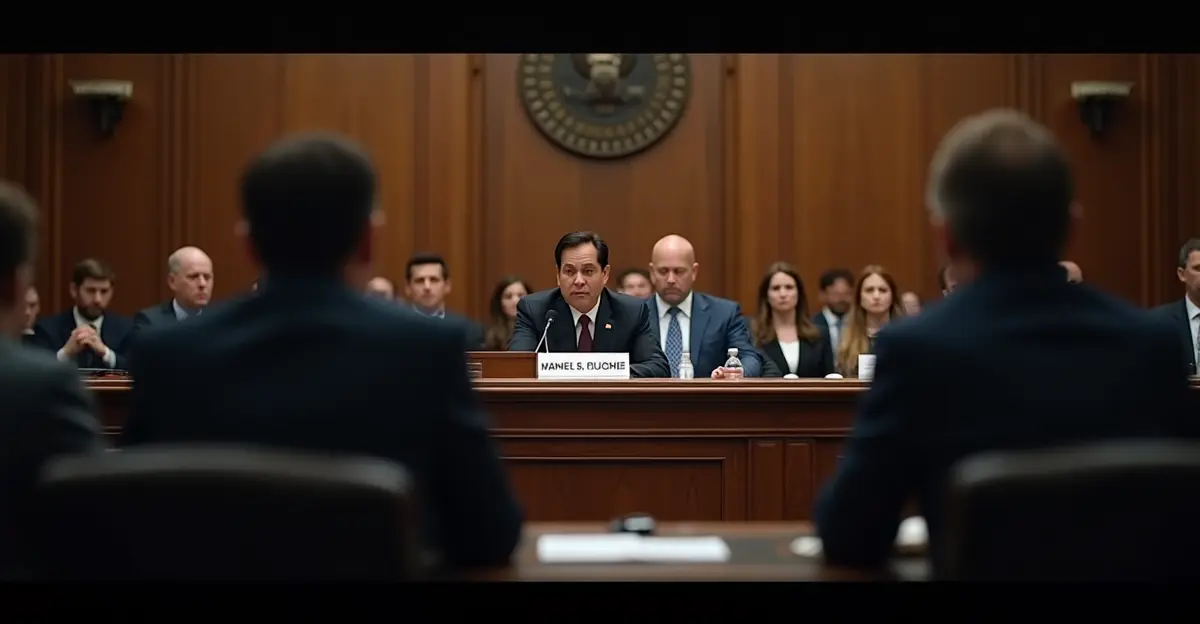
Despite multiple attempts by Democrats to rally Republican support to end the Iran conflict, those efforts have so far failed. However, voices within the Republican Party suggest the legal deadline could be a potential turning point, according to The New York Times.
Trump's Options as the Deadline Approaches
President Trump faces several possible paths as the May 1 deadline looms. Each carries significant political and legal risks.
Option 1: Request a 30-Day Extension
Trump could invoke the 30-day extension clause, but only by certifying that the extension is necessary for the safe withdrawal of American troops. This would not authorize continued offensive operations. The move would likely face legal challenges and political backlash from both parties.
Option 2: Seek Congressional Authorization
The president could ask Congress to pass an Authorization for Use of Military Force (AUMF) specific to Iran. This would provide legal cover for continued operations without a formal declaration of war. However, it remains unclear whether Republicans are united enough to pass such authorization, given internal divisions over the conflict. The congressional war powers debate is intensifying as the deadline nears.
Option 3: Ignore the Deadline
In 2011, President Barack Obama ignored the 60-day deadline during the Libya intervention, arguing the War Powers Resolution did not apply. Many analysts expect the Trump administration to make a similar argument regarding Iran. Senator Chris Murphy warned: 'Many Republicans have openly stated that the 60-day deadline is legally very important. It will become harder for Republicans to look the other way once those 60 days are up.'
Political Fallout and Republican Divisions
The War Powers Resolution has exposed deep fissures within the Republican Party. While GOP lawmakers have largely blocked Democratic efforts to force an end to the Iran war, the approaching deadline may shift allegiances. Prominent MAGA ally Tucker Carlson has publicly turned against Trump over the conflict, calling it a betrayal of the 'America First' doctrine.
Senator Chris Murphy noted that the legal significance of the 60-day mark could force Republicans to take a stand. The MAGA divide on Iran war illustrates the growing tension between Trump loyalists and traditional conservatives.
Historical Precedents and Legal Challenges
The War Powers Resolution has been controversial since its passage. Every president since Richard Nixon has questioned its constitutionality, yet none have successfully challenged it in court. Key historical moments include:
| Conflict | President | Outcome |
|---|---|---|
| Vietnam War | Nixon | Resolution passed over veto; war continued |
| Grenada (1983) | Reagan | Troops withdrawn before 60-day limit |
| Libya (2011) | Obama | Deadline ignored; no legal consequences |
| Iran (2026) | Trump | Deadline approaching May 1 |
Legal experts are divided on whether the Trump administration would face consequences if it ignores the deadline. The War Powers Resolution legal history shows that no president has ever been successfully sued for violating the act.
Impact on Global Stability and Oil Markets
The Iran war has already disrupted global energy markets. The closure of the Strait of Hormuz has caused transit fees through the Panama Canal to quintuple, according to BNR. European allies are growing increasingly anxious about the conflict's duration and the potential for escalation. If Trump fails to secure congressional approval by May 1, the resulting legal vacuum could embolden adversaries and unsettle allies.
Frequently Asked Questions
What is the War Powers Resolution?
The War Powers Resolution is a 1973 federal law that limits the president's ability to commit U.S. forces to armed conflict without congressional approval. It requires notification within 48 hours and mandates withdrawal after 60 days unless Congress authorizes continued action.
When does the 60-day deadline expire for the Iran war?
The 60-day deadline expires on May 1, 2026. President Trump notified Congress on March 2, 2026, even though hostilities began on February 28.
Can President Trump ignore the War Powers Resolution?
President Trump could argue, as President Obama did in 2011 regarding Libya, that the resolution does not apply. However, this would likely provoke legal challenges and political backlash from both parties.
What happens if Congress does not authorize the Iran war?
If Congress does not pass an AUMF or declaration of war, the president must withdraw U.S. forces within 30 days. Failure to do so would violate federal law, though enforcement mechanisms remain untested.
How have past presidents handled the War Powers Resolution?
Most presidents have complied with the 60-day deadline or sought congressional authorization. President Obama's 2011 Libya intervention is the most notable example of a president ignoring the deadline without facing legal consequences.



Follow Discussion