


 Deutsch
 English
 Español
 Français
 Nederlands
 Português


 Share
Share




What Are Trump's Daily Video Briefings?
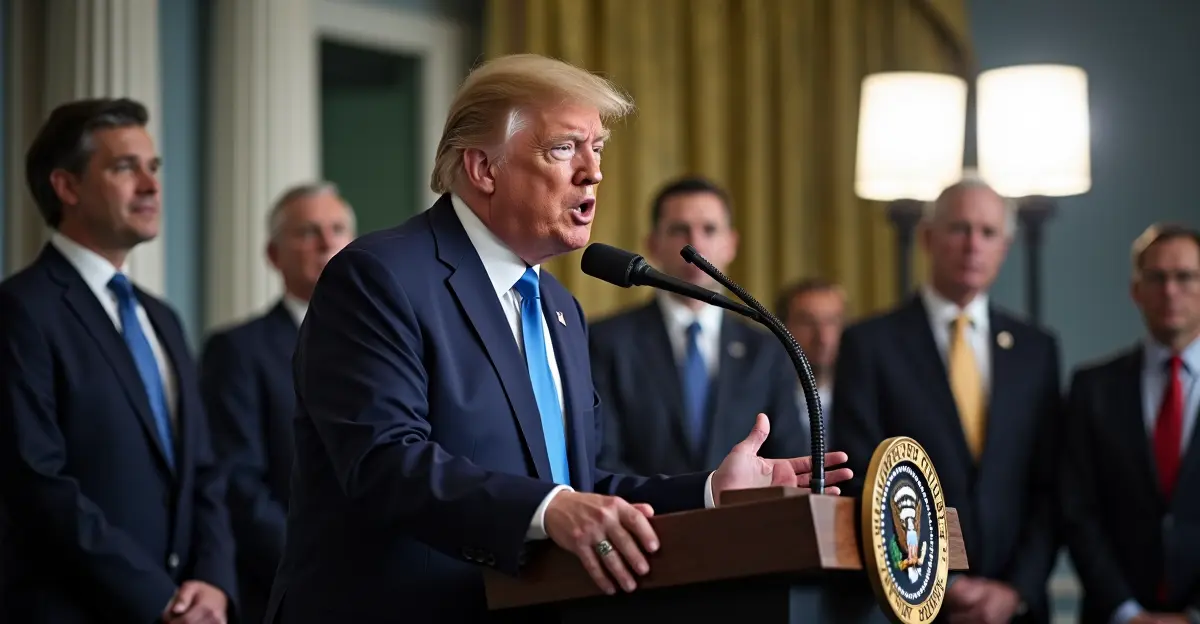
President Donald Trump receives daily 2-minute video briefings showing U.S. military successes in the Iran war, raising concerns among intelligence officials and allies that he may not be receiving a complete picture of the conflict. These curated video montages, described by insiders as 'sizzle reels of stuff blowing up,' highlight the most successful American strikes on Iranian targets over the previous 48 hours while potentially omitting critical information about Iranian actions, casualties, and strategic developments.
Background: The Iran War Context
The Iran war entered its fourth week in March 2026, with escalating tensions following President Trump's ultimatums regarding the Strait of Hormuz. According to military reports, coalition forces have struck over 8,000 targets inside Iran, destroyed more than 130 Iranian vessels, and caused Brent crude prices to surge above $100 per barrel. The conflict has resulted in significant casualties, including 13 U.S. service members killed, over 1,200 Iranian civilian deaths, and approximately 1,200 people killed in Lebanon. The situation mirrors concerns seen in other Middle East conflict intelligence failures throughout modern history.
How Presidential Briefings Normally Work
The Traditional President's Daily Brief
Typically, U.S. presidents receive the President's Daily Brief (PDB), a top-secret intelligence document produced each morning containing highly classified analysis, covert operations reports, and sensitive intelligence from multiple agencies. According to historical data, over 60% of PDB material comes from signals intelligence (SIGINT), with the document representing the most sensitive classified information in government. Presidential usage varies significantly - while some presidents like George W. Bush attended nearly all briefings, recent reports indicate Trump averages only one PDB every nine days during his second term.
Trump's Visual Learning Preference
Professor Bas Rietjens, a leading intelligence expert at Leiden University, explains the current approach: 'Normally, the president gets a daily update with a thick book of additional information. What differs now is that Trump is much more visually oriented. He doesn't read that underlying thick book or barely reads it and wants to be informed in a way that resonates with him.' This approach reflects broader trends in executive decision-making psychology that have concerned national security experts.
Key Concerns About Video-Only Briefings
Risk of Distorted Perspective
Intelligence officials have identified three primary risks with the video-only briefing approach:
- Incomplete Information: Videos focus on successes while potentially omitting Iranian retaliations, civilian casualties, and strategic setbacks
- Attention Span Limitations: The 2-minute format may not allow for nuanced discussion of complex geopolitical factors
- Groupthink Reinforcement: Trump's preference for 'like-minded people' around him may filter out contradictory intelligence
Academic Censorship Concerns
Professor Rietjens notes broader implications observed at recent intelligence conferences: 'What struck me most was the self-censorship. Professors from various universities were afraid they would be reported by students if they talked about themes that were too sensitive.' At one conference, organizers distributed a list of topics that couldn't be discussed - a development Rietjens described as 'scary, to put it mildly.'
Comparison: Trump vs. Previous Presidents
| President | Briefing Style | Frequency | Format Preference |
|---|---|---|---|
| Donald Trump (2025-) | Video montages | Daily videos, PDB every 9 days | Visual, 2-minute highlights |
| Barack Obama | Comprehensive written | Daily PDB with in-person briefings | Detailed written analysis |
| George W. Bush | In-person intelligence | Nearly daily attendance | Verbal discussions with analysts |
| Bill Clinton | Morning security meetings | Regular scheduled briefings | Policy-focused discussions |
Military and Political Implications
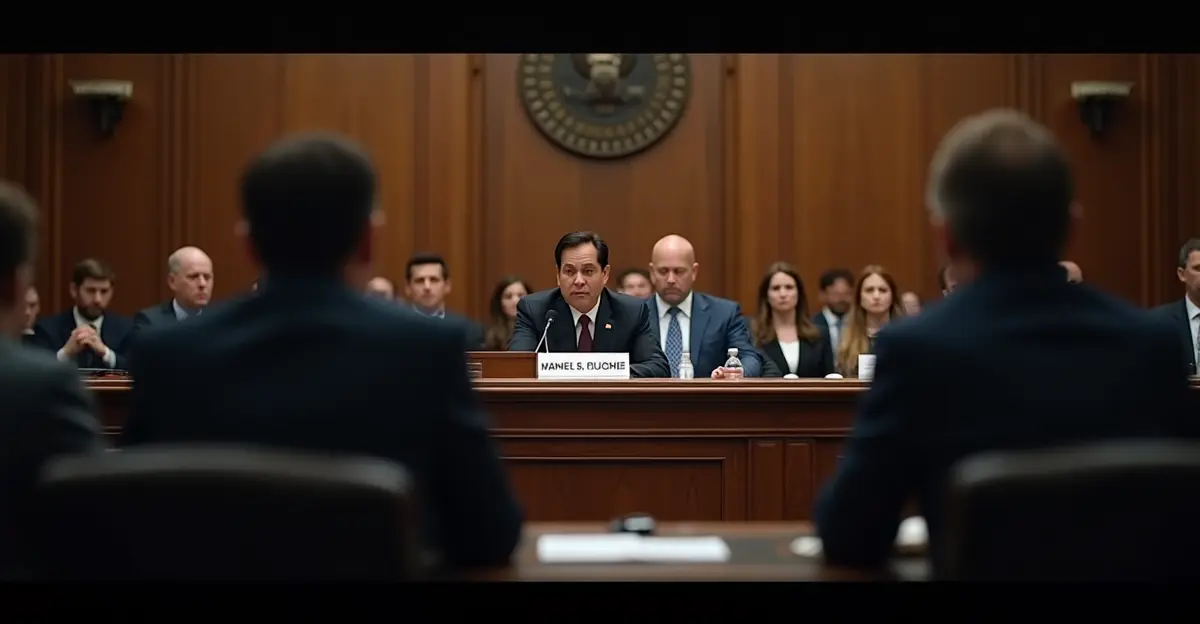
The video briefing approach comes as House Republicans express growing frustration with the administration's handling of the Iran war. Following a classified briefing, key members of the House Armed Services Committee criticized the lack of clarity about military strategy, objectives, and costs. GOP Rep. Nancy Mace stormed out of one briefing, stating she would oppose additional funding until receiving clear answers about the war's duration. These developments highlight how presidential information consumption patterns can directly impact legislative support for military operations.
FAQ: Trump's Video Briefings Explained
How long are Trump's daily video briefings?
Each video briefing lasts approximately 2 minutes and shows highlights of successful U.S. military strikes on Iranian targets over the previous 48 hours.
Does Trump receive traditional intelligence briefings?
Yes, Trump receives updates through conversations with military advisers and foreign leaders, but recent reports indicate he averages only one traditional President's Daily Brief every nine days.
What are the main concerns about video-only briefings?
Intelligence experts worry about incomplete information, distorted perspectives, reinforcement of groupthink, and potential impacts on critical war decisions.
How does this compare to previous presidents?
Previous presidents typically received comprehensive written briefings with in-person discussions, while Trump prefers visual formats tailored to his learning style.
What is the current status of the Iran war?
As of March 2026, the conflict has entered its fourth week with significant casualties, economic impacts, and ongoing military operations across the region.



Follow Discussion