


 Deutsch
 English
 Español
 Français
 Nederlands
 Português


 Share
Share




Trump Administration Faces Mounting Criticism Over Iran War Justification
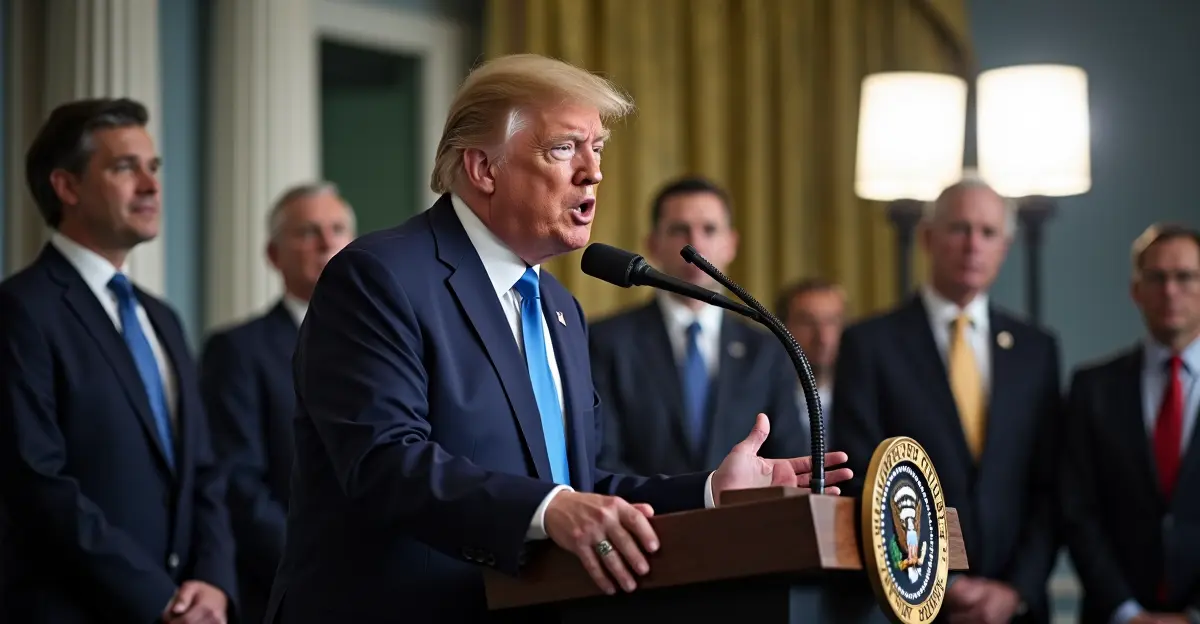
The Trump administration is facing escalating congressional criticism over contradictory statements regarding the ongoing war in Iran, with lawmakers from both parties expressing frustration over inconsistent justifications for military action that has already claimed American lives. Secretary of State Marco Rubio and Defense Secretary Pete Hegseth faced intense questioning during closed-door congressional briefings this week, where they struggled to provide a unified explanation for the U.S.-led strikes that killed Iranian Supreme Leader Ali Khamenei and targeted Iran's military infrastructure.
What is the Iran War Controversy About?
The controversy centers on conflicting narratives emerging from the Trump administration about why the United States initiated military strikes against Iran in early 2026. According to multiple congressional sources, administration officials have provided different justifications ranging from preemptive action against an imminent threat to supporting Israeli military plans. The lack of consistent messaging has created what one senior Democratic aide called 'a credibility crisis at the worst possible time.'
Congressional Briefings Reveal Deep Divisions
Following Tuesday's classified briefings, members of Congress emerged with starkly different assessments along party lines. Democrats argued the administration failed to demonstrate an 'immediate threat' that would justify bypassing congressional authorization, while most Republicans supported the president's decision—though some warned their support could waver if the conflict escalates further. Senate Minority Leader Chuck Schumer described the briefing as 'completely and totally insufficient,' telling reporters, 'The administration gives different answers every day about why these attacks on Iran were ordered.'
The core question remains unanswered: Was there truly an immediate threat from Iran that necessitated immediate bombing? 'No clear answer has emerged,' noted American correspondent David Hammelburg, who added, 'Whoever knows should raise their hand; it remains unclear.'
Contradictory Statements from Administration Officials
Analysis of public statements reveals significant inconsistencies within the Trump administration's messaging:
- Timeline contradictions: President Trump has offered varying timeframes from 'two or three days' to 'four or five weeks' for military operations
- Objective confusion: Administration officials have suggested both regime change and preventing nuclear weapons as primary goals
- Justification shifts: Secretary Rubio presented a new justification claiming the U.S. acted preemptively because Israel was planning to strike Iran first
- Legal discrepancies: While Rubio claims proper War Powers Act notification, Democrats argue the strikes lacked congressional authorization
These contradictions mirror previous foreign policy crises during the Trump presidency where messaging discipline broke down during international conflicts.
Public Opinion Shows Significant Opposition
Recent polling reveals only 25-27% of Americans support the military strikes against Iran, with 43% disapproving and the remainder uncertain. A Reuters/Ipsos poll conducted in March 2026 shows just one in four Americans favor U.S. strikes on Iran, while 56% of respondents believe President Trump is too willing to use military force to advance U.S. interests. This public skepticism reflects concerns about potential escalation and the human cost of the conflict, which has already resulted in three American service members killed and over 200 Iranian casualties reported.
Legal and Constitutional Implications
The administration's contradictory statements have raised serious legal questions about the War Powers Act and executive authority. Democrats are preparing to force votes on war powers resolutions to limit President Trump's authority for further attacks without congressional approval. The constitutional debate centers on whether the administration can claim 'imminent threat' justification while providing inconsistent timelines and objectives to different audiences.
Secretary Rubio has defended the administration's actions, stating they followed legal requirements by notifying congressional leaders before the attack and providing formal notification within 48 hours as required by the War Powers Act. However, legal experts note that notification does not equal authorization, and the administration's shifting justifications could undermine their legal position if challenged in court.
Regional and Global Impact
The contradictory messaging has complicated diplomatic efforts and created uncertainty among U.S. allies. The conflict has already impacted global oil markets, with analysts warning that escalation could push oil prices to $150 per barrel and increase inflation to 5%. European allies have expressed concern about the administration's unclear objectives, while regional partners worry about being drawn into a broader conflict.
Trump has drawn comparisons between the Iran situation and Venezuela, where former president Nicolás Maduro was arrested by U.S.-backed forces. 'He wants a successor in Iran that the U.S. can do business with,' noted Hammelburg, highlighting the administration's apparent regime change ambitions despite Pentagon statements to the contrary.
FAQ: Trump Administration's Iran War Statements
What are the main contradictions in the Trump administration's Iran war statements?
The administration has provided conflicting timelines (2-3 days vs 4-5 weeks), contradictory objectives (regime change vs nuclear prevention), and shifting justifications (imminent threat vs preemptive support for Israel).
How many Americans support the Iran military strikes?
Only 25-27% of Americans support the strikes, with 43% disapproving according to recent polls. This represents significant public opposition to the military action.
What legal issues does the contradictory messaging create?
The inconsistent justifications could undermine the administration's legal position under the War Powers Act and raise constitutional questions about executive authority to conduct military operations without congressional approval.
How has Congress responded to the briefings?
Democrats have called the briefings 'insufficient' and plan to force votes on war powers resolutions, while Republicans remain largely supportive but concerned about potential escalation.
What are the human costs of the conflict so far?
The conflict has resulted in three American service members killed, 18 serious injuries, and over 200 Iranian casualties, including Supreme Leader Ali Khamenei.


Follow Discussion