


 Deutsch
 English
 Español
 Français
 Nederlands
 Português


 Share
Share




What is the 2026 Iran War?
The 2026 Iran war represents one of the most significant military conflicts in the Middle East since the 2003 Iraq invasion, beginning on February 28, 2026, with coordinated U.S.-Israeli strikes under Operation Epic Fury. President Donald Trump's recent declaration that the conflict could be completed within 'two or three weeks' has sparked intense international scrutiny and debate about the war's actual timeline and objectives. The conflict has already resulted in thousands of casualties, disrupted global energy markets, and created unprecedented regional instability.
Trump's Timeline Declaration and Military Objectives
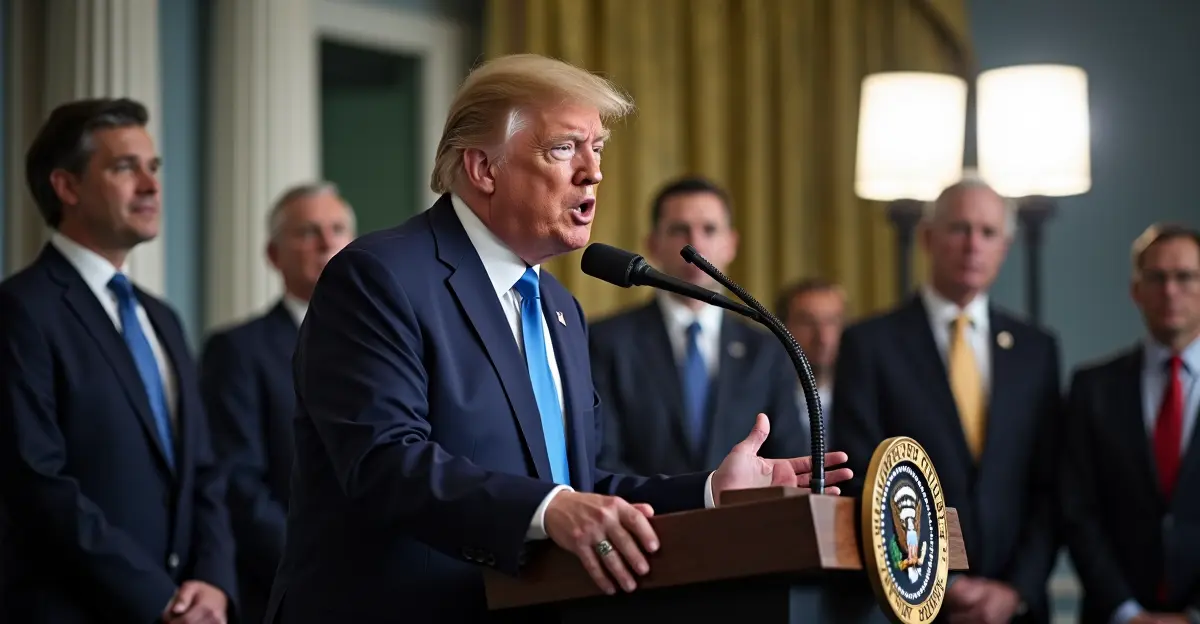
During a White House press conference, President Trump made his now-famous timeline prediction: 'I think within two or three weeks' when asked when the United States would complete its military operations in Iran. He elaborated on his definition of 'finishing the job,' stating: 'I had one goal: no nuclear weapons. And that goal is achieved. They will not get nuclear weapons. We are now finishing the job. We want to eliminate everything they have.'
Operation Epic Fury: The Four-Point Strategy
The U.S. military campaign, officially named Operation Epic Fury, follows four clear objectives established by the Trump administration:
- Destroy Iran's ballistic missile arsenal and production capacity
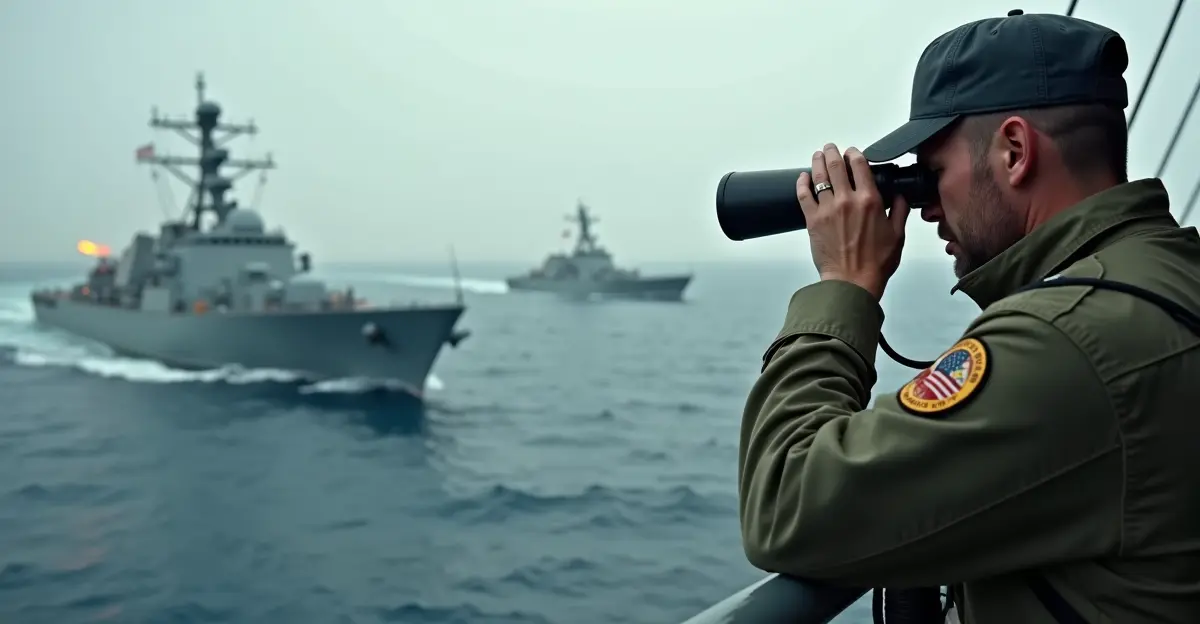
- Annihilate the Iranian navy
- Sever Iran's support for terrorist proxies in the region
- Ensure Iran never obtains nuclear weapons
These objectives represent a comprehensive approach to dismantling Iran's military capabilities, similar to the 2003 Iraq invasion strategy but with more focused technological targeting.
Conflict Timeline and Escalation
The war began on February 28, 2026, at 06:35 UTC with massive coordinated strikes targeting Iranian military infrastructure, command centers, and leadership. Supreme Leader Ali Khamenei and several high-ranking officials were killed in what military analysts describe as 'decapitation strikes.' Iran responded at 09:05 UTC with ballistic missile attacks targeting Israel, U.S. bases in Qatar, Kuwait, UAE, Bahrain, and other regional allies.
Key Military Developments
According to CENTCOM reports, approximately 9,000 targets have been struck since the conflict began. The Pentagon estimates the war has cost the U.S. military $18 billion as of March 19, with an additional $200 billion requested for continued operations. The conflict has expanded beyond the initial theater, with Iran launching attacks on Britain's Akrotiri military base in Cyprus and missiles being intercepted over Turkish airspace.
Diplomatic Efforts and Regional Response
Despite Trump's optimistic timeline, diplomatic efforts continue through multiple channels. Pakistan and China have jointly proposed a five-point peace initiative calling for:
- Immediate ceasefire and commencement of peace negotiations
- Cessation of attacks on non-military targets
- Safe passage for ships through the Strait of Hormuz
- Respect for the UN Charter and international law
Iranian Foreign Minister Abbas Araghchi has maintained a firm position, telling Al Jazeera: 'Iran has zero trust in negotiations with the US, citing past experiences where agreements were broken.' This stance complicates the diplomatic resolution process that regional powers are attempting to facilitate.
Global Economic Impact
The war has created what economists describe as 'the world's largest supply disruption since the 1970s energy crisis.' Key impacts include:
| Impact Area | Details | Current Status |
|---|---|---|
| Oil Prices | Gas prices reached $3.96/gallon - highest since August 2022 | Volatile, trending upward |
| Shipping | Strait of Hormuz closed to enemy vessels | Major disruption to 20% of global oil |
| Aviation | Flight paths rerouted, increased fuel costs | Global travel affected |
| Financial Markets | Increased volatility, risk premiums | Uncertain investment climate |
Military and Strategic Implications
The conflict represents a significant shift in Middle Eastern power dynamics. The U.S.-Israeli coordination demonstrates unprecedented military cooperation, while Iran's ability to launch retaliatory strikes across multiple countries reveals its regional reach. Military analysts note that while Iran's conventional military capabilities have been significantly degraded, its asymmetric warfare capabilities through proxies remain intact.
The timeline inconsistency between Trump's 'two to three weeks' prediction and the actual military situation reflects broader challenges in modern warfare assessment. Defense Secretary Pete Hegseth has given conflicting messages, stating 'this is only just the beginning' while Trump claims military objectives were nearly complete.
FAQ: Frequently Asked Questions
When did the Iran war start?
The 2026 Iran war began on February 28, 2026, at 06:35 UTC with coordinated U.S.-Israeli strikes under Operation Epic Fury.
What are Trump's main objectives in Iran?
President Trump has stated four main objectives: destroy Iran's ballistic missiles, eliminate its navy, sever support for terrorist proxies, and ensure Iran never obtains nuclear weapons.
How long will the Iran war last according to Trump?
President Trump has predicted the conflict could be completed within 'two or three weeks,' though military analysts and administration officials have given conflicting timelines.
What is the Pakistan-China peace initiative?
Pakistan and China have jointly proposed a five-point peace plan calling for immediate ceasefire, peace negotiations, protection of civilians, safe maritime passage, and UN framework adherence.
Is Iran negotiating with the United States?
Iranian Foreign Minister Abbas Araghchi has stated Iran has exchanged messages but is not engaged in formal negotiations, citing lack of trust in U.S. commitments.

Follow Discussion