


 Deutsch
 English
 Español
 Français
 Nederlands
 Português


 Share
Share




Iran War 2026: Complete Guide to Middle East Conflict Explained
The 2026 Iran war represents the most significant escalation in Middle East tensions in decades, with the conflict now entering its second week following coordinated US-Israeli strikes that killed Iranian Supreme Leader Ali Khamenei on February 28, 2026. This comprehensive guide examines the origins, current developments, and global implications of a conflict that has already claimed thousands of lives and threatens to reshape the geopolitical landscape.
What is the 2026 Iran War?
The 2026 Iran war is an ongoing armed conflict in West Asia that began on February 28, 2026, as part of the broader Middle Eastern crisis. The conflict involves Israel and the United States on one side, and Iran, Hezbollah, and Popular Mobilization Forces on the other. The war was triggered by the assassination of Iranian Supreme Leader Ali Khamenei and other Iranian leaders, leading to the establishment of a ruling triumvirate and succession of Mojtaba Khamenei. Unlike previous regional conflicts, this represents direct military confrontation between major powers, with the US undertaking its largest military buildup in the Middle East since the 2003 invasion of Iraq.
Key Developments in the Conflict
Military Escalation and Regional Impact
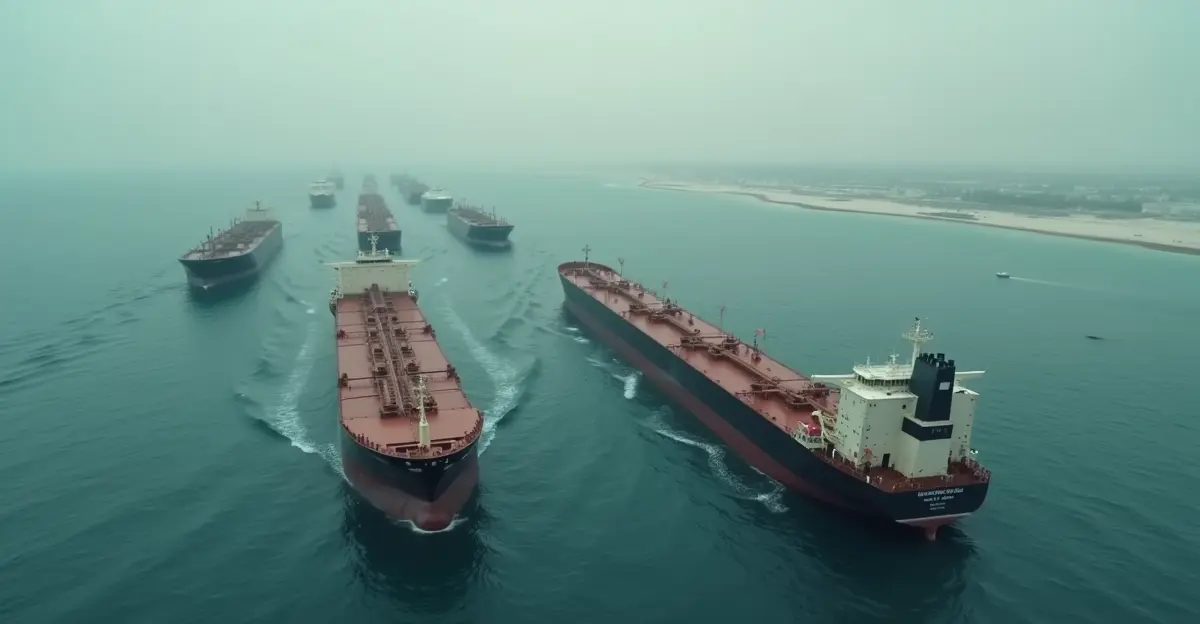
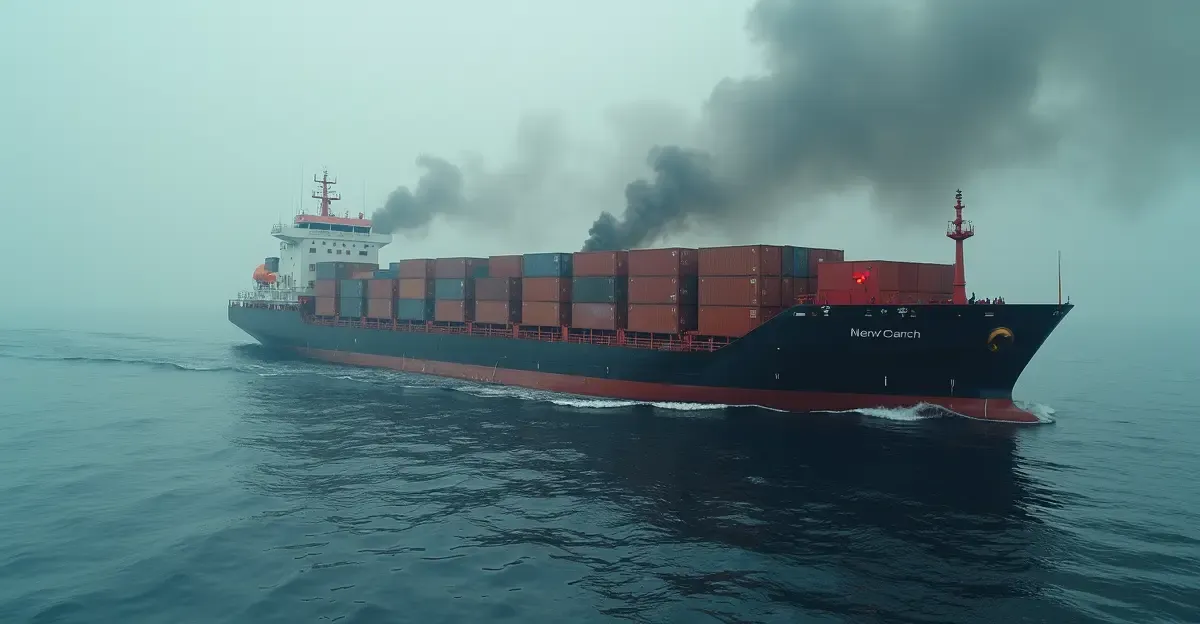
As of March 9, 2026, the conflict has expanded dramatically across the Middle East. Iran has launched hundreds of drones and ballistic missiles at targets in Israel and at US military bases in Qatar, Bahrain, the United Arab Emirates, Kuwait, Iraq, Jordan, and Saudi Arabia. The Strait of Hormuz closure has disrupted global energy markets, pushing oil prices above $104 per barrel and threatening international shipping routes. European countries have sent forces to defend Cyprus against Iranian strikes, while Hezbollah attacks on Israel have triggered renewed Israeli strikes on Lebanon.
Humanitarian and Economic Consequences
The conflict has resulted in significant casualties, with thousands of military personnel killed and extensive damage to infrastructure across the region. Over 1,300 deaths have been reported in Iran since the conflict began, while eight US soldiers have been killed in the region. The economic impact is severe, with global oil and gas shipments disrupted and major aviation disruptions causing private jet prices to surge to €200,000 for flights to Europe. The UN is ramping up humanitarian responses amid escalating Middle East conflicts.
Political Dynamics and Leadership Changes
Following the death of Ali Khamenei, Iran has named Mojtaba Khamenei, son of the slain leader, as the new Supreme Leader. The US and Israel have vowed to target him, creating a dangerous succession crisis. President Donald Trump and other US officials have offered various reasons for launching the war on Iran, including that it was to ward off an imminent Iranian threat, destroy Iran's missile and military capabilities, prevent Iran from ever having a nuclear weapon, and ultimately to achieve regime change by bringing the Iranian opposition to power. 'Oil price increases are a small price to pay for regional security,' former President Trump commented amid the conflict.
International Response and Diplomatic Efforts
The United Nations and several uninvolved countries have condemned the US–Israeli strikes or said that they undermined regional stability; others have condemned Iran's retaliatory strikes on US allies in the region. Qatar's Prime Minister has called for de-escalation, while the UK has withdrawn non-essential staff from Lebanon. Critics of the operation describe it as illegal under US law and a violation of Iran's sovereignty under international law. The cost of operations for the US is estimated at around US$1 billion per day, raising questions about long-term sustainability.
Global Implications and Future Scenarios
The 2026 Iran war has far-reaching consequences beyond the Middle East. The conflict threatens to:
- Disrupt global energy supplies through the Strait of Hormuz closure
- Trigger broader regional conflict involving multiple state and non-state actors
- Impact global markets with oil price volatility and supply chain disruptions
- Test international diplomatic frameworks and alliance structures
- Create humanitarian crises with mass displacement and civilian casualties
Similar to the 2025 Twelve-Day War between Iran and Israel, this conflict demonstrates the fragile nature of regional stability. Experts in Middle East geopolitics suggest that the conflict could evolve in several directions, from negotiated settlement to full-scale regional war involving additional powers.
FAQ: Frequently Asked Questions About the 2026 Iran War
What triggered the 2026 Iran war?
The conflict began on February 28, 2026, with joint US-Israeli airstrikes that killed Iranian Supreme Leader Ali Khamenei and other officials, aiming for regime change in Iran.
How has Iran responded to the attacks?
Iran has launched missile and drone strikes against Israel, US bases, and US allies across the Middle East, closed the Strait of Hormuz, and attacked energy facilities disrupting global oil shipments.
What is the current death toll?
Thousands of military personnel have been killed, with over 1,300 reported deaths in Iran alone since the conflict began, plus eight US soldiers killed in the region.
How are global markets affected?
Oil prices have surged above $104 per barrel, the Strait of Hormuz closure has disrupted 20% of global oil shipments, and aviation disruptions have caused private jet prices to skyrocket.
What is the international community doing?
The UN has condemned the strikes, European countries have sent forces to defend Cyprus, and diplomatic efforts led by Qatar are attempting de-escalation amid widespread condemnation.

Follow Discussion