


 Deutsch
 English
 Español
 Français
 Nederlands
 Português


 Share
Share




What is the 2026 Iran Conflict?
The 2026 Iran conflict represents a significant escalation in Middle East tensions, with the United States submarine sinking an Iranian warship on March 4, 2026, marking the first such naval engagement since World War II. This dramatic development comes as the war enters its fifth day, following initial U.S. and Israeli strikes on February 28 that killed Iranian Supreme Leader Ayatollah Ali Khamenei and other top officials. The conflict has its roots in Iran's 2025-2026 anti-government protests and subsequent violent crackdowns, which prompted international condemnation and military buildup in the region.
Breaking: US Submarine Torpedoes Iranian Warship
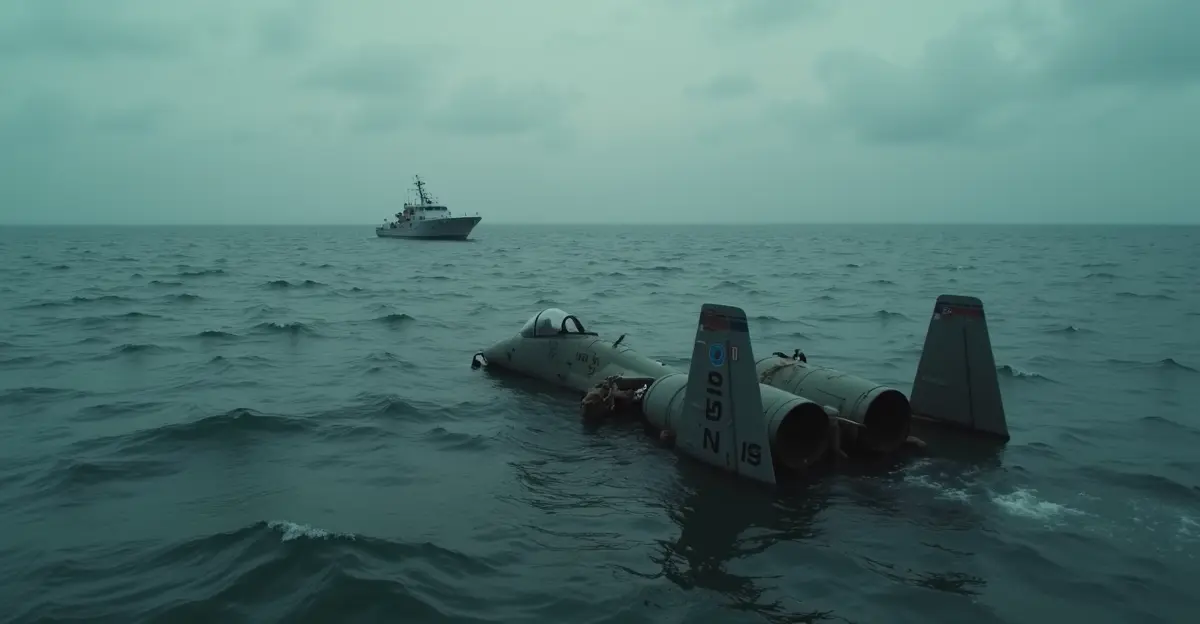
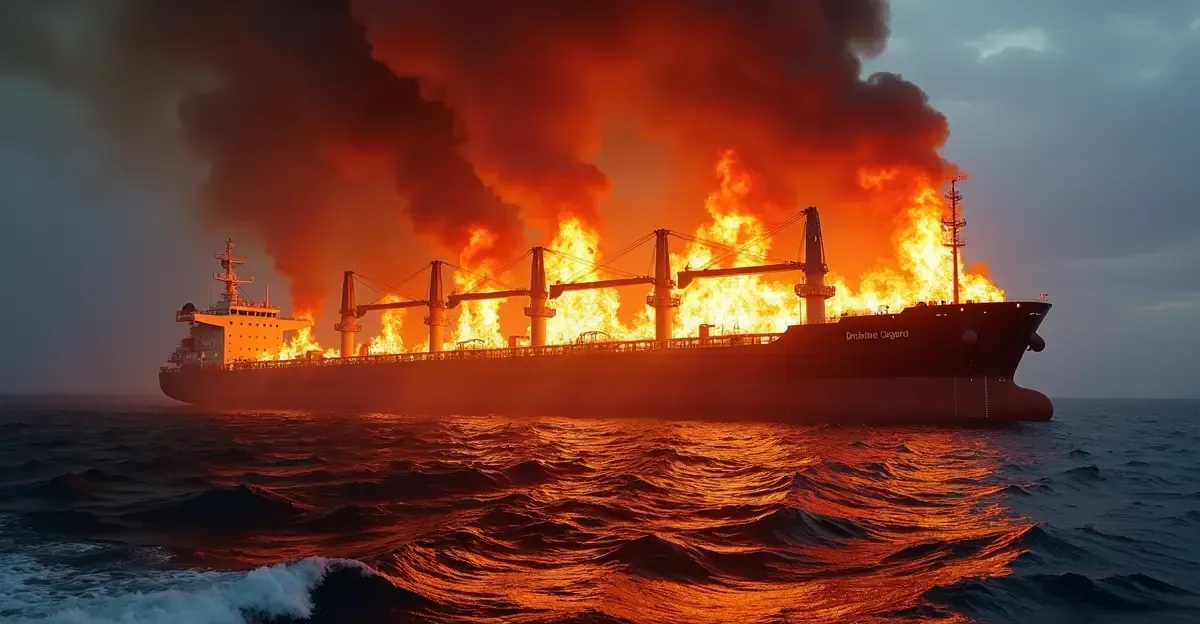
In a major escalation of hostilities, a U.S. submarine torpedoed and sank an Iranian warship in international waters off the coast of Sri Lanka on March 4, 2026. Defense Secretary Pete Hegseth confirmed the attack, stating the submarine used precision torpedoes to eliminate the Iranian vessel. The incident resulted in 87 casualties according to Reuters reports, while Sri Lanka's foreign minister announced the rescue of 30 people from a distressed Iranian ship in the same region.
Military Developments and Regional Impact
The sinking represents a significant naval victory for U.S. forces and marks a dangerous expansion of the conflict beyond Iranian territory. Defense Secretary Hegseth stated that U.S. and Israeli forces expect to gain complete control of Iranian airspace within days, suggesting coordinated military operations are achieving their objectives. France's President Macron has ordered the country's nuclear-powered aircraft carrier to the Mediterranean, while former President Trump threatened to cut off trade with Spain after it denied U.S. use of joint bases.
Economic and Supply Chain Consequences
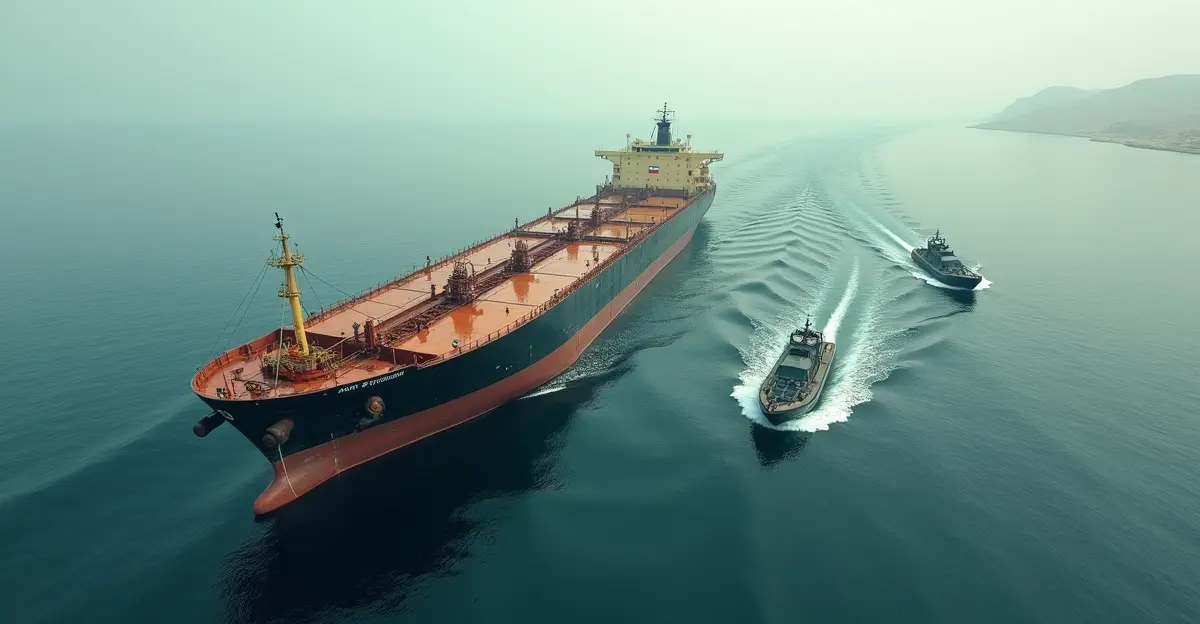
The conflict is already causing severe disruptions to global supply chains, with Treasury Secretary Scott Bessent announcing measures to stabilize oil shipments in the Gulf. These include political risk insurance and military convoy escorts for energy transport. An LNG tanker has been diverted to Asia, and experts warn of potential price increases for drugs and electronics due to Middle East supply chain disruptions. Oil prices have spiked significantly since the conflict began.
Background: From Protests to Military Conflict
The current conflict traces back to massive nationwide anti-regime protests that erupted in Iran in late December 2025. Driven by economic crisis, the collapse of the rial, and rising prices, these protests became the largest since the 1979 revolution. The Iranian regime responded with violent repression, with estimates of protester deaths ranging from 3,117 (government figures) to 43,000 (international human rights organizations).
On January 23, 2026, the U.S. began amassing air and naval assets in the region at levels not seen since the 2003 invasion of Iraq. Despite diplomatic efforts throughout February, tensions continued to escalate until the February 28 military strikes that killed Supreme Leader Khamenei and triggered the current conflict.
Global Reactions and Geopolitical Implications
International Response
China's response to the U.S. attack on Iran is being closely analyzed for what it reveals about Chinese foreign policy in the region. Regional actors including Qatar have cautioned that any escalation could have severe consequences for the entire Middle East. The conflict has also affected global travel, with severe regional travel disruptions reported across the Middle East and Asia.
Domestic U.S. Developments
U.S. defense contractors are meeting with White House officials to discuss accelerating weapons production amid concerns about defense inventory levels. Lawmakers are questioning the war's costs and strategy as the conflict enters its second week. The situation represents a significant test for the current administration's Middle East foreign policy and military strategy.
Humanitarian Crisis and Regional Stability
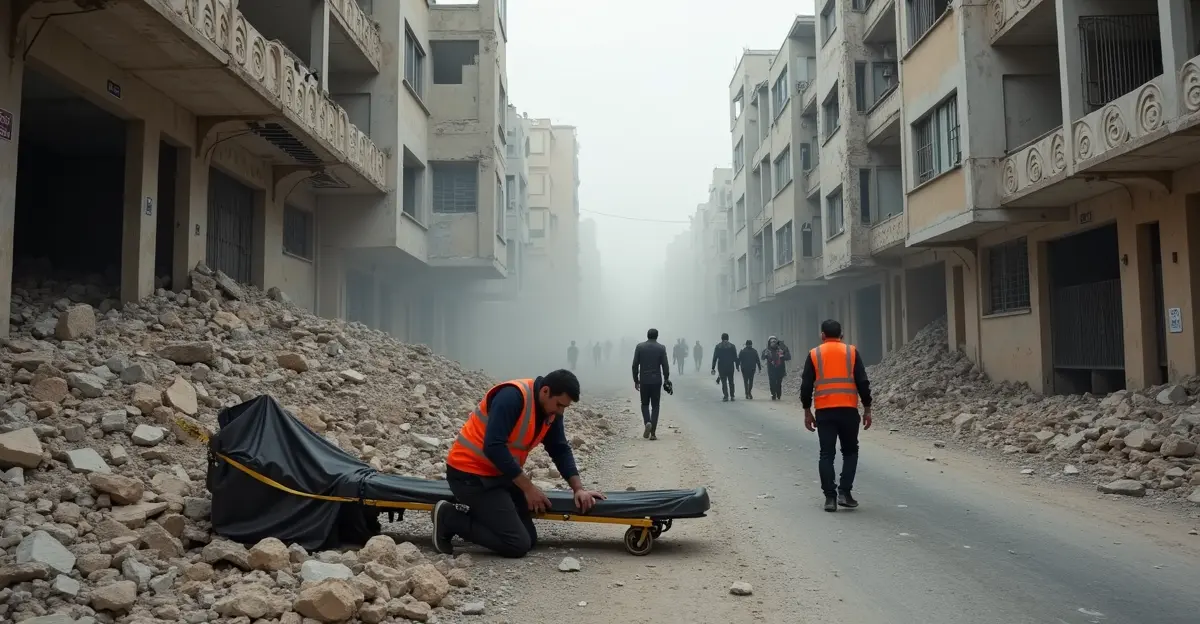
Iran is preparing a three-day funeral for Supreme Leader Ayatollah Ali Khamenei, who was killed in the initial attacks. The country has declared 40 days of mourning and a 7-day national holiday. The conflict has created a complex humanitarian situation, with both military casualties and civilian impacts from the ongoing violence.
'We expect to gain complete control of Iranian airspace within days,' stated Defense Secretary Pete Hegseth in a briefing to reporters. 'This represents a significant step toward achieving our strategic objectives in the region.'
FAQ: 2026 Iran Conflict Explained
What started the 2026 Iran conflict?
The conflict began with U.S. and Israeli military strikes on February 28, 2026, following months of escalating tensions over Iran's nuclear program and violent crackdowns on anti-government protests that began in December 2025.
How significant is the US submarine sinking an Iranian warship?
This marks the first sinking of an Iranian warship by a U.S. submarine since World War II and represents a major escalation in naval warfare capabilities being deployed in the conflict.
What are the economic impacts of the conflict?
The war is causing oil price spikes, supply chain disruptions affecting drugs and electronics, and significant regional travel disruptions that could impact global trade for months.
How has Iran responded to the loss of its Supreme Leader?
Iran has declared 40 days of mourning and a 7-day national holiday, with preparations underway for a three-day funeral ceremony for Ayatollah Ali Khamenei.
What is the current military situation?
As of March 4, 2026, the conflict has entered its fifth day with U.S. and Israeli forces expecting to gain complete control of Iranian airspace within days following successful naval and air operations.
Follow Discussion