


 Deutsch
 English
 Español
 Français
 Nederlands
 Português


 Share
Share




Larijani Assassination: Complete Guide to Iran's Power Vacuum & Hydra Effect Explained
The assassination of Ali Larijani on March 17, 2026, represents a critical turning point in the ongoing Iran-Israel conflict, eliminating Iran's de facto leader and raising profound questions about the resilience of the Islamic Republic's power structures. The 67-year-old security strategist was killed alongside his son Morteza and several bodyguards in an Israeli airstrike in a Tehran suburb, marking the third senior Iranian official eliminated in 48 hours following the earlier deaths of Supreme Leader Ayatollah Ali Khamenei and Basij commander Gholamreza Soleimani.
What is the Hydra Effect in Security Studies?
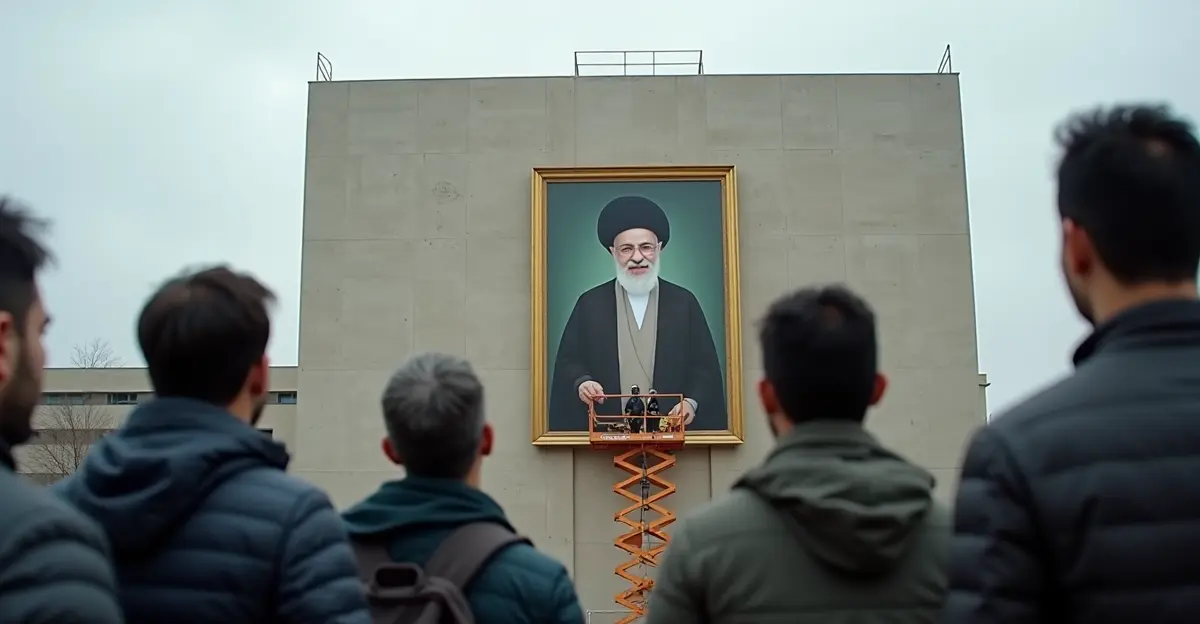
The 'Hydra effect' refers to a phenomenon in security studies where eliminating leaders from networked organizations can lead to regeneration rather than collapse, much like the mythical Greek Hydra that grew two heads for each one cut off. In the context of Iran's political-military complex, this means that while targeted assassinations disrupt operations temporarily, the deeply embedded networks of the Islamic Revolutionary Guard Corps (IRGC) and other institutions can produce new leadership and potentially emerge more radicalized. "You can disrupt such a network, but not simply behead it," explains Andreas Krieg, security studies professor at King's College London. "The Revolutionary Guard is not just an army, but a system deeply embedded in the state and society."
Who Was Ali Larijani and Why Was He Targeted?
Ali Larijani served as Secretary of Iran's Supreme National Security Council from 2025 until his death, effectively functioning as the country's most powerful figure following Khamenei's assassination in February 2026. Born in Najaf, Iraq in 1958 to a prominent religious family, Larijani held degrees in computer science and Western philosophy, with published works on Immanuel Kant and contemporary analytic philosophy. His career spanned multiple power centers:
- Military Background: Former IRGC commander and veteran of the Iran-Iraq War (1980-1988)
- Political Leadership: Speaker of Parliament for 12 years (2008-2020)
- Security Authority: Oversaw brutal crackdowns on anti-government protests in December 2025-January 2026
- Diplomatic Role: Iran's chief nuclear negotiator during 2015 nuclear deal talks
Larijani's unique position bridging military, political, and diplomatic spheres made him particularly valuable to the regime—and particularly vulnerable to Israeli targeting. "He connected different power centers: the security services, the political elite, and diplomatic channels abroad," notes Krieg.
Israel's Strategic Shift: From Military to Political Targets
Changing Tactics in the 2026 Conflict
The assassination marks a significant evolution in Israeli strategy during the ongoing conflict that began with Operation Epic Fury on February 28, 2026. Initially focused on dismantling Iran's military command structure, Israel has increasingly targeted political leadership. This shift reflects a broader understanding that Iran's resilience stems from its networked governance rather than traditional military hierarchy.
The timeline of key assassinations reveals this strategic progression:
| Date | Target | Position | Significance |
|---|---|---|---|
| Feb 28, 2026 | Ayatollah Ali Khamenei | Supreme Leader | Highest religious-political authority |
| Mar 16, 2026 | Gholamreza Soleimani | Basij Commander | Militia leadership |
| Mar 17, 2026 | Ali Larijani | Security Council Secretary | De facto political leader |
| Mar 18, 2026 | Esmail Khatib | Intelligence Minister | Third senior official in 48 hours |
Immediate Consequences and Regional Escalation
Iran responded to Larijani's assassination with Khorramshahr-4 ballistic missile attacks on Tel Aviv, killing two people and marking a significant escalation in the conflict. The United States simultaneously conducted strikes on Iranian missile sites near the Strait of Hormuz using 5,000-pound bunker-busting bombs. Regional tensions have expanded dramatically, with Saudi Arabia intercepting missiles over Riyadh, gas facilities near Abu Dhabi shutting down, and Qatar ordering Iranian Embassy officials to leave within 24 hours.
The Iranian System's Resilience: Network vs. Hierarchy
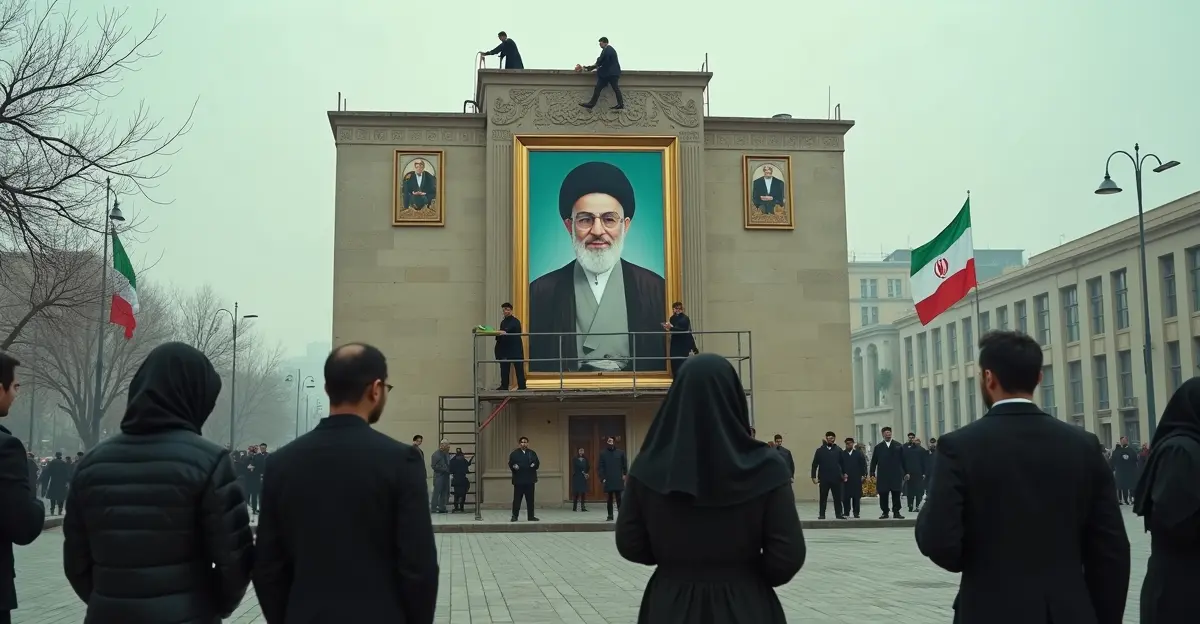
Unlike conventional states with clear hierarchical structures, Iran operates as a complex network of competing power centers including the IRGC, clerical establishment, political factions, and economic interests. This decentralized structure presents both vulnerabilities and strengths in the face of targeted assassinations.
Ross Harrison, Iran analyst at the Middle East Institute in Washington, emphasizes the system's design: "It's not a purely person-based system. The state is designed to regenerate itself." The IRGC's deep integration into Iran's economy—controlling an estimated 40% of GDP through front companies and foundations—creates institutional resilience that transcends individual leadership.
The Iranian protest crackdowns of 2025-2026 demonstrated how Larijani leveraged these networks, coordinating between IRGC commanders, intelligence services, and clerical allies to suppress dissent. This same networked approach now presents challenges for those seeking to dismantle the regime through decapitation strikes.
Long-Term Implications: Radicalization and Regional Instability
The Generational Shift in Iranian Leadership
Analysts warn that eliminating veteran leaders like Larijani—who experienced the Iran-Iraq War and maintained some pragmatic diplomatic channels—could accelerate the rise of a more radical generation. "Those leaders are being shaped by this conflict," says Harrison. "That could produce much harder and less predictable leadership."
The new generation emerging within Iran's power structures lacks the formative experience of the 1980s war and instead develops within the context of the current conflict with Israel and the United States. This could lead to more ideological rigidity and reduced willingness to engage in diplomatic solutions.
Regional Power Vacuum Risks
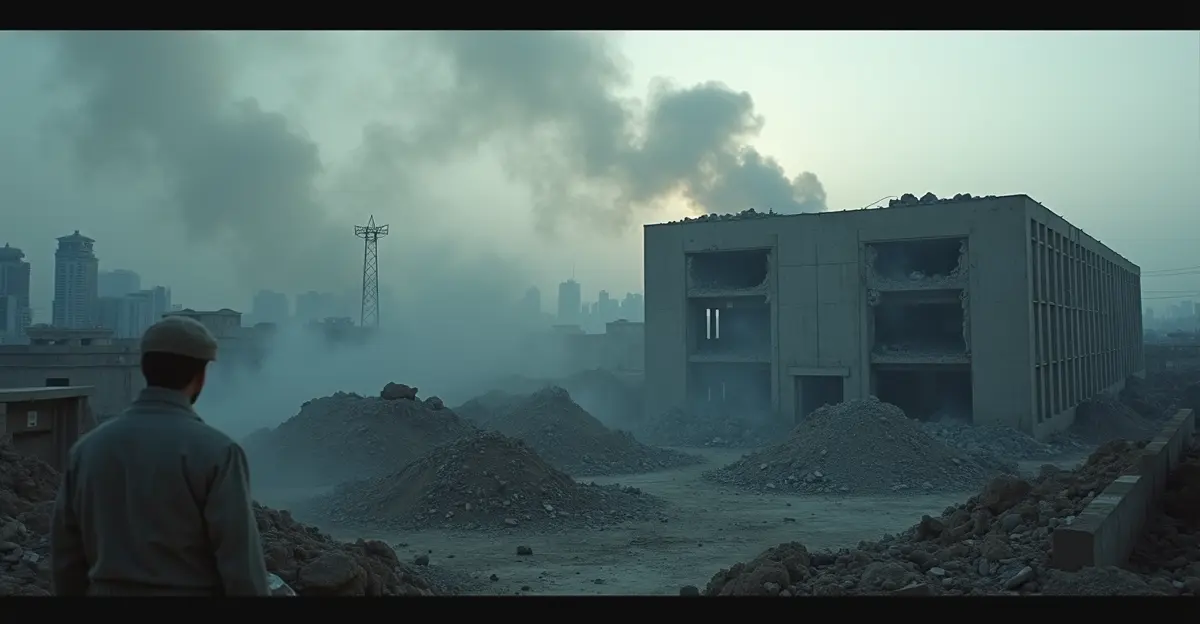
Even if Israel's campaign succeeds in destabilizing Iran's leadership, the resulting power vacuum presents significant dangers. "Even if the regime were to collapse, which I don't consider likely, there would be an enormous power vacuum," Harrison explains. "There is no organized opposition ready to take over the country."
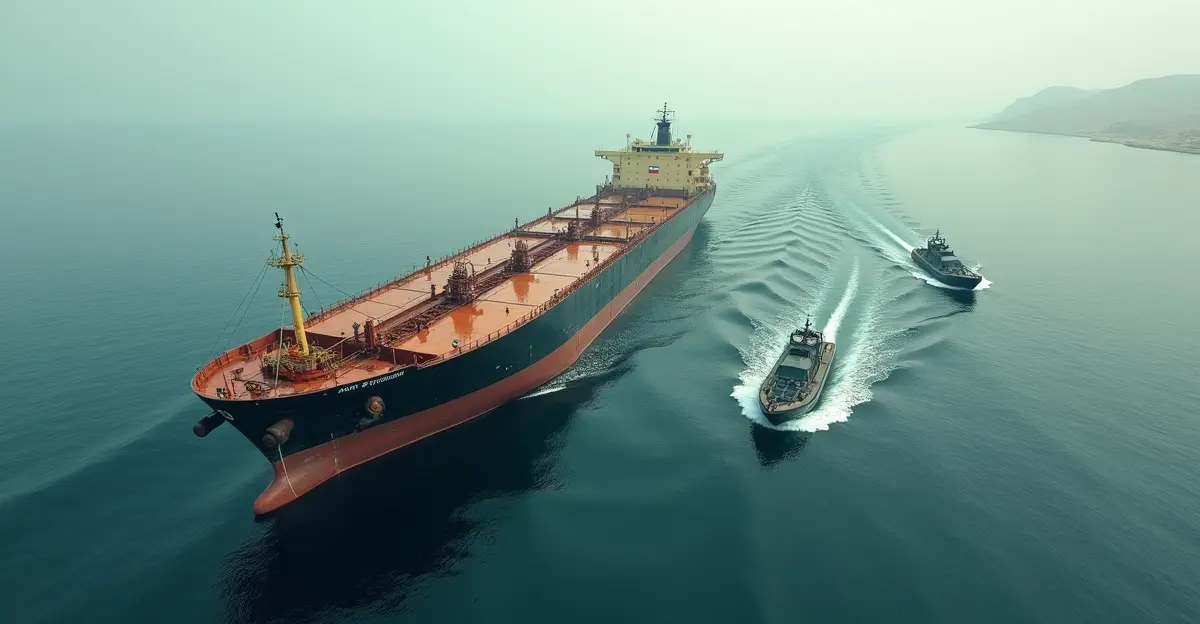
The potential for chaos extends beyond Iran's borders, affecting regional stability and global energy markets. Iran's ability to disrupt shipping through the Strait of Hormuz—through which approximately 20% of global oil consumption passes—represents a critical vulnerability for the global economy.
The US-Israel strategic partnership in Middle East operations faces complex challenges in navigating these dynamics, balancing military objectives with long-term stability considerations.
FAQ: Key Questions About the Larijani Assassination
1. What was Ali Larijani's role in Iran before his assassination?
Ali Larijani served as Secretary of Iran's Supreme National Security Council and was considered the country's de facto leader following Supreme Leader Ayatollah Ali Khamenei's death in February 2026. He oversaw security operations, directed protest crackdowns, and managed Iran's strategic decision-making.
2. How does the Hydra effect apply to Iran's political system?
The Hydra effect describes how networked organizations like Iran's IRGC can regenerate leadership after decapitation strikes. Rather than collapsing, these systems adapt by promoting new figures, potentially emerging more radicalized and resistant to external pressure.
3. What was Israel's strategic goal in assassinating Larijani?
Israel aimed to disrupt Iran's political decision-making core, moving beyond military targets to undermine the regime's ability to coordinate security policy and diplomatic initiatives. The strike represented an escalation in Israel's campaign to weaken Iran's governing capacity.
4. How has Iran responded to the assassination?
Iran launched ballistic missile attacks on Tel Aviv, killing two people, and continued its campaign to disrupt shipping through the Strait of Hormuz. The regime also vowed retaliation and accelerated leadership transitions within its security apparatus.
5. What are the long-term risks of this assassination campaign?
Key risks include: (1) radicalization of Iran's next leadership generation, (2) creation of a destabilizing power vacuum, (3) escalation of regional conflict, and (4) disruption of global energy markets through Strait of Hormuz closures.
Follow Discussion