


 Deutsch
 English
 Español
 Français
 Nederlands
 Português


 Share
Share




Breaking: Iran Names Mojtaba Khamenei as New Supreme Leader
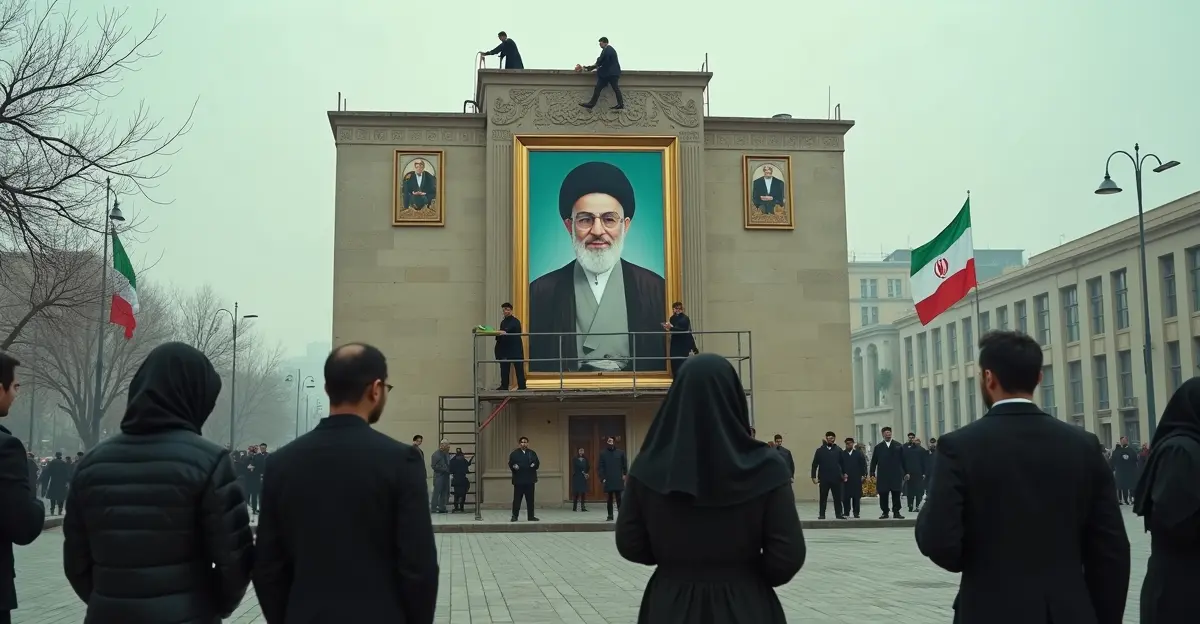
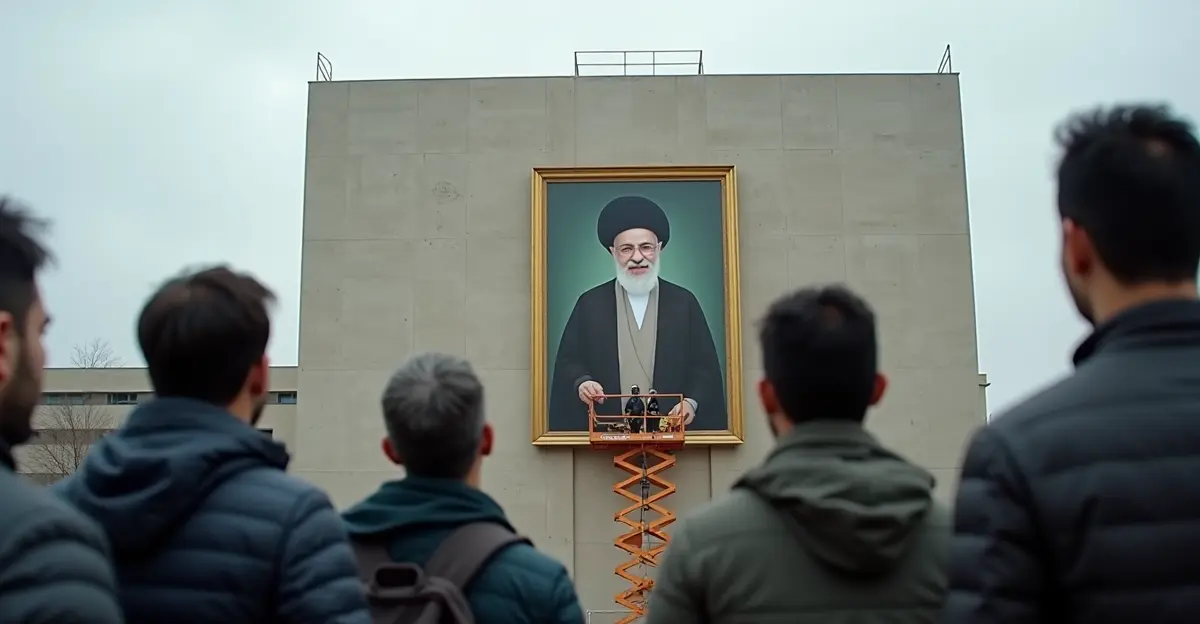
In a historic and controversial move, Iran's Assembly of Experts has appointed Mojtaba Khamenei, the 56-year-old son of slain Supreme Leader Ayatollah Ali Khamenei, as the country's new supreme leader. The decision, announced on March 8, 2026, comes just nine days after the elder Khamenei was killed in a joint US-Israeli military strike that marked the beginning of the ongoing 2026 Iran war timeline. This unprecedented dynastic succession represents a significant departure from Iran's traditional opposition to hereditary rule and has immediate implications for the escalating conflict in the Middle East.
What is the Assembly of Experts?
The Assembly of Experts is Iran's 88-member clerical body constitutionally authorized to select, supervise, and potentially dismiss the supreme leader. Operating behind closed doors, the assembly reached what member Ayatollah Mohammad-Mahdi Mirbagheri described as a 'decisive and unanimous opinion' on the leadership succession. The selection process occurred under extraordinary circumstances, with Israel's military issuing explicit threats to target anyone participating in the successor selection process. Despite these threats, the assembly moved forward with Mojtaba's appointment, signaling the regime's determination to maintain continuity amid external pressure.
Who is Mojtaba Khamenei?
Mojtaba Hosseini Khamenei, born September 8, 1969, is a mid-ranking Shia cleric who has long been considered the heir apparent to his father's position. Unlike his father, who held the rank of Ayatollah, Mojtaba has attained only the clerical rank of Hojjatoleslam. His background includes:
- Military service in the Islamic Revolutionary Guard Corps (IRGC) during the Iran-Iraq War
- Control of the Basij paramilitary volunteer militia during the 2009 election protests
- Close ties to hardline factions within Iran's political establishment
- Sanctions by the US Treasury Department in 2019 for connections to his father's inner circle
Western intelligence sources estimate Mojtaba owns over $138 million in UK luxury properties through shell companies, raising questions about his financial dealings despite Iran's revolutionary ideology.
The 2026 Iran War Context
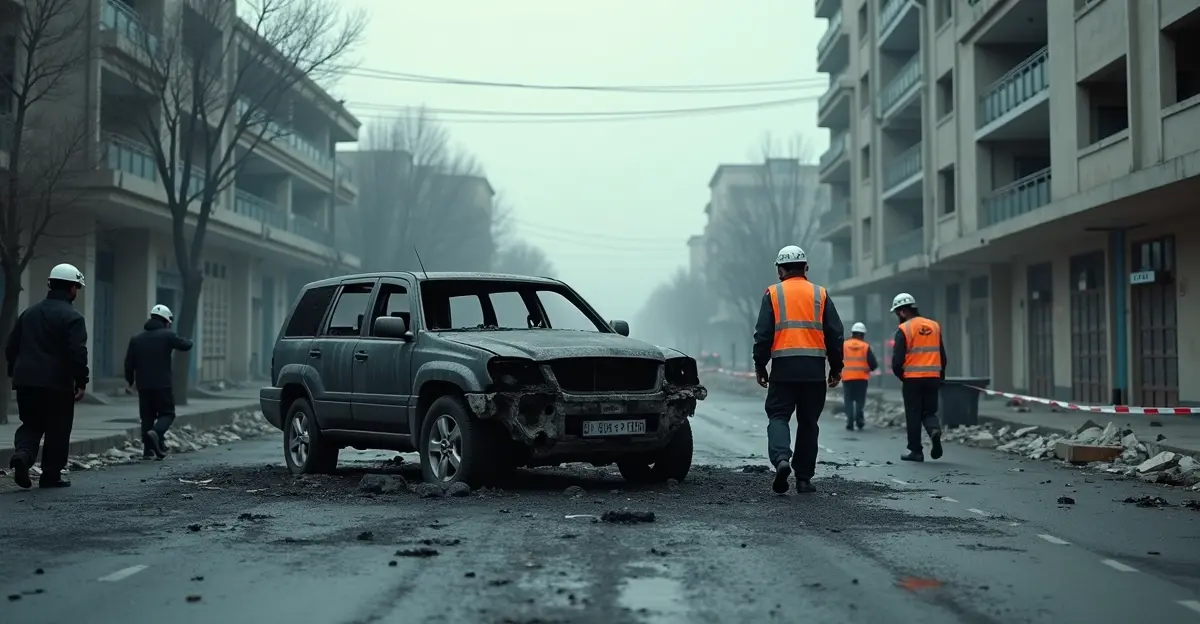
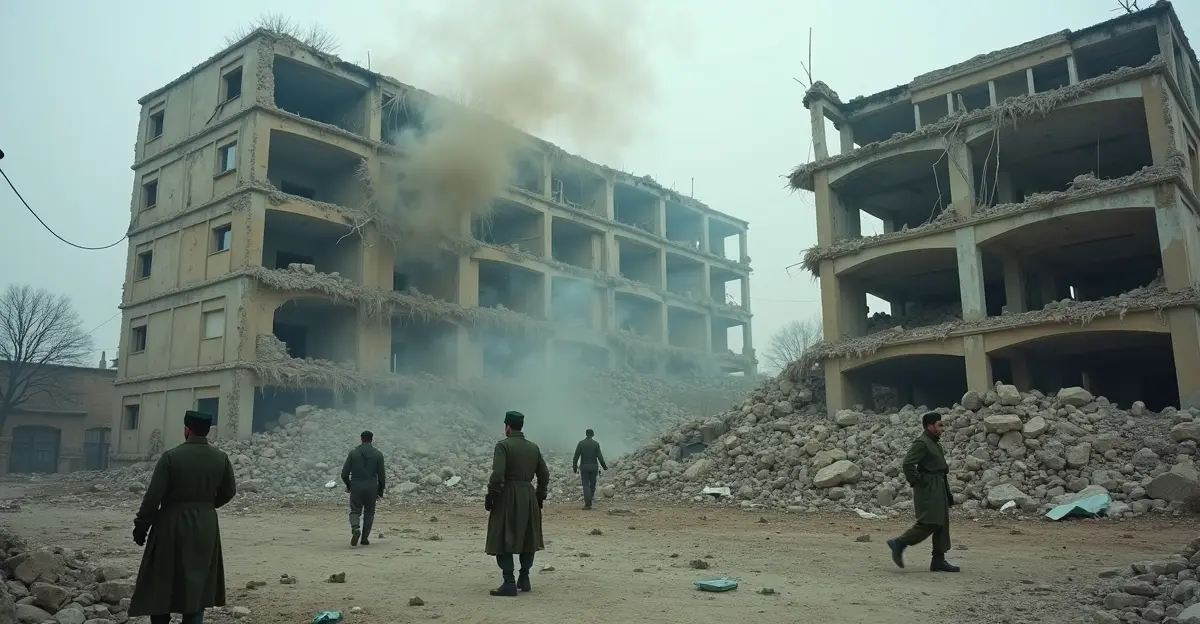
The leadership transition occurs amid the escalating US-Israel Iran conflict 2026, which began on February 28, 2026, with Operation Epic Fury. This massive joint military operation involved:
| Attack Type | Targets | Casualties |
|---|---|---|
| US B-2 stealth bombers | Supreme Leader's compound | Ali Khamenei killed |
| Israeli fighter jets (200+) | Command centers, missile facilities | 555+ Iranian fatalities |
| Tomahawk missiles | Radar installations, UAV sites | 165 at girls' school |
Iran has retaliated with ballistic missile attacks on Israel and US military installations across the Gulf region, including Bahrain, Kuwait, UAE, and Qatar. The conflict has caused significant civilian casualties, disrupted global air travel, and led to rising oil prices worldwide.
International Reactions and Implications
US President Donald Trump responded to the appointment with characteristic bluntness, telling ABC News that the new Iranian leader 'won't last long' without American approval. 'We want to make sure we don't have to come back every ten years,' Trump stated, emphasizing his administration's determination to reshape Iranian leadership. The Israeli Defense Forces issued warnings that they would pursue every successor to Ali Khamenei, making Mojtaba an immediate military target.
The appointment has significant implications for:
- Iran's Nuclear Program: Analysts consider Mojtaba more favorable to developing nuclear weapons than his father, potentially supporting reinterpretation of Ali Khamenei's fatwa against nuclear weapons.
- Regional Stability: As supreme leader, Mojtaba commands Iran's military and foreign policy, including support for proxy groups across the Middle East.
- Domestic Politics: The appointment has caused internal disagreements within Iran's establishment due to concerns about creating monarchy-like structures and Mojtaba's questionable religious credentials.
Historical Precedent and Constitutional Questions
Iran's constitution contains no explicit prohibition against hereditary succession, but the Islamic Republic has historically opposed dynastic rule as contrary to revolutionary principles. The appointment of a supreme leader's son represents an unprecedented development in Iran's post-revolutionary history. Interestingly, unconfirmed reports suggest Ali Khamenei himself opposed nominating his son as successor during his lifetime, creating potential legitimacy challenges for the new leadership.
FAQ: Mojtaba Khamenei as Supreme Leader
What rank does Mojtaba Khamenei hold in Shia Islam?
Mojtaba holds the rank of Hojjatoleslam, a mid-level clerical position below Ayatollah. This represents a significant departure from his father's status as a Grand Ayatollah and raises questions about his religious qualifications for the supreme leadership role.
How was Mojtaba Khamenei selected?
The Assembly of Experts, Iran's 88-member clerical body, elected Mojtaba behind closed doors. The selection occurred under extraordinary security conditions with explicit threats from Israel against participants in the succession process.
What does this mean for Iran's foreign policy?
Mojtaba is considered more hardline than his father, with closer ties to extremist factions. His appointment likely means continued confrontation with the West and potentially accelerated nuclear program development.
Is this Iran's first hereditary leadership transfer?
Yes, this represents the first time a supreme leader's direct family member has succeeded to the position, marking a significant departure from Iran's anti-monarchical revolutionary ideology.
What are the immediate security implications?
As supreme leader, Mojtaba becomes the primary military target for US and Israeli forces in the ongoing conflict. His appointment could escalate hostilities as both countries have explicitly threatened Iran's leadership.

Follow Discussion