


 Deutsch
 English
 Español
 Français
 Nederlands
 Português


 Share
Share




Iran's New Leader Mojtaba Khamenei: Hardline Successor Explained
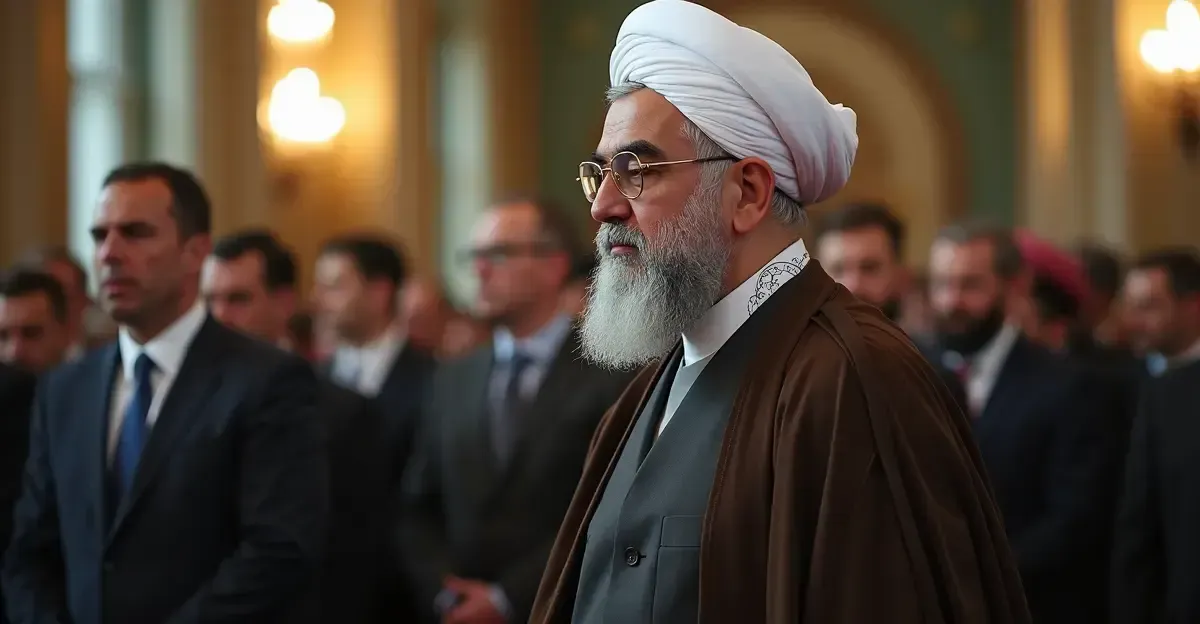
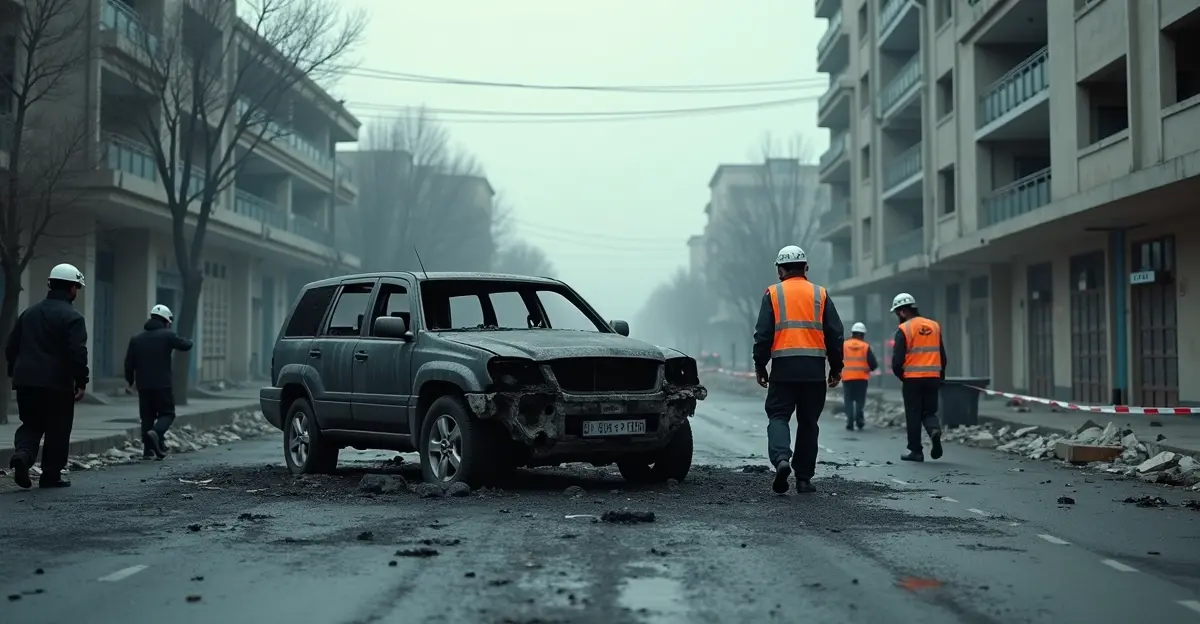
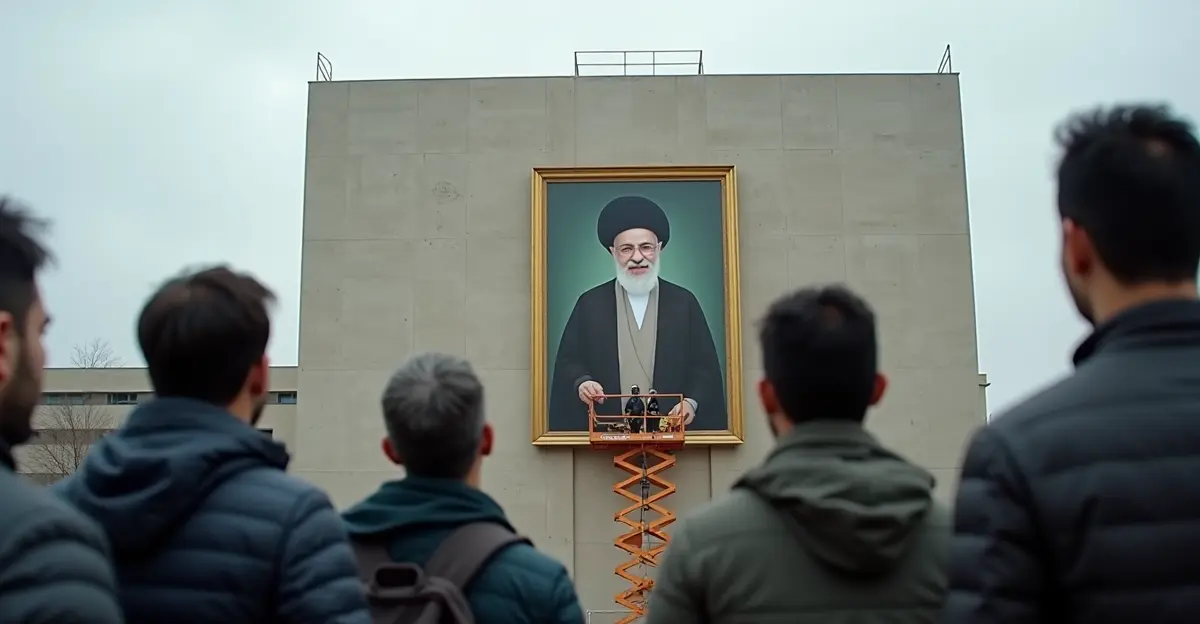
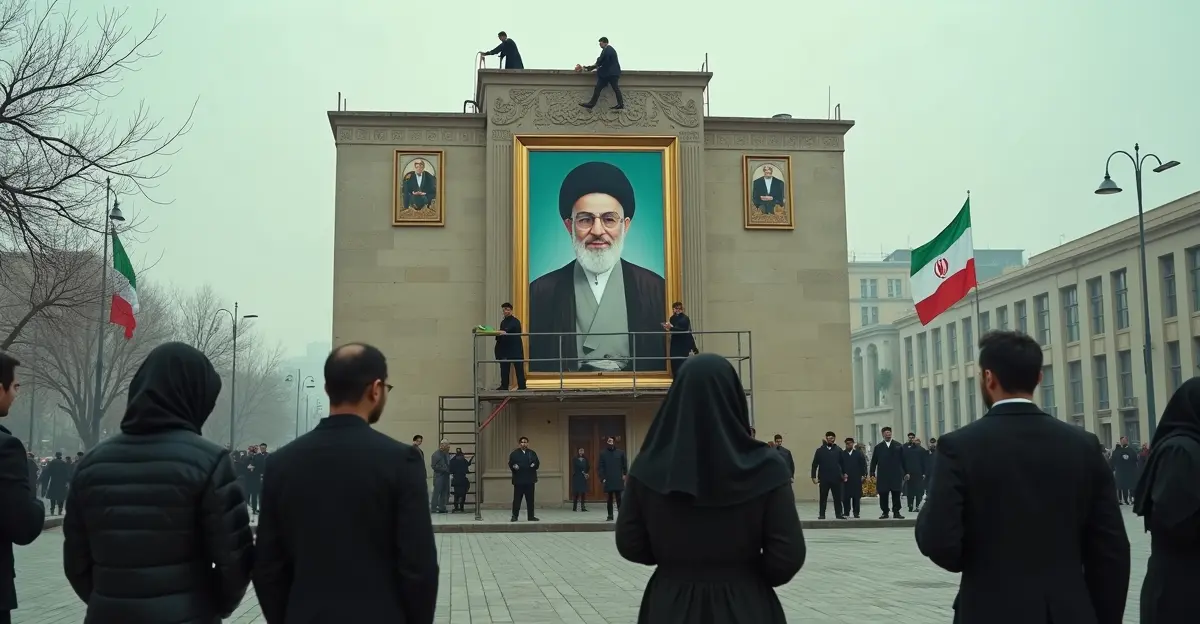
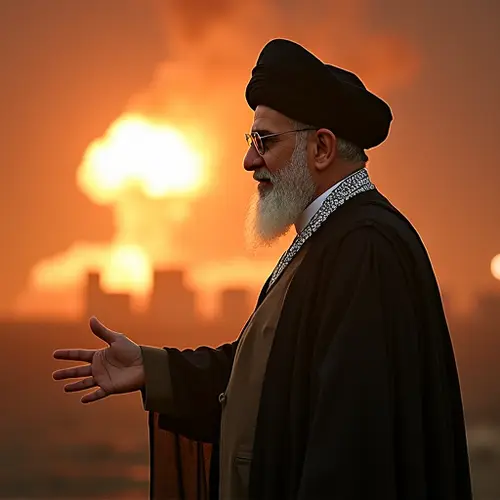
Iran has appointed Mojtaba Khamenei, the 56-year-old son of assassinated Supreme Leader Ayatollah Ali Khamenei, as the country's new supreme leader in a historic transition that signals continuity of hardline policies and defiance against Western powers. The appointment by the 88-member Assembly of Experts comes just over a week after the elder Khamenei was killed in joint U.S.-Israeli airstrikes on February 28, 2026, marking only the second leadership transition in the Islamic Republic's 47-year history and plunging the Middle East into deeper conflict.
What is the Supreme Leader of Iran?
The Supreme Leader of Iran is the highest-ranking political and religious authority in the Islamic Republic, holding ultimate authority over the military, foreign policy, judiciary, and state media. Unlike presidents who are elected by popular vote, the Supreme Leader is appointed by the Assembly of Experts, a clerical body of 88 members who are themselves vetted by the Guardian Council. The position combines religious authority with political power, making it the most influential office in Iran's theocratic system established after the 1979 revolution.
Who is Mojtaba Khamenei?
Mojtaba Khamenei, born in 1969, is a mid-ranking cleric (hojjatoleslam rank) who has never held formal government positions but operated as a powerful behind-the-scenes figure in his father's office for decades. Unlike his father who was elevated to ayatollah status during the 1989 succession, Mojtaba lacks the senior religious credentials traditionally required for the supreme leadership position. He served as his father's principal gatekeeper, coordinating military and intelligence operations while maintaining close ties with the Islamic Revolutionary Guard Corps (IRGC).
Background and Religious Status
Mojtaba studied theology in the holy city of Qom and fought in the Iran-Iraq war during his youth. Despite his influential role, he maintained a low public profile, rarely appearing in public or giving interviews. U.S. diplomatic cables described him as "the power behind the robes," indicating his significant influence despite lacking official titles. His appointment represents a departure from traditional succession norms, as he becomes the first supreme leader without ayatollah status and the first to follow a family member in the position.
How Was Mojtaba Khamenei Appointed?
The Assembly of Experts reached a majority consensus on March 8, 2026, to appoint Mojtaba Khamenei as supreme leader, following intense pressure from the Revolutionary Guard and conservative factions. The selection process occurred under extraordinary circumstances, with Israel's defense minister threatening to target any Assembly members participating in the successor selection meeting. According to Assembly member Ayatollah Mohammad-Mahdi Mirbagheri, "a decisive and unanimous opinion" was reached despite "some obstacles" regarding procedural formalities.
The Assembly of Experts Process
The 88-member Assembly of Experts, elected by the public but vetted by the Guardian Council (which is appointed by the supreme leader), follows a self-perpetuating system. According to Article 111 of Iran's constitution, the assembly must appoint a new leader "within the shortest possible time" after the previous leader's death. The criteria include Islamic scholarship, justice, piety, political perspicacity, and leadership capability, though Mojtaba's appointment suggests political considerations outweighed traditional religious qualifications.
Why This Appointment Matters
Mojtaba Khamenei's appointment represents several significant developments in Iranian politics and regional dynamics:
- Continuity of Hardline Policies: Mojtaba is considered more hardline than his father, opposing engagement with the West and supporting the IRGC's regional ambitions
- Hereditary Succession Concerns: The appointment creates a dynastic precedent in a country that overthrew a monarchy in 1979
- IRGC Influence: The Revolutionary Guard reportedly exerted significant pressure for his selection, strengthening military control over political leadership
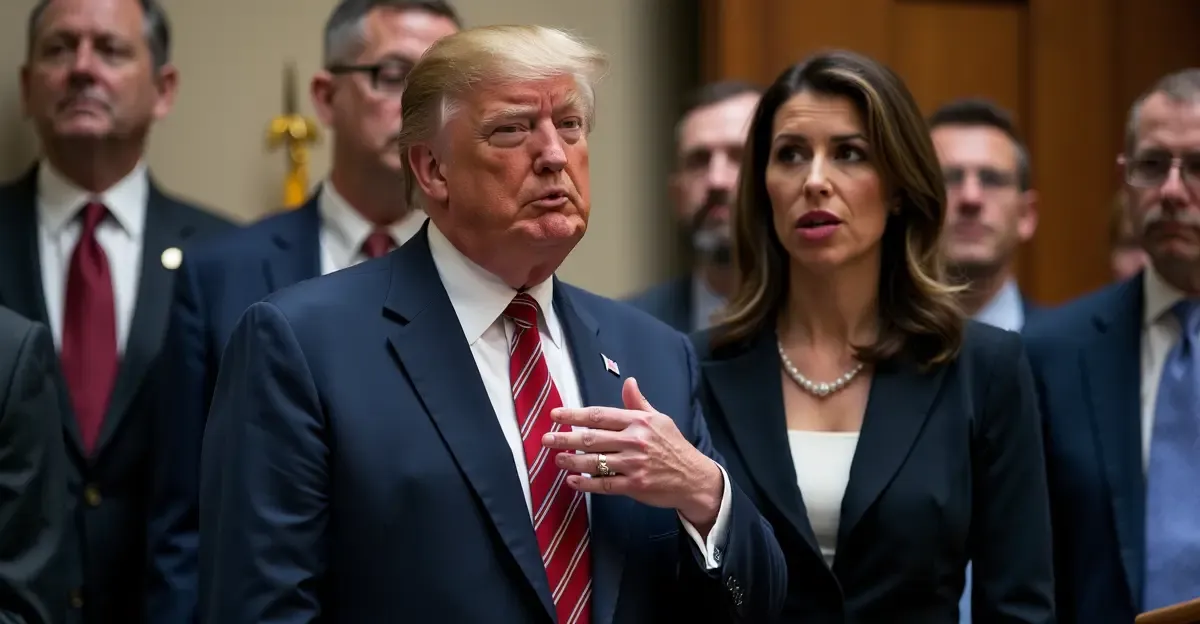
- International Tensions: U.S. President Donald Trump has threatened the new leader, saying "He will not last long"
Mojtaba Khamenei's Ties to Security Forces
The new supreme leader maintains particularly close relationships with Iran's security apparatus, which will significantly influence his leadership style and policy decisions:
| Organization | Relationship | Significance |
|---|---|---|
| Islamic Revolutionary Guard Corps (IRGC) | Close alliance, coordinated operations | Controls military, economic, and political power |
| Quds Force | Oversees foreign operations | Responsible for regional proxy networks |
| Basij Militia | Supervised crackdowns | Used to suppress domestic protests |
| Intelligence Ministry | Coordinated surveillance | Monitors internal dissent and opposition |
Mojtaba has been implicated in the violent suppression of protests, including the 2022 women's rights demonstrations and January 2026 protests where thousands were reportedly killed. His close ties to security forces suggest a continuation of authoritarian governance methods that prioritize regime stability over political reform.
International Reactions and Implications
The international community has responded with mixed reactions to Mojtaba Khamenei's appointment:
"He will be hated by the enemy. That was the most important qualification according to the late leader's advice," said Ayatollah Mohsen Heidari Alekasir, explaining the selection criteria.
U.S. President Donald Trump stated: "I think the worst-case scenario would be that we do this and then someone comes to power who is just as bad as the previous one. We don't want that." The White House has not officially responded to the appointment but previously warned against hereditary succession.
Russia and China have expressed support for Iran's internal processes, while European nations have called for restraint and diplomatic solutions to the ongoing conflict. The appointment comes as the 2026 Middle East war continues to escalate, with Iran launching retaliatory strikes against U.S. and Israeli targets across the region.
What to Expect from Mojtaba Khamenei's Leadership
Experts predict several key developments under Mojtaba Khamenei's leadership:
- Escalated Regional Conflict: Given his family's losses in the U.S.-Israeli strikes (his mother, wife, and son were also killed), diplomatic solutions appear unlikely
- Strengthened IRGC Control: The Revolutionary Guard's influence over political decisions will likely increase
- Domestic Crackdowns: Expect continued suppression of dissent and protests
- Nuclear Program Advancement: Iran may accelerate its nuclear development in defiance of international pressure
- Economic Challenges: Sanctions and war damage will strain Iran's economy, testing the new leader's popularity
FAQ: Frequently Asked Questions
What is Mojtaba Khamenei's religious rank?
Mojtaba Khamenei holds the rank of hojjatoleslam, which is below ayatollah and grand ayatollah in Shia clerical hierarchy. This makes him the first supreme leader without ayatollah status.
How does this appointment affect Iran's nuclear program?
Mojtaba Khamenei is expected to continue or possibly accelerate Iran's nuclear program, as he opposes Western demands and supports the IRGC's strategic objectives.
Will Iran's foreign policy change under Mojtaba Khamenei?
Foreign policy will likely become more confrontational, with continued support for regional proxies and resistance to diplomatic engagement with the West.
How do Iranians view this appointment?
Reactions are mixed, with hardliners supporting continuity while reformists and many citizens worry about dynastic succession and increased repression.
What are the main challenges facing Mojtaba Khamenei?
Key challenges include managing the ongoing war, economic crisis, domestic dissent, and maintaining legitimacy despite lacking traditional religious credentials.
Follow Discussion