


 Deutsch
 English
 Español
 Français
 Nederlands
 Português


 Share
Share




What is the Iran Supreme Leader Crisis?
The 2026 Iran conflict has entered a critical new phase with the selection of Mojtaba Khamenei as Iran's new Supreme Leader, marking the first hereditary succession in the Islamic Republic's history. This unprecedented development comes just days after the assassination of his father, Ayatollah Ali Khamenei, in joint U.S.-Israeli strikes on February 28, 2026, triggering the ongoing Middle East war that has already claimed thousands of lives and threatens global stability.
Background: The Assassination That Changed Everything
Ayatollah Ali Khamenei, who ruled Iran for 36 years as the country's second Supreme Leader, was killed at age 86 during the opening hours of what has become known as the 2026 Iran war. The veteran leader, known for his staunch anti-Western stance and support for proxy groups across the Middle East, was targeted in what U.S. President Donald Trump described as a precision strike. "Khamenei was unable to avoid our intelligence and tracking systems," Trump stated on his Truth Social platform following the attack.
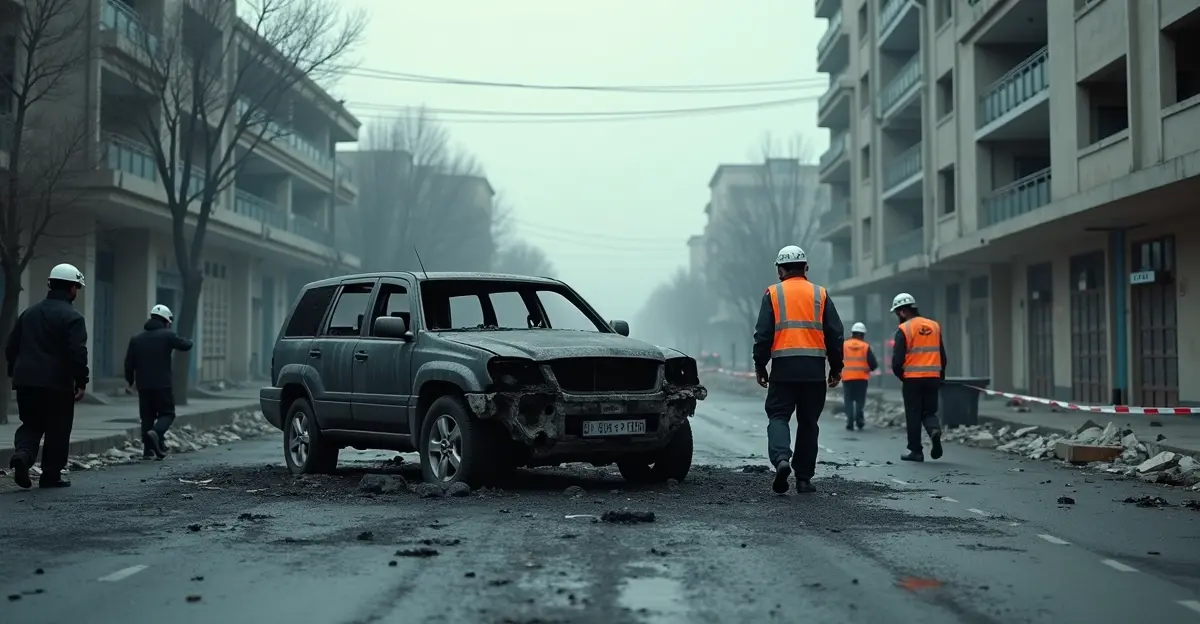
The assassination immediately triggered massive Iranian retaliation, with ballistic missiles striking targets in Cyprus, the UAE, Bahrain, and Oman, while also targeting U.S. naval assets in the region. The conflict has since escalated into a broader regional war involving Hezbollah, Popular Mobilization Forces, and multiple international actors. The situation resembles the 2025 Middle East escalation but with far greater intensity and global implications.
Mojtaba Khamenei: The New Supreme Leader
Who is Mojtaba Khamenei?
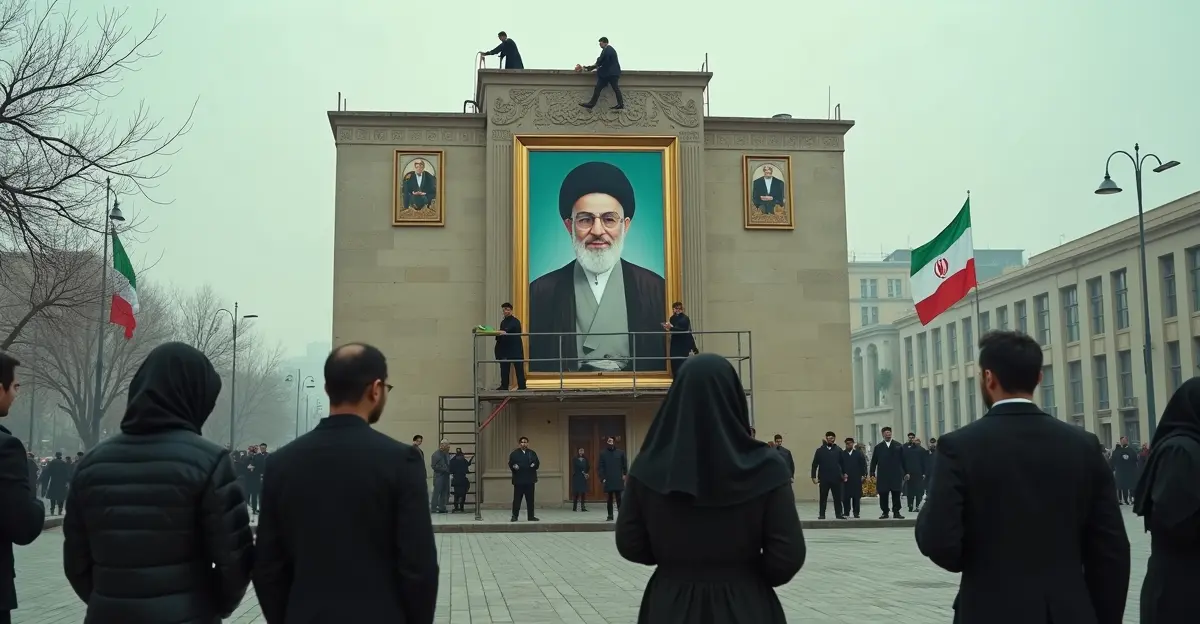
Mojtaba Khamenei, 56, represents a dramatic departure from traditional Iranian leadership norms. Unlike his father, who served as Iran's president before becoming Supreme Leader, Mojtaba has never held elected office or formal government positions. He has maintained an exceptionally low public profile throughout his life, earning him the nickname "the power behind the robes" in U.S. diplomatic cables.
Despite his lack of official roles, Mojtaba has wielded significant behind-the-scenes influence, particularly within the Islamic Revolutionary Guard Corps (IRGC) and conservative clerical circles. His selection was confirmed by the Assembly of Experts, the clerical body responsible for choosing Iran's Supreme Leader, in a decisive vote that has drawn both domestic support and international condemnation.
Why This Succession is Historic
The appointment marks several unprecedented developments in Iranian politics:
- First hereditary succession: Since the 1979 Islamic Revolution explicitly rejected hereditary rule, this represents a fundamental shift in the republic's principles.
- No prior government experience: Mojtaba becomes the first Supreme Leader without previous elected or senior administrative experience.
- Accelerated religious promotion: Iranian media have begun referring to him as "Ayatollah" despite questions about his religious qualifications.
- Direct family continuity: The Khamenei family now controls Iran's highest office for potentially decades to come.
Regional and Global Implications
Military Escalation Risks
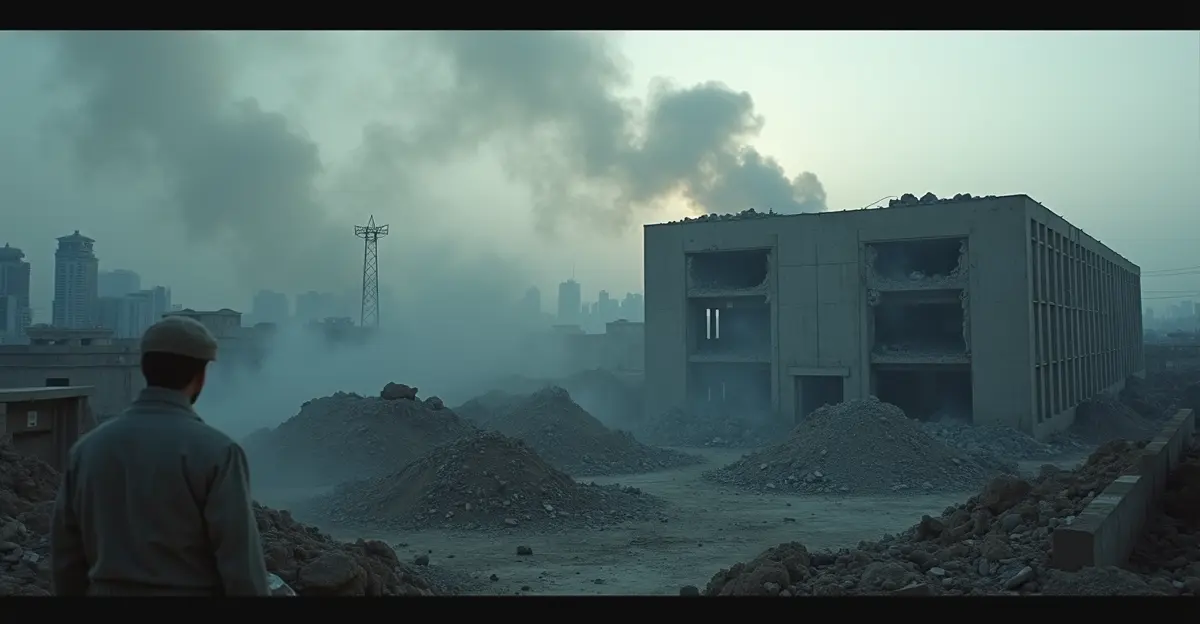
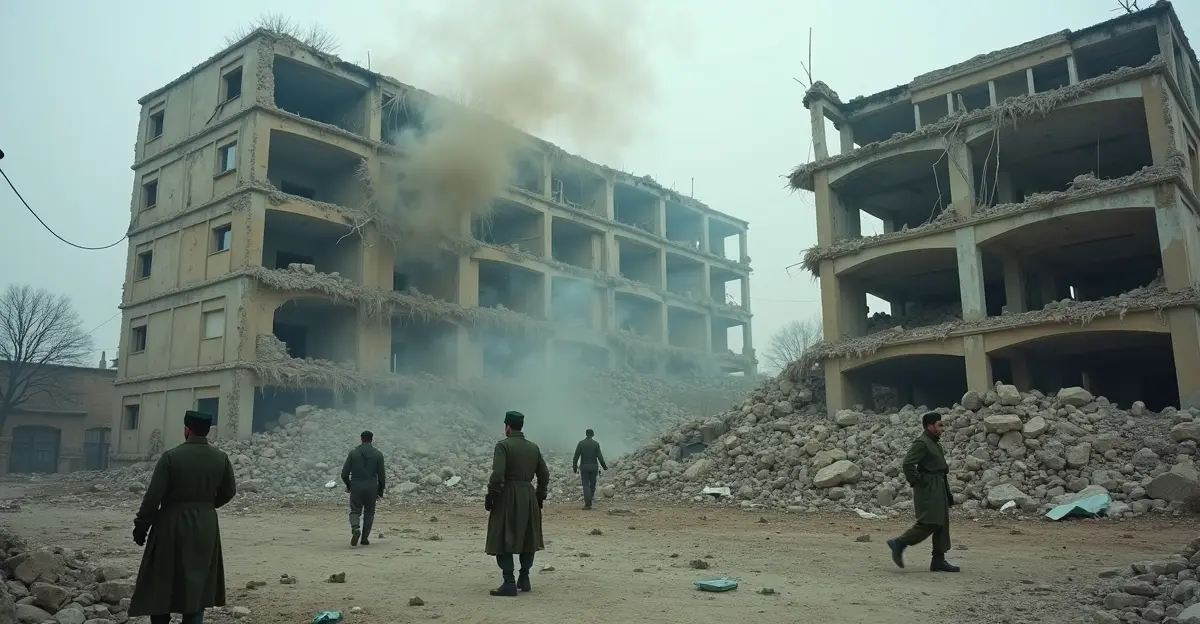
The succession comes amid intense military conflict, with the 2026 Iran war already causing:
- At least 201 confirmed Iranian civilian deaths from initial strikes
- Seven U.S. military personnel killed in Iranian counterattacks
- Iran's closure of the strategic Strait of Hormuz, threatening 20% of global oil shipments
- European forces deployed to Cyprus to defend against Iranian strikes
- Hezbollah launching renewed attacks on Israel from Lebanon
U.S. President Trump has already declared Mojtaba Khamenei "an unacceptable choice" and warned that "Iran's next supreme leader would not last long without U.S. approval." Israel has similarly declared the new leader a target for elimination, suggesting the conflict will intensify rather than de-escalate.
Economic Consequences
The war has triggered global economic concerns, with analysts warning oil prices could reach $150 per barrel if the Strait of Hormuz remains closed. South Korea has already implemented fuel price caps, while major shipping companies like Maersk have suspended transit through the critical waterway. The situation has drawn comparisons to the global energy crisis of 2024 but with potentially more severe consequences.
What Happens Next?
The immediate challenges facing Mojtaba Khamenei include:
- Consolidating power: Despite support from the IRGC and conservative factions, he must establish authority over Iran's complex power structure.
- Managing the war: Continuing military operations while potentially seeking diplomatic off-ramps.
- Economic survival: Navigating severe international sanctions and domestic economic pressures.
- Legitimacy concerns: Addressing criticism about hereditary succession in a system founded on anti-monarchical principles.
International observers are closely watching how the new leadership will approach key issues like Iran's nuclear program, support for proxy groups, and relations with regional rivals. The situation requires understanding of Middle East geopolitics to fully appreciate the potential outcomes.
FAQ: Iran Leadership Crisis Explained
Who was Ali Khamenei?
Ayatollah Ali Khamenei served as Iran's Supreme Leader from 1989 until his assassination in February 2026. He was the country's longest-serving head of state and a central figure in Middle Eastern politics for nearly four decades.
How is the Supreme Leader chosen?
The Supreme Leader is selected by the Assembly of Experts, an 88-member clerical body elected by the Iranian public. However, candidates must meet religious qualifications and gain approval from existing power structures.
Why is Mojtaba's selection controversial?
His appointment breaks with Iran's anti-hereditary principles, bypasses more experienced candidates, and occurs amid foreign military pressure, raising questions about the selection process's legitimacy.
What does this mean for the Iran war?
Most analysts predict escalation, as Mojtaba is expected to continue his father's hardline policies, while the U.S. and Israel have already rejected his leadership.
How will this affect global oil prices?
With Iran controlling the Strait of Hormuz, continued conflict could push oil prices above $150 per barrel, triggering global economic instability.
Follow Discussion