


 Deutsch
 English
 Español
 Français
 Nederlands
 Português


 Share
Share




Breaking: Ayatollah Khamenei Killed in Israeli Air Strikes | Iran Crisis Update 2026
In a dramatic escalation of Middle East tensions, Israeli media and Reuters report that Iran's Supreme Leader Ayatollah Ali Khamenei has been killed in a series of air strikes on Iran. According to a high-ranking Israeli government official, the body of the 86-year-old leader was found following attacks on his Tehran residence complex. This development, if confirmed, represents the culmination of long-standing Israeli objectives and marks a potentially seismic shift in regional geopolitics.
What Happened: The February 28, 2026 Attacks
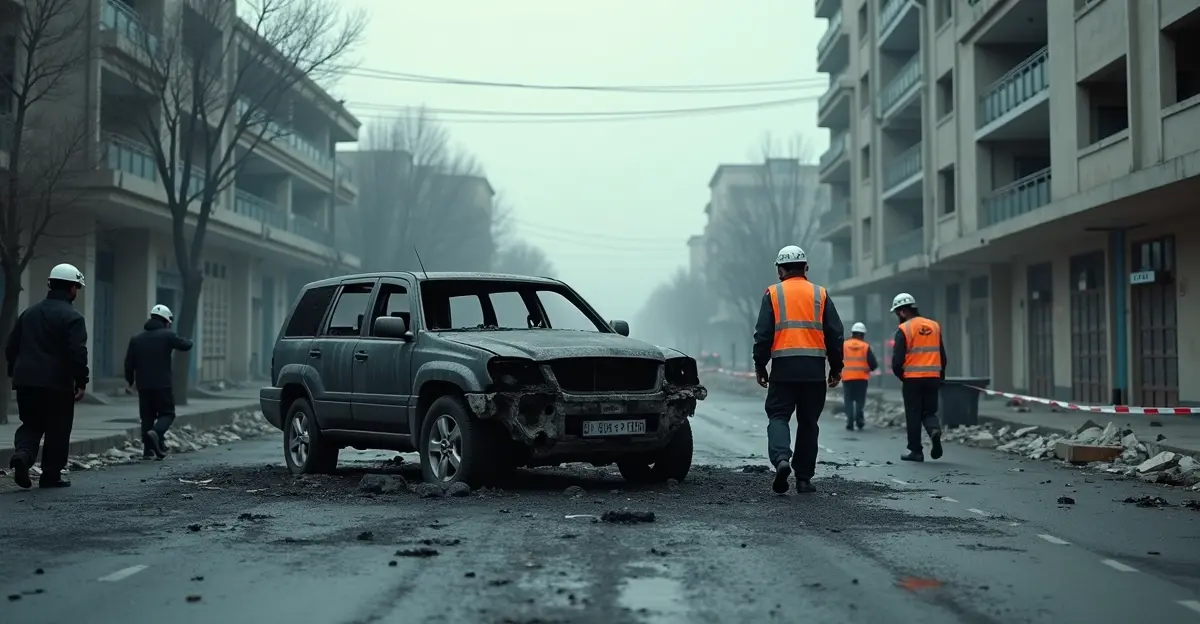
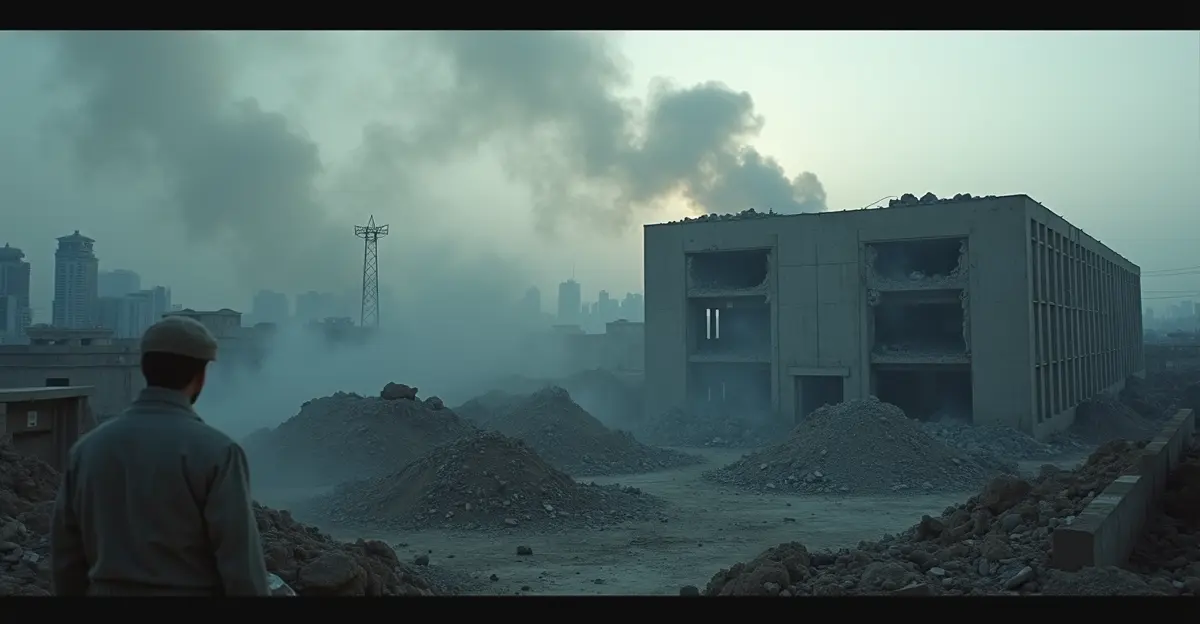
On February 28, 2026, joint US-Israeli forces conducted precision strikes targeting multiple locations across Iran, including the residential compound of Supreme Leader Ayatollah Khamenei in Tehran. Satellite imagery shows extensive damage to the complex, with initial reports indicating that Khamenei was killed during the bombardment. The attacks also claimed the lives of Iranian Defense Minister Amir Nasirzadeh and Revolutionary Guard leader Mohammed Pakpour, among other senior officials.
'Israel does what is necessary,' Prime Minister Benjamin Netanyahu told Fox News in June 2025, when asked about targeting Khamenei. Today, that statement appears to have been realized with devastating effect.
Who Was Ayatollah Khamenei?
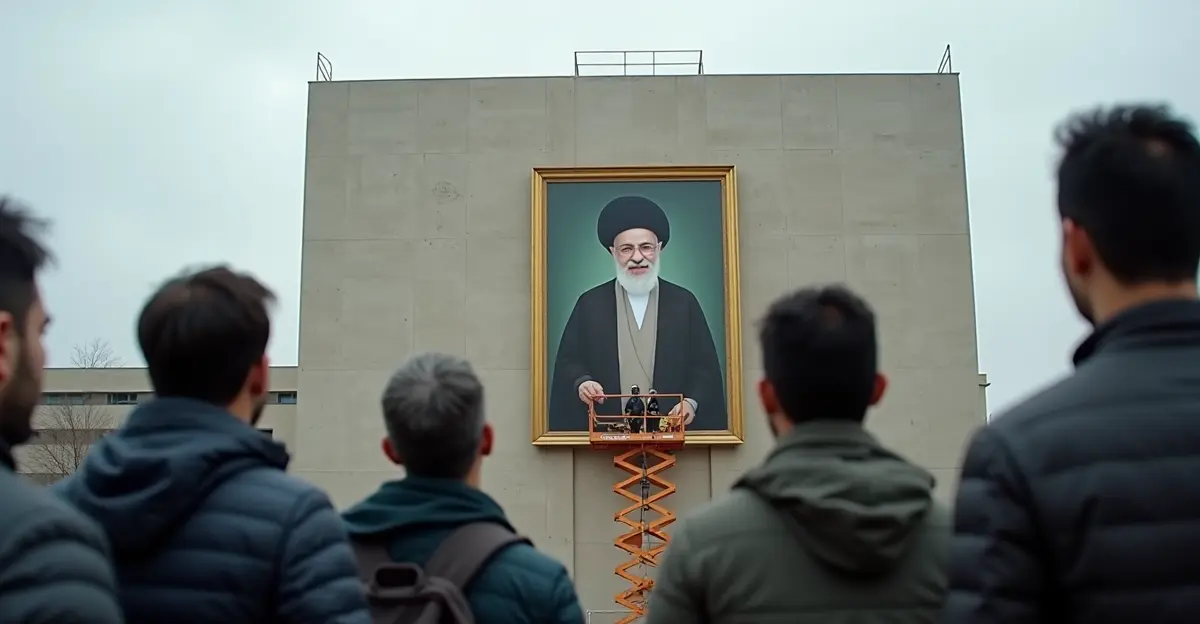
Ayatollah Ali Hosseini Khamenei served as Iran's Supreme Leader since 1989, making him the longest-serving head of state in the Middle East. Born in 1939, he rose through the ranks of the Islamic Revolution, surviving an assassination attempt in 1981 that left his right arm paralyzed. As the successor to Ayatollah Ruhollah Khomeini, Khamenei became the face of conservative Islamism in Iran, overseeing a regime known for its repressive policies and regional proxy networks.
Khamenei's tenure was marked by his strategic development of what became known as the 'Axis of Resistance' – a network of proxy forces including Hezbollah in Lebanon, Houthi rebels in Yemen, Hamas in Gaza, and support for the Assad regime in Syria. This network served to extend Iranian influence throughout the region and encircle Israel, though recent developments including the 2025 Hezbollah conflict and ongoing Hamas operations have weakened this strategy.
Khamenei's Key Policies and Legacy
- Nuclear Program: Supported civilian nuclear development while issuing a fatwa against nuclear weapons
- Regional Proxies: Invested heavily in Hezbollah, Hamas, Houthis, and Syrian regime
- Domestic Control: Strengthened the Islamic Revolutionary Guard Corps (IRGC) as a tool of state power
- Economic Policy: Favored privatization while leveraging Iran's energy resources
- Foreign Relations: Staunch critic of Israel and supporter of Palestinian causes
Immediate Regional Consequences
In response to the attacks, Iran has reportedly closed the Strait of Hormuz, a critical global oil chokepoint handling approximately 20% of the world's daily oil supply. This move threatens to spike global oil prices, with analysts predicting potential increases of 15-20% if the closure persists. The strait's strategic importance cannot be overstated – about 20 million barrels of oil transit daily through this narrow waterway between Iran and Oman.
Iran also launched ballistic missiles at Israel in retaliation, though these were successfully intercepted by Israel's air defense systems. The situation remains fluid, with global markets monitoring developments closely. The closure of the Strait of Hormuz represents a significant escalation that could have far-reaching economic consequences, particularly for Asian economies that depend heavily on Gulf energy imports.
Geopolitical Implications
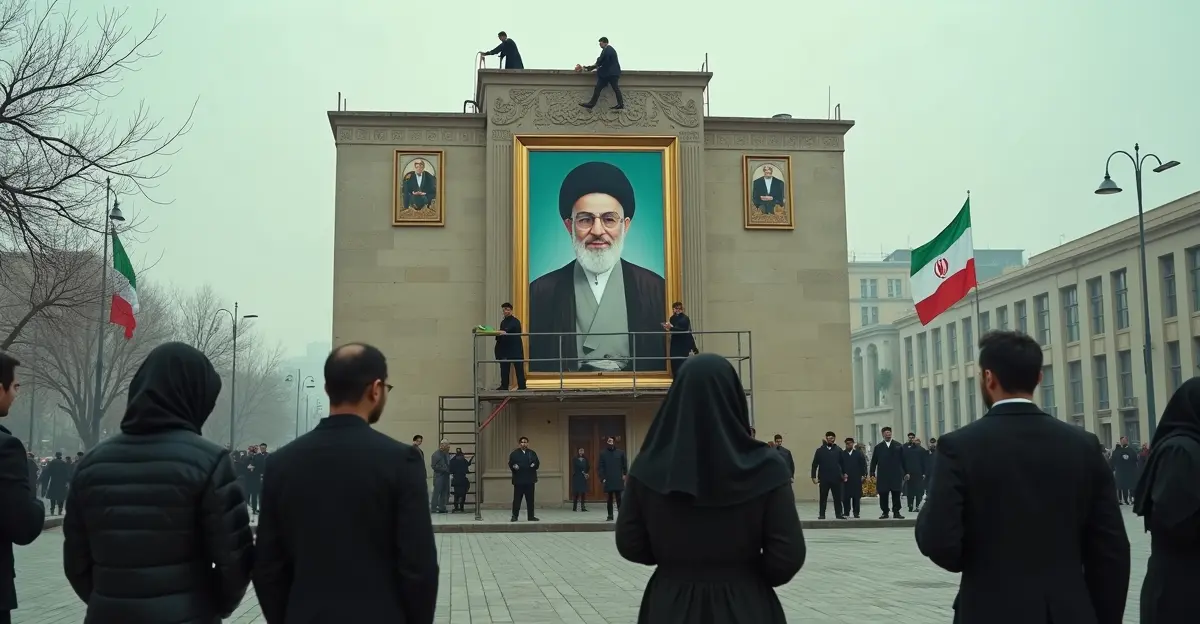
The death of Khamenei, if confirmed, creates a power vacuum at the highest level of the Iranian state. As Supreme Leader, Khamenei held ultimate authority over Iran's foreign policy, military, and nuclear program. His absence raises critical questions about succession and the future direction of Iranian policy.
This development comes amid ongoing tensions surrounding Iran's nuclear program. The June 2025 attacks on Iranian nuclear facilities had already weakened Iran's strategic position, and Khamenei's death represents another major blow to the regime. The situation parallels other regional conflicts, including the Syrian civil war outcomes that saw Iran's influence wane in recent years.
Prime Minister Netanyahu has called on Iranians to 'overthrow the Islamic regime,' while international reactions have been mixed. New York City Mayor Zohran Mamdani condemned the strikes as an 'illegal war of aggression,' highlighting the divisive nature of this development in global politics.
Historical Context: From Revolution to Crisis
Khamenei's journey from revolutionary cleric to supreme leader spanned decades of political maneuvering and survival. He began his career as a follower of Ayatollah Khomeini, participating in protests against the Shah's regime and enduring multiple imprisonments. After the 1979 revolution, he served on the Revolutionary Council and as Iran's president from 1981-1989 before ascending to the supreme leadership.
His tenure saw numerous challenges, including the Iran-Iraq War, economic sanctions, and repeated domestic protests. The 2009 Green Movement protests and the 2022 demonstrations following Jina Mahsa Amini's death tested the regime's stability, but Khamenei maintained control through a combination of repression and strategic concessions. His approach to Middle East proxy warfare defined Iran's regional strategy for decades.
FAQ: Key Questions Answered
Has Iran confirmed Khamenei's death?
As of February 28, 2026, Iranian authorities have not officially confirmed Ayatollah Khamenei's death. The reports come from Israeli media and Reuters, citing high-level Israeli government sources.
What is the Strait of Hormuz and why does it matter?
The Strait of Hormuz is a narrow waterway between Iran and Oman that handles approximately 20 million barrels of oil daily – about 20% of global supply. Its closure could spike oil prices and disrupt global energy markets.
How long did Khamenei rule Iran?
Ayatollah Khamenei served as Supreme Leader for 36 years, from 1989 until his reported death in 2026, making him the longest-serving head of state in the Middle East.
What happens next in Iran?
The succession process for Iran's Supreme Leader involves the Assembly of Experts, an 88-member body of clerics. The transition could be contentious given the sudden nature of Khamenei's reported death.
How will this affect global oil prices?
Analysts predict oil prices could increase by 15-20% if the Strait of Hormuz remains closed, potentially pushing prices to $75-$80 per barrel or higher depending on the duration of the crisis.

Follow Discussion