


 Deutsch
 English
 Español
 Français
 Nederlands
 Português


 Share
Share




What is Ferrari's Air Freight Strategy for the Middle East?
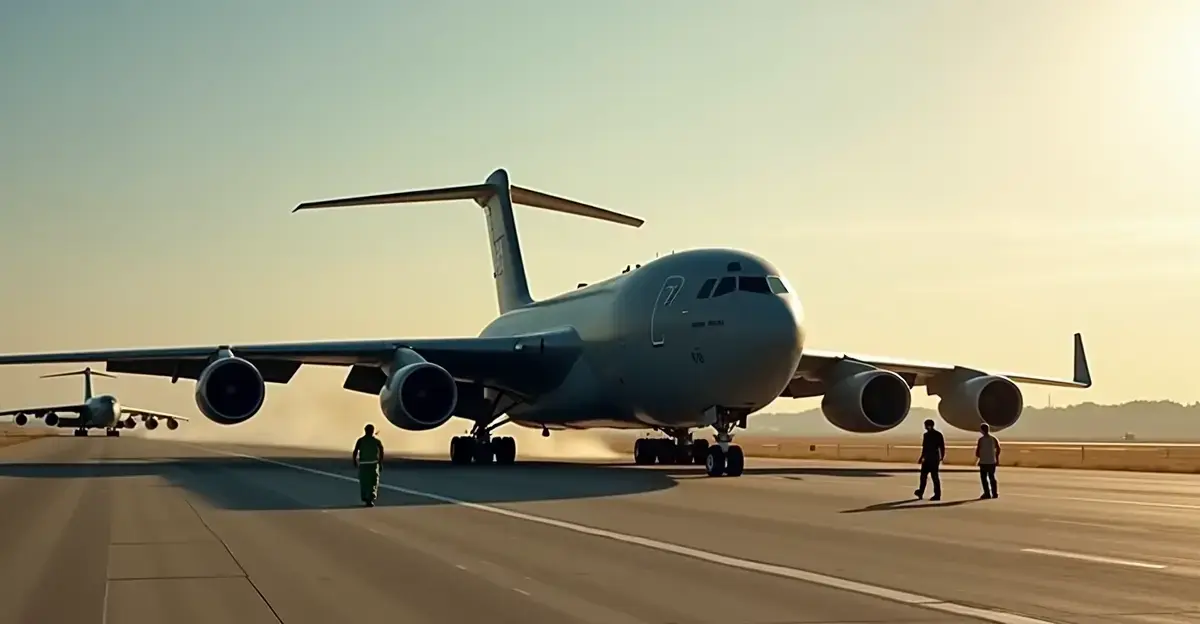
Ferrari, the iconic Italian luxury sports car manufacturer, has implemented an extraordinary air freight strategy to deliver supercars to its wealthiest Middle Eastern clients amid escalating regional conflict. With the Strait of Hormuz effectively blocked by Iranian forces since the US-Israel attack on Iran in February 2025, traditional maritime shipping routes have become impassable, forcing premium automakers to adopt costly air transport solutions for their most valuable customers. This unprecedented logistical shift represents a critical adaptation in the global luxury car supply chain during geopolitical crisis.
Background: The Strait of Hormuz Blockade
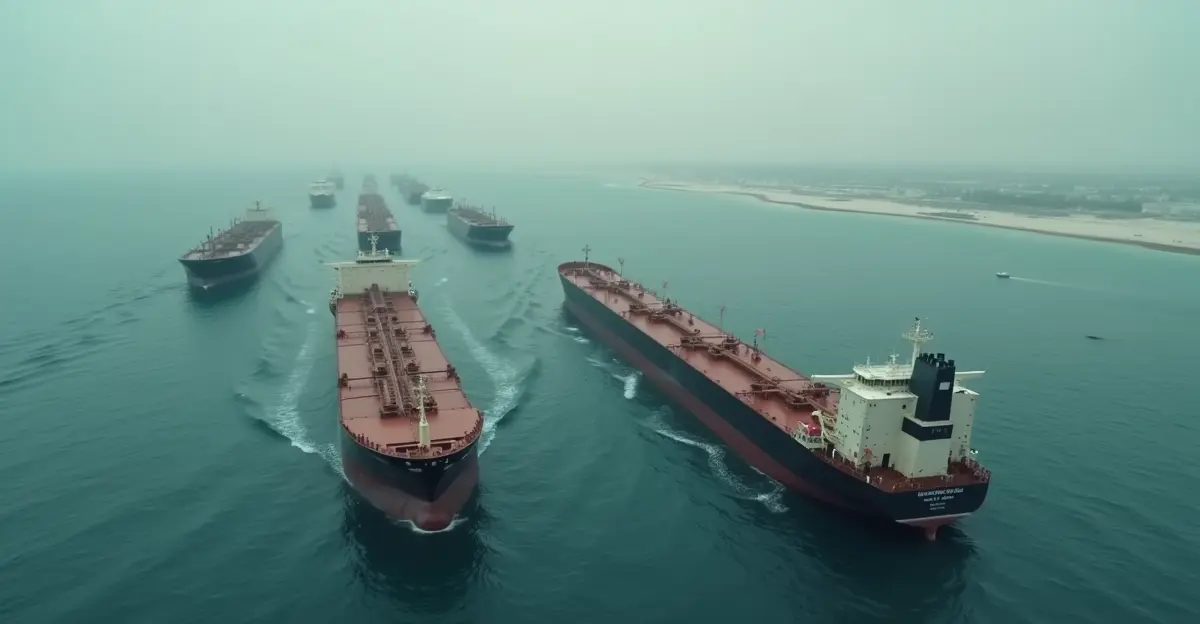
The Strait of Hormuz, a narrow 33-kilometer-wide shipping channel connecting the Gulf with the Arabian Sea, has been effectively blocked by Iran since February 28, 2025. This strategic waterway normally handles approximately 20% of the world's oil and liquefied natural gas—about 20 million barrels of oil daily worth nearly $600 billion annually. The blockade has reduced daily traffic by about 95%, creating severe disruptions for all maritime transport, including luxury vehicle shipments from European manufacturers to Middle Eastern markets.
According to The Financial Times, Ferrari initially announced it would halt most vehicle deliveries to the Gulf region when transportships could no longer navigate the blocked strait. However, the company revealed that 'some deliveries' would continue via air freight for its most important clients. This selective approach highlights the delicate balance between logistical feasibility and maintaining relationships with high-value customers in a critical market.
The Cost of Luxury Air Transport
Price Comparison: Air vs. Sea Freight
Industry experts estimate that transporting a luxury car by air is now four to five times more expensive than traditional sea shipping. Before the conflict, air freight was already approximately three times costlier than maritime transport. According to Freightos data, average air cargo rates from Europe to the Middle East have surged by two-thirds since the conflict began, reaching $2.96 per kilogram.
For a typical Ferrari supercar weighing around 1,500 kilograms, this translates to approximately $4,440 in base air freight costs—before factoring in specialized handling, insurance, and premium surcharges. The actual price for air shipping a luxury vehicle can range from $6,000 to $15,000+ depending on the destination and vehicle specifications.
Who Pays the Premium?
'The exact price depends on the manufacturers' profit margins,' explains Ian Arroyo of Freightos. 'Manufacturers may reduce their margins due to customer relationships, or customers may offer to cover transport costs themselves.' This flexibility demonstrates the importance of maintaining client relationships in the high-margin Middle Eastern luxury car market, where personalization alone contributes nearly 20% of Ferrari's automotive revenue.
Middle East Market Importance for Luxury Brands
While the United States and China represent larger volume markets for luxury automakers, the Middle East stands out as a crucial profit center. The region delivers exceptional margins with luxury vehicles comprising approximately 20% of UAE sales. Porsche's profit per car in the region increased 28% between 2020 and 2025, while BMW's Middle East deliveries rose 10% in 2025 alone.
'It is a very important region for us,' says Chris Brownridge, CEO of Rolls-Royce Motor Cars. 'Many of our customers want their vehicles delivered quickly, and we work as best we can to make that delivery possible.' Brownridge notes he maintains daily contact with Middle Eastern clients despite the logistical challenges.
Bentley CEO Frank-Steffen Walliser describes the Middle East as 'the best market in the world' in terms of profit contribution, while expressing concern about the current situation: 'We are very worried about the situation. In addition, people in the Middle East currently have bigger concerns than looking for a new Bentley.'
Industry-Wide Impact and Response
Other Luxury Manufacturers' Approaches
While Ferrari has implemented selective air deliveries, other premium automakers have adopted different strategies:
- Bentley: Utilizing existing regional inventory to fulfill pre-conflict orders, with no current air transport operations
- Rolls-Royce: Taking 'all measures' to meet customer demand while declining to provide specific details
- Maserati: Temporarily halted shipments citing 'logistical challenges and safety concerns'
- Volkswagen Group: Warned that the conflict could weaken demand for premium brands like Porsche, Lamborghini, and Audi
Market Challenges Beyond Logistics
The conflict has created broader market challenges beyond transportation difficulties. Some European manufacturers report suspending plans for new dealerships in Saudi Arabia and declining showroom traffic in Abu Dhabi. Former Aston Martin CEO Andy Palmer expressed particular concern: 'I haven't experienced in a long time that every market is doing so poorly. There's simply no way out anymore.'
The luxury automotive sector was already facing headwinds from higher US import tariffs and significant sales declines in China before the Middle East conflict erupted. Many premium brands had hoped Middle Eastern growth would offset declines in these larger markets.
Future Implications for Luxury Automotive Logistics
The current crisis highlights the vulnerability of global supply chains to geopolitical disruptions, particularly for high-value, time-sensitive goods like luxury vehicles. The Middle East geopolitical tensions have forced manufacturers to reconsider their logistical strategies and customer service approaches in volatile regions.
As air cargo spot rates continue to surge—with WorldACD data showing a 10% week-on-week increase to $2.67 per kilo and Dubai to US rates soaring 56% weekly to $8.46 per kilo—the financial viability of air freight for luxury vehicles remains uncertain. Jet fuel prices have nearly doubled (+94%) from pre-war levels due to the Strait of Hormuz blockade, triggering additional fuel and war-risk surcharges.
The situation underscores the importance of diversified supply chains and contingency planning for premium automakers operating in politically sensitive regions. As the global automotive industry navigates these challenges, the Ferrari air freight case study may inform future crisis response strategies across the luxury sector.
Frequently Asked Questions
Why is Ferrari using air freight for Middle East deliveries?
Ferrari is using air freight because the Strait of Hormuz has been blocked by Iran since February 2025, making traditional maritime shipping impossible. The blockade prevents transport ships from reaching Gulf region ports, forcing alternative delivery methods for time-sensitive luxury vehicle shipments.
How much more expensive is air freight compared to sea shipping?
Air freight is currently four to five times more expensive than sea shipping for luxury vehicles. Before the conflict, air transport was approximately three times costlier. Current air cargo rates from Europe to the Middle East average $2.96 per kilogram, representing a two-thirds increase since the conflict began.
Which other luxury car brands are affected by the Middle East conflict?
Multiple premium automakers are affected including Bentley, Rolls-Royce, Maserati, Porsche, Lamborghini, and Audi. Each has implemented different strategies ranging from utilizing existing inventory to temporary shipment halts, with varying approaches to customer service during the crisis.
How important is the Middle East market for luxury car manufacturers?
The Middle East represents a crucial high-margin market despite smaller volume compared to the US and China. Luxury vehicles comprise about 20% of UAE sales, and the region delivers exceptional profitability with strong demand for vehicle personalization and bespoke features.
What are the long-term implications of this logistical crisis?
The crisis highlights supply chain vulnerabilities in geopolitically sensitive regions and may prompt luxury automakers to develop more resilient logistical strategies, including diversified transport options, regional inventory management, and enhanced crisis response planning for high-value customer segments.

Follow Discussion