


 Deutsch
 English
 Español
 Français
 Nederlands
 Português


 Share
Share




What is the Middle East War 2026?
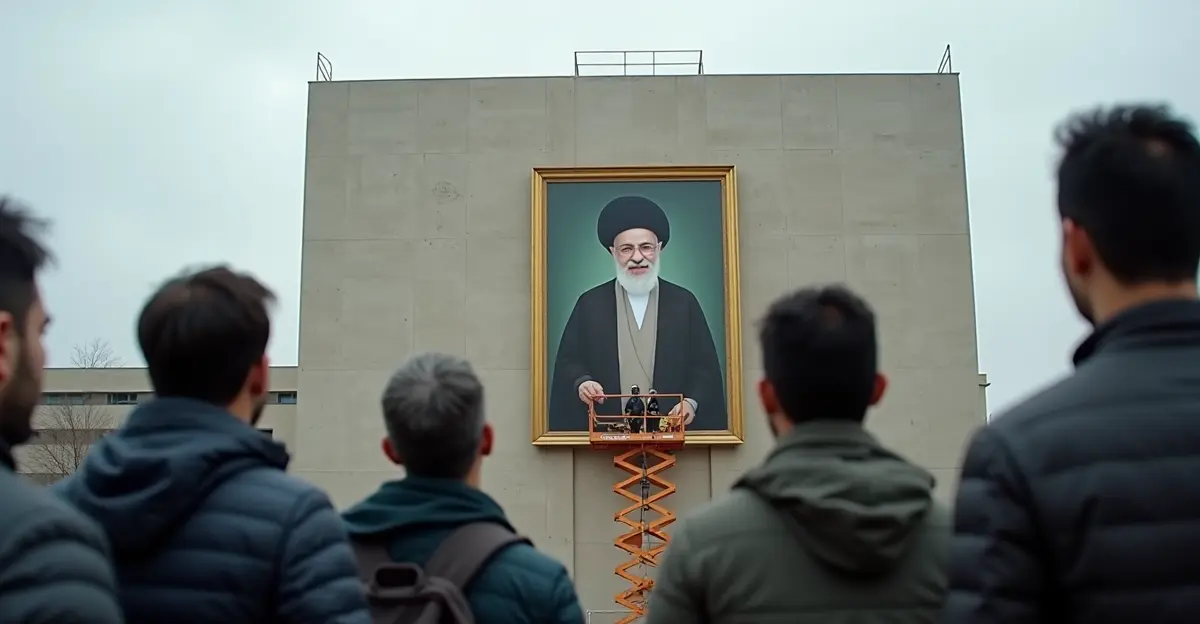
The Middle East War 2026 represents a rapidly escalating military conflict that began in early March 2026 with coordinated US and Israeli strikes against Iran, resulting in the death of Supreme Leader Ayatollah Ali Khamenei and at least 555 Iranian casualties. This conflict has now entered its fourth day with expanding regional involvement, threatening global economic stability and raising fears of a wider war. The 2025 Middle East tensions have now erupted into full-scale hostilities that experts warn could have catastrophic consequences for the world economy and international security.
Rapid Escalation and Regional Involvement
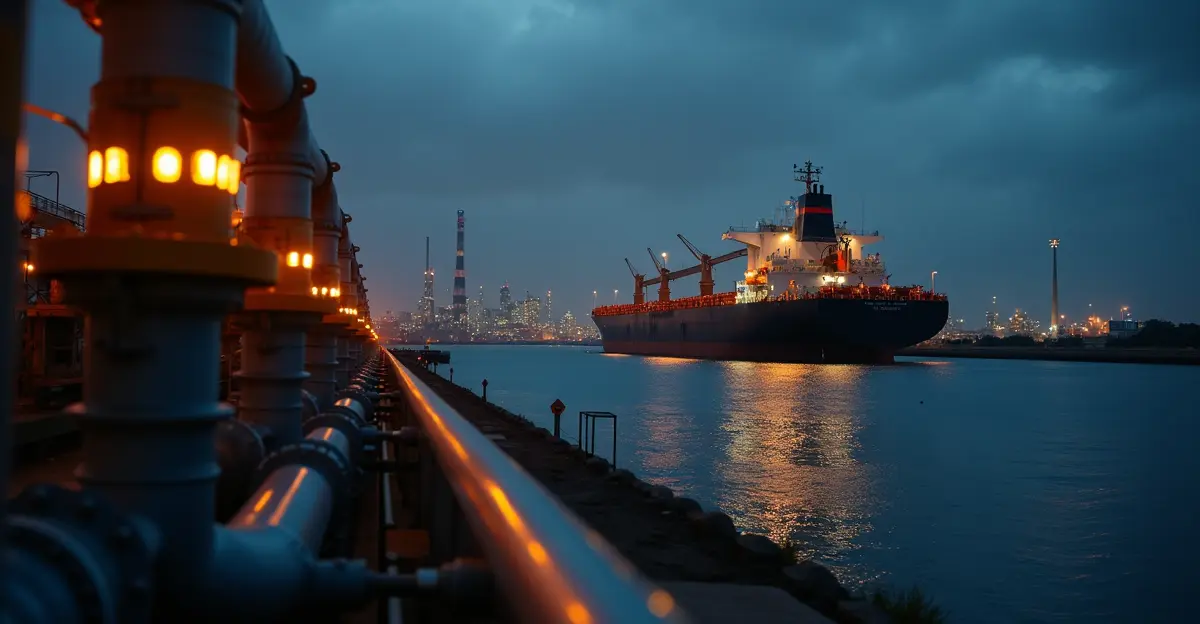
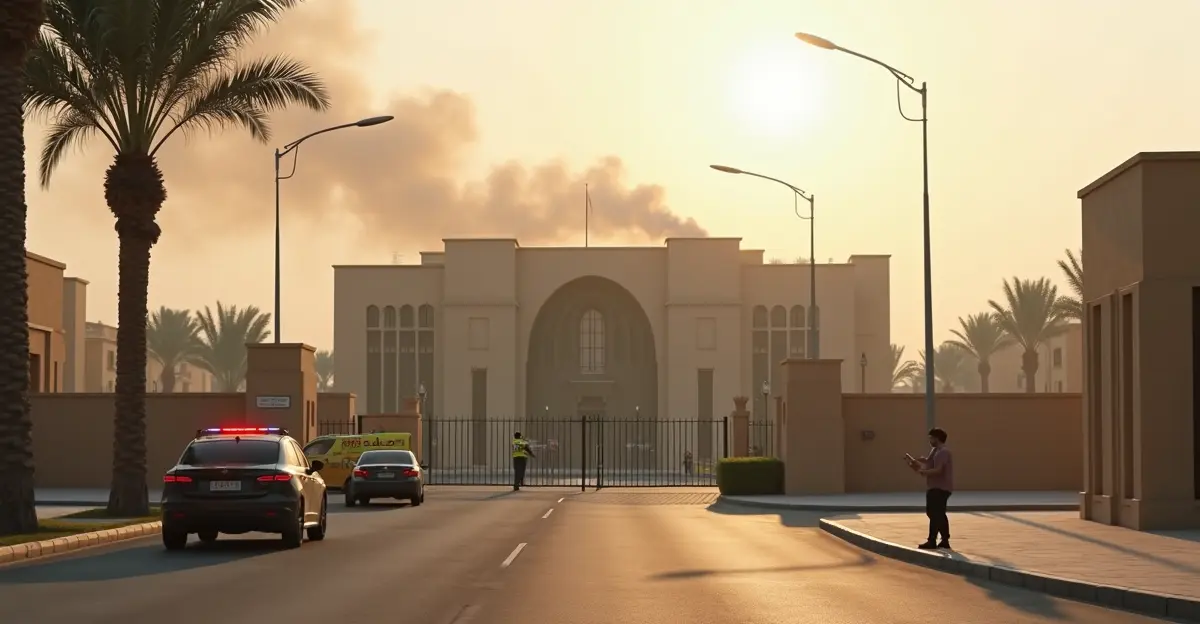
Over the past three days, the conflict has drawn in multiple countries beyond the initial US-Iran-Israel triangle. Hezbollah has fired rockets at Israel from Lebanon, prompting Israeli strikes on Beirut and southern Lebanon. Kuwait's air defenses mistakenly shot down three US jets in a friendly fire incident, while Qatar intercepted two Iranian bombers. The United Arab Emirates and Oman face direct threats as Iran has reportedly closed the Strait of Hormuz, a critical global oil chokepoint through which 25% of seaborne oil trade passes annually.
Economic Impact and Oil Market Disruption
The closure of the Strait of Hormuz has triggered immediate economic consequences:
- Oil prices have spiked with supertanker rates hitting all-time highs
- US gas prices saw their largest single-day jump in four years, rising 12 cents per gallon
- The Dow Jones Industrial Average plummeted over 1,000 points
- Over 18,000 flights have been cancelled since Saturday due to airspace closures
- Amazon Web Services reported multiple data centers knocked offline by drone attacks
Expert Analysis: The Risk of Further Escalation
Military analysts and Middle East experts express grave concerns about the conflict's trajectory. "We stand at a difficult and crucial point," says Middle East expert Paul Aarts. "The first impulse is often: 'I must strike back because my country has been attacked.' Self-control is now very important, because escalating is easier than de-escalating."
Professor of war studies Frans Osinga notes the strategic complexities: "The way this is happening is not elegant and we must be careful that we don't start seeing Trump's way as normal." He expects Gulf states won't actively join the US militarily, but they're already involved through threats to the Strait of Hormuz and their cities.
Gulf States' Vulnerable Position
Middle East expert Erwin van Veen of Clingendael explains: "I think the Gulf states will not quickly take offensive military action because their energy infrastructure is vulnerable and air defense does not function optimally." He warns that Iran could execute much larger bombings on various oil and gas installations if it chooses, potentially collapsing regional economies.
International Law and Diplomatic Challenges
The conflict raises significant questions about international law violations. Experts point out that US and Israeli attacks on Iran violate international law, yet many Western countries appear to accept these actions. "We all know this is contrary to international law," says Osinga, who believes Europeans are choosing an "opportunistic and strategic" position, benefiting from preventing Iran from obtaining nuclear weapons.
The diplomatic situation is complicated by what Aarts calls "orientalism" in Western responses: "We are Western, so everything that resists Western hegemony, and certainly a country like the Islamic Republic of Iran, is disapproved of no matter what." This creates a double standard where only Iranian retaliatory attacks are condemned, not the initial US-Israeli strikes.
Global Implications and Strategic Considerations
The conflict's expansion threatens multiple global systems:
1. Energy Security
With the Strait of Hormuz closed and Iran threatening regional oil infrastructure, global energy markets face unprecedented disruption. The global oil supply chain could experience long-term damage if the conflict persists.
2. Economic Stability
Stock market volatility, cancelled flights, and disrupted shipping routes create a perfect storm for global recession. The conflict has already compromised tech infrastructure with AWS data center outages.
3. Nuclear Safety Concerns
The head of the UN atomic energy agency has urged a return to diplomacy due to the 'increasing risk to nuclear safety' in the region, highlighting another dangerous dimension of the conflict.
4. Humanitarian Crisis
UNESCO has condemned the bombing of a primary school during the attacks as a grave violation of humanitarian law, with civilian casualties mounting across multiple countries.
The Path Forward: Diplomacy vs. Escalation
Experts emphasize that diplomacy remains the most critical path forward. "The main road now is diplomacy," says Aarts, though he acknowledges challenges: "Toward Israel that will be a hard struggle, because it has set its sights on making Iran small." However, he suggests President Trump might be influenced by economic considerations, as Gulf states represent attractive business partners.
Osinga points to another strategic consideration for European countries: "The Europeans also look at what this means for the war in Ukraine. There are concerns about the amount of anti-missile missiles that have to be fired into the air, which they would rather have sent to Ukraine."
FAQ: Middle East War 2026
What started the Middle East War 2026?
The conflict began with coordinated US and Israeli strikes against Iran on March 1, 2026, targeting Iranian leadership and military infrastructure, resulting in Supreme Leader Khamenei's death.
Which countries are currently involved?
Primary combatants include the US, Israel, and Iran, with secondary involvement from Lebanon (Hezbollah), Kuwait, Qatar, UAE, Oman, and Saudi Arabia through embassy closures and regional impacts.
How has the Strait of Hormuz closure affected global markets?
The closure has caused oil prices to spike, supertanker rates to hit record highs, US gas prices to jump 12 cents per gallon, and the Dow to drop over 1,000 points.
What are the main risks of further escalation?
Key risks include: Iran targeting Gulf state oil infrastructure, Hezbollah-Israel conflict expansion, accidental engagements between regional powers, and disruption of global shipping routes beyond the Strait of Hormuz.
What is the international community doing?
The UN has called for diplomacy and expressed nuclear safety concerns, while Western countries face criticism for applying double standards in their responses to violations of international law.



Follow Discussion