


 Deutsch
 English
 Español
 Français
 Nederlands
 Português


 Share
Share




Breaking: Netanyahu Orders Strikes on Beirut as Iran Halts US Negotiations
Israeli Prime Minister Benjamin Netanyahu has ordered the military to attack Hezbollah targets in the southern suburbs of Beirut, marking a dramatic escalation in the ongoing conflict. The decision, announced on June 1, 2026, prompted Iran to suspend its indirect talks with the United States, threatening to unravel a fragile ceasefire that has held since April. The developments raise the risk of a broader regional war involving Iran, its proxies, and the US-led coalition.
Context: The Fragile Ceasefire Unravels
The US and Iran reached a tentative ceasefire in early April 2026, which was subsequently extended by 60 days in May. Under the truce, Israel had largely refrained from striking the Lebanese capital, focusing operations on southern and eastern Lebanon. However, the ceasefire remained fragile, with both Israel and Hezbollah accusing each other of violations. The US-Iran ceasefire deal had been brokered through Pakistani mediators and included conditions regarding the reopening of the Strait of Hormuz, which Iran had blockaded since February 2026.
Netanyahu's Escalation: Targeting Dahiyeh
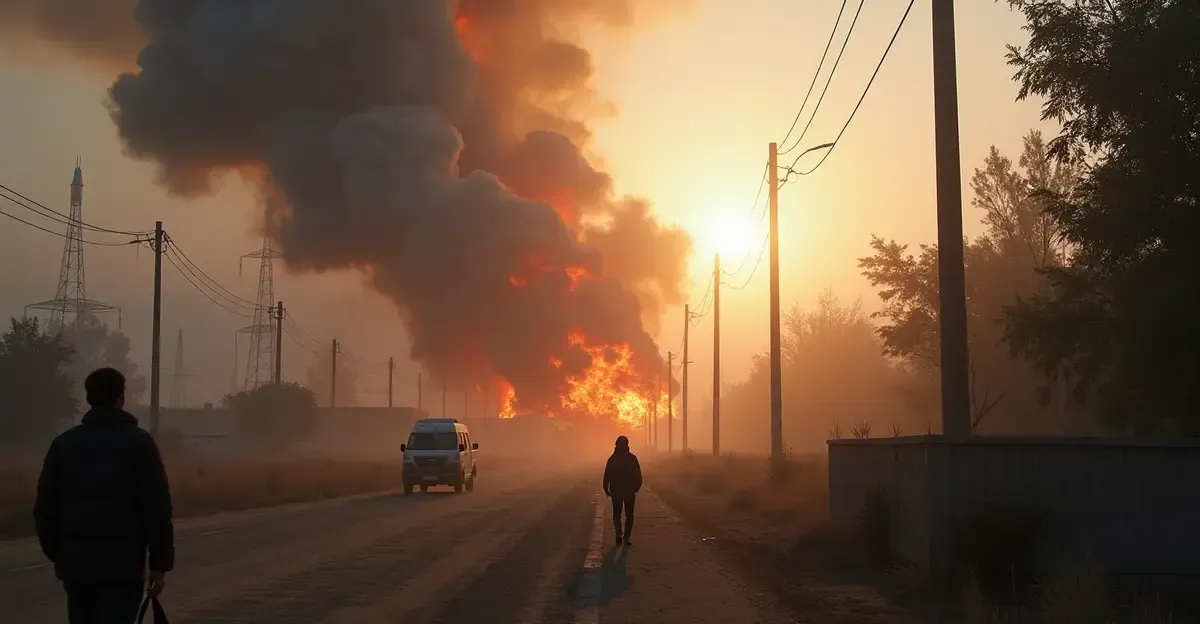
On June 1, Netanyahu instructed the Israel Defense Forces (IDF) to strike 'terrorist targets' in the Dahiyeh district, a densely populated Hezbollah stronghold in southern Beirut. The IDF issued evacuation warnings to residents, triggering mass panic and traffic jams as thousands fled the area. 'We are taking the initiative and operating on all fronts — in Syria, Gaza, and Lebanon,' Netanyahu said in a statement, adding that the goal is to 'strengthen and expand our grip on areas that were under Hezbollah control.'
The strikes come just days after Israeli forces captured the strategic Beaufort Castle in southern Lebanon, the deepest Israeli incursion into Lebanese territory in 26 years. Netanyahu hailed the capture as a 'dramatic shift' in the campaign against Hezbollah. The IDF has also expanded ground operations north of the Litani River and issued sweeping evacuation orders for areas up to 25 miles from the border.
Hezbollah's Response
Hezbollah has continued to launch rockets and drones into northern Israel and target Israeli military positions inside Lebanon. The group has stated it will not cease attacks until Israel halts its operations in Gaza and Lebanon. Since the conflict resumed in March 2026, over 3,400 people have been killed in Lebanon and more than 1.2 million displaced, according to the Lebanese Health Ministry and UN agencies.
Iran Suspends Talks with the US
In a swift reaction, Iran announced the suspension of all indirect communications with the United States through mediators. The semi-official Tasnim news agency, which is closely aligned with the government, reported that Tehran considers Israel's strikes a violation of the ceasefire terms. 'Every violation of this ceasefire on one front is considered a violation on all fronts,' wrote Iranian Foreign Minister Abbas Araghchi on X (formerly Twitter). 'The United States and Israel are responsible for the consequences.'
The Iran-US nuclear negotiations had been making slow progress, with Washington demanding a full halt to Iran's nuclear enrichment activities and Tehran insisting on its right to enrich uranium. The suspension of talks derails weeks of diplomatic efforts and raises the likelihood of renewed military confrontation between the US and Iran.
Trump's Response
President Donald Trump told NBC News that Iran has not formally notified the US of the suspension. 'It doesn't mean we're just going to drop bombs there. We'll maintain the blockade,' Trump said, referring to the US naval blockade on Iran that has been in place since April. He added that 'going silent would be very good' and suggested he is willing to wait out Tehran. The US has also continued airstrikes against Iranian radar and drone sites along the Strait of Hormuz, while Iran has fired ballistic missiles at US forces in Kuwait, which were intercepted.
Threats to Global Shipping: Strait of Hormuz and Bab el-Mandeb
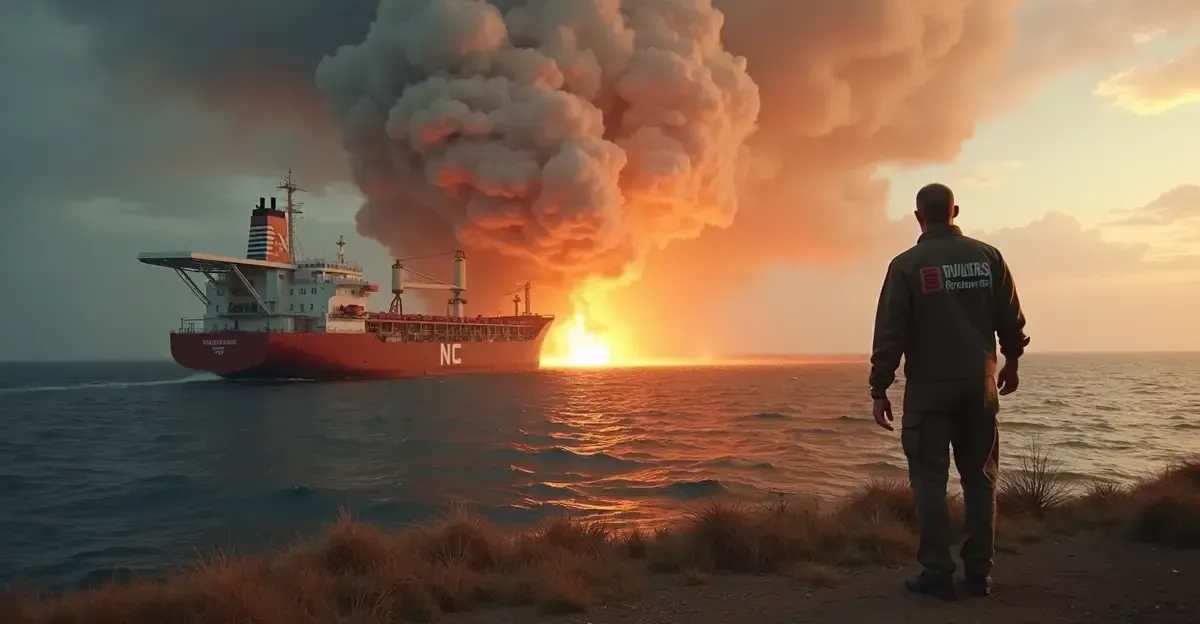
Iran has threatened to escalate by completely closing the Strait of Hormuz, a critical chokepoint through which about 25% of the world's seaborne oil trade passes. The strait has been effectively blockaded since February 2026, causing oil prices to surge past $100 per barrel. Additionally, Iranian state media reported that Tehran and its allies are considering 'activating other fronts,' including the Bab el-Mandeb Strait at the southern tip of the Red Sea. The Houthi threat to Red Sea shipping could cripple global trade routes toward Europe, compounding the economic damage from the Hormuz closure.
International Reactions
The escalation has drawn widespread condemnation. Saudi Arabia, Qatar, Turkey, the United Kingdom, Portugal, and Germany have all called for restraint and adherence to the ceasefire. France has requested an emergency session of the UN Security Council to address Israel's military operations in Lebanon. The Lebanese government has condemned the strikes on Beirut as a violation of its sovereignty, while Hezbollah's political allies have warned of a 'long and costly war' for Israel.
The humanitarian situation in Lebanon continues to deteriorate. Over 1.2 million people are displaced, hospitals are overwhelmed, and the UN has warned of a potential famine in southern Lebanon. MSF (Médecins Sans Frontières) reported severe casualties including brain injuries and shrapnel wounds from drone strikes. The conflict has also claimed the lives of 13 US service members and wounded 409 as part of Operation Epic Fury.
FAQ
Why did Netanyahu order strikes on Beirut?
Netanyahu stated the strikes target 'terrorist targets' of Hezbollah in the Dahiyeh district, accusing the group of violating the ceasefire. The operation aims to expand Israeli control over areas formerly held by Hezbollah in southern Lebanon.
Has Iran completely ended talks with the US?
According to Iranian state media, Tehran has suspended all indirect communications with Washington through mediators. The suspension is in protest of Israeli strikes on Lebanon, which Iran considers a violation of the ceasefire.
What is the current status of the Strait of Hormuz?
The Strait of Hormuz remains effectively closed by Iran's Revolutionary Guard Corps since February 2026. Tanker traffic has dropped by roughly 70%, and oil prices have surged past $100 per barrel. The US maintains a naval blockade on Iran.
Could the Houthis block the Bab el-Mandeb Strait?
Iran-aligned Houthi rebels in Yemen have threatened to close the Bab el-Mandeb Strait if the conflict escalates further. Such a move would disrupt global shipping through the Red Sea and Suez Canal, compounding the economic impact of the Hormuz closure.
What is the death toll in Lebanon so far?
Since the conflict resumed in March 2026, over 3,400 people have been killed in Lebanon and more than 10,000 injured. Over 1.2 million people have been displaced, representing more than 20% of the country's population.




Follow Discussion