


 Deutsch
 English
 Español
 Français
 Nederlands
 Português


 Share
Share




Fragile Peace Unravels Hours After Ceasefire
A landmark US-Iran memorandum of understanding signed just days ago at the G7 summit in Versailles is teetering on the brink of collapse after Israel and Hezbollah exchanged deadly attacks in Lebanon, shattering a US-brokered ceasefire within hours. The violence threatens to undo the most significant diplomatic breakthrough in the Middle East in decades and has already derailed planned US-Iran nuclear talks in Switzerland.
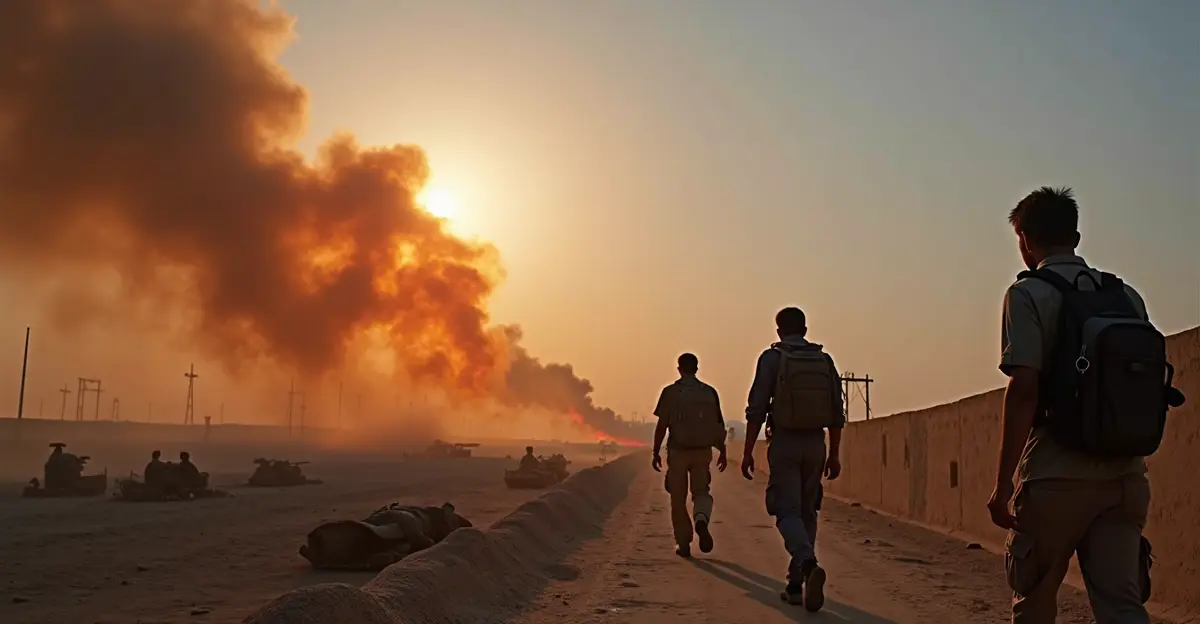
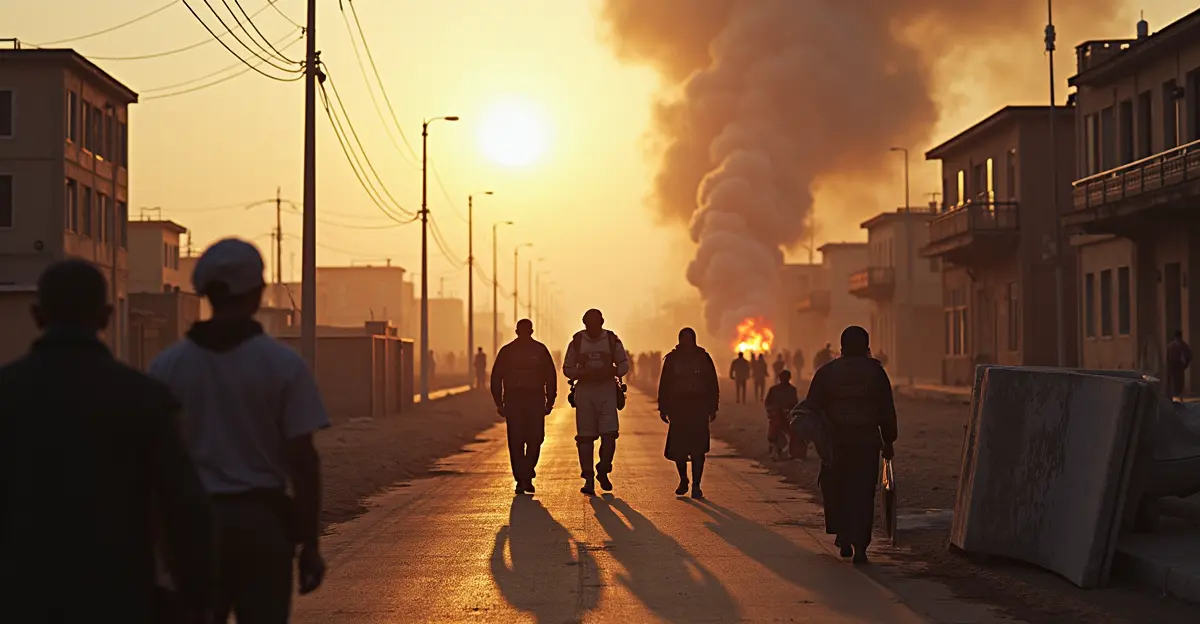
The crisis erupted on June 20, 2026, when Hezbollah launched approximately 50 projectiles at Israeli positions in southern Lebanon, killing one IDF soldier and wounding 13 others. Israel retaliated with airstrikes that killed at least 27 people, according to Lebanese officials. Each side blamed the other for breaking the truce that had been brokered just hours earlier by the United States and Qatar.
The 2026 Strait of Hormuz crisis had already reshaped global energy markets after Iran closed the strategic waterway in February. The new violence now threatens the fragile peace framework painstakingly negotiated over three months of conflict.
Background: From Strait Closure to Versailles Accord
The crisis began on February 28, 2026, when the United States and Israel conducted airstrikes on Iranian military targets, including the assassination of Supreme Leader Ali Khamenei. In response, Iran immediately closed the Strait of Hormuz to all foreign shipping, blocking a passage that carries about 20% of the world's oil supply.
The US launched Operation Project Freedom on March 19, 2026, an aerial campaign targeting Iranian naval vessels and drones. Israel assassinated IRGC naval commander Alireza Tangsiri. By April 13, the US imposed its own naval blockade on Iran after the failure of the Islamabad Talks. The conflict saw NATO allies refuse Trump's call for military assistance, with German Defense Minister Boris Pistorius stating, 'This is not our war, we have not started it.'
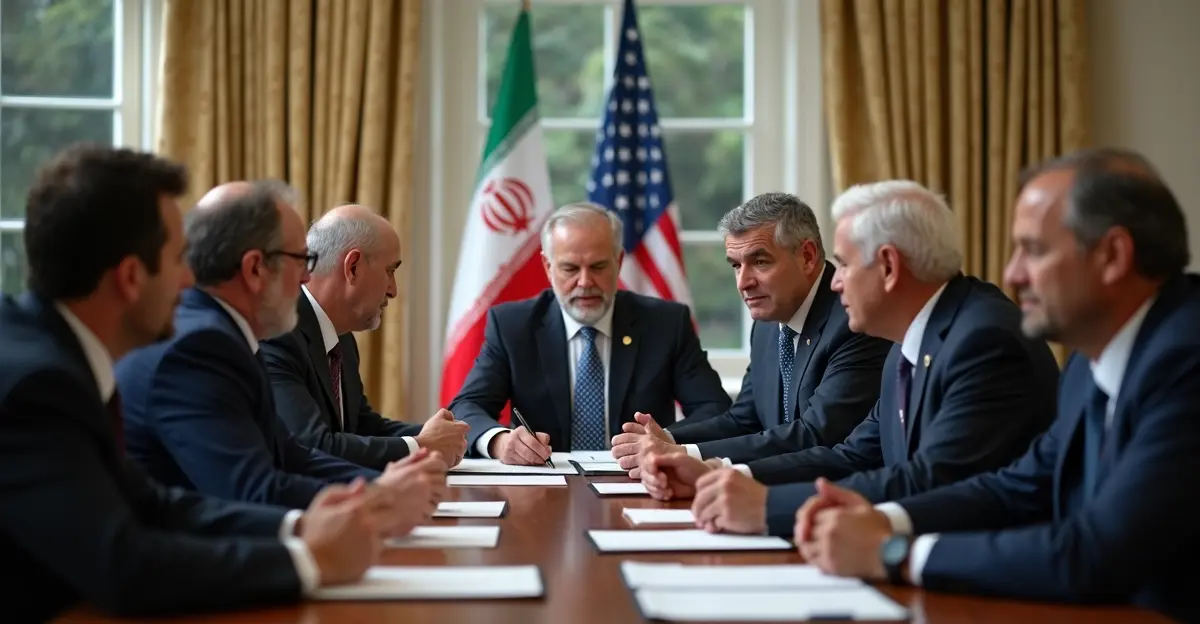
After weeks of intense fighting, President Donald Trump and Iranian President Masoud Pezeshkian signed a 13-point memorandum of understanding on June 17, 2026, at the Palace of Versailles following the G7 summit. The deal called for an immediate end to military operations on all fronts, including Lebanon; the reopening of the Strait of Hormuz; removal of the US naval blockade within 30 days; and a 60-day negotiation window for a final agreement on Iran's nuclear program.
The Ceasefire Collapse
The US-Iran MOU specifically required an end to Israeli military actions in Lebanon as a condition for the deal's survival. Hours after a US-Qatar brokered ceasefire took effect, Hezbollah launched its rocket barrage, and Israel responded with devastating airstrikes.
'Israel is fighting Hezbollah too long, and too many people are being killed,' President Trump said in a rare public criticism of Israel. Under US pressure, Israel's defense minister instructed the military to hold its fire, though Prime Minister Benjamin Netanyahu reportedly refused to withdraw troops from southern Lebanon.
The violence has direct implications for the broader US-Iran agreement. Iranian officials had publicly stated they would not participate in technical nuclear talks in Switzerland until Israeli strikes in Lebanon stopped. Vice President JD Vance had been scheduled to fly to Switzerland for the first round of talks but abruptly canceled after the Hezbollah attacks.
The Israel-Hezbollah conflict 2026 has now become the central obstacle to implementing the Versailles accord.
Global Energy Markets on Edge
The Strait of Hormuz reopened just days ago under the MOU, with Iran allowing safe passage for commercial vessels. But Iran's IRGC signaled that renewed Israeli attacks could trigger another closure. On June 19, Iran announced it had closed the strait again in response to Israeli attacks in Lebanon, though the US denied the strait had been closed.
Oil prices spiked 8% on the news, with Brent crude trading above $95 per barrel. The uncertainty threatens the global economic recovery and has prompted emergency consultations among G7 energy ministers.
Analysts warn that the situation remains highly volatile. The MOU's 60-day negotiation window is already under severe strain, and the US-Iran nuclear deal framework may not survive if hostilities continue.
What's Next?
Diplomatic efforts are underway to salvage the ceasefire. US and Qatari mediators are shuttling between Jerusalem, Beirut, and Tehran. Pakistan, which served as the primary mediator for the US-Iran MOU, has called for restraint from all parties.
The MOU's 13 points include a commitment to 'immediate permanent termination of military operations on all fronts including Lebanon.' But with both Israel and Hezbollah accusing each other of violations, the path to a lasting peace remains uncertain. The next 48 hours will be critical in determining whether the Versailles accord survives or becomes another failed chapter in Middle East diplomacy.
Frequently Asked Questions
What is the US-Iran Memorandum of Understanding?
The MOU is a 13-point framework agreement signed on June 17, 2026, by President Trump and Iranian President Pezeshkian. It calls for an immediate ceasefire on all fronts, reopening of the Strait of Hormuz, removal of US sanctions, and a 60-day negotiation period for a final nuclear deal.
Why did the Israel-Hezbollah ceasefire collapse?
Hours after a US-Qatar brokered truce took effect, Hezbollah launched rockets at Israeli positions, killing one soldier. Israel retaliated with airstrikes that killed 27 people. Each side blames the other for breaking the ceasefire.
How does the Lebanon conflict affect the US-Iran deal?
The MOU requires an end to Israeli military operations in Lebanon. Iran has refused to attend nuclear talks in Switzerland until Israeli strikes stop. The renewed violence has derailed Vice President Vance's planned trip to Switzerland for technical negotiations.
Is the Strait of Hormuz open or closed?
As of June 20, 2026, the strait's status is contested. Iran announced it had closed the waterway again in response to Israeli attacks, but the US denies the closure. Commercial shipping remains disrupted.
What happens if the MOU fails?
If the 60-day negotiation window collapses, the US could reimpose its naval blockade, Iran could permanently close the Strait of Hormuz, and military operations could resume, potentially escalating into a broader regional war.


Follow Discussion