


 Deutsch
 English
 Español
 Français
 Nederlands
 Português


 Share
Share




Iran-US Nuclear Talks 2026: Geneva Negotiations Resume with Oman Mediation
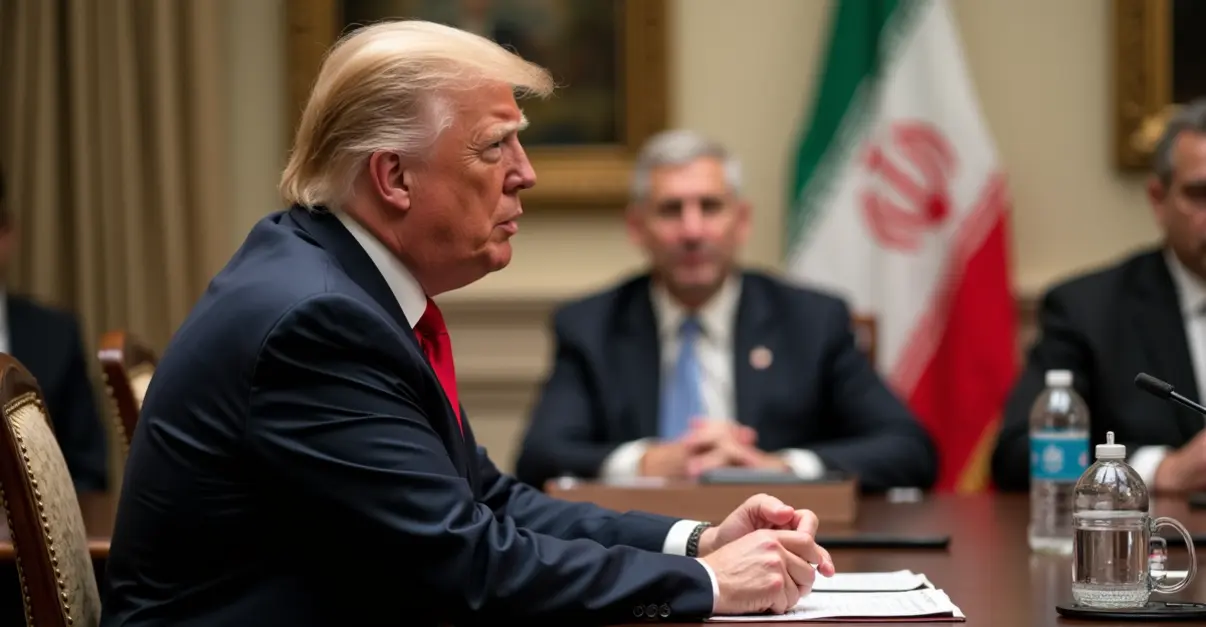
Iran and the United States have resumed critical nuclear negotiations in Geneva, Switzerland, marking a significant diplomatic development in the ongoing efforts to address Tehran's nuclear program. The second round of indirect talks, scheduled for Tuesday, follows initial discussions held in Oman last week and represents renewed efforts to bridge the gap between the two nations after years of tension and stalled diplomacy.
What Are the Iran-US Nuclear Talks?
The Iran-US nuclear talks are diplomatic negotiations aimed at addressing concerns about Iran's nuclear program and potentially reviving the 2015 Joint Comprehensive Plan of Action (JCPOA), which the United States withdrew from in 2018. These discussions represent a critical effort to prevent nuclear proliferation in the Middle East while addressing economic sanctions that have crippled Iran's economy. The current negotiations focus on finding a balance between Iran's nuclear activities and international security concerns.
Key Developments in Geneva Negotiations
Diplomatic Movement and Mediation
Iranian Foreign Minister Abbas Araghchi has traveled to Switzerland for the second round of negotiations, with Oman continuing its role as mediator between the two nations. The Swiss government confirmed the talks would take place in Geneva, though initially declined to specify dates. This diplomatic channel represents one of the few remaining avenues for communication between Washington and Tehran, particularly following the 2025 attacks on Iranian nuclear facilities that strained relations further.
'The ball is in America's court to prove they want a deal,' stated Iranian Deputy Foreign Minister Majid Takht-Ravanchi in recent comments to the BBC. 'We are willing to discuss curbing our nuclear activities, but this must be linked to sanctions relief.'
Iran's Negotiating Position
Iran has signaled flexibility in several key areas while maintaining firm red lines:
- Uranium Enrichment: Tehran has offered to dilute its stockpile of 60% enriched uranium, which is close to weapons-grade levels
- Sanctions Relief: Iran demands comprehensive lifting of US economic sanctions as a precondition for nuclear concessions
- Program Scope: The Islamic Republic refuses to discuss its ballistic missile program or regional activities
- Zero Enrichment: Complete cessation of uranium enrichment remains 'absolutely unacceptable' according to Iranian officials
US Position and Regional Dynamics
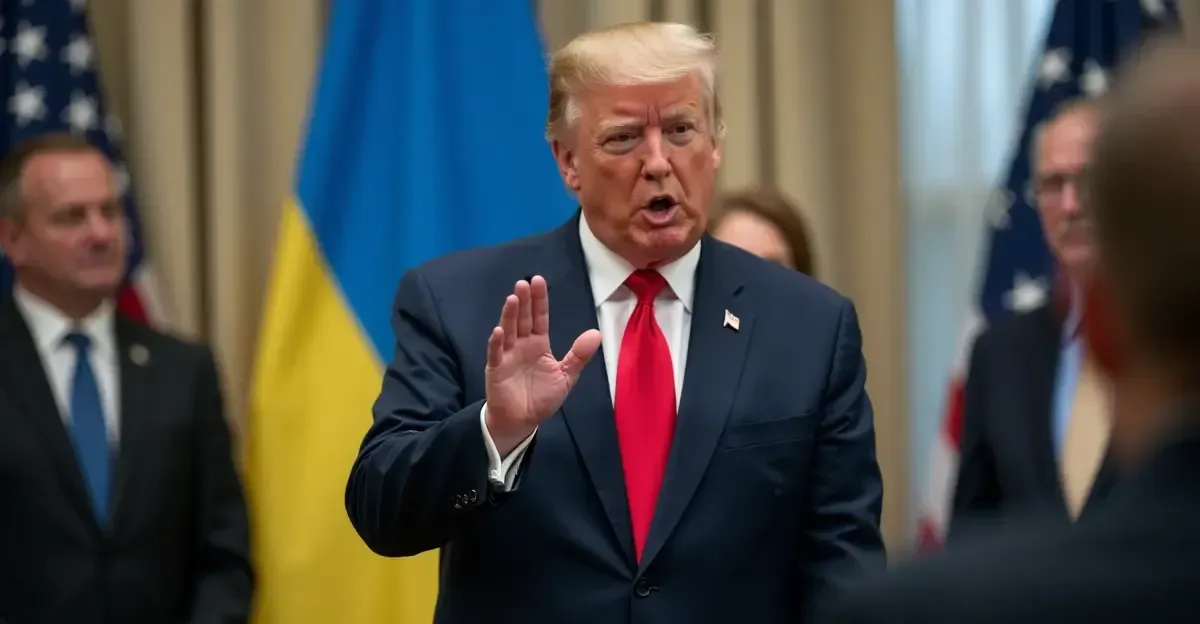
The United States, under President Donald Trump, has maintained pressure on Iran while expressing preference for diplomatic solutions. Recent developments include:
- Deployment of a second aircraft carrier to the region as a show of force
- Continued economic sanctions that have significantly impacted Iran's economy
- Coordination with Israeli Prime Minister Benjamin Netanyahu, who advocates for complete cessation of uranium enrichment
- Mixed signals from Washington about willingness to compromise on sanctions
Historical Context and Previous Agreements
The current negotiations build upon decades of diplomatic efforts regarding Iran's nuclear program. The 2015 JCPOA, negotiated under the Obama administration, imposed strict limits on Iran's nuclear activities in exchange for sanctions relief. However, the Trump administration's withdrawal from the deal in 2018 and subsequent 'maximum pressure' campaign led to escalating tensions and Iran's gradual abandonment of nuclear restrictions. By 2026, Iran has accumulated over 400kg of uranium enriched to 60% purity, bringing it dangerously close to weapons-grade material.
International Monitoring and Verification
The International Atomic Energy Agency (IAEA) plays a crucial role in monitoring Iran's nuclear activities, though recent challenges have emerged:
- Iran permits IAEA inspections but restricts access to facilities attacked in 2025
- The UN watchdog has lost continuity of knowledge about Iran's enriched uranium stocks
- Verification of highly enriched uranium quantities remains incomplete
- IAEA Director General Rafael Grossi is scheduled to meet with Iranian officials during the Geneva talks
Regional Implications and Security Concerns
The outcome of these negotiations carries significant implications for Middle Eastern security:
- Israeli Concerns: Israel advocates for complete cessation of uranium enrichment and removal of enriched material from Iran
- Gulf States: Regional neighbors monitor developments closely given Iran's regional influence
- Nuclear Proliferation: Failure could accelerate nuclear ambitions in the region
- Economic Impact: Sanctions relief could reshape regional economic dynamics
Potential Outcomes and Timeline
Experts suggest several possible scenarios emerging from the Geneva talks:
- Comprehensive Agreement: A revived nuclear deal with mutual concessions
- Limited Understanding: Interim agreement addressing immediate concerns
- Continued Stalemate: Talks collapse with escalating tensions
- Military Escalation: Failure leading to potential conflict
The negotiations come at a critical juncture, with both sides facing domestic pressures and regional uncertainties. The Omani mediation efforts have been particularly significant given Muscat's historical role in facilitating US-Iran dialogue.
FAQ: Iran-US Nuclear Talks 2026
What is being discussed in the Geneva talks?
The negotiations focus on Iran's nuclear program, specifically uranium enrichment levels, stockpile limitations, and verification measures in exchange for sanctions relief from the United States.
Why are the talks indirect and mediated by Oman?
Given the absence of formal diplomatic relations between the US and Iran, Oman serves as a neutral intermediary, facilitating communication and negotiation between the two parties.
What are Iran's main demands?
Iran primarily seeks comprehensive lifting of US economic sanctions while maintaining some uranium enrichment capability for peaceful purposes.
What concessions has Iran offered?
Tehran has indicated willingness to dilute its 60% enriched uranium stockpile and accept enhanced monitoring, but rejects zero enrichment or discussions about its missile program.
What happens if the talks fail?
Failure could lead to escalated tensions, potential military confrontation, accelerated Iranian nuclear advancement, and increased regional instability.

Follow Discussion